
 Pregledaj u prostoru
 Pošalji
 Podeli
 Detalji o delu
 Vodič
Vodič

 Preuzmi
 Slični predmeti
 Rendgenski snimak
 Automatska prezentacija
 Pitanja i odgovori
 Statistika
The Horse Fair

- 64.0 x 88.0 cm


 Pročitaj više
Giclee štampa / Umetnički otisak
Giclée štampa ili print na platnu muzejskog kvaliteta uz brzu izradu i raznovrsne opcije završne obrade. ( Kupite ručno oslikano delo Pređi na digitalnu sliku)




P118B дин10

P118H дин10

P118W дин10

P438Z дин10

P508JH дин12

P508YH дин12

P805H дин10

P805Z дин10

P919BZ дин10

P919G дин10

P919XJ дин10

P959ZH дин10

P968JZ дин12

W106C дин8

W218G дин10

W218JH дин8

W218Y дин10

W307PJ дин10

W316G дин10

W316PJ дин8

W316Y дин10

W398PJ дин8

W4111J дин10

W500HY дин15

W500JH дин15

W692G дин12

W849H дин8

W940BG дин15

W953PJ дин8




Izaberite jednu od naših unapred definisanih veličina koje odgovaraju originalnim proporcijama umetničkog dela.

Unesite željenu širinu i visinu kako bi se štampa uklopila u vaš ram ili zid. Štampu je moguće samo iseći, ali nikada povećati iznad dimenzija originalne slike, stoga format sa drugačijim proporcijama uzrokuje gubitak dela slike. Pre početka štampe, poslaćemo vam digitalni prikaz radi potvrde. Slika prikazana na ovoj stranici ne predstavlja stvarni isrez — to pokazuje samo digitalni prikaz.
Dostava širom sveta () za 2 nedelje umesto uobičajenih 4/5 nedelja. (7 новембар)

Besplatna ekspresna dostava širom sveta

Visokokvalitetno laneno platno

Potpuno osiguranje transporta

Garancija povraćaja carine i uvoznih dažbina

Garancija vernosti boja

Politika povraćaja u roku od 100 dana (samo u slučaju nedostataka)

Garancija povrata 100% novca

Popust na više proizvoda
 Opcija sa staklom dostupna je samo za dimenzije manje od 110 cm

The Horse Fair
Giclee štampa / Umetnički otisak
Dimenzije reprodukcije
-


Ukupna cena
дин 8485
A Symphony of Motion: The Spirit of the Dutch Golden Age
In the heart of the seventeenth century, amidst the burgeoning prosperity of the Netherlands, Philips Wouwerman captured a moment of vibrant, unbridled energy in his masterpiece, The Horse Fair. This expansive oil on canvas, dating from 1665, serves as more than just a depiction of commerce; it is a window into the soul of the Dutch Golden Age. As one gazes upon the scene, the viewer is immediately swept into a bustling open field where the rhythmic pulse of life is palpable. Wouwerman, a master of the genre, orchestrates a complex ballet of equine grace and human industry, creating a composition that feels both spontaneous and meticulously balanced. The sheer variety of horses—ranging from powerful, muscular stallions to more delicate breeds—adds a layer of dynamic tension, suggesting a world in constant motion, where every creature and character plays a vital role in the unfolding drama of the fair.
The technical brilliance of Wouwerman is most evident in his ability to render texture and light with breathtaking precision. Each brushstroke contributes to the tactile reality of the scene, from the shimmering coats of the horses to the heavy, period-specific fabrics worn by the gathered crowd. The artist employs a sophisticated palette that balances earthy, grounded tones with sudden bursts of brilliance, drawing the eye across the canvas in a choreographed journey. Notice how the overcast sky, filled with soft, billowing clouds, provides a diffused light that eliminates harsh shadows, allowing for a subtle interplay of luminosity across the landscape. This mastery of light not only defines the forms within the painting but also imbues the atmosphere with a sense of atmospheric depth, pulling the viewer toward the distant body of water and the quiet silhouettes of trees that anchor the horizon.
A Tapestry of Social Narrative and Artistic Legacy
Beyond the aesthetic splendor, The Horse Fair functions as a rich social document. The figures scattered throughout the landscape—traders negotiating prices, riders guiding their mounts, and peasants carrying baskets—represent a cross-section of seventeenth-century society. There is a profound sense of narrative potential in every interaction; one can almost hear the low murmur of bartering voices and the heavy thud of hooves against the earth. Wouwering uses these human elements to ground his grander landscapes in a relatable, earthly reality. The inclusion of such detailed character studies elevates the work from a mere landscape to a genre painting of significant psychological depth, where the themes of trade, status, and the shared experience of the marketplace are explored through the lens of animal husbandry.
For the discerning collector or interior designer, this reproduction offers an unparalleled opportunity to introduce a sense of historical grandeur and classical elegance into a contemporary space. The painting’s ability to command attention while maintaining a harmonious presence makes it a versatile centerpiece for any curated collection. It evokes a feeling of timelessness, bridging the gap between the historical splendor of the Haarlem school and the sophisticated tastes of the modern era. To possess such a work is to hold a piece of art history that celebrates the beauty of movement, the dignity of labor, and the enduring allure of the natural world, making it an evocative choice for those looking to inspire awe and contemplation within their homes or galleries.
Pitanja i odgovori
Gde mogu pronaći statistiku o delu „The Horse Fair”, autor Филипс Вуверман?
Stranica Statistika za delo „The Horse Fair”, autor Филипс Вуверман prikazuje statistiku javnih poseta: mesečni broj poseta ovom umetničkom delu, poređenje sa najgledanijim radovima ovog umetnika i poreklom posetilaca.
Gde mogu da kupim print dela „The Horse Fair”, autor Филипс Вуверман?
Štampu dela „The Horse Fair”, autor Филипс Вуверман možete naručiti direktno na njegovoj stranici za Umetnički print: umetnička štampa na pamučnom platnu ili arhivskom kanvas papiru.
Kojom tehnikom je izrađeno "The Horse Fair"?
Tehnika dela „The Horse Fair”, autor Филипс Вуверман je Oil On Canvas. Reprodukcije imaju za cilj da dočaraju izgled ove tehnike.
Biografija umetnika
Филипс Вуверман: Живот у Златно Доба Холандије
Филипс Вуверман (крштењ 24. мај 1619 – умро 19. мај 1668) био је изузетно плодан и свестрани холандски слика, познат по својим приказима ловачке сцене, пејзажа и битака. Заузима значајно место у уметничком пејзажу Златног Доба Холандије. Рођен у Хаарлему, Вуверман је био син Повелса Јостза Вувермана, такође сликара, иако мање познатог од свог сина. Детаљи о његовом раном уметничком образовању су прилично оскудни. Међутим, верује се да је студирао код Франса Халса (1581/85–1666), истакнутог портретисте из Хаарлема. Иако Халсов карактеристичан стил није значајно утицао на зрело дело Вувермана, темељна обука је вероватно била непроцењива. У раној фази своје каријере, Вуверман је био под утицајем традиције *бамбоћантија*, посебно дела Питера ван Лаера (1592/99–после 1642), усвајајући њихов фокус на свакодневни живот и жанр сцене.
Рани Развој и Утицаји
Вуверманови рани радови одражавали су утицај *бамбоћантија*, са приказима обичног живота, сеоских сцена и забаве. Међутим, већ средином 1640-их године почела је да се обликује његова карактеристична композициона техника – дијагонални наклон земљишта који прати дрво које делује као *репусоар* (уметнички приступ за стварање дубине). Ликови, често у друштву коња, насељавали су ове сцене. У том периоду је почео да развија свој препознатљив стил, а његов рани рад показује прецизност и пажњу посвећену детаљима. Ван Лаеров утицај се види у Вувермановом интересовању за реалистичне приказе свакодневног живота, али је он постепено развио своју сопствену визију.
Зрелост и Уметнички Стилу
Током 1650-их година Вуверман је у потпуности развио свој индивидуални стил, проширујући значајно своје предметне области. Сликао је жанр сцене, пејзаже са путницима, коњичке битке, војне логоре и весела окупљања сељака. Посебно је познат по изузетној вештини у приказивању коњева различитих раса у динамичном кретању. Уметнички историчар Фредерик Ј. Дипарк га је назвао „несумњиво најисполнији и најуспешнији холандски сликач коња из 17. века“. Његови каснији радови одликују се суптилним бојама, хладном атмосфером и прецизном пажњом посвећеном детаљима, стварајући духовите и анегдотске нарације у својим сценама. Често је комбиновао измишљене јужне пејзаже са изразито холандском атмосфером.
Наслеђе и Утицај
Вуверманови радови су били веома тражени током његовог живота и наставили су да постају све популарнији у 18. веку. Његове слике су нашле пут у истакнуте збирке широм Европе, укључујући оне принчевских кућа у Дрездену и Санкт Петербургу, што показује широко признање за његову уметност. Био је изузетно плодан; рани каталози су набројали око 800 дела приписаних њему, касније прелазећи 1200. Недавни каталог *raisonné* (Schumacher, 2006) идентификује приближно 570 аутентичних радова, признајући бројне следбенике и имитаторе који су производили дела у његовом стилу. Браћа Вувермана, Јан (1629–1666) и Питер (1623–1682), били су такође сликари, често почетно приписани Филипу. Иако је Питеров рад јасно одражавао утицај Филипа, развио је свој посебан стил. Јан је био препознат као аутонимнији сликар пејзажа.
Историјски Значај
Филипс Вуверман је оставио трајан утицај на холандску уметност Златног Доба. Његова способност да затвори широк спектар сцена – од прометних тржишта и ловачких експедиција до драматичних бојишта и мирних пејзажа – са изузетним детаљем и динамиком, учврстила је његово место као једног од најславнијих и утицајних сликара свог времена. Његов стил је инспирисао бројне уметнике, укључујући Јана ван Хуктенбурга (1647–1733), браћу Јан Франса и Јозефа ван Бредала (1688–1739) и Карела ван Фаленса (1683–1733). Поред уметничких достигнућа, Вуверман је био члан Цеха Светог Луке у Хаарлему, где је обављао неколико званичних функција. Изван својих уметничких тежњи, служио је и као агент за некретнине у Хаарлему, што одражава његово учешће у грађанском животу.

Филипс Вуверман
1619 - 1668 , Холандија
Osnovne informacije
- Artistic Movement Or Style: Zlatno doba Holandije
- Artists Or Movements Influenced By This Artist:
- Jan van Huchtenburgh
- Joseph van Bredael
- Carel van Falens
- Artists Who Influenced This Artist:
- Pieter van Laer
- Frans Hals
- Jan Wijnants
- Date Of Birth: 24. maj 1619.
- Date Of Death: 19. maj 1668.
- Full Name: Philips Wouwerman
- Nationality: Holanđanin
- Notable Artworks:
- Dva konja
- Konjanici kod logora
- Pejzaž sa signalnom kućom
- Sajam konja
- Vodeni bazen pored kamena
- Place Of Birth: Haarlem, Holandija
Povezani članci

Golden Light & Dutch Skies: The Timeless Magic of Dutch Golden Age Landscapes
Discover the breathtaking beauty of Dutch Golden Age landscapes. Explore the mastery of light, chiaroscuro, and 17th-century realism through an expert art history lens, celebrating the enduring legacy of the Dutch Masters for discerning collectors and art lovers.
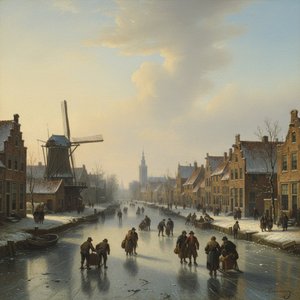
Charles Leickert: Capturing the Dutch Golden Age Light – A Comprehensive Study of Technique, Context, and Legacy
Explore the captivating winter landscapes of Charles Leickert, a master of Dutch Golden Age light & atmosphere. Discover his techniques, symbolism, and lasting legacy – a comprehensive study for art enthusiasts and collectors.
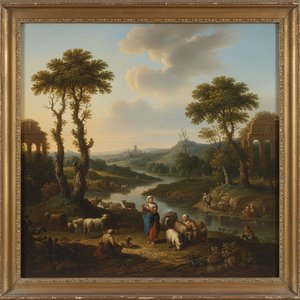
Nicolaes Berchem: Dutch Golden Age Pastoralism & the Evolution of Landscape Painting
Explore the captivating world of Nicolaes Berchem, a leading Dutch Golden Age painter. Discover his idyllic landscapes, masterful technique & lasting influence on art history. Learn more at OriginalUniqueArt.

Golden Light & Dutch Skies: Bringing the Magic of Dutch Golden Age Landscapes into Your Home
Transform your home with the breathtaking light of Dutch Golden Age landscapes. Discover how hand-painted oil reproductions of masterworks like Ruisdael and Vermeer bring timeless elegance, atmosphere, and soulful texture to modern interiors. Elevate your space with museum-quality art.

Zlatno doba Holandske umetnosti: Top 10 remek dela za vaš dom
Otkrijte remek dela Holandskog zlatnog doba! Uronite u svet Rembrandta, Vermeera i drugih majstora. 10 ikoničnih slika koje su definisale umetnost. Inspiracija za vaš dom i kolekciju - ekskluzivne reprodukcije na OriginalUniqueArt.com!