
 Pregledaj u prostoru
 Podeli
 Podeli
 Detalji
 Vodič
Vodič

 Preuzmi sliku
 Slični predmeti
 Rendgenski snimak
 Automatska prezentacija
 Statistika
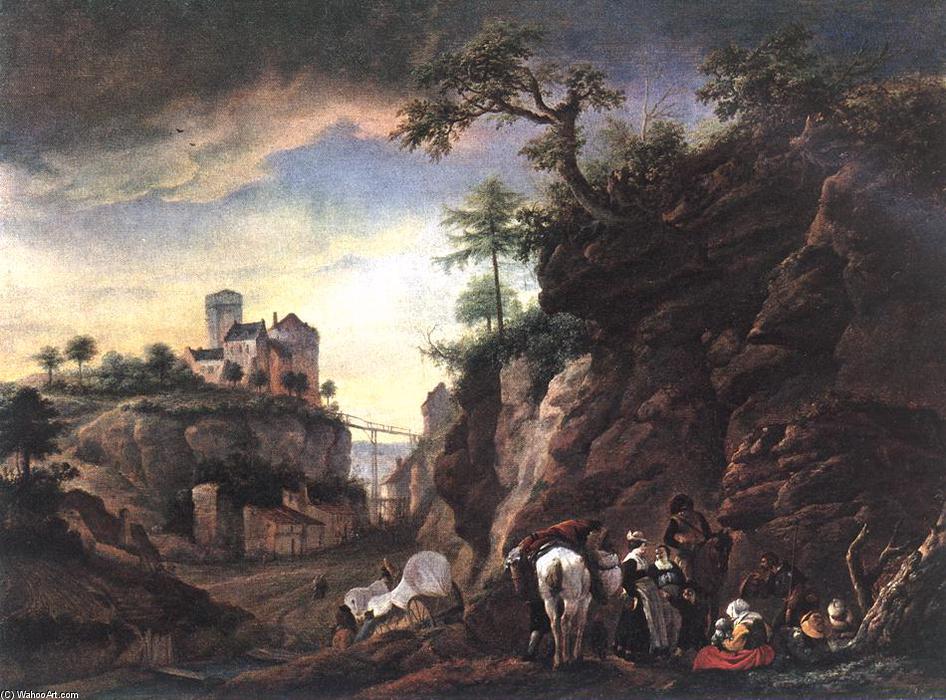
Rocky Landscape with resting Travellers
 Oil On Canvas
- WallArt
- Romanticism
 45.0 x 61.0 cm
 Szépművészeti Múzeum
 Pročitaj više
Ručno rađena uljana reprodukcija
Ručno oslikano uljanim bojama na platnu u dimenzijama i okviru po vašem izboru, izrađeno po porudžbini od strane naših umetnika. ( Pređi na prodaju štampanih primeraka Pređi na prodaju digitalnih slika)




P118B $10

P118H $10

P118W $10

P438Z $10

P508JH $12

P508YH $12

P805H $10

P805Z $10

P919BZ $10

P919G $10

P919XJ $10

P959ZH $10

P968JZ $12

W106C $8

W218G $10

W218JH $8

W218Y $10

W307PJ $10

W316G $10

W316PJ $8

W316Y $10

W398PJ $8

W4111J $10

W500HY $15

W500JH $15

W692G $12

W849H $8

W940BG $15

W953PJ $8




Izaberite jednu od naših unapred definisanih veličina koje odgovaraju originalnim proporcijama umetničkog dela.

Možete uneti sopstvene dimenzije kako biste prilagodili umetničko delo određenom okviru ili prostoru. Ako odabrana veličina ne odgovara proporcijama originala, slika će biti isečena ili proširena dodatnim elementima koji se ručno oslikavaju. Digitalni prikaz će vam biti poslat na odobrenje pre početka proizvodnje.
Imajte na umu da pregled na ekranu ne odražava stvarno prisecanje ili proširenje. Samo mockup će precizno prikazati konačnu kompoziciju.
Iako su dostupne prilagođene veličine, preporučujemo da izaberete dimenziju iz unapred definisane liste kako biste sačuvali originalne proporcije.
Nakon narudžbine, tim OriginalUniqueArt.com će klijentu putem e-pošte poslati uputstva i dostaviti prikaz predloženog rešenja
Svetska isporuka () za 3/4 nedelje umesto uobičajenih 5 nedelja. (27 септембар). Bez kompromisa po pitanju kvaliteta.

Besplatna ekspresna dostava širom sveta

Visokokvalitetno laneno platno

Sveobuhvatno osiguranje transporta

Garancija povraćaja carine i uvoznih dažbina

Garancija vernosti boja i autentičnosti pri reprodukciji

Politika povraćaja u roku od 100 dana (samo u slučaju nedostataka)

Garancija povrata 100% novca

Popust pri većoj količini
 Opcija sa staklom dostupna je samo za dimenzije manje od 110 cm

Rocky Landscape with resting Travellers
Tehnika izrade reprodukcije
Veličina reprodukcije
-


Ukupna cena
$ 300
A Dramatic Vista: Philips Wouwerman’s “Rocky Landscape with Resting Travellers”
Philips Wouwerman's "Rocky Landscape with Resting Travellers" is more than just a depiction of a rugged vista; it’s a carefully constructed tableau brimming with narrative potential and imbued with the spirit of the Dutch Golden Age. Painted circa 1650-1660, during the artist’s most prolific period, this oil on canvas work transports us to a remote corner of Europe – perhaps the foothills of the Alps or the rolling hills of Italy – where a small group of travelers pauses for respite amidst a dramatic and somewhat melancholic scene. The painting immediately commands attention with its masterful use of atmospheric perspective, creating an illusion of immense depth and drawing the eye into the heart of the composition: a crumbling castle perched precariously atop a distant hill, partially obscured by swirling clouds. The foreground is dominated by a group of figures – a small party of travelers, their horses, and a scattering of luggage – suggesting a journey’s end or perhaps simply a moment of temporary rest. Their postures are subtly expressive; some appear weary, others contemplative, hinting at the hardships endured during their travels. The arrangement of these figures within the pyramidal structure of the composition—with the castle as its apex—creates a powerful sense of scale and draws the viewer upwards, emphasizing the grandeur of the landscape and the ambition of human endeavor. Wouwerman’s skill lies not just in rendering the details of the scene – the rough texture of the rocks, the worn saddles on the horses, the folds of the travelers' clothing – but also in conveying a palpable sense of atmosphere: a cool, slightly somber mood that speaks to both the beauty and the inherent dangers of the natural world.The Romantic Spirit and Baroque Techniques
Wouwerman’s work firmly resides within the broader context of 17th-century Dutch painting, yet it transcends simple categorization. While influenced by the prevailing trends of the time – particularly the burgeoning interest in landscape as a subject matter – he developed a distinctly individual style that leans heavily into the Romantic sensibility. This is evident in his dramatic use of light and shadow, his emphasis on emotional expression, and his willingness to depict scenes of hardship and vulnerability alongside moments of beauty. The painting’s palette is restrained, dominated by earthy tones—ochres, browns, and grays—that contribute to the overall sense of realism and ruggedness. However, these muted colors are punctuated by flashes of brighter hues – the red of a cloak, the blue of the sky – which serve to heighten the drama and draw attention to key elements within the composition. Technically, Wouwerman demonstrates a mastery of oil painting techniques. The brushstrokes are visible and textured, particularly in the depiction of the rock formations and the cloudy sky, creating a sense of immediacy and physicality. He skillfully employs *sfumato*, a technique borrowed from Renaissance masters, to soften edges and create a hazy atmosphere, further enhancing the illusion of distance. The artist’s attention to detail is remarkable; one can almost feel the rough texture of the stone beneath their fingertips and hear the wind whistling through the trees.Symbolism and Narrative Potential
Beyond its purely visual appeal, “Rocky Landscape with Resting Travellers” is rich in symbolic meaning. The crumbling castle, a frequent motif in Wouwerman’s work, can be interpreted as a representation of human ambition, mortality, or perhaps even the fleeting nature of power. The travelers themselves may symbolize humanity's constant quest for knowledge, wealth, and spiritual fulfillment – a journey fraught with challenges and uncertainties. The bridge spanning the chasm below adds another layer of complexity to the scene, suggesting both connection and separation, hope and despair. Interestingly, the painting’s narrative potential is open to interpretation. While it could be viewed as a straightforward depiction of travelers seeking shelter after a long journey, it also evokes a sense of foreboding and loss. The somber atmosphere, combined with the ruined castle and the weary expressions of the figures, suggests that this respite may be temporary or even illusory. The painting invites viewers to project their own interpretations onto the scene, transforming it into a mirror reflecting their own experiences and emotions.A Legacy of Dramatic Landscapes
Philips Wouwerman’s “Rocky Landscape with Resting Travellers” stands as a testament to his artistic skill and his ability to capture the essence of the Dutch Golden Age. It is a painting that rewards careful observation, inviting viewers to lose themselves in its dramatic landscape and contemplate its rich symbolism. Reproductions of this captivating work offer a window into a bygone era, transporting us to a world of rugged beauty, human resilience, and enduring mystery. Its timeless appeal continues to resonate with art lovers today, solidifying Wouwerman’s place as one of the most important painters of his time.Biografija umetnika
Филипс Вуверман: Живот у Златно Доба Холандије
Филипс Вуверман (крштењ 24. мај 1619 – умро 19. мај 1668) био је изузетно плодан и свестрани холандски слика, познат по својим приказима ловачке сцене, пејзажа и битака. Заузима значајно место у уметничком пејзажу Златног Доба Холандије. Рођен у Хаарлему, Вуверман је био син Повелса Јостза Вувермана, такође сликара, иако мање познатог од свог сина. Детаљи о његовом раном уметничком образовању су прилично оскудни. Међутим, верује се да је студирао код Франса Халса (1581/85–1666), истакнутог портретисте из Хаарлема. Иако Халсов карактеристичан стил није значајно утицао на зрело дело Вувермана, темељна обука је вероватно била непроцењива. У раној фази своје каријере, Вуверман је био под утицајем традиције *бамбоћантија*, посебно дела Питера ван Лаера (1592/99–после 1642), усвајајући њихов фокус на свакодневни живот и жанр сцене.
Рани Развој и Утицаји
Вуверманови рани радови одражавали су утицај *бамбоћантија*, са приказима обичног живота, сеоских сцена и забаве. Међутим, већ средином 1640-их године почела је да се обликује његова карактеристична композициона техника – дијагонални наклон земљишта који прати дрво које делује као *репусоар* (уметнички приступ за стварање дубине). Ликови, често у друштву коња, насељавали су ове сцене. У том периоду је почео да развија свој препознатљив стил, а његов рани рад показује прецизност и пажњу посвећену детаљима. Ван Лаеров утицај се види у Вувермановом интересовању за реалистичне приказе свакодневног живота, али је он постепено развио своју сопствену визију.
Зрелост и Уметнички Стилу
Током 1650-их година Вуверман је у потпуности развио свој индивидуални стил, проширујући значајно своје предметне области. Сликао је жанр сцене, пејзаже са путницима, коњичке битке, војне логоре и весела окупљања сељака. Посебно је познат по изузетној вештини у приказивању коњева различитих раса у динамичном кретању. Уметнички историчар Фредерик Ј. Дипарк га је назвао „несумњиво најисполнији и најуспешнији холандски сликач коња из 17. века“. Његови каснији радови одликују се суптилним бојама, хладном атмосфером и прецизном пажњом посвећеном детаљима, стварајући духовите и анегдотске нарације у својим сценама. Често је комбиновао измишљене јужне пејзаже са изразито холандском атмосфером.
Наслеђе и Утицај
Вуверманови радови су били веома тражени током његовог живота и наставили су да постају све популарнији у 18. веку. Његове слике су нашле пут у истакнуте збирке широм Европе, укључујући оне принчевских кућа у Дрездену и Санкт Петербургу, што показује широко признање за његову уметност. Био је изузетно плодан; рани каталози су набројали око 800 дела приписаних њему, касније прелазећи 1200. Недавни каталог *raisonné* (Schumacher, 2006) идентификује приближно 570 аутентичних радова, признајући бројне следбенике и имитаторе који су производили дела у његовом стилу. Браћа Вувермана, Јан (1629–1666) и Питер (1623–1682), били су такође сликари, често почетно приписани Филипу. Иако је Питеров рад јасно одражавао утицај Филипа, развио је свој посебан стил. Јан је био препознат као аутонимнији сликар пејзажа.
Историјски Значај
Филипс Вуверман је оставио трајан утицај на холандску уметност Златног Доба. Његова способност да затвори широк спектар сцена – од прометних тржишта и ловачких експедиција до драматичних бојишта и мирних пејзажа – са изузетним детаљем и динамиком, учврстила је његово место као једног од најславнијих и утицајних сликара свог времена. Његов стил је инспирисао бројне уметнике, укључујући Јана ван Хуктенбурга (1647–1733), браћу Јан Франса и Јозефа ван Бредала (1688–1739) и Карела ван Фаленса (1683–1733). Поред уметничких достигнућа, Вуверман је био члан Цеха Светог Луке у Хаарлему, где је обављао неколико званичних функција. Изван својих уметничких тежњи, служио је и као агент за некретнине у Хаарлему, што одражава његово учешће у грађанском животу.

Филипс Вуверман
1619 - 1668 , Холандија
Brzi pregled
- Artistic Movement Or Style: Zlatno doba Holandije
- Artists Or Movements Influenced By This Artist:
- Jan van Huchtenburgh
- Joseph van Bredael
- Carel van Falens
- Artists Who Influenced This Artist:
- Pieter van Laer
- Frans Hals
- Jan Wijnants
- Date Of Birth: 24. maj 1619.
- Date Of Death: 19. maj 1668.
- Full Name: Philips Wouwerman
- Nationality: Holanđanin
- Notable Artworks:
- Dva konja
- Konjanici kod logora
- Pejzaž sa signalnom kućom
- Sajam konja
- Vodeni bazen pored kamena
- Place Of Birth: Haarlem, Holandija
Srodni članci
Nicolaes Berchem: Dutch Golden Age Pastoralism & the Evolution of Landscape Painting
Explore the captivating world of Nicolaes Berchem, a leading Dutch Golden Age painter. Discover his idyllic landscapes, masterful technique & lasting influence on art history. Learn more at OriginalUniqueArt.
Charles Leickert: Capturing the Dutch Golden Age Light – A Comprehensive Study of Technique, Context, and Legacy
Explore the captivating winter landscapes of Charles Leickert, a master of Dutch Golden Age light & atmosphere. Discover his techniques, symbolism, and lasting legacy – a comprehensive study for art enthusiasts and collectors.

Golden Light & Dutch Skies: The Timeless Magic of Dutch Golden Age Landscapes
Discover the breathtaking beauty of Dutch Golden Age landscapes. Explore the mastery of light, chiaroscuro, and 17th-century realism through an expert art history lens, celebrating the enduring legacy of the Dutch Masters for discerning collectors and art lovers.

Zlatno doba Holandske umetnosti: Top 10 remek dela za vaš dom
Otkrijte remek dela Holandskog zlatnog doba! Uronite u svet Rembrandta, Vermeera i drugih majstora. 10 ikoničnih slika koje su definisale umetnost. Inspiracija za vaš dom i kolekciju - ekskluzivne reprodukcije na OriginalUniqueArt.com!

Golden Light & Dutch Skies: Bringing the Magic of Dutch Golden Age Landscapes into Your Home
Transform your home with the breathtaking light of Dutch Golden Age landscapes. Discover how hand-painted oil reproductions of masterworks like Ruisdael and Vermeer bring timeless elegance, atmosphere, and soulful texture to modern interiors. Elevate your space with museum-quality art.