
 Pregledaj u prostoru
 Pošalji
 Podeli
 Detalji o delu
 Vodič
Vodič

 Preuzmi
 Slični predmeti
 Rendgenski snimak
 Automatska prezentacija
 Pitanja i odgovori
 Statistika
The Music Room


 Pročitaj više
Giclee štampa / Umetnički otisak
Giclée štampa ili print na platnu muzejskog kvaliteta uz brzu izradu i raznovrsne opcije završne obrade. ( Kupite ručno oslikano delo Pređi na digitalnu sliku)




P118B дин10

P118H дин10

P118W дин10

P438Z дин10

P508JH дин12

P508YH дин12

P805H дин10

P805Z дин10

P919BZ дин10

P919G дин10

P919XJ дин10

P959ZH дин10

P968JZ дин12

W106C дин8

W218G дин10

W218JH дин8

W218Y дин10

W307PJ дин10

W316G дин10

W316PJ дин8

W316Y дин10

W398PJ дин8

W4111J дин10

W500HY дин15

W500JH дин15

W692G дин12

W849H дин8

W940BG дин15

W953PJ дин8




Izaberite jednu od naših unapred definisanih veličina koje odgovaraju originalnim proporcijama umetničkog dela.

Unesite željenu širinu i visinu kako bi se štampa uklopila u vaš ram ili zid. Štampu je moguće samo iseći, ali nikada povećati iznad dimenzija originalne slike, stoga format sa drugačijim proporcijama uzrokuje gubitak dela slike. Pre početka štampe, poslaćemo vam digitalni prikaz radi potvrde. Slika prikazana na ovoj stranici ne predstavlja stvarni isrez — to pokazuje samo digitalni prikaz.
Dostava širom sveta () za 2 nedelje umesto uobičajenih 4/5 nedelja. (6 новембар)

Besplatna ekspresna dostava širom sveta

Visokokvalitetno laneno platno

Potpuno osiguranje transporta

Garancija povraćaja carine i uvoznih dažbina

Garancija vernosti boja

Politika povraćaja u roku od 100 dana (samo u slučaju nedostataka)

Garancija povrata 100% novca

Popust na više proizvoda
 Opcija sa staklom dostupna je samo za dimenzije manje od 110 cm

The Music Room
Giclee štampa / Umetnički otisak
Dimenzije reprodukcije
-


Ukupna cena
дин 8493
A Moment of Intimacy: Philip Wilson Steer’s “The Music Room”
Philip Wilson Steer's "The Music Room," painted in 1906, isn’t merely a depiction of two women playing the violin; it’s a carefully constructed tableau of serenity and domestic grace, imbued with the subtle nuances of Impressionism. This captivating work offers a glimpse into a world of refined leisure, capturing an ephemeral moment within a richly furnished room—a space that speaks volumes about its inhabitants and the era in which it was created.
Steer, a British painter deeply influenced by the French Impressionists, particularly Monet and Renoir, possessed a remarkable ability to translate light and atmosphere onto canvas. “The Music Room” exemplifies this talent. He masterfully employs broken brushstrokes and delicate layering of color—primarily soft blues, greens, and ochres—to create an illusion of diffused light filtering through the windows. Notice how he doesn’t attempt to render every detail with photographic precision; instead, he prioritizes capturing the *feeling* of the scene – a sense of warmth, quiet contemplation, and understated elegance.
The Scene Unfolds: Composition and Detail
The composition is deceptively simple yet profoundly effective. The two women, positioned in the foreground, are bathed in gentle light, their faces partially obscured, inviting the viewer to project their own emotions onto them. One woman, seated on the floor with a violin resting gracefully in her lap, appears to be leading the music, while the other stands behind her, also holding an instrument. The arrangement feels natural and unforced, as if captured during a spontaneous moment of shared enjoyment. The room itself is meticulously rendered—a luxurious space filled with comfortable furnishings: a plush sofa, a chair draped in velvet, and several framed pictures adorning the walls – each contributing to the overall sense of wealth and refinement.
Steer’s attention to detail is noteworthy. The instruments are depicted with remarkable accuracy, reflecting the craftsmanship of the period. The clock on the wall subtly anchors the scene within a specific time, adding another layer of realism. However, it's the subtle details—the folds in the fabric, the glint of light on polished wood—that truly elevate the painting and draw the viewer into its world.
A Window into Edwardian England
"The Music Room" is firmly rooted in the Edwardian era (1901-1910), a period characterized by social conservatism, burgeoning prosperity, and a renewed interest in art and culture. The painting reflects this atmosphere of restrained elegance and refined leisure—a world where music, literature, and conversation were considered essential components of a cultured life. The room’s furnishings and the women's attire – though not overtly extravagant – suggest a comfortable level of affluence.
Steer was particularly interested in capturing scenes of everyday life, imbuing them with an artistic sensibility. He wasn’t simply painting portraits; he was attempting to convey the *essence* of human experience—the quiet joys and subtle connections that define our lives. “The Music Room” is a testament to his ability to achieve this goal.
Symbolism and Emotional Resonance
Beyond its realistic depiction, "The Music Room" carries symbolic weight. The act of playing music itself represents harmony, connection, and the pursuit of beauty. The intimate setting suggests a shared bond between the women—a moment of companionship and mutual appreciation. The soft lighting and muted colors evoke feelings of tranquility, nostalgia, and perhaps even a touch of melancholy.
Steer’s masterful use of light and color creates an emotional resonance that transcends mere representation. The painting invites us to step into the scene, to imagine ourselves as silent observers of this quiet moment—a reminder of the simple pleasures and enduring beauty found in everyday life. It's a work that speaks to our shared humanity and our appreciation for art’s ability to capture and convey profound emotions.
Pitanja i odgovori
Koje boje dominiraju u delu „The Music Room”, autor Filip Vilson Stir?
„The Music Room”, autor Filip Vilson Stir koristi Earthy paletu, pri čemu je Rosy Brown (#baa581) dominantna boja.
Za koji prostor je predložen rad „The Music Room”, autor Filip Vilson Stir?
„The Music Room”, autor Filip Vilson Stir se preporučuje za Hotel Lobby. Ovaj predlog je zasnovan na temi, bojama i raspoloženju dela.
Kolika je zasićenost i intenzitet boja u delu „The Music Room”, autor Filip Vilson Stir?
Zasićenost boja u delu "The Music Room" iznosi Balanced Soft, dok je intenzitet Balanced.
Biografija umetnika
Rani Život i Utemeljivanje Umetničkih Osnova
Filip Vilson Stir, rođen u Birkenhedu 1860. godine, poticao je iz porodice duboko ukorenjene u umetnički svet – njegov otac bio je portretista i posvećeni učitelj crtanja. Ovo rano izlaganje se pokazalo formativnim, negujući osetljivost koja će definisati njegov životni put. Preseljenje u Vičerč blizu Monmuta kada je imao samo tri godine usađuje vezu sa britiskom ruralnom sredinom koja će odjekivati kroz ceo njegov opus. Njegovo formalno obrazovanje započelo je u Hereford Cathedral School, pružajući mu osnovnu podlogu pre nego što se potpuno posvetio svojim umetničkim ambicijama. Stirino usavršavanje je nastavljeno na Gloucester School of Art i South Kensington Drawing Schools, ali je njegov boravak u Parizu između 1880. i 1884. godine bio zaista transformativan. Studirajući na Académie Julianu, a kasnije pod Aleksandrom Kabanelem na École des Beaux Arts, susreo se sa svetom punim novih ideja i pristupa slikanju.Prihvatanje Impresionizma i Karakteristični Stil
Pariz je postao ključna tačka za Stirin umetnički razvoj. Bio je duboko potresen delima Edgara Manea i Džejmsa Meknila Vislera, upijajući njihove inovativne tehnike u hvatanju svetlosti, boje i atmosfere. Ovo izlaganje je zapalilo strast za impresionizmom, ali nikada ga nije jednostavno kopirao. Stir je vešto spojio ove francuske uticaje sa svojim urođenim engleskim osetljivostima, kujući stil jedinstven za njega. Njegove slike karakteriše izvanredna sposobnost da uhvate prolazne trenutke – igru sunčeve svetlosti na vodi, efemernu kvalitetu obalskog vazduha. Koristio je labave poteze četkom i vibrantne boje ne samo da bi prikazao scene, već i da izazove emocije i stvori impresivan osećaj neposrednosti. Ponavljajuće teme u njegovom radu uključuju prizore sa plaže i morski pejzaž, često okupane srebrnom, prozirnom svetlošću, demonstrirajući majstorstvo prikazivanja svežine i sjaja ovih sredina. Dela kao što je Soba za Muziku, rano u njegovoj karijeri, pokazuju njegov rastući veštinu u kompoziciji i svetlu, dok dela poput Devojke Trče: Walberswick Pier eksplodiraju energijom i živahnošću obalskog grada Sufoka.Prvak Moderne Umetnosti i Uticaj Etaplea
Stir nije bio zadovoljan samo slikanjem; aktivno je oblikovao umetnički pejzaž Britanije. Imao je ključnu ulogu u osnivanju New English Art Cluba, organizacije posvećene promovisanju moderne umetničke ekspresije – hrabar potez u vreme kada su tradicionalni ukusi i dalje dominirali. Kroz ovu platformu i redovne izložbe u Royal Academy, uključujući učešće u revolucionarnoj London Impressionist Exhibition 1889. godine, pomogao je da se predstave nove ideje i ospore konvencionalne norme. Njegovo vreme provedeno u umetničkoj koloniji Etaples 1887. godine dodatno usavršilo je njegovu umetničku viziju. Ova živahna zajednica umetnika pružila je stimulativnu sredinu za eksperimentisanje i saradnju, učvršćujući njegovu sposobnost da uhvati svetlost i atmosferu sa sve većom nijansom i veštinom. Stir se inspirisao raznolikim majstorima – Džon Konstabl, Vilijam Turner, pa čak i Fransoa Buše – ali je ove uticaje uvek filtrirao kroz sopstvenu jedinstvenu perspektivu.Nasleđe, Priznanje i Trajni Uticaj
Filip Vilson Stir je nastavio da slika plodonosno sve dok zdravstveni problemi nisu naterali ga da prestane 1940. godine, preminuvši dve godine kasnije u dobi od 81 godine. Njegovi doprinosi su bili široko priznati tokom njegovog života, kulminirajući sa Ordenom Zasluge. Danas se njegova dela čuvaju u prestižnim kolekcijama širom sveta, uključujući Tate Gallery i čak Uffizi Galeriju – svedočeći o njegovom međunarodnom priznanju. Osim samih slika, Stirino nasleđe se proteže kroz njegov dug staž kao učitelj slikanja na Slade School of Art. Mnogo godina je duboko uticao na generacije mladih umetnika, prenoseći ne samo tehničke veštine, već i duboku zahvalnost za posmatranje i umetnički integritet. Njegov doprinos razvoju i prihvatanju impresionizma u Britaniji je neporeciv, učvršćujući njegov položaj kao značajnu figuru u britanskoj istoriji umetnosti – slikara koji je uspešno premostio jaz između tradicije i modernosti, ostavljajući trajni pečat na pejzažu britanske umetnosti. Značajna dela poput Oporavljenik, sa svojim bogatim teksturama i evociranim pogledom, i Tema u Ludlou, koja ističe mirnu lepotu i majstorstvo četkom, nastavljaju da očaravaju publiku danas, demonstrirajući vanvremensku kvalitetu njegove umetničke vizije.
Filip Vilson Stir
1860 - 1942 , Velika Britanija
Osnovne informacije
- Artistic Movement Or Style: Impresionizam
- Artists Or Movements Influenced By This Artist: ['Britanski impresionizam']
- Artists Who Influenced This Artist:
- Manet
- Whistler
- Constable
- Date Of Birth: 1860
- Date Of Death: 1942
- Full Name: Philip Wilson Steer
- Nationality: Britanski
- Notable Artworks:
- The Music Room
- Girls Running
- Convalescent
- Place Of Birth (City And Country): Birkenhead, UK
Povezani članci

Impressionism's Masterpieces: 10 Paintings That Defined a Movement | OriginalUniqueArt
Journey through Impressionism's heart with 10 iconic paintings by Monet, Renoir & Degas. Explore light, color & the stories behind these masterpieces. Find museum-quality art reproductions and elevate your home decor on OriginalUniqueArt.com.
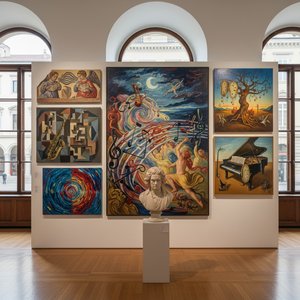
Harmonies on Canvas: Exploring the Visual Representation of Music in Art History
Explore the fascinating history of music's visual representation in art! From ancient symbolism to modern abstraction, discover how artists have captured sound and emotion on canvas. Expert insights & stunning examples.

Paul Cézanne: 25 Remek-dela Revolucionarnog Umjetnika | OriginalUniqueArt
Istražite 25 remek-dela Paula Cézanna, revolucionarnog slikara impresionizma i postimpresionizma. Otkrijte priče iza ikoničnih pejzaža, portreta i mrtve prirode. Kupite luksuzne reprodukcije slika na OriginalUniqueArt.com!

Claude Monet: 25 Remek-dela Impresionizma za Vaš Dom | OriginalUniqueArt
Uronite u svet Claudea Moneta sa 25 remek-dela impresionizma! Otkrijte priče iza poznatih slika, tehnike i inspiraciju. Reprodukcije vrhunskog kvaliteta za luksuzni dekor doma na OriginalUniqueArt.com.

Philip Wilson Steer: Capturing Modern Life & British Impressionism's Essence
Explore the life & art of Philip Wilson Steer, a leading British Impressionist painter. Discover his coastal scenes, influences, and legacy. Expert analysis & high-quality reproductions at OriginalUniqueArt.
