

 Pregledaj u prostoru
 Podeli
 Podeli
 Detalji
 Vodič
Vodič

 Preuzmi sliku
 Slični predmeti
 Rendgenski snimak
 Automatska prezentacija
 Statistika
Design for a wall decoration
 Acrylic On Canvas
- WallArt
- Italian Renaissance Revival
 1540
1540 378.0 x 309.0 cm
 Staatliche Museen zu Berlin
 Pročitaj više
Ručno rađena uljana reprodukcija
Ručno oslikano uljanim bojama na platnu u dimenzijama i okviru po vašem izboru, izrađeno po porudžbini od strane naših umetnika. ( Pređi na prodaju štampanih primeraka Pređi na prodaju digitalnih slika)




P118B дин10

P118H дин10

P118W дин10

P438Z дин10

P508JH дин12

P508YH дин12

P805H дин10

P805Z дин10

P919BZ дин10

P919G дин10

P919XJ дин10

P959ZH дин10

P968JZ дин12

W106C дин8

W218G дин10

W218JH дин8

W218Y дин10

W307PJ дин10

W316G дин10

W316PJ дин8

W316Y дин10

W398PJ дин8

W4111J дин10

W500HY дин15

W500JH дин15

W692G дин12

W849H дин8

W940BG дин15

W953PJ дин8




Izaberite jednu od naših unapred definisanih veličina koje odgovaraju originalnim proporcijama umetničkog dela.

Možete uneti sopstvene dimenzije kako biste prilagodili umetničko delo određenom okviru ili prostoru. Ako odabrana veličina ne odgovara proporcijama originala, slika će biti isečena ili proširena dodatnim elementima koji se ručno oslikavaju. Digitalni prikaz će vam biti poslat na odobrenje pre početka proizvodnje.
Imajte na umu da pregled na ekranu ne odražava stvarno prisecanje ili proširenje. Samo mockup će precizno prikazati konačnu kompoziciju.
Iako su dostupne prilagođene veličine, preporučujemo da izaberete dimenziju iz unapred definisane liste kako biste sačuvali originalne proporcije.
Nakon narudžbine, tim OriginalUniqueArt.com će klijentu putem e-pošte poslati uputstva i dostaviti prikaz predloženog rešenja
Svetska isporuka () za 3/4 nedelje umesto uobičajenih 5 nedelja. (12 октобар). Bez kompromisa po pitanju kvaliteta.

Besplatna ekspresna dostava širom sveta

Visokokvalitetno laneno platno

Sveobuhvatno osiguranje transporta

Garancija povraćaja carine i uvoznih dažbina

Garancija vernosti boja i autentičnosti pri reprodukciji

Politika povraćaja u roku od 100 dana (samo u slučaju nedostataka)

Garancija povrata 100% novca

Popust pri većoj količini
 Opcija sa staklom dostupna je samo za dimenzije manje od 110 cm

Design for a wall decoration
Tehnika izrade reprodukcije
Veličina reprodukcije
-


Ukupna cena
дин 30319
Design for a Wall Decoration by FLÖTNER, Peter
Peter Flötner’s “Design for a Wall Decoration” stands as a testament to the burgeoning Renaissance Revival movement in Northern sculpture during the mid-fifteenth century—a period marked by an urgent desire to recapture the grandeur and humanist ideals of Italy. While overshadowed by luminaries like Albrecht Dürer, Flötner carved out a distinctive niche within German artistic circles, championing a stylistic approach that irrevocably altered decorative arts across Europe.Subject Matter & Composition
The painting depicts a meticulously rendered cave scene populated with figures engaged in contemplative activity. Five individuals are discernible—some standing upright, others seated or reclining—creating an ensemble that speaks to themes of piety and reflection. The cavern itself is portrayed as a natural landscape dominated by flowing water, suggesting both serenity and the transformative power of nature. Two birds grace the upper left corner and lower right side of the canvas, subtly reinforcing notions of aspiration and divine presence. At the center lies a simple cup—a symbol of communion and spiritual nourishment—further emphasizing the artwork’s contemplative core.Stylistic Influences & Technique
Flötner's artistic vision was profoundly shaped by the stylistic innovations emanating from Florence and Rome. He skillfully employed techniques characteristic of Italian Renaissance sculpture, notably precise modeling and drapery folds that imbue the figures with palpable realism. The artist’s meticulous attention to detail—evident in the depiction of textures and contours—demonstrates a mastery of sculptural craftsmanship honed under the tutelage of Adolf Daucher, Flötner's mentor. Furthermore, the muted palette—primarily earthy tones—reflects the prevailing aesthetic sensibilities of the time, aligning with the humanist preoccupation for naturalism and psychological depth.Historical Context & Significance
The painting emerged during a pivotal moment in European intellectual history—the rediscovery of classical texts and artistic precedents fueled by humanist scholarship. Artists like Flötner sought to emulate the monumental grandeur and moral seriousness of Roman sculpture, aiming to elevate German decorative arts beyond mere ornamentation. “Design for a Wall Decoration” exemplifies this ambition, serving as an emblem of the Renaissance Revival’s aspiration to infuse Northern European art with the spirit of Italian artistic excellence—a legacy that continues to inspire contemporary designers and collectors alike.Emotional Impact & Aesthetic Resonance
Ultimately, Flötner's masterpiece transcends mere visual representation; it evokes a profound sense of tranquility and spiritual contemplation. The carefully orchestrated composition invites viewers into a realm of serene beauty, mirroring the humanist conviction that art could cultivate virtue and illuminate the human condition. “Design for a Wall Decoration” remains an enduring symbol of artistic aspiration—a testament to Flötner’s ability to capture not only the visual splendor of his era but also its underlying ethos of intellectual curiosity and moral earnestness.Pitanja i odgovori
Na koji način se tema dela "Design for a wall decoration" odnosi na uobičajene teme umetnika Peter Flötner?
"Design for a wall decoration" prikazuje cave scene, renaissance, sculpture, decorative arts, landscape, bird imagery, fountain design, dok su dokumentovane teme umetnika Peter Flötner su italian renaissance style, patronage, decorative sculpture, landscape harmony, artist innovation. Poređenje ova dva elementa pokazuje kako se ovo delo povezuje sa uobičajenim motivima ovog umetnika.
Kakve boje koristi "Design for a wall decoration"?
Boje dela "Design for a wall decoration" čine Neutrals paletu. Ova klasifikacija opisuje dominantne grupe boja.
Gde se "Design for a wall decoration" nalazi u okviru opusa umetnika Peter Flötner?
U okviru celokupnog stvaralaštva umetnika Peter Flötner, delo "Design for a wall decoration" pripada stilu Italian Renaissance Revival, uz prisustvo tema kao što su italian renaissance style, patronage, decorative sculpture, landscape harmony, artist innovation.
Za šta se predlaže upotreba dela „Design for a wall decoration”, Peter Flötner?
Reprodukcija dela „Design for a wall decoration”, Peter Flötner preporučuje se za Accent. Ovaj predlog proizilazi iz teme, raspoloženja i boja samog dela.
Koliko ljudi posmatra "Design for a wall decoration"?
Statistika za „Design for a wall decoration”, Peter Flötner nalazi se na stranici Statistika ovog umetničkog dela: mesečni broj poseta delu, posete radovima umetnika, kao i pregled nedavnih posetilaca prema zemljama i jezicima.
Mogu li videti „Design for a wall decoration”, Peter Flötner pod različitim svetlima?
X-Ray prikaz dela „Design for a wall decoration”, Peter Flötner nalazi se na stranici Rentgenski snimak ovog umetničkog dela: interaktivno istraživanje slike kroz jedanaest optičkih slojeva.
Koliki je nivo kontrasta kod dela „Design for a wall decoration”, Peter Flötner?
Svetlo-tamni kontrast dela "Design for a wall decoration" zabeležen je kao Statement. Kontrast opisuje koliko se snažno razlikuju svetle i tamne površine.
Na koji način se stil dela "Design for a wall decoration" odnosi na εποhu njegovog tvorca?
U delu „Design for a wall decoration”, Peter Flötner, umetnički pravac Italian Renaissance Revival susreće eru Renaissance.
Biografija umetnika
Peter Flötner: Renaissance Revival in Northern Sculpture
Peter Flötner (Flettner), born around 1485 in Thurgau, Switzerland, stands as a pivotal figure in the artistic landscape of the early sixteenth century – specifically, the burgeoning movement to infuse German sculpture and decorative arts with the grandeur of Italian Renaissance ideals. Often overshadowed by contemporaries like Albrecht Dürer and the Vischer family, Flötner’s contribution was nonetheless substantial: he championed a stylistic shift that fundamentally reshaped artistic expression across Northern Europe.- Early Life & Training: Little is known about Flötner's formative years beyond his birthplace and apprenticeship in Augsburg with Adolf Daucher. Daucher, himself a respected goldsmith, instilled in Flötner a foundational understanding of craftsmanship and metalworking techniques – skills that would prove invaluable throughout his career. Notably, Flötner participated in the intricate goldwork adorning the Fugger Chapel, demonstrating an early aptitude for blending artistic vision with technical mastery.
- Italian Influence & Artistic Transformation: A journey to Italy during the mid-1520s profoundly impacted Flötner’s aesthetic sensibilities. Exposure to Florentine sculpture and architectural design ignited a passion for classical forms and principles, propelling him toward a distinctly Renaissance style. This influence is palpable in his subsequent works, where he consciously adopted techniques and motifs characteristic of the Italian Renaissance masters.
- Nuremberg & Bürgereid: Flötner established himself as a sculptor in Nuremberg in 1522, marking a significant turning point in his artistic trajectory. Taking the “bürgereid,” or citizen oath—a solemn declaration of allegiance to the city’s republican ideals—underscored his commitment to civic engagement and solidified his position within Nuremberg's artistic community.
Notable Sculptures & Artistic Achievements
Flötner’s oeuvre encompasses a remarkable breadth of media, yet two sculptures stand out as emblems of his artistic prowess: the nude figure of Adam in Vienna’s Kunsthistorisches Museum and Apollo firing a bow on Nuremberg's Apollo Fountain. The Adam sculpture, executed around 1530, exemplifies Flötner’s mastery of wood carving—a medium he skillfully employed to convey anatomical precision and spiritual contemplation. Similarly, the Apollo fountain, conceived for the Herrenschiesshaus in Nuremberg and cast by Pankraz Labenwolf, showcases his collaborative spirit and ability to translate architectural designs into tangible artistic creations.- Adam Sculpture: This 34.5 cm limewood depiction of Adam embodies Flötner’s dedication to anatomical accuracy and idealized beauty—traits that align seamlessly with Renaissance sculptural conventions.
- Apollo Fountain: The Apollo fountain represents Flötner's contribution to monumental sculpture, demonstrating his understanding of bronze casting techniques and architectural integration.
Printmaking & Dissemination of Style
Beyond sculpture, Flötner excelled as a printmaker, producing designs for furniture, altarpiece surrounds, ornamental panels, book illustrations, playing cards, and even a decorative alphabet. These prints served not merely as artistic expressions but also as crucial vehicles for disseminating the Italianate Renaissance style across Northern Europe—a trend initiated by Dürer’s groundbreaking prints. Flötner's plaques appeared in various metals, predominantly brass, mirroring the stylistic innovations championed by his influential predecessor.- Printmaking Technique: Flötner skillfully utilized etching and engraving techniques to capture architectural designs and decorative motifs with remarkable fidelity.
- Influence on Artistic Trends: His prints played a pivotal role in shaping artistic tastes and promoting Renaissance ideals throughout Germany and beyond.
Legacy & Historical Significance
Peter Flötner’s legacy resides not only in his individual artworks but also in his broader impact on the artistic landscape of his time. He stands as a testament to the transformative power of cultural exchange—demonstrating how exposure to Italian Renaissance art could inspire innovation and revitalize artistic traditions within Germany. By championing classical forms and techniques, Flötner helped usher in an era of stylistic refinement and architectural grandeur, securing his place as one of the foremost sculptors and printmakers of the sixteenth century.
Peter Flötner
1490 - 1546 , Switzerland
Brzi pregled
- Full Name: Peter Flötner
- Nationality: German
- Date Of Birth: 1490
- Date Of Death: 1546
- Place Of Birth: Thurgau, Switzerland
- Notable Artworks:
- Venus
- St. Peter and St Paul
- Wittenberg Reliquary Book
- Artistic Movement Or Style: Italianate Renaissance Design
- Artists Who Influenced This Artist: ['Adolf Daucher']
- Artists Or Movements Influenced By This Artist: ['Albrecht Dürer']
Srodni članci
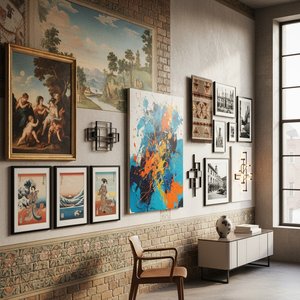
Transforming Spaces: A Comprehensive Exploration of Wall Decor Through Art History & Contemporary Practice
Explore the art of transforming spaces with our comprehensive guide to wall decor. From historical movements to contemporary trends, discover how to curate impactful interiors and commission bespoke artwork for a truly personalized aesthetic.

Bronze Sculptures That Defined Art History | OriginalUniqueArt
Journey through art history with our Top 10 bronze sculptures! Explore masterpieces by Rodin, Michelangelo & more. Discover stories behind iconic statues and find museum-quality reproductions for your home decor at OriginalUniqueArt.com.

Bronze Age to Modern Masters: 10 Sculptures That Redefined Art | OriginalUniqueArt
Journey through art history with 10 legendary bronze sculptures – from Michelangelo's David to Rodin’s Thinker. Explore the stories, techniques & timeless beauty of these masterpieces. Find museum-quality reproductions & elevate your home decor on OriginalUniqueArt.com.

The Enduring Form: Sculpture Across History, Technique & Emotional Resonance
Explore the rich history of sculpture with OriginalUniqueArt. Discover key techniques, influential artists & investment potential for discerning collectors. Expert insights into valuing and collecting timeless masterpieces.

The Enduring Form: Exploring Themes & Techniques in Sculpture Across Historical Periods
Explore the rich history of sculpture from ancient masterpieces to contemporary innovations. Discover key techniques, influential artists & investment potential for discerning art collectors.