Meni
BESPLATNE KONSULTACIJE SA STRUČNJAKOM ZA UMETNOST
Kupi štampu Kupi štampuKupi digitalnu sliku Kupi digitalnu sliku PošaljiPošalji
Detalji o deluDetalji o delu Dodaj u omiljene Dodaj u omiljene ПреузмиПреузми Slični predmetiSlični predmeti Rendgenski snimakRendgenski snimak SlajdoviSlajdovi

Entry into Jerusalem

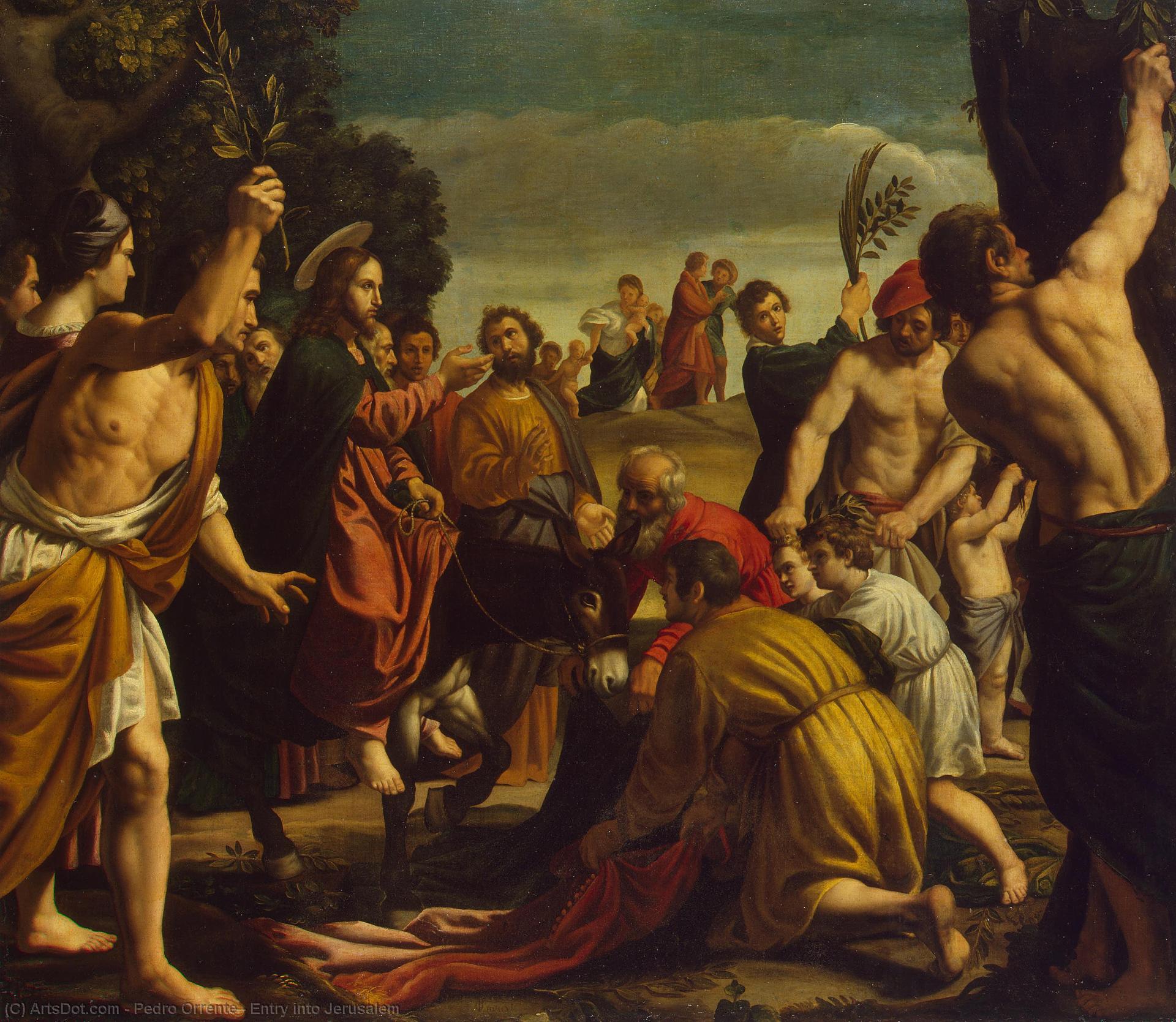
Pedro Orrente’s ‘Entry into Jerusalem’ (1620) captures a pivotal biblical scene with remarkable realism and devotional intensity. Witness the reverence surrounding Christ's arrival – a Baroque masterpiece.

Explore the Baroque paintings of Pedro Orrente, a Spanish artist known for animal & landscape scenes, historical works, & his influence on Valencian art.

Ručno rađena uljana reprodukcija

Ručno oslikano uljanim bojama na platnu u dimenzijama i okviru po vašem izboru, izrađeno po porudžbini od strane naših umetnika.

P118B $10
P118H $10
P118W $10
P438Z $10
P508JH $12
P508YH $12
P805H $10
P805Z $10
P919BZ $10
P919G $10
P919XJ $10
P959ZH $10
P968JZ $12
W106C $8
W218G $10
W218JH $8
W218Y $10
W307PJ $10
W316G $10
W316PJ $8
W316Y $10
W398PJ $8
W4111J $10
W500HY $15
W500JH $15
W692G $12
W849H $8
W940BG $15
W953PJ $8

Standard
custom
CM
INCH

Izaberite jednu od naših unapred definisanih veličina koje odgovaraju originalnim proporcijama umetničkog dela.

širina
visina

Можете унети сопствене димензије како бисте прилагодили дело одређеном оквиру или простору. Ако одабрана величина не одговара пропорцијама оригинала, слика ће бити исечена или проширена додатним елементима који се ручно насликавају. Дигитални prikaz ће вам бити послат на одобрење пре почетка производње.
Имајте на уму да преглед на екрану не одражава стварно исецање или проширење. Само приказ (mockup) ће тачно приказати коначну композицију.
Иако су доступне прилагођене величине, препоручујемо да одаберете димензију из дефинисане листе како бисте сачували оригиналне пропорције.

Primeri onoga što se može promeniti: Zamena lica fotografijom kupca; Dodavanje ljubimca (npr. zamena mačke psom); Uključivanje skrivene poruke u pozadini; Promena pejzaža ili elemenata pozadine.
Nakon narudžbine, tim OriginalUniqueArt.com će klijentu putem e-pošte poslati uputstva i dostaviti prikaz predloženog rešenja

Isporuka širom sveta () za 3/4 nedelje umesto uobičajenih 5 nedelja. (20 јул). Bez kompromisa po pitanju kvaliteta.

why_choose_icon
Besplatna ekspresna dostava širom sveta
why_choose_icon
Visokokvalitetno laneno platno
why_choose_icon
Kompletno osiguranje transporta
why_choose_icon
Garancija povraćaja carine i uvoznih dažbina
why_choose_icon
Garancija vernosti boja
why_choose_icon
Politika povrata u roku od 60 dana (samo u slučaju nedostataka)
why_choose_icon
Garancija povrata novca od 100%
why_choose_icon
Popust pri grupnoj kupovini

Ukupna cena

-

reproduction

Entry into Jerusalem

Tehnika reprodukcije

Dimenzije reprodukcije

-

Konačna cena

-

Osnovne informacije

  • Title: Entry into Jerusalem
  • Subject or theme: Christ's Entry
  • Influences: Spanish Baroque
  • Notable elements: Cross, birds, crowd
  • Dimensions: 112 x 127 cm
  • Medium: Oil on canvas
  • Location: Hermitage, St. Petersburg

Kviz o umetnosti

Svako pitanje ima samo jedan tačan odgovor.

Pitanje 1:
What is the primary subject depicted in Pedro Orrente’s ‘Entry into Jerusalem’?
Pitanje 2:
According to the description, what prominent element is visible in the center of the painting?
Pitanje 3:
In what year was ‘Entry into Jerusalem’ painted?
Pitanje 4:
Pedro Orrente is considered significant for his work because he:
Pitanje 5:
The image description mentions two birds visible in the sky. What do these likely symbolize?

Opis umetničkog dela

The Grand Entrance: Pedro Orrente’s “Entry into Jerusalem”

Pedro Orrente's "Entry into Jerusalem," painted around 1620, isn’t merely a depiction of a biblical event; it’s a carefully constructed tableau brimming with religious fervor and the nascent naturalism that would define his artistic legacy. This oil-on-panel work, now meticulously reproduced for OriginalUniqueArt.com, transports us to a pivotal moment – the arrival of Jesus in Jerusalem – rendered not as a distant theological abstraction but as a vibrant, deeply human scene. Measuring 112 x 127 cm, the painting commands attention with its rich palette and dynamic composition, immediately drawing the viewer into the heart of the event.

Orrente, a pivotal figure bridging the Baroque and Naturalism movements in Spanish art, was a master of capturing emotional intensity within a structured framework. Unlike some of his contemporaries who favored flamboyant theatricality, Orrente prioritized realism alongside dramatic elements – a deliberate choice that positioned him as one of Spain’s first artists to truly value accurate representation. The painting's power lies not just in its subject matter but in the artist’s ability to imbue it with palpable emotion and a sense of profound reverence.

A Composition Steeped in Symbolism

The scene unfolds with remarkable clarity, guiding our eye through a carefully orchestrated arrangement. At the center stands Jesus on a humble donkey, flanked by his disciples – a deliberate contrast to the triumphal imagery often associated with such events. The man holding the cross is not merely a prop; he represents sacrifice and suffering, anchoring the narrative in its core theological meaning. Notice the diverse crowd surrounding Jesus: some kneel in adoration, others stand in respectful awe, while still others are further back, suggesting a vastness of faith and devotion.

Beyond the figures themselves, subtle details contribute to the painting’s symbolic weight. The two birds soaring above – a detail often overlooked – represent hope and divine guidance, adding an element of serenity to the otherwise charged atmosphere. The use of light is particularly noteworthy; it illuminates Jesus and the central figures, drawing attention to their importance while casting a softer glow on the surrounding crowd, suggesting that faith extends beyond individual devotion.

Baroque Techniques & Valencian Roots

Orrente’s style reflects the influence of the Spanish Baroque, characterized by dramatic lighting, rich colors, and dynamic compositions. He skillfully employs *sfumato*, a technique borrowed from Italian masters, to create soft transitions between forms and volumes, lending a sense of depth and realism to the figures. The brushwork is visible yet controlled, contributing to the painting’s textured surface and conveying a feeling of immediacy. Born in Murcia and later residing in Valencia, Orrente's work demonstrates a strong connection to the Valencian artistic tradition, known for its vibrant colors and emotional intensity.

The meticulous detail evident in the rendering of clothing, facial expressions, and architectural elements speaks to Orrente’s dedication to his craft. Furthermore, the painting’s composition—a carefully balanced arrangement of figures and space—demonstrates a sophisticated understanding of perspective and spatial relationships. The reproduction offered by OriginalUniqueArt.com faithfully captures these nuances, allowing viewers to appreciate the full beauty and complexity of this remarkable work.

Bringing “Entry into Jerusalem” Home

OriginalUniqueArt.com’s hand-painted reproductions offer a unique opportunity to own a piece of art history. Each reproduction is created by skilled artists using traditional oil painting techniques, replicating the textures, brushstrokes, and luminous quality of Orrente's original masterpiece. Unlike mass-produced prints, our reproductions are true works of art, imbued with the same emotional resonance as the original. Whether you’re a seasoned collector or simply seeking to add a touch of timeless beauty to your home, “Entry into Jerusalem” is a compelling choice – a testament to Orrente's artistic vision and a powerful reminder of faith, hope, and devotion.


Biografija umetnika

Pedro Orrente: Bridging the Baroque and Naturalism in Spanish Painting

Pedro de Orrente, born in Murcia in 1580 and tragically dying in Valencia in 1645, stands as a pivotal figure in the transition of Spanish painting during the late 16th and early 17th centuries. Often overshadowed by his more flamboyant contemporaries like El Greco, Orrente’s legacy lies in his pioneering embrace of naturalism within the framework of the Baroque style – a daring move that positioned him as one of the first artists in Spain to prioritize realistic representation alongside dramatic composition and emotional intensity. His journey, marked by constant relocation across Spain and brief sojourns in Italy, reflects not only the artistic currents of his time but also the personal circumstances that shaped his distinctive vision. Orrente’s early life remains somewhat shrouded in mystery, though it's believed he received his initial training from Juan de Arizmendi, a local Murcia painter. By 1600, he was already demonstrating considerable skill in Toledo, undertaking an altarpiece commission for the village of Guadarrama. This period witnessed a formative encounter with El Greco’s son, Jorge Manuel Theotocópuli, who became a close friend and likely influenced Orrente's artistic sensibilities. The influence of the Bassano family – particularly Jacopo Bassano – is undeniable; Orrente spent considerable time in Venice between 1602 and 1605, immersing himself in their innovative approach to religious painting. He adopted their penchant for depicting biblical scenes as dynamic genre paintings, populated with numerous figures arranged within richly detailed landscapes—a departure from the more formal, idealized representations prevalent at the time. This Venetian influence is evident in works like “Saint Leocadia” (Toledo Cathedral) and "Martyrdom of Saint James the Younger" (Museo de Bellas Artes de Valencia San Pío V), where figures move with a captivating grace through expansive, meticulously rendered settings. Orrente’s career unfolded across several key Spanish cities – Murcia, Toledo, Cuenca, Valencia, Madrid, and Seville. Each location contributed to his artistic development, exposing him to diverse styles and patrons. In Valencia, he became the chief decorator for the Cathedral, undertaking monumental works such as the “Martyrdom of Saint Sebastian.” His time in Madrid involved supplying paintings to the Royal Collections and the Buen Retiro Palace, demonstrating a keen awareness of courtly tastes and a willingness to adapt his style to meet specific demands. His association with Francisco Pacheco, another prominent painter in Seville, further broadened his artistic horizons. This itinerant lifestyle, while demanding, allowed Orrente to synthesize influences from various schools and develop a uniquely personal approach to painting. Orrente’s oeuvre is remarkably diverse, encompassing history paintings, religious scenes, animal studies, and landscapes—each infused with a palpable sense of realism. His “Sacrifice of Isaac” (part of the Museo del Prado's collection) exemplifies his ability to capture human emotion and dramatic action within a meticulously constructed composition. His depictions of animals are particularly noteworthy, showcasing an intimate understanding of their anatomy and behavior – a testament to his keen observational skills. The integration of detailed landscapes into his narratives further emphasizes this commitment to naturalism, creating immersive scenes that transport the viewer into the heart of the depicted events. Notably, he was one of the first Spanish painters to embrace Caravaggesque techniques, incorporating dramatic lighting and tenebrism into his work, as evidenced in pieces like “Saint John the Evangelist in Patmos.” Despite his considerable success during his lifetime, Orrente’s artistic legacy wasn't fully recognized until relatively recently. His workshop produced a significant number of works, some attributed to him and others created by assistants, making it challenging to definitively assess the scope of his individual contribution. However, his pioneering embrace of naturalism, combined with his masterful command of composition and dramatic lighting, firmly establishes Pedro Orrente as a crucial link between the late Renaissance and the Baroque periods in Spanish art—a testament to an artist who dared to break from tradition and forge his own distinctive path.
Pedro Orrente

Pedro Orrente

1580 - 1645 , Spain

Osnovne informacije

  • Artistic Movement Or Style: Baroque
  • Artists Or Movements Influenced By This Artist:
    • Esteban March
    • Valencian art
  • Artists Who Influenced This Artist: ['El Greco']
  • Date Of Birth: April 1580
  • Date Of Death: January 1645
  • Full Name: Pedro de Orrente
  • Nationality: Spanish
  • Notable Artworks:
    • The Sacrifice of Isaac
    • El bateig de Crist
    • Saint Leocadia
  • Place Of Birth: Murcia, Spain






































