

 Pregledaj u prostoru
 Podeli
 Podeli
 Detalji
 Vodič
Vodič

 Preuzmi sliku
 Slični predmeti
 Rendgenski snimak
 Automatska prezentacija
 Statistika
VUE DE MOSS


 Pročitaj više
Giclee štampa / Umetnički otisak
Giclée štampa ili print na platnu muzejskog kvaliteta uz brzu izradu i raznovrsne opcije završne obrade. ( Naručite ručno oslikano reprodukciju Pređi na prodaju digitalnih slika)




P118B дин10

P118H дин10

P118W дин10

P438Z дин10

P508JH дин12

P508YH дин12

P805H дин10

P805Z дин10

P919BZ дин10

P919G дин10

P919XJ дин10

P959ZH дин10

P968JZ дин12

W106C дин8

W218G дин10

W218JH дин8

W218Y дин10

W307PJ дин10

W316G дин10

W316PJ дин8

W316Y дин10

W398PJ дин8

W4111J дин10

W500HY дин15

W500JH дин15

W692G дин12

W849H дин8

W940BG дин15

W953PJ дин8




Izaberite jednu od naših unapred definisanih veličina koje odgovaraju originalnim proporcijama umetničkog dela.

Unesite širinu i visinu koja vam je potrebna, kako bi se uklopili u vaš ram ili na vaš zid. Štampa se može samo iseći, nikada ne može biti veća od originalne slike, stoga format sa drugačijim proporcijama gubi deo slike. Poslaćemo vam digitalni prikaz radi potvrde pre nego što započnemo štampu. Slika prikazana na ovoj stranici ne pokazuje stvarni rez — to pokazuje samo digitalni prikaz.
Dostava širom sveta () za 2 nedelje umesto uobičajenih 4/5 nedelja. (23 октобар)

Besplatna ekspresna dostava širom sveta

Visokokvalitetno laneno platno

Sveobuhvatno osiguranje transporta

Garancija povraćaja carine i uvoznih dažbina

Garancija vernosti boja i autentičnosti pri reprodukciji

Politika povraćaja u roku od 100 dana (samo u slučaju nedostataka)

Garancija povrata 100% novca

Popust pri većoj količini
 Opcija sa staklom dostupna je samo za dimenzije manje od 110 cm

VUE DE MOSS
Giclee štampa / Umetnički otisak
Veličina reprodukcije
-


Ukupna cena
дин 8263
Peder Balke’s “Vue de Moss”: A Norwegian Soulscape
Peder Balke’s “Vue de Moss,” painted in 1872, isn't merely a depiction of a coastal town; it’s a profound immersion into the heart of Norway – its rugged beauty, its melancholic spirit, and the enduring connection between humanity and the natural world. Born on the remote island of Helgøya in 1804, Balke’s life was inextricably linked to the dramatic landscapes of his homeland, shaping an artistic vision that would become both intensely personal and profoundly influential within the Romantic movement. This particular painting, now housed at the Louvre, offers a captivating glimpse into a world where light, atmosphere, and emotion reign supreme, revealing a masterclass in capturing the essence of Norwegian identity.
The scene unfolds along the harbor of Moss, a bustling port city nestled against the backdrop of the Oslofjord. A prominent sailboat dominates the left foreground, its white sails billowing against a sky pregnant with clouds – a visual anchor that draws the eye into the expansive vista. In the distance, the coastline recedes into a hazy blue, punctuated by the subtle outlines of buildings and the suggestion of rolling hills. Balke eschews meticulous detail in favor of capturing the *feeling* of the scene; the dampness of the air, the vastness of the sea, and the quiet contemplation evoked by the landscape. The composition is deliberately horizontal, emphasizing the scale of nature and inviting the viewer to lose themselves within its embrace.
A Symphony of Color and Light
Balke’s palette is remarkably restrained, dominated by muted blues, grays, browns, and subtle hints of ochre and white. These colors aren't applied with precision but rather blended in loose, gestural strokes – a hallmark of his distinctive technique. The sky, rendered in layers of gray and blue, seems to shift and change with the light, creating an atmospheric depth that is both captivating and slightly unsettling. Notice how he uses darker tones to define the water’s surface, suggesting movement and turbulence beneath the calm exterior. The subtle variations in color create a sense of realism while simultaneously imbuing the scene with a dreamlike quality.
Light plays an absolutely crucial role in “Vue de Moss.” It's not harsh or dramatic but rather diffused and atmospheric – a characteristic that Balke perfected through years of observing the fleeting effects of sunlight on the Norwegian coastline. The light seems to emanate from within the landscape itself, bathing everything in a soft, ethereal glow. This masterful use of light contributes significantly to the painting’s overall mood of tranquility and introspection. The artist skillfully employs atmospheric perspective – objects in the distance appear paler and less distinct, reinforcing the sense of depth and vastness.
Romanticism Rooted in Norwegian Identity
“Vue de Moss” is firmly rooted within the Romantic movement, a period characterized by an emphasis on emotion, imagination, and the sublime power of nature. However, Balke’s work transcends mere imitation; he infuses it with a uniquely Norwegian sensibility. His paintings weren't simply landscapes; they were expressions of national identity, celebrating the rugged beauty and untamed spirit of his homeland. The painting reflects the Romantic fascination with the wild, the solitary, and the spiritual connection between humanity and nature – themes that resonated deeply within Norway’s cultural landscape.
Beyond its aesthetic qualities, “Vue de Moss” carries a subtle undercurrent of melancholy. The overcast sky, the muted colors, and the sense of isolation evoke a feeling of quiet contemplation—a recognition of the beauty and fragility of the natural world. The sailboat, adrift on the horizon, could be interpreted as a symbol of human ambition or perhaps simply a reminder of our smallness in the face of nature’s grandeur. Balke's work invites viewers to pause, reflect, and connect with their own sense of place within the larger context of the natural world.
A Legacy of Vision
Peder Balke remains one of Norway’s most celebrated Romantic painters, his works continuing to captivate audiences today. “Vue de Moss” stands as a testament to his extraordinary talent and his profound understanding of the Norwegian landscape. Whether viewed in person or reproduced, this painting offers a powerful reminder of the enduring beauty and emotional resonance of nature – a timeless masterpiece that speaks to the soul.
Pitanja i odgovori
Koliko je poznato delo "VUE DE MOSS" autora Peder Balke?
"VUE DE MOSS" je klasifikovan kao Recognized.
O čemu je delo "VUE DE MOSS"?
Teme prisutne u delu „VUE DE MOSS”, Peder Balke obuhvataju landscape, coastline, sailboat, norway, sky, atmosphere, romanticism. Zajedno one sažimaju suštinu ovog umetničkog dela.
Kako "VUE DE MOSS" balansira svetlo i tamno?
„VUE DE MOSS“ ima ukupnu osvetljenost od bright, dok je luminansa Gentle Luminance.
Biografija umetnika
Norveški romantičarski vizionar: Život i umetnost Pedera Balkea
Peder Andersen Balke, rođen 1804. godine na skromnom ostrvu Helgøya u Norveškoj, pojavio se kao izrazito originalan glas unutar pejzažne tradicije 19. veka. Njegova životna priča je priča o odlučnom umetničkom težnji usred okruženja ispunjenog seoskim nedaćama i društvenim ograničenjima. Odrastanje usred surove lepote norveškog polja i šuma u njemu je usadilo duboku povezanost sa prirodom koja će postati presudna karakteristika njegovog dela. Iako je rođen u seljačkoj porodici, Balkeov urođeni talenat prepoznala je njegova zajednica, koja je udružila sredstva kako bi podržala njegovo umetničko obrazovanje – što je svedočanstvo o vrednosti koja se pridavala kreativnosti čak i u najskromnijim uslovima. Ovo rano ohrabrenje pokrenulo ga je ka formalnom školovanju, prvo kod Hajnhriha Avgusta Groša i Jakoba Munča, a zatim ga je odveo dalje, na studije u Kraljevsku švedsku akademiju lepih umetnosti u Stokholmu pod vođstvom Karl Johana Falcranca, nakon čega je svoje veštine usavršavao uz Johana Kristijana Dahla.
Oblikovanje jedinstvenog stila
Balkeov umetnički razvoj obeležila je nemirna istraživanja tehnike i ekspresije. Nije mu bilo dovoljno samo da reprodukuje vizuelni svet; umesto toga, težio je da uhvati njegov emocionalni suštinu, njegov uzvišeni moć. Njegova dela su odmah prepoznatljiva po dramatičnom osvetljenju, često prikazujući scene obavijene eteričnim sjajem ili utopljene u atmosfersku tamu. Ova opsesija svetlom—naročito prolaznim efektima mesečine i sumraka—postala je zaštitni znak njegovog stila. Razvio je specifičan način rada četkicom, karakterisan teksturiranim potezima i nekonvencionalnom upotrebom boje, stvarajući sanjivo stanje koje njegova dela izdvaja od konvencionalnijih romantičarskih pejzaža. Čini se kao da nije slikao samo ono što je video, već ono što je osećao u prisustvu prirode.
Pejzaži Norveške: Nacionalni identitet na platnu
Balke je najpoznatiji po svojim upečatljivim prikazima norveškog pejzaža, teme kojoj se neprestano vraćao tokom čitave karijere. Dela poput Vue de Christiania (današnji Oslo), naslikanog 1872. godine, nude fascinantan uvid u urbani život norveške prestonice, ali čak i ovde prirodni svet dominira, uokvirujući gradski pejzaž i podsećajući posmatrače na njegovu vezu sa okolnom divljinom. Luka u Skjervøyu (1846) prikazuje njegovu pedantnu pažnju posvećenu detaljima, uz sposobnost da uhvati živahnu energiju obalne luke. Stara stabla (1840), sa svojim surovim zimskim prizorom i snažnim osvetljenjem, predstavlja vrhunac njegove majstorije u stvaranju raspoloženja i atmosfere. Morski pejzaž (1845) i Severni vrh pod mesečinom (1848) dodatno potvrđuju njegovu sposobnost da prenese grubost, lepotu i neukrotivog duha norveške obale i severnih krajeva. Ovo nisu bili samo slikoviti prizori; to su bila svedočanstva o nacionalnom identitetu i proslava jedinstvenog prirodnog nasleđa Norveške.
Izvan platna: Društvena savest
Peder Balke je bio mnogo više od običnog umetnika; bio je posvećeni društveni reformator koji se aktivno angažovao u rešavanju gorućih pitanja svog vremena. Verovao je u korišćenje svojih resursa i uticaja kako bi unapredio živote drugih, najpre kroz projekat Balkeby – novo predgrađe Osla osmišljeno da obezbedi dostojne uslove života radničkoj klasi. Odeljivao je pozajmice i sprovodio stroge građevinske propise, pokazujući praktičnu posvećenšću socijalnoj pravdi. Štaviše, Balke je neumorno zastupao finansijsku podršku umetnicima, boreći se za grantove i penzije kako za muškarce, tako i za žene, prepoznajući vitalnu ulogu koju kreativnost igra u društvu. Ova posvećenost društvenim ciljevima otkriva saosećajnu i progresivnu ličnost koja je umetnost videla kao neraskidivo povezanu sa ljudskim blagostanjem.
Ponovno otkriće i nasleđe
Uprkos svom značajnom doprinosu, Balkeova dela su decenijama nakon njegove smrti 1887. godine bila uglavnom zapostavljena. Tek krajem 20. i početkom 21. veka počelo je da se javlja obnovljeni obrasac apreciacije njegovog jedinstvenog vizionarskog duha. Velike izložbe u prestižnim institucijama, kao što su Nacionalna galerija u Londonu (2014–2015) i Metropoliten muzej u Njujorku (2017), približile su njegove slike široj publici, izazivajući kritičko priznanje i naučni interes. Danas je Peder Balke priznat kao ključna figura u istoriji norveške umetnosti, umetnik čiji dramatični pejzaži i emocionalna dubina nastavljaju da odjekuju u srcima posmatrača. Njegov uticaj se može videti u radu kasnijih nordijskih umetnika, učvršćujući njegovo mesto istinskog vizionara koji je dušu Norveške uspeo da zarobiti na platnu.
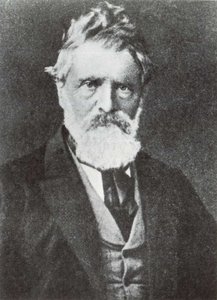
Peder Balke
1804 - 1887 , Norveška
Brzi pregled
- Artistic Movement Or Style: Romantičarski pejzaž
- Artists Or Movements Influenced By This Artist:
- Nordijska umetnost
- Romantizam
- Artists Who Influenced This Artist:
- Heinrich Grosch
- Jacob Munch
- Carl Fahlcrantz
- Johan Dahl
- Date Of Birth: 1804
- Date Of Death: 1887
- Full Name: Peder Balke
- Nationality: Norveški
- Notable Artworks:
- Vue de Christiania
- Luka u Skjervøyu
- Staro drveće
- Morski pejzaž
- Fredrikshald
- Severni vrh pod mesečinom
- Place Of Birth: Hegøy, Norveška
Srodni članci

Glavna dela koja su definisala Romantični pejzaž: 10 remek-dela za vaš dom
Otkrijte 10 remek-dela romantičnog pejzažnog slikarstva! Uronite u svet Claude Lorraina, Caspara David Friedricha i Turnera. Ispričane priče umetnosti, inspiracija za dekoraciju doma. Kvalitetne reprodukcije na OriginalUniqueArt.com – istražite celu kolekciju online!
Capturing Stillness: A Curated Exploration of the Most Iconic Lake Landscapes in Art History
Journey through art history's most serene lake landscapes. From Romantic vistas to light-drenched Impressionist waters, discover the stories behind these iconic masterpieces and find museum-quality, hand-painted oil reproductions for your private collection.

Johan Christian Dahl: Pioneering Norwegian Romantic Landscape Painting
Explore the life & art of Johan Christian Dahl, Norway's first great Romantic painter. Discover his iconic landscapes, cultural impact, and lasting legacy with OriginalUniqueArt.

25 Remek-dela Džona Konstebla: Lepota Engleske na Platnu | OriginalUniqueArt
Uronite u svet Džona Konstebla! Otkrijte 25 remek-dela engleskog pejzaža, romantizma i seoske idile. Kupite reprodukcije slika vrhunskog kvaliteta za dekoraciju enterijera na OriginalUniqueArt.com.

Evocations of Place: A Historical Journey Through Landscape Art
Explore the rich history of landscape art with OriginalUniqueArt. Discover renowned artists, movements like Impressionism & Romanticism, and expert guidance for collecting timeless pieces. Find your perfect serene escape today!
