
 Pregledaj u prostoru
 Pošalji
 Podeli
 Detalji o delu
 Vodič
Vodič

 Preuzmi
 Slični predmeti
 Rendgenski snimak
 Automatska prezentacija
 Pitanja i odgovori
 Statistika
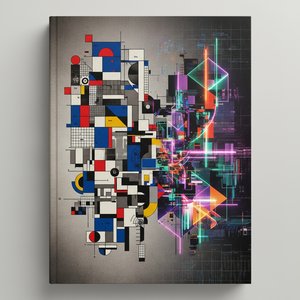
Untitled

- 35.0 x 23.0 cm

 Pročitaj više
Umetničko delo prikazano na ovoj stranici zaštićeno je autorskim pravima, što znači da zakonski nismo u mogućnosti da kreiramo niti prodajemo identičnu reprodukciju. Ova zaštita se sprovodi u skladu sa međunarodnim sporazumima kao što su Bernska konvencija i nacionalnim zakonima, uključujući i one koji su definisani u Američki zakon o autorskom pravu – Naslov 17.
Ovaj metod je u potpunosti usklađen sa regulativama o autorskim pravima jer ne podrazumeva kopiranje ili dupliranje zaštićenih umetničkih dela. Umesto toga, reč je o kreativnoj reinterpretaciji – novom slikarskom delu koje je inspirisano originalom, ali nije identično njemu.
Giclee štampa / Umetnički otisak
Giclée štampa ili print na platnu muzejskog kvaliteta uz brzu izradu i raznovrsne opcije završne obrade. ( Kupite ručno oslikano delo Pređi na digitalnu sliku)




































Izaberite jednu od naših unapred definisanih veličina koje odgovaraju originalnim proporcijama umetničkog dela.

Unesite željenu širinu i visinu kako bi se štampa uklopila u vaš ram ili zid. Štampu je moguće samo iseći, ali nikada povećati iznad dimenzija originalne slike, stoga format sa drugačijim proporcijama uzrokuje gubitak dela slike. Pre početka štampe, poslaćemo vam digitalni prikaz radi potvrde. Slika prikazana na ovoj stranici ne predstavlja stvarni isrez — to pokazuje samo digitalni prikaz.
Dostava širom sveta () za 2 nedelje umesto uobičajenih 4/5 nedelja. (10 новембар)

Besplatna ekspresna dostava širom sveta

Visokokvalitetno laneno platno

Potpuno osiguranje transporta

Garancija povraćaja carine i uvoznih dažbina

Garancija vernosti boja

Politika povraćaja u roku od 100 dana (samo u slučaju nedostataka)

Garancija povrata 100% novca

Popust na više proizvoda
 Opcija sa staklom dostupna je samo za dimenzije manje od 110 cm

Untitled
Giclee štampa / Umetnički otisak
Dimenzije reprodukcije
-


Ukupna cena
дин 8485
Biografija umetnika
A Pioneer of American Abstraction: The Life and Art of Paul Kelpe
Paul Kelpe, born in Minden, Germany in 1902, emerged as a pivotal figure in the development of abstract art within the United States. His journey, spanning both continents and artistic movements, was marked by an unwavering commitment to geometric abstraction and innovative experimentation. Initially drawn to music, Kelpe’s path dramatically shifted after encountering the burgeoning world of abstract painting, igniting a passion that would define his life's work. He embarked on formal training at the Academy of Arts in Hanover, immersing himself in art history and architecture while simultaneously absorbing the revolutionary ideas circulating within the European avant-garde. This period proved formative, as Kelpe came under the influence of luminaries like Wassily Kandinsky and László Moholy-Nagy, and encountered the groundbreaking work of artists such as Kurt Schwitters, Naum Gabo, and El Lissitzky. The tenets of Suprematism and Constructivism resonated deeply with him, shaping his aesthetic sensibilities and providing a foundation for his future explorations. While acknowledging Schwitters’ impact, Kelpe deliberately diverged from what he perceived as the German artist's chaotic style, opting instead for meticulous precision and rigorously defined geometric forms. He envisioned his paintings not as representations of nature, but as carefully orchestrated “organizations of forms,” devoid of superfluous brushwork and imbued with a sense of structural clarity.From Found Objects to Geometric Constructions
Kelpe’s early artistic endeavors were characterized by a daring willingness to challenge conventional boundaries. Dissatisfied with traditional painting techniques, he pioneered the integration of found objects into his compositions, creating groundbreaking “combine” paintings that predated similar explorations by American artists. These works, born from a playful yet intellectually rigorous approach, seamlessly blended two- and three-dimensional elements, blurring the lines between painting and sculpture. This innovative technique showcased Kelpe’s keen formal understanding and inventive spirit. However, he soon transitioned away from literal assemblage, instead choosing to depict mechanical components—wheels, gears, and other industrial motifs—within his abstract compositions. These paintings celebrated a harmonious relationship between humanity and technology, reflecting the optimism of the machine age while maintaining a distinctly geometric aesthetic. In 1925, seeking artistic freedom and new opportunities, Kelpe immigrated to the United States, initially settling in New Jersey and then moving on to New York City.Navigating Realism and Abstraction: The WPA Years
The early 1930s found Kelpe in Chicago, a city where the art scene remained largely anchored in realism. Despite this prevailing artistic climate, he resolutely pursued his abstract vision, becoming something of an anomaly within the local community. He secured employment as a muralist with the Works Progress Administration (WPA), but faced challenges reconciling his aesthetic principles with the program’s emphasis on representational imagery. Forced to incorporate recognizable elements into his designs, Kelpe cleverly infused them with his signature geometric sensibility, depicting factories and industrial landscapes as “Bauhaus-inspired arrangements of geometric machinery.” Even these concessions were met with criticism from those who deemed his work too abstract, highlighting the resistance towards non-representational art during that era. Nevertheless, he persevered, creating murals for the Chicago branch of the Public Works of Art Project and later a representational American Scene mural for Southern Illinois University Library, depicting the region’s industrial, agricultural, and commercial history. These projects demonstrated his versatility while subtly asserting his unique artistic voice.The Williamsburg Murals and Lasting Legacy
In 1936, Kelpe relocated to New York City, a move that proved pivotal in his career. He was selected by Burgoyne Diller for the WPA’s mural program at the Williamsburg Housing Project in Brooklyn, alongside artists such as Ilya Bolotowsky and Albert Swinden. This commission provided him with an unprecedented opportunity to create large-scale abstract murals—the first of their kind in the United States. Kelpe's two contributions to the project are distinguished by their intricate geometric compositions, vibrant color juxtapositions, and unique surface textures. His masterful use of triangles, rectangles, trapezoids, and circles, arranged in striped, gridded, or bubbled patterns, created a dynamic interplay of form and color that captivated viewers. A critic for New York magazine lauded his work as “masterly,” praising its subtle balance of oranges and greens and its evocation of “jazz-age exuberance.” These murals, now on loan to the Brooklyn Museum, stand as enduring testaments to Kelpe’s artistic vision and his pioneering role in establishing abstract art within the American landscape. Paul Kelpe continued to paint, teach, and exhibit throughout his life, leaving behind a rich body of work that continues to inspire and challenge audiences today. He died in 1985, but his legacy as a true innovator remains firmly cemented in the history of American abstraction. His unwavering dedication to geometric form, combined with his willingness to experiment and push boundaries, paved the way for future generations of abstract artists.
Paul Kelpe
1902 - 1985 , Germany
Osnovne informacije
- Full Name: Paul Kelpe
- Nationality: German-American
- Date Of Birth: 1902
- Date Of Death: 1985
- Place Of Birth: Minden, Germany
- Notable Artworks:
- Williamsburg Murals
- Untitled
- Artistic Movement Or Style: Abstract Art, Constructivism
- Artists Who Influenced This Artist:
- Kandinsky
- Moholy-Nagy
- Schwitters
- Artists Or Movements Influenced By This Artist: ['American Abstract Art']
Povezani članci
Beyond Form & Color: Geometric Abstraction's Evolution in 20th/21st Century Art
Explore the evolution of geometric abstraction from Cubism to contemporary art. Discover key artists like Malevich & Mondrian, investment insights, and expert collecting advice at OriginalUniqueArt.

Watercolor Wonders: 10 Masterpieces That Redefined Art History | OriginalUniqueArt
Journey through 10 legendary watercolor masterpieces by Sargent, Turner & Homer! Explore iconic landscapes, portraits & floral art that redefined history. Find museum-quality reproductions and curated decor ideas at OriginalUniqueArt.com.

Top 10 dela geometrijske apstrakcije koje morate videti | OriginalUniqueArt.com
Istražite 10 remek-dela geometrijske apstrakcije – Mondrian, Malevič i Kandinski. Otkrijte priče iza ovih ikoničnih slika i pronađite inspiraciju za dekoraciju enterijera sa OriginalUniqueArt.com! Reprodukcije vrhunskog kvaliteta.

Abstraktni Ekspresionizam: 10 Remek Dela Koja Su Definisala Pokret
Otkrijte 10 remek dela koja su definisala apstraktni ekspresionizam! Istražite dela Pola Krausa, Džejson Poloka i drugih. Saznajte priče iza umetnosti i inspirisanje za dekoraciju doma. Eksplorirajte kolekciju na OriginalUniqueArt.com!

Paul Klee: 25 Remek-dela za Ljubitelje Umetnosti i Inspirisan Dekor Doma
Istražite 25 remek-dela Paula Klea! Otkrijte priče iza ikoničnih slika, apstraktnog ekspresionizma i bogate palete boja. Inspiracija za dekoraciju enterijera & reprodukcije vrhunskog kvaliteta na OriginalUniqueArt.com.