

 Pregledaj u prostoru
 Pošalji
 Podeli
 Detalji o delu
 Vodič
Vodič

 Preuzmi
 Slični predmeti
 Rendgenski snimak
 Automatska prezentacija
 Statistika
Bear Hunt
 Baroque
 1630
1630 205.0 x 345.0 cm
 Hermitage Museum
 Pročitaj više
Umetničko delo prikazano na ovoj stranici zaštićeno je autorskim pravima, što znači da zakonski nismo u mogućnosti da kreiramo niti prodajemo identičnu reprodukciju. Ova zaštita se sprovodi u skladu sa međunarodnim sporazumima kao što su Bernska konvencija i nacionalnim zakonima, uključujući i one koji su definisani u Američki zakon o autorskom pravu – Naslov 17.
Kao poštovana i legalna alternativa, nudimo prilagođene, ručno oslikane umetničke radove inspirisane originalom. Naši stručni i profesionalni umetnici pažljivo proučavaju stil, ambijent i umetničku suštinu originala kako bi kreirali novo, unikatno delo koje budi istu emociju – ostajući pritom potpuno autentično stvaranje.
Ovaj metod je u potpunosti usklađen sa regulativama o autorskim pravima jer ne podrazumeva kopiranje ili dupliranje zaštićenih umetničkih dela. Umesto toga, reč je o kreativnoj reinterpretaciji – novom slikarskom delu koje je inspirisano originalom, ali nije identično njemu.
Ručno rađena uljana reprodukcija
Ručno oslikano uljanim bojama na platnu u dimenzijama i okviru po vašem izboru, izrađeno po porudžbini od strane naših umetnika. ( Pređi na štampu Pređi na digitalnu sliku)




































Izaberite jednu od naših unapred definisanih veličina koje odgovaraju originalnim proporcijama umetničkog dela.

Unesite potrebnu širinu i visinu kako bi se slika uklopila u vaš ram ili zid. Pošto je ovo ručno oslikano delo, umetnik može za dimenzije drugačijeg oblika naslikati malo više prostora oko slike ili malo skratiti ivice — izbor je na vama. Pre početka rada, poslaćemo vam digitalni prikaz radi potvrde. Slika prikazana na ovoj stranici ne predstavlja konačan rezultat — samo digitalni prikaz pokazuje stvarnu sliku.
Nakon narudžbine, tim OriginalUniqueArt.com će klijentu putem e-pošte poslati uputstva i dostaviti prikaz predloženog rešenja
Svetska isporuka () za 3/4 nedelje umesto uobičajenih 5 nedelja. (28 октобар). Bez kompromisa po pitanju kvaliteta.

Besplatna ekspresna dostava širom sveta

Visokokvalitetno laneno platno

Potpuno osiguranje transporta

Garancija povraćaja carine i uvoznih dažbina

Garancija vernosti boja

Politika povraćaja u roku od 100 dana (samo u slučaju nedostataka)

Garancija povrata 100% novca

Popust na više proizvoda
 Opcija sa staklom dostupna je samo za dimenzije manje od 110 cm

Bear Hunt
Tehnika reprodukcije
Dimenzije reprodukcije
-


Ukupna cena
дин 30998
Detailed Composition
The scene depicts a intense moment of action, with several dogs and a bear as the main subjects. The dogs are various breeds, all focused on the bear, which appears to be in a defensive posture. The background features a cloudy sky, adding to the dramatic effect of the scene. The use of light and shadow creates a sense of depth and realism, characteristic of Baroque art.The painting is rich in detail, from the fur textures of the animals to the expressions on their faces. This level of detail demonstrates the artist's commitment to creating a realistic and engaging scene.
Artistic Significance
Paul De Vos was known for his detailed animal paintings, and Bear Hunt is one of his most notable works. The painting's composition and subject matter suggest that it was likely commissioned for its narrative appeal or as a depiction of a historical event.For more information on Paul De Vos and his works, visit /art/list/?Filter=8Y3LQ4-Paul-De-Vos-Bear-Hunt. To explore other notable paintings at The Hermitage, including works by Michelangelo Buonarroti such as Crouching Boy, visit /art/list/?Filter=crouching+boy,crouching.
- Artist: Paul De Vos
- Painting Title: Bear Hunt
- Museum: The Hermitage
Pitanja i odgovori
Postoji li vodič za „Bear Hunt”, autor Paul de Vos?
Vodič za "Bear Hunt" je stranica Vodič za učenike za ovo umetničko delo – štampani informativni list koji prikazuje delo sa njegovim opisom, podacima o autorstvu i identifikacionom tabelom (umetnik, datumi, tehnika, originalna veličina, kolekcija).
Da li je zakonski dozvoljeno reprodukovati delo „Bear Hunt”, autor Paul de Vos koje se nalazi u muzeju Hermitage Museum?
Originalno delo "Bear Hunt" čuva se u muzeju Hermitage Museum, a rad je i dalje je zaštićeno autorskim pravima.
Koje su stvarne dimenzije dela „Bear Hunt”, autor Paul de Vos?
Dimenzije originalnog dela „Bear Hunt”, autor Paul de Vos su 205 x 345 cm.
Biografija umetnika
The Master of the Flemish Wild: The Life and Legacy of Paul de Vos
In the golden age of the Flemish Baroque, where grand mythological dramas and sweeping portraits often commanded the halls of European nobility, a more intimate yet equally profound artistry was taking root. Paul de Vos emerged as a singular voice within this vibrant era, turning his gaze away from the heavens and toward the earth. While his contemporaries sought to immortalize gods and kings, De Vos found his muse in the raw, pulsing energy of the natural world. His canvases became windows into the wild, capturing the tension of the hunt and the quiet dignity of still life with a precision that commanded respect from the very masters who defined his age.
Born in Hulst, Netherlands, De Vos’s destiny was inextricably linked to the artistic heartbeat of Antwerp. Moving to this bustling metropolis as a young child, he was thrust into an environment where creativity was the city's primary currency. His formal education was a rigorous journey through the prestigious Guild of St. Luke, studying under masters such as Denijs van Hove, David Remeeus, and Eduard Snayers. This deep immersion in the Antwerp tradition provided him with more than just technical skill; it granted him entry into an elite circle of innovators. The influence of his brother-in-law, the legendary Frans Snyders, and the monumental presence of Peter Paul Rubens acted as both a foundation and a challenge, pushing De and Vos to refine a style that was uniquely his own.
A Symbiosis of Technique and Nature
The true brilliance of De Vos lies in his ability to marry the dramatic flair of the Baroque period with an almost scientific devotion to anatomical accuracy. His work is characterized by a remarkable sense of movement; one can almost hear the rustle of leaves or the sudden, sharp breath of a predator in mid-pursuit. Unlike the often overwhelming scale of Rubens’s compositions, De Vos mastered a more restrained yet equally impactful aesthetic. He utilized luminous colors—warm yellows and earthy ochres—to create an atmospheric depth that breathed life into his subjects.
His technical prowess was so highly regarded that he became a sought-after collaborator for the giants of his time. The historical record reveals a profound professional respect between De Vos and Peter Paul Rubens, with the latter famously entrusting De Vos with the execution of animal figures within larger, more complex compositions. This partnership allowed De Vos to contribute to some of the most significant works of the 17th century, blending his specialized talent for wildlife with the grand narrative structures of the Baroque masters. His ability to render the texture of fur, the glint in a predator's eye, and the delicate decay of a still life arrangement set him apart as a specialist of unparalleled skill.
Historical Significance and Artistic Endurance
The legacy of Paul de Vos extends far beyond the borders of 17th-century Flanders. He played a crucial role in elevating animal painting from mere decorative accompaniment to a respected genre of fine art. By focusing on the intrinsic beauty and drama of the natural world, he provided a different kind of spectacle—one that resonated with the burgeoning interest in natural history and the visceral reality of life and death.
Today, his contributions are recognized as a vital component of the Flemish Baroque tapestry. His work serves as a testament to the era's ability to find profound meaning in the smallest details of existence. Through his mastery of light, color, and motion, De Vos ensured that the creatures of the wild would forever hold a place of honor in the annals of art history. His paintings remain enduring studies in:
- Dynamic Composition: The use of tension and movement to guide the viewer's eye through hunting scenes.
- Anatomical Precision: A meticulous dedication to the realistic depiction of fauna.
- Atmospheric Mastery: The creation of depth and mood through a sophisticated palette of warm, natural tones.
- Collaborative Excellence: His role in shaping the visual language of the Antwerp school alongside Rubens and Van Dyck.

Paul de Vos
1916 - 2006 , Netherlands
Osnovne informacije
- Full Name: Paul de Vos
- Nationality: Flemish
- Date Of Birth: 1916
- Date Of Death: 2006
- Place Of Birth: Hulst, Netherlands
- Notable Artworks:
- Diana the Huntress
- Peacock and Cock Fighting
- Artistic Movement Or Style: Baroque
- Artists Who Influenced This Artist:
- Anthony van Dyck
- Peter Paul Rubens
- Artists Or Movements Influenced By This Artist: ['Rembrandt']
Povezani članci
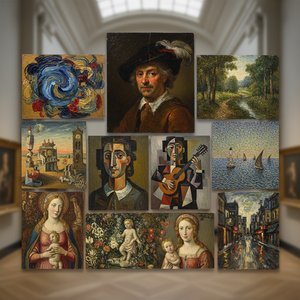
Oil on Board Masters: 10 Paintings That Redefined Art | OriginalUniqueArt
Explore 10 legendary 'Oil on Board' masterpieces by Van Gogh, Monet & more! Discover art history, iconic styles like Impressionism, and find museum-quality reproductions to elevate your home decor. Explore the full collection online at OriginalUniqueArt.com.

Francisco Goya: 25 Remek-dela Španskog Majstora za Vaš Dom | OriginalUniqueArt
Istražite 25 remek-dela Francisca Goya, španskog slikara romantizma i impresionizma. Portreti, tamne slike & istorija umetnosti na OriginalUniqueArt.com! Kupite reprodukcije slika vrhunskog kvaliteta za dekoraciju enterijera. Otkrijte celu kolekciju online.

About Us
Discover our story! We bring world-class art into your life through expert curation, personalized creations, and free previews. Trusted by individuals and businesses since 2000.

Paul Klee: 25 Remek-dela za Ljubitelje Umetnosti i Inspirisan Dekor Doma
Istražite 25 remek-dela Paula Klea! Otkrijte priče iza ikoničnih slika, apstraktnog ekspresionizma i bogate palete boja. Inspiracija za dekoraciju enterijera & reprodukcije vrhunskog kvaliteta na OriginalUniqueArt.com.

Paul Cézanne: 25 Remek-dela Revolucionarnog Umjetnika | OriginalUniqueArt
Istražite 25 remek-dela Paula Cézanna, revolucionarnog slikara impresionizma i postimpresionizma. Otkrijte priče iza ikoničnih pejzaža, portreta i mrtve prirode. Kupite luksuzne reprodukcije slika na OriginalUniqueArt.com!