Pregledaj u prostoru
 Pošalji
 Podeli
 Detalji o delu

 Преузми
 Slični predmeti
 Rendgenski snimak
 Slajdovi
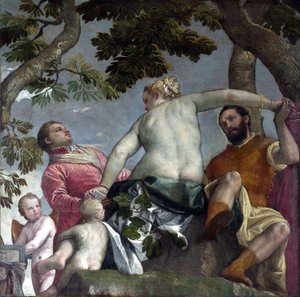
Honor et Virtus post mortem floret
 Oil On Canvas
- WallArt
- Baroque
 219.0 x 170.0 cm
 Frick Collection
 Pročitaj više
Giclee štampa / Umetnički otisak
Giclée štampa ili print na platnu muzejskog kvaliteta uz brzu proizvodnju i fleksibilne opcije završne obrade. ( Kupi ručno naslikanu sliku Kupi digitalnu sliku)




P118B $10

P118H $10

P118W $10

P438Z $10

P508JH $12

P508YH $12

P805H $10

P805Z $10

P919BZ $10

P919G $10

P919XJ $10

P959ZH $10

P968JZ $12

W106C $8

W218G $10

W218JH $8

W218Y $10

W307PJ $10

W316G $10

W316PJ $8

W316Y $10

W398PJ $8

W4111J $10

W500HY $15

W500JH $15

W692G $12

W849H $8

W940BG $15

W953PJ $8




Izaberite jednu od naših unapred definisanih veličina koje odgovaraju originalnim proporcijama umetničkog dela.

Možete uneti sopstvene dimenzije kako biste umetničko delo prilagodili specifičnom okviru ili prostoru. Ako odabrani format ne odgovara proporcijama originalne slike, mi ćemo ili iscrtati deo dela ili proširiti sliku pomoću ogledane ivice ili jednobojnog popunjavanja. Digitalni prikaz će vam biti poslat na odobrenje pre početka proizvodnje.
Imajte na umu da pregled na ekranu ne odražava stvarno iscrtavanje ili proširivanje. Samo će prikaz (mockup) precizno pokazati finalnu kompoziciju.
Iako su prilagođene dimenzije dostupne, preporučujemo da odaberete dimenziju sa unapred definisane liste kako biste očuvali originalne proporcije.
Dostava širom sveta () za 2 nedelje umesto uobičajenih 4/5 nedelja. (17 август)

Besplatna ekspresna dostava širom sveta

Visokokvalitetno laneno platno

Kompletno osiguranje transporta

Garancija povraćaja carine i uvoznih dažbina

Garancija vernosti boja

Politika povrata u roku od 60 dana (samo u slučaju nedostataka)

Garancija povrata novca od 100%

Popust pri grupnoj kupovini
 Opcija sa staklom dostupna je samo za dimenzije manje od 110 cm

Honor et Virtus post mortem floret
Giclee štampa / Umetnički otisak
Dimenzije reprodukcije
-


Konačna cena
$ 80
Opis predmeta
A Venetian Masterpiece: Honor et Virtus Post Mortem Floret
Paolo Veronese’s “Honor et Virtus post mortem floret,” painted in 1567, is more than just a visually stunning depiction of an embrace; it's a profound allegory exploring the eternal struggle between virtue and vice. Originating from the vibrant heart of Venice during the High Renaissance, this oil on canvas masterpiece transcends its historical context to resonate with viewers today through its timeless themes of moral choice and the pursuit of honor. Veronese, a master of color, composition, and opulent spectacle, elevates the scene beyond a simple portrait, transforming it into a dynamic visual narrative that speaks volumes about human nature.
The painting immediately captivates with its scale – measuring 219 x 170 cm – and its lavish detail. Veronese, known for his dramatic use of light and shadow, employs a masterful chiaroscuro technique to sculpt the figures and create a sense of depth within the richly textured garden setting. The background is a meticulously rendered Venetian landscape, complete with architectural elements and lush foliage, providing a vibrant counterpoint to the central drama unfolding before us. Notice the subtle variations in color – the deep greens of the plants, the warm hues of the stone, and the rich reds and golds adorning the figures’ clothing – all contributing to the painting's overall sense of opulence and grandeur.
The Allegorical Core: Virtue Versus Vice
At the heart of “Honor et Virtus post mortem floret” lies a complex allegory rooted in classical philosophy. The central figure, identified as Hercules by some scholars, is presented in a moment of profound indecision. He stands poised between two women – one embodying Virtue and the other representing Vice. This isn’t a simple depiction of good versus evil; rather, it's a nuanced exploration of temptation and moral fortitude. The inscription at the top of the painting, “Honor et Virtus post mortem floret” (Honor and Virtue flourish after death), serves as a potent reminder of the lasting consequences of our choices.
Virtue, crowned with a laurel wreath – a symbol of victory and achievement – extends her hand towards Hercules, offering him guidance and righteousness. Conversely, Vice, cloaked in shadows and adorned with symbols of pleasure and indulgence (a dagger and a sphinx statue), attempts to lure him into a world of fleeting gratification. The visual tension between these two figures is palpable, creating a dramatic interplay that draws the viewer’s eye and invites contemplation about the choices we face in our own lives.
Historical Context & Veronese's Venetian Style
To fully appreciate “Honor et Virtus post mortem floret,” it’s crucial to understand its historical context. Venice, during the 16th century, was a thriving center of art and commerce, boasting a unique blend of classical influences and Renaissance innovation. Veronese, born in Verona but firmly established in Venice, expertly absorbed these diverse artistic traditions, creating a style that is both deeply rooted in Venetian heritage and distinctly his own. His works are characterized by their scale, lavish detail, and masterful use of color – qualities that earned him the admiration of patrons like Emperor Rudolph II and Queen Christina of Sweden.
This particular painting reflects Veronese’s shift towards allegorical subjects, a departure from his earlier historical and biblical scenes. It showcases his growing interest in philosophical themes and his willingness to experiment with new compositional techniques. The influence of Titian, particularly his mastery of color and atmospheric perspective, is evident throughout the work, yet Veronese maintains a unique artistic voice that distinguishes him as one of Venice’s greatest masters.
Emotional Resonance & Lasting Impact
“Honor et Virtus post mortem floret” continues to resonate with viewers centuries after its creation. Its depiction of moral struggle and the allure of temptation speaks to universal human experiences, prompting us to reflect on our own values and choices. The painting’s dramatic composition, vibrant colors, and intricate details create a powerful emotional impact, drawing us into the scene and inviting us to contemplate the eternal conflict between virtue and vice. It's a testament to Veronese’s artistic genius – a masterpiece that transcends its historical context to offer timeless insights into the complexities of human nature.
Biografija umetnika
Паоло Веронезе: Венецијански Визионар и Мајстор Спектакла
Паоло Калијари, познат широм света као Паоло Веронезе, изникнуо је из живописног уметничког пејзажа 16. века Венеције као маестро боје, композиције и раскошног спектакла. Рођен у Верони 1528. године, син каменоресца, његов рани живот био је потопљен визуелним богатством околине – класичном архитектуром, обликованим формама и растућим хуманистичким идеалима који су обележили тај регион. Почетна обука под Антониом Бадилом и Ђовани Франческом Каротом поставила је основу за традиционалне технике, али је његов прелазак у Венецију педесетих година прошлог века заправо распламтао његов уметнички гениј. Сам град је постао његова муза, његови бурни тргови, величанствени палата и сјајне воде информисале су обим и драму његовог рада. Брзо је апсорбовао утицаје утврђених венецијанских мајстора као што је Тицијан, чије је овладавање бојом дубоко утицало на Веронезеову палету, ипак је створио карактеристичан стил обележен неупоредивим осећајем позоришта и величине.Сликар Гозби и Великих Наратива
Веронезеова репутација лежи на његовим монументалним сликама, посебно онима које описују раскошне гозбе и библијске сцене трансформисане у блиставе призоре венецијанског живота. *Венчање у Кани*, завршено 1563. године за бенедиктински манастир Сан Ђорђо Мађоре, представља сведочанство његове вештине. Ово колосално платно није само илустрација чуда; то је живописна панорама друштва из 16. века, препуна елегантно обучених фигура, музичара и архитектонских детаља рендираних са задивљујућом прецизношћу. Слика није само о томе шта се догодило у Кани, већ *како* би изгледала да се десила у Венецији током Веронезеовог времена. Слично томе, *Гozба у кући Левија*, првобитно названа *Последна вечера*, изазвала је контроверзу са Инквизицијом због укључивања савремених фигура и наизглед непоштовање атмосфере. Веронезе се бранио, тврдећи да су сликари имали право на исту креативну слободу као песници и шаљивци – смела изјава која одражава његово уверење у моћ уметности да тумачи и пресликава свете наративе. Ова дела нису била само религиозни прилози; то су биле прославе живота, богатства и сјаја саме Венеције. Није га занимала аскетична духовност, већ је желео да заухвати радост и изобиље постојања.Утицаји и Уметнички Развој
Иако је Тицијанов утицај на Веронезеов колоризам неоспоран, његов уметнички развој био је сложена игра различитих утицаја. Архитектонска прецизност коју је донео својим композицијама дугује много класичној традицији која је била присутна у Верони током његових формирајућих година, посебно раду архитекта као што је Микеле Санмикели. Апсорбовао је и елементе из централних италијанских мајстора као што су Рафаел и Пармиђанино, видљиве у грациозним линијама и хармоничним аранжманима у његовим сликама. Међутим, Веронезе није једноставно имитирао ове утицаје; синтетизовао их је у јединствено венецијански стил карактеристичан драматичном употребом светлости, живописним палетама боја и педантном пажњом на детаље. Одликовао се стварањем илузија простора и дубине, користећи перспективне технике да би гледаоце увукао у срце својих елаборних сцена. Његово мајсторство уљарења омогућило му је да постигне неупоредив луминозност и богатство текстуре. Такође је водио велику радионицу, са доприносима брата Бенедета и синова Габријела и Карла, обезбеђујући да његов стил настави да процвета чак и након његове смрти 1588. године.Наслеђе и Историјски Значај
Утицај Паола Веронезеа се протеже далеко изван области ренесансне уметности. Његов рад је одјекивао кроз векове, инспиришући уметнике из различитих дисциплина. Његове драматичне композиције и живописне шеме боја су цитиране као утицаји на све што је од барокне слике до модерног филма – чак налазећи ехое у визуалној естетици шпагети вестерна. Био је део „великог триа“ венецијанских сликара — уз Тицијана и Тинторета — од којих је сваки на свој начин допринео граду наслеђу, али се Веронезе често истиче због своје чисте екстравагантности и прославе земаљских задовољстава. Његове слике настављају да очаравају публику својом величином и спектаклом, нудећи увид у раскошни свет Венеције из 16. века.- Редефинисао је историјску слику убацивањем савременог живота у њу.
- Његова употреба боје остаје инспиративна за уметнике и данас.
- Њихов рад отелотворује дух ренесансног хуманизма и слављења земаљске лепоте.

Паоло Веронезе
1528 - 1588
Osnovne informacije
- Artistic Movement Or Style: Renesansa, Manirizam
- Artists Or Movements Influenced By This Artist:
- Rubens
- Watteau
- Artists Who Influenced This Artist: ['Titian']
- Date Of Birth: 1528
- Date Of Death: 1588
- Full Name: Paolo Veronese
- Nationality: Italijan
- Notable Artworks (List Of Titles):
- Svadba u Kani
- Gožba u kući Levija
- Place Of Birth (City And Country): Verona, Italija
Povezani članci
Paolo Veronese: A Renaissance Master of Color, Composition, and Venetian Splendor
Explore the vibrant world of Paolo Veronese, a Renaissance master renowned for his opulent compositions, masterful use of color, and dramatic Venetian scenes. Discover key artworks & legacy.

The Enduring Legacy of Oil on Canvas: Technique, History & Aesthetic Impact
Explore the rich history & techniques of oil painting – from Renaissance masters to Impressionism. Discover pigments, layering methods, and why this timeless medium endures. Expert insights for artists & art enthusiasts.

Venetian Renaissance: The Mastery of Color, Light, and the Art of Colorito
Explore the luminous mastery of the Venetian Renaissance. Discover how masters like Titian and Giorgione revolutionized art through colorito, light, and atmosphere. An expert guide to the golden age of Italian painting for collectors and enthusiasts.

Oil on Canvas: A Historical & Technical Exploration of a Timeless Artistic Medium
Explore the rich history & enduring techniques of oil painting on canvas. Discover the science behind its longevity, conservation practices, and contemporary relevance. Expert insights for art enthusiasts.

The Golden Light of Innovation: Exploring the Venetian Renaissance Art Movement (1430–1580)
Explore the Golden Age of Venetian art (1430–1580). Discover Giorgione, Titian & Tintoretto's techniques, the 'colorito' revolution, and lasting influence. Expert insights for collectors & enthusiasts.