
 Pregledaj u prostoru
 Pošalji
 Podeli
 Detalji o delu
 Vodič
Vodič

 Preuzmi
 Slični predmeti
 Rendgenski snimak
 Automatska prezentacija
 Q&A
Q&A Statistika
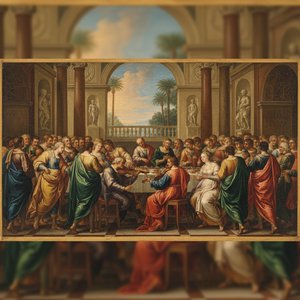
Bacchus and Ceres


 Pročitaj više
Giclee štampa / Umetnički otisak
Giclée štampa ili print na platnu muzejskog kvaliteta uz brzu izradu i raznovrsne opcije završne obrade. ( Kupite ručno oslikano delo Pređi na digitalnu sliku)




P118B дин10

P118H дин10

P118W дин10

P438Z дин10

P508JH дин12

P508YH дин12

P805H дин10

P805Z дин10

P919BZ дин10

P919G дин10

P919XJ дин10

P959ZH дин10

P968JZ дин12

W106C дин8

W218G дин10

W218JH дин8

W218Y дин10

W307PJ дин10

W316G дин10

W316PJ дин8

W316Y дин10

W398PJ дин8

W4111J дин10

W500HY дин15

W500JH дин15

W692G дин12

W849H дин8

W940BG дин15

W953PJ дин8




Izaberite jednu od naših unapred definisanih veličina koje odgovaraju originalnim proporcijama umetničkog dela.

Unesite željenu širinu i visinu kako bi se štampa uklopila u vaš ram ili zid. Štampu je moguće samo iseći, ali nikada povećati iznad dimenzija originalne slike, stoga format sa drugačijim proporcijama uzrokuje gubitak dela slike. Pre početka štampe, poslaćemo vam digitalni prikaz radi potvrde. Slika prikazana na ovoj stranici ne predstavlja stvarni isrez — to pokazuje samo digitalni prikaz.
Dostava širom sveta () za 2 nedelje umesto uobičajenih 4/5 nedelja. (1 новембар)

Besplatna ekspresna dostava širom sveta

Visokokvalitetno laneno platno

Potpuno osiguranje transporta

Garancija povraćaja carine i uvoznih dažbina

Garancija vernosti boja

Politika povraćaja u roku od 100 dana (samo u slučaju nedostataka)

Garancija povrata 100% novca

Popust na više proizvoda
 Opcija sa staklom dostupna je samo za dimenzije manje od 110 cm

Bacchus and Ceres
Giclee štampa / Umetnički otisak
Dimenzije reprodukcije
-


Ukupna cena
дин 8334
Paolo Veronese: A Renaissance Master of Color, Composition, and Venetian Splendor
Paolo Caliari, known to the world as Paolo Veronese, emerged from the vibrant artistic landscape of 16th-century Venice as a master of color, composition, and opulent spectacle. Born in Verona in 1528, the son of a stonecutter, his early life was steeped in the visual richness of his surroundings – the classical architecture, sculpted forms, and burgeoning humanist ideals that characterized the region. His initial training under Antonio Badile and Giovanni Francesco Caroto laid a foundation in traditional techniques, but it was his move to Venice in the 1550s that truly ignited his artistic genius. The city itself became his muse, its bustling marketplaces, grand palazzi, and shimmering waterways informing the scale and drama of his work. He quickly absorbed the influences of established Venetian masters like Titian, whose mastery of color profoundly impacted Veronese’s palette, yet he forged a distinct style characterized by an unparalleled ambition to capture grandeur and emotion on canvas.- Subject Matter: Veronese's oeuvre is dominated by monumental mythological scenes—particularly depictions of feasts and celebrations—drawing heavily from classical narratives and Roman mythology. “Bacchus and Ceres,” commissioned for Villa Barbaro in Maser, exemplifies this fascination with epic storytelling and idealized beauty.
- Style: Veronese’s style belongs to Mannerism, a reaction against the harmonious balance of High Renaissance art. Unlike his predecessors who sought perfection, Veronese embraced dynamism and theatricality, prioritizing expressive gesture and dramatic lighting over anatomical accuracy. This stylistic choice lends an air of grandeur and sophistication to his paintings.
- Technique: He employed meticulous fresco painting techniques—a hallmark of Venetian artistic tradition—resulting in breathtaking surfaces adorned with shimmering pigments and intricate detailing. The layering of translucent glazes created a luminous effect, capturing the vibrancy of color and enhancing the illusionistic depth of the scene.
Villa Barbaro’s Frescoes: Context and Significance
The commission for “Bacchus and Ceres” at Villa Barbaro represents more than just an artistic endeavor; it embodies the aspirations of Daniele Barbaro, a humanist scholar and patron of the arts who envisioned his villa as a symbol of intellectual enlightenment and aristocratic refinement. Veronese's frescoes were intended to elevate the villa’s interior space into a realm of sublime beauty—a testament to the Renaissance ideal of integrating art and architecture to create harmonious environments. The painting reflects the broader cultural climate of Venice during Barbaro’s time, where artistic innovation flourished alongside humanist thought.Symbolism and Narrative Complexity
“Bacchus and Ceres” is replete with symbolic references that underscore its thematic concerns. Bacchus, representing wine and fertility, embodies Dionysiac ecstasy—a celebration of sensual pleasure and divine inspiration. Ceres, goddess of agriculture and harvest, symbolizes abundance and nourishment—essential elements for sustaining human life and fostering prosperity. The figures’ postures and expressions convey a palpable sense of joy and conviviality, inviting viewers to partake in the festivities depicted. Furthermore, Veronese skillfully employs perspective and spatial illusionism to create an immersive experience, transporting the viewer into the opulent setting of the villa's banquet hall.Emotional Impact: A Triumph of Venetian Art
Ultimately, “Bacchus and Ceres” achieves its remarkable emotional impact through Veronese’s masterful manipulation of color and light—elements that contribute significantly to the painting’s dramatic atmosphere. The rich hues—particularly reds, golds, and blues—evoke a feeling of warmth and splendor, mirroring the grandeur of Villa Barbaro itself. The luminous glazing technique enhances the illusionistic depth of the scene, drawing viewers into the midst of the celebration and capturing the essence of Renaissance artistic ambition. It remains an enduring masterpiece—a testament to Veronese’s genius and Venice's legacy as a center for artistic innovation.Further Exploration
You can find more information about Paolo Veronese and “Bacchus and Ceres” at: Around 1560-61, Veronese was commissioned by Daniele Barbaro to provide the interior frescoes for Barbaro's Palladian villa in Maser.Pitanja i odgovori
Koja veličina printa za „Bacchus and Ceres”, autor Паоло Веронезе najbolje odgovara preporučenoj prostoriji?
Preporučena kombinacija za „Bacchus and Ceres”, autor Паоло Веронезе: štampa dimenzija Large u prostoriji tipa Living Room.
Na koju fazu karijere umetnika Паоло Веронезе odgovara datum 1560 za delo "Bacchus and Ceres"?
Datum 1560 smešta "Bacchus and Ceres" u Mature Period razvoja umetnika Паоло Веронезе.
Koji je koloristički identitet dela „Bacchus and Ceres”, autor Паоло Веронезе?
Koloristički identitet dela „Bacchus and Ceres”, autor Паоло Веронезе: paleta u nijansama Earthy, sa dominacijom boje Putty (#d2beb4).
Biografija umetnika
Паоло Веронезе: Венецијански Визионар и Мајстор Спектакла
Паоло Калијари, познат широм света као Паоло Веронезе, изникнуо је из живописног уметничког пејзажа 16. века Венеције као маестро боје, композиције и раскошног спектакла. Рођен у Верони 1528. године, син каменоресца, његов рани живот био је потопљен визуелним богатством околине – класичном архитектуром, обликованим формама и растућим хуманистичким идеалима који су обележили тај регион. Почетна обука под Антониом Бадилом и Ђовани Франческом Каротом поставила је основу за традиционалне технике, али је његов прелазак у Венецију педесетих година прошлог века заправо распламтао његов уметнички гениј. Сам град је постао његова муза, његови бурни тргови, величанствени палата и сјајне воде информисале су обим и драму његовог рада. Брзо је апсорбовао утицаје утврђених венецијанских мајстора као што је Тицијан, чије је овладавање бојом дубоко утицало на Веронезеову палету, ипак је створио карактеристичан стил обележен неупоредивим осећајем позоришта и величине.Сликар Гозби и Великих Наратива
Веронезеова репутација лежи на његовим монументалним сликама, посебно онима које описују раскошне гозбе и библијске сцене трансформисане у блиставе призоре венецијанског живота. *Венчање у Кани*, завршено 1563. године за бенедиктински манастир Сан Ђорђо Мађоре, представља сведочанство његове вештине. Ово колосално платно није само илустрација чуда; то је живописна панорама друштва из 16. века, препуна елегантно обучених фигура, музичара и архитектонских детаља рендираних са задивљујућом прецизношћу. Слика није само о томе шта се догодило у Кани, већ *како* би изгледала да се десила у Венецији током Веронезеовог времена. Слично томе, *Гozба у кући Левија*, првобитно названа *Последна вечера*, изазвала је контроверзу са Инквизицијом због укључивања савремених фигура и наизглед непоштовање атмосфере. Веронезе се бранио, тврдећи да су сликари имали право на исту креативну слободу као песници и шаљивци – смела изјава која одражава његово уверење у моћ уметности да тумачи и пресликава свете наративе. Ова дела нису била само религиозни прилози; то су биле прославе живота, богатства и сјаја саме Венеције. Није га занимала аскетична духовност, већ је желео да заухвати радост и изобиље постојања.Утицаји и Уметнички Развој
Иако је Тицијанов утицај на Веронезеов колоризам неоспоран, његов уметнички развој био је сложена игра различитих утицаја. Архитектонска прецизност коју је донео својим композицијама дугује много класичној традицији која је била присутна у Верони током његових формирајућих година, посебно раду архитекта као што је Микеле Санмикели. Апсорбовао је и елементе из централних италијанских мајстора као што су Рафаел и Пармиђанино, видљиве у грациозним линијама и хармоничним аранжманима у његовим сликама. Међутим, Веронезе није једноставно имитирао ове утицаје; синтетизовао их је у јединствено венецијански стил карактеристичан драматичном употребом светлости, живописним палетама боја и педантном пажњом на детаље. Одликовао се стварањем илузија простора и дубине, користећи перспективне технике да би гледаоце увукао у срце својих елаборних сцена. Његово мајсторство уљарења омогућило му је да постигне неупоредив луминозност и богатство текстуре. Такође је водио велику радионицу, са доприносима брата Бенедета и синова Габријела и Карла, обезбеђујући да његов стил настави да процвета чак и након његове смрти 1588. године.Наслеђе и Историјски Значај
Утицај Паола Веронезеа се протеже далеко изван области ренесансне уметности. Његов рад је одјекивао кроз векове, инспиришући уметнике из различитих дисциплина. Његове драматичне композиције и живописне шеме боја су цитиране као утицаји на све што је од барокне слике до модерног филма – чак налазећи ехое у визуалној естетици шпагети вестерна. Био је део „великог триа“ венецијанских сликара — уз Тицијана и Тинторета — од којих је сваки на свој начин допринео граду наслеђу, али се Веронезе често истиче због своје чисте екстравагантности и прославе земаљских задовољстава. Његове слике настављају да очаравају публику својом величином и спектаклом, нудећи увид у раскошни свет Венеције из 16. века.- Редефинисао је историјску слику убацивањем савременог живота у њу.
- Његова употреба боје остаје инспиративна за уметнике и данас.
- Њихов рад отелотворује дух ренесансног хуманизма и слављења земаљске лепоте.

Паоло Веронезе
1528 - 1588
Osnovne informacije
- Artistic Movement Or Style: Renesansa, Manirizam
- Artists Or Movements Influenced By This Artist:
- Rubens
- Watteau
- Artists Who Influenced This Artist: ['Titian']
- Date Of Birth: 1528
- Date Of Death: 1588
- Full Name: Paolo Veronese
- Nationality: Italijan
- Notable Artworks (List Of Titles):
- Svadba u Kani
- Gožba u kući Levija
- Place Of Birth (City And Country): Verona, Italija
Povezani članci

The Enduring Legacy of Fresco: Technique, History & Artistic Expression Across Cultures
Explore the rich history & enduring legacy of fresco painting! Discover ancient techniques, Giotto's masterpieces, and modern applications. Expert insights for art lovers & professionals.

Porodična freska nasleđe: Očuvanje kulture i identiteta kroz zidno slikarstvo – Istorijski uvid za kolekcionare
Istražite bogatu istoriju zidnog slikarstva i njegov značaj za očuvanje kulture i porodičnog nasleđa. Ekskluzivni uvid za kolekcionare, restauratore i ljubitelje umetnosti. Saznajte više o tehnikama, vrednosti i budućnosti ove drevne veštine.

The Enduring Legacy of Fresco Painting: Techniques, History & Contemporary Relevance
Explore the rich history & enduring artistry of fresco painting – from Giotto to Michelangelo! Discover techniques, conservation efforts, & modern applications. Learn how OriginalUniqueArt brings this timeless art form to your home.

Umetnička dela koja oživljavaju prostor: Emocionalna snaga personalizovane freske u enterijeru
Otkrijte emocionalnu snagu personalizovane freske! Ekskluzivni vodič o istoriji, tehnikama i primeni freski u luksuznom dizajnu enterijera. Kreirajte jedinstveno umetničko delo za vaš dom.
Paolo Veronese: A Renaissance Master of Color, Composition, and Venetian Splendor
Explore the vibrant world of Paolo Veronese, a Renaissance master renowned for his opulent compositions, masterful use of color, and dramatic Venetian scenes. Discover key artworks & legacy.


