

 Pregledaj u prostoru
 Pošalji
 Podeli
 Detalji o delu

 Преузми
 Slični predmeti
 Rendgenski snimak
 Slajdovi
Fountain


 Pročitaj više
Giclee štampa / Umetnički otisak
Giclée štampa ili print na platnu muzejskog kvaliteta uz brzu proizvodnju i fleksibilne opcije završne obrade. ( Kupi ručno naslikanu sliku Kupi digitalnu sliku)




































Izaberite jednu od naših unapred definisanih veličina koje odgovaraju originalnim proporcijama umetničkog dela.

Možete uneti sopstvene dimenzije kako biste umetničko delo prilagodili specifičnom okviru ili prostoru. Ako odabrani format ne odgovara proporcijama originalne slike, mi ćemo ili iscrtati deo dela ili proširiti sliku pomoću ogledane ivice ili jednobojnog popunjavanja. Digitalni prikaz će vam biti poslat na odobrenje pre početka proizvodnje.
Imajte na umu da pregled na ekranu ne odražava stvarno iscrtavanje ili proširivanje. Samo će prikaz (mockup) precizno pokazati finalnu kompoziciju.
Iako su prilagođene dimenzije dostupne, preporučujemo da odaberete dimenziju sa unapred definisane liste kako biste očuvali originalne proporcije.
Dostava širom sveta () za 2 nedelje umesto uobičajenih 4/5 nedelja. (12 август)

Besplatna ekspresna dostava širom sveta

Visokokvalitetno laneno platno

Kompletno osiguranje transporta

Garancija povraćaja carine i uvoznih dažbina

Garancija vernosti boja

Politika povrata u roku od 60 dana (samo u slučaju nedostataka)

Garancija povrata novca od 100%

Popust pri grupnoj kupovini
 Opcija sa staklom dostupna je samo za dimenzije manje od 110 cm

Fountain
Giclee štampa / Umetnički otisak
Dimenzije reprodukcije
-


Konačna cena
$ 80
Biografija umetnika
Domenico Gagini: Sculptor of Baroque Sicily and Florentine Renaissance
Domenico Gagini (c. 1425 – 1492), considered the father of the Sicilian Baroque, stands as a pivotal figure in Italian Renaissance sculpture. Born in Bissone, Ticino, Switzerland—a region steeped in artistic tradition—Gagini’s lineage traced back to a family renowned for its craftsmanship and architectural prowess. His father, Giovanni Gagini, was a mason and sculptor who instilled in Domenico a profound appreciation for form and technique, shaping his artistic trajectory from an early age.- Early Life & Training: Domenico received his formative education under the tutelage of Cristoforo Solari, a prominent sculptor active in Genoa, where he honed his skills amidst the vibrant intellectual milieu of the Renaissance. This exposure to humanist ideals and innovative artistic approaches profoundly influenced Gagini’s stylistic sensibilities.
- Move to Palermo & Sicilian Baroque: Recognizing the burgeoning patronage opportunities within Sicily—particularly under Alfonso V d'Aragona—Gagini relocated to Palermo in 1463, establishing a workshop that would become synonymous with the Sicilian Baroque style. He skillfully blended classical influences with exuberant ornamentation and dramatic dynamism, creating monumental sculptures and architectural embellishments that continue to captivate audiences today.
- Notable Works: Gagini’s prolific output encompassed commissions for churches, palaces, and funerary monuments across Sicily and Naples. Among his most celebrated achievements are the Cappella Palatina frescoes in Palermo Cathedral—a breathtaking testament to his artistic vision—the monumental statue of St. George and the Dragon housed within the Santuario dell'Annunziata, and elaborate decorations adorning Castel Nuovo (Maschio Angioino) in Naples.
Florentine Influence & Artistic Style
Despite his unwavering dedication to Sicilian Baroque aesthetics, Domenico Gagini’s artistic sensibilities were undeniably shaped by the Florentine Renaissance. The humanist ideals championed by Lorenzo de Medici and Filippo Brunelleschi—characterized by a meticulous attention to proportion, anatomical accuracy, and classical grandeur—resonated deeply within Gagini's creative process. This confluence of influences resulted in sculptures imbued with both sculptural virtuosity and intellectual depth.- Classical Inspiration: Gagini’s mastery of Roman sculpture is evident in his reproductions of classical statues and reliefs, demonstrating a profound understanding of sculptural principles and techniques.
- Technique & Material Innovation: He skillfully employed marble—particularly alabaster—to achieve unparalleled luminosity and textural richness, pushing the boundaries of artistic innovation. His sculptures are renowned for their exquisite detail and expressive dynamism, capturing human emotion with remarkable realism.
Legacy & Historical Significance
Domenico Gagini’s legacy extends far beyond his individual masterpieces. He established a workshop that nurtured generations of sculptors—Antonello Gagini being the most prominent among them—solidifying Sicily's position as a center for artistic excellence during the Baroque period. His influence permeated Sicilian art and architecture, shaping the visual landscape of the era and cementing his place as one of Italy’s greatest Renaissance sculptors. Today, Gagini’s sculptures continue to inspire awe and admiration, serving as enduring symbols of Florentine Renaissance ideals and Sicilian Baroque grandeur.Further Exploration
For a deeper understanding of Domenico Gagini's life and work, consult scholarly resources such as Gioacchino Di Marzo’s *I Gagini e la scultura in Sicilia nei secoli XV e XVI* (Palermo 1884) and explore online databases like the Web Gallery of Art (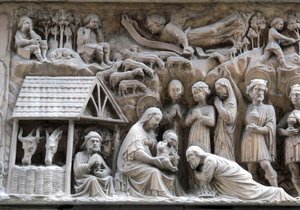
pace gagini
1470 - 1525 , Switzerland
Osnovne informacije
- Artistic Movement Or Style: Renaissance
- Artists Or Movements Influenced By This Artist: ['Early Renaissance']
- Artists Who Influenced This Artist: ['Lorenzo Ghiberti']
- Date Of Birth: c. 1425
- Date Of Death: 1492
- Full Name: Domenico Gagini
- Nationality: Swiss
- Notable Artworks:
- Arezzo Cathedral Baptistery Pulpit
- Saint George and Dragon
- Place Of Birth: Bienne, Switzerland

