

 Pregledaj u prostoru
 Pošalji
 Podeli
 Detalji o delu

 Преузми
 Slični predmeti
 Rendgenski snimak
 Slajdovi
The Violinist at the Window
 Oil
Oil- WallArt
- Impressionism
 1861
1861- 19th Century
 103.0 x 150.0 cm
 Städel Museum
 Pročitaj više
Giclee štampa / Umetnički otisak
Giclée štampa ili print na platnu muzejskog kvaliteta uz brzu proizvodnju i fleksibilne opcije završne obrade. ( Kupi ručno naslikanu sliku Kupi digitalnu sliku)




P118B $10

P118H $10

P118W $10

P438Z $10

P508JH $12

P508YH $12

P805H $10

P805Z $10

P919BZ $10

P919G $10

P919XJ $10

P959ZH $10

P968JZ $12

W106C $8

W218G $10

W218JH $8

W218Y $10

W307PJ $10

W316G $10

W316PJ $8

W316Y $10

W398PJ $8

W4111J $10

W500HY $15

W500JH $15

W692G $12

W849H $8

W940BG $15

W953PJ $8




Izaberite jednu od naših unapred definisanih veličina koje odgovaraju originalnim proporcijama umetničkog dela.

Možete uneti sopstvene dimenzije kako biste umetničko delo prilagodili specifičnom okviru ili prostoru. Ako odabrani format ne odgovara proporcijama originalne slike, mi ćemo ili iscrtati deo dela ili proširiti sliku pomoću ogledane ivice ili jednobojnog popunjavanja. Digitalni prikaz će vam biti poslat na odobrenje pre početka proizvodnje.
Imajte na umu da pregled na ekranu ne odražava stvarno iscrtavanje ili proširivanje. Samo će prikaz (mockup) precizno pokazati finalnu kompoziciju.
Iako su prilagođene dimenzije dostupne, preporučujemo da odaberete dimenziju sa unapred definisane liste kako biste očuvali originalne proporcije.
Dostava širom sveta () za 2 nedelje umesto uobičajenih 4/5 nedelja. (28 август)

Besplatna ekspresna dostava širom sveta

Visokokvalitetno laneno platno

Kompletno osiguranje transporta

Garancija povraćaja carine i uvoznih dažbina

Garancija vernosti boja

Politika povrata u roku od 60 dana (samo u slučaju nedostataka)

Garancija povrata novca od 100%

Popust pri grupnoj kupovini
 Opcija sa staklom dostupna je samo za dimenzije manje od 110 cm

The Violinist at the Window
Giclee štampa / Umetnički otisak
Dimenzije reprodukcije
-


Konačna cena
$ 80
A Melodic Solitude: The Soul of Scholderer’s Violinist
In the quietude of an afternoon bathed in soft, natural light, Otto Scholderer captures a moment that transcends mere portraiture to become a profound meditation on sound and silence. The Violinist at the Window is not simply a depiction of a musician at work; it is an invitation into a private sanctuary of creativity. As the man sits by the window, his gaze drifting toward the world outside while his fingers dance across the strings, Scholderer masterfully weaves a narrative of introspection. The composition, anchored by the presence of a simple chair and a solitary book, suggests a life enriched by both intellectual pursuit and musical passion. For the discerning collector, this piece offers more than visual beauty; it provides a window into the Romantic spirit, where the boundaries between the internal emotional landscape and the external world begin to blur.
The technique employed in this 1861 masterpiece reflects Scholderer’s rigorous training at the Städel Academy, yet it breathes with the burgeoning freedom of the Impressionist movement. Through a delicate application of light, the artist transforms a domestic interior into a stage of luminous textures. The way the sunlight filters through the windowpane creates a warm, golden atmosphere that softens the edges of the room, casting gentle shadows that lend depth and volume to the subject. This interplay of light and shadow—the chiaroscuro influence—serves to highlight the tactile reality of the violin and the quiet dignity of the man’s posture. The brushwork, while precise enough to capture the fine details of the instrument and the surrounding furniture, possesses a fluid grace that mirrors the melodic flow of the music being played.
Beyond its technical brilliance, the painting serves as a powerful symbol of the harmony between man and his environment. The window acts as a threshold, a liminal space where the musician’s melody meets the unseen world beyond the glass. There is a poignant sense of peace found in this composition, making it an ideal centerpiece for an interior designed for contemplation and elegance. Whether placed in a sun-drenched library or a sophisticated study, a high-quality reproduction of this work brings a sense of historical weight and emotional warmth to any space. It speaks to the timeless human desire for connection—to music, to nature, and to the quiet moments of beauty that define our existence.
Biografija umetnika
The Painter of Light and Shadow: The Life of Otto Scholderer
In the heart of nineteenth-century Germany, a period defined by the shifting tides between Romanticism and the dawn of Impressionism, Otto Franz Scholderer emerged as a master of visual storytelling. Born in Frankfurt am Main on January 25, 1834, Scholderer’s artistic journey was one of profound evolution, marked by a relentless pursuit of capturing the true essence of his subjects. His early years were steeped in the rigorous academic traditions of the Städel Academy of Arts, where he studied under the watchful eyes of art historian Johann David Passavant and the painter Jakob Becker. This foundational training provided him with more than just technical proficiency; it instilled a deep respect for classical composition and a meticulous eye for detail that would remain a hallmark of his work throughout his long and distinguished career.
As Scholderer matured, his artistic horizons expanded far beyond the borders of Germany. His travels to Paris between 1857 and 1858 proved to be a transformative period, exposing him to the radical currents of European art. It was here that he encountered the raw, unvarnished power of Gustave Courbet’s Realism, a movement that encouraged artists to look at the world without the veil of idealized sentimentality. This encounter fundamentally altered his approach to landscape and portraiture, steering him toward a more honest rendering of light, texture, and atmosphere. During this same era, he forged lasting connections with luminaries such as Henri Fantin-Latour and Édouard Manet, whose subtle explorations of light and fleeting moments would leave an indelible imprint on his later, more Impressionistic tendencies.
A Legacy of Intimacy and Observation
Scholderer’s body of work is a testament to his ability to find the extraordinary within the ordinary. Whether he was painting a serene pastoral vista or an intimate domestic scene, there was always a sense of quiet contemplation and profound presence. His connection to the Kronberg painter colony, fostered through his friendship and eventual familial bond with Victor Müller, allowed him to exist within a vibrant community of artists dedicated to capturing the beauty of the Taunus region. This environment nurtured his ability to blend the precise rendering of the Düsseldorf tradition with the atmospheric sensitivity of the burgeoning Impressionist movement.
His repertoire was remarkably diverse, showcasing a mastery over various genres:
- Portraiture: Scholderer possessed a rare gift for capturing the psychological depth of his sitters, imbuing them with a sense of living breath and character.
- Still Life: In works such as "The Flower Arrangement" and "Lilac," he demonstrated an exquisite command over color and texture, turning simple botanical subjects into meditations on beauty and decay.
- Landscape: His landscapes often eschewed the dramatic for the subtle, focusing instead on the interplay of light across a field or the soft glow of an afternoon sun through a window.
- Genre Painting: Pieces like "The Violinist at the Window" exemplify his ability to weave narratives of solitude and creativity, inviting the viewer into a private, melodic sanctuary.
By the time of his passing in 1902, Otto Scholderer had established himself as a cornerstone of German painting. His significance lies not only in his technical brilliance but in his role as a bridge between eras. He carried the weight of classical tradition into the modern age, proving that even as styles shifted from the structured to the ephemeral, the fundamental human desire to capture truth through light and shadow remained eternal. Today, his works continue to resonate, offering a window into a vanished world of grace, precision, and quiet emotion.

otto scholderer
1834 - 1902
Osnovne informacije
- Artistic Movement Or Style: Impressionism
- Artists Or Movements Influenced By This Artist: ['Romanticism']
- Artists Who Influenced This Artist: ['Gustave Courbet']
- Date Of Birth: January 25, 1834
- Date Of Death: January 22, 1902
- Full Name: Otto Franz Scholderer
- Nationality: German
- Notable Artworks:
- The Violinist by the Window
- Ackerlandschaft mit Vogelscheuche
- Place Of Birth: Frankfurt am Main, Germany
Povezani članci

Playful Masterpieces: Top 10 Artworks for a Joyful Home | OriginalUniqueArt
Find joy & inspiration! Explore 10 playful masterpieces by Monet, Matisse & more. Discover art history, vibrant colors & uplifting stories behind these iconic paintings. Museum-quality reproductions at OriginalUniqueArt.com – explore the full collection online!
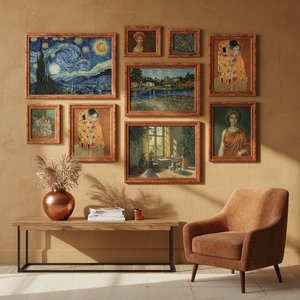
Copper Hues & Masterpieces: 10 Iconic Paintings for Timeless Home Decor
Explore 10 iconic paintings bathed in rich copper tones! From Rembrandt to Klimt, discover the stories behind these masterpieces & their warm color palettes. Find museum-quality art reproductions for your home at OriginalUniqueArt.com.
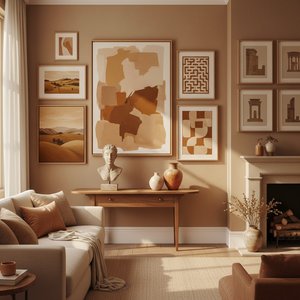
Titan Buff Tones: 10 Masterpieces for a Warm & Sophisticated Home |
Explore 10 iconic paintings bathed in 'Titan Buff' – from Rembrandt to Rubens. Discover the stories, techniques & warm tones that define these masterpieces. Find museum-quality art reproductions for your home at .

Psihologija Razigranog Vizuelnog Jezika: Istraživanje Humornih i Fantastičnih Slika kao Katalizatora za Emocionalno Blagostanje i Društvenu Povezanost
Istražite psihologiju humora i fantastičnih slika! Otkrijte kako smeh i kreativnost jačaju blagostanje, rešavaju konflikte i povezuju ljude. Ekspertna analiza & praktični uvidi.
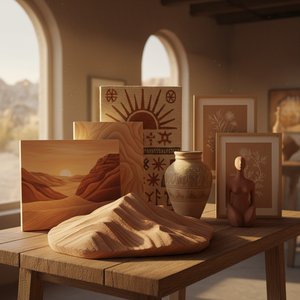
Sandstone & Sunlight: 10 Masterpieces of Earth-Toned Art |
Journey through 10 iconic paintings bathed in 'sand' tones – from Van Gogh to Monet. Explore the stories, techniques & warm palettes of these timeless masterpieces. Find museum-quality art reproductions at and bring classic beauty home.

