

 Pregledaj u prostoru
 Podeli
 Podeli
 Detalji
 Vodič
Vodič

 Preuzmi sliku
 Slični predmeti
 Rendgenski snimak
 Automatska prezentacija
 Statistika
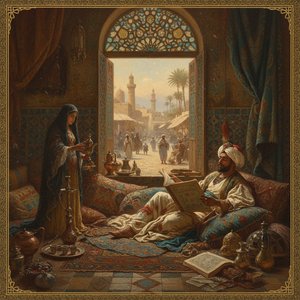
Hodja Reading The Koran
 Acrylic On Canvas
- WallArt
- Orientalist Painting
 72.0 x 53.0 cm
 Sakıp Sabancı Museum
 Pročitaj više
Ručno rađena uljana reprodukcija
Ručno oslikano uljanim bojama na platnu u dimenzijama i okviru po vašem izboru, izrađeno po porudžbini od strane naših umetnika. ( Pređi na prodaju štampanih primeraka Pređi na prodaju digitalnih slika)




P118B $10

P118H $10

P118W $10

P438Z $10

P508JH $12

P508YH $12

P805H $10

P805Z $10

P919BZ $10

P919G $10

P919XJ $10

P959ZH $10

P968JZ $12

W106C $8

W218G $10

W218JH $8

W218Y $10

W307PJ $10

W316G $10

W316PJ $8

W316Y $10

W398PJ $8

W4111J $10

W500HY $15

W500JH $15

W692G $12

W849H $8

W940BG $15

W953PJ $8




Izaberite jednu od naših unapred definisanih veličina koje odgovaraju originalnim proporcijama umetničkog dela.

Možete uneti sopstvene dimenzije kako biste prilagodili umetničko delo određenom okviru ili prostoru. Ako odabrana veličina ne odgovara proporcijama originala, slika će biti isečena ili proširena dodatnim elementima koji se ručno oslikavaju. Digitalni prikaz će vam biti poslat na odobrenje pre početka proizvodnje.
Imajte na umu da pregled na ekranu ne odražava stvarno prisecanje ili proširenje. Samo mockup će precizno prikazati konačnu kompoziciju.
Iako su dostupne prilagođene veličine, preporučujemo da izaberete dimenziju iz unapred definisane liste kako biste sačuvali originalne proporcije.
Nakon narudžbine, tim OriginalUniqueArt.com će klijentu putem e-pošte poslati uputstva i dostaviti prikaz predloženog rešenja
Svetska isporuka () za 3/4 nedelje umesto uobičajenih 5 nedelja. (26 септембар). Bez kompromisa po pitanju kvaliteta.

Besplatna ekspresna dostava širom sveta

Visokokvalitetno laneno platno

Sveobuhvatno osiguranje transporta

Garancija povraćaja carine i uvoznih dažbina

Garancija vernosti boja i autentičnosti pri reprodukciji

Politika povraćaja u roku od 100 dana (samo u slučaju nedostataka)

Garancija povrata 100% novca

Popust pri većoj količini
 Opcija sa staklom dostupna je samo za dimenzije manje od 110 cm

Hodja Reading The Koran
Tehnika izrade reprodukcije
Veličina reprodukcije
-


Ukupna cena
$ 300
Hodja Reading The Koran – A Window into Ottoman Aesthetic and Spiritual Reflection
Osman Hamdi Bey, born in Istanbul in 1842, stands as a monumental figure not only within Turkish art history but also as a cornerstone of modern museum curation. His formative years were spent studying law in Paris—a deliberate choice that exposed him to the burgeoning artistic currents of Europe—yet it was this Parisian encounter that truly ignited his passion for painting and irrevocably shaped his artistic trajectory. This fascination would propel him to establish Istanbul Archaeology Museums and, later, the Şanlıurfa Mehmet Efendi Fine Arts University, cementing his legacy as a champion of cultural preservation and artistic education within Turkey.- Subject Matter: The painting depicts a serene scene centered around a man engaged in prayer—specifically reading from the Quran—seated on the floor before a bookshelf laden with volumes. This deliberate selection of subject matter speaks to the core values of Ottoman society, prioritizing piety and intellectual pursuit.
- Style: Hamdi Bey’s style is characterized by meticulous realism blended seamlessly with decorative elements typical of Orientalism. He eschews dramatic gestures or theatrical compositions, opting instead for a quiet intimacy that invites contemplation.
Historical Context: Ottoman Reform and Artistic Engagement
Hodja Reading The Koran emerged during a period of significant reform within the Ottoman Empire. While facing challenges from European powers, the empire simultaneously witnessed an intellectual revival fueled by Western influences. Hamdi Bey’s artistic endeavors reflected this dynamic interplay between tradition and innovation—a desire to honor Islamic heritage while embracing new aesthetic sensibilities. His work embodies the spirit of the era, demonstrating a commitment to documenting cultural treasures and fostering appreciation for art within Turkish society.Symbolism: Light, Knowledge, and Spiritual Harmony
Beyond its formal qualities, the painting resonates with rich symbolic meaning. The bookshelf represents accumulated knowledge—a cornerstone of Ottoman scholarship—while the Quran itself symbolizes divine guidance and spiritual contemplation. Furthermore, the diffused light illuminating the scene contributes to an overall feeling of serenity and harmony—reflecting the idealized vision of Islamic piety.Emotional Impact: A Portrait of Inner Reflection
Ultimately, Hodja Reading The Koran transcends mere visual depiction; it communicates a profound emotional resonance. It invites viewers to consider themes of faith, learning, and inner peace—qualities valued throughout Ottoman history and continuing to inspire contemplation today. This artwork serves as an enduring reminder of Hamdi Bey’s artistic brilliance and his contribution to preserving Turkish cultural heritage.Biografija umetnika
early life and education
osman hamdi bey, a prominent figure in turkish art, was born in 1842 in istanbul, turkey. as the eldest son of grand vezir i̇brahim edhem paşa, he was sent to paris in 1860 to study law. however, the city's artistic atmosphere influenced him, and he developed a passion for painting.artistic career
osman hamdi bey's artistic career can be marked by his contributions to both archaeology and the museum curator's professions in turkey. he is regarded as the founder of istanbul archaeology museums and the <stanbul academy of fine arts< known today as the mimar sinan fine arts university.- <sman hamdi bey's<artwork, <ortrait of naile hanım< showcases his mastery of portraiture (52 x 41 cm, sakıp sabancı museum, istanbul, turkey, oil on canvas).
- his painting, <lowers in a vase< demonstrates his skill in capturing delicate features (71 x 58 cm, sakıp sabancı museum, istanbul, turkey, oil on canvas).
- <odja reading the koran<is another notable piece, highlighting his ability to portray intense moments (72 x 53 cm, sakıp sabancı museum, istanbul, turkey, oil on canvas).
legacy and impact
osman hamdi bey's contributions to turkish art are undeniable. as the first modern archaeologist of the ottoman empire, he paved the way for future generations of artists and museum curators.- explore more of <sman hamdi bey's<artwork on OriginalUniqueArt.com.
- discover the <akıp sabancı museum<s collection, featuring many of <sman hamdi bey's<notable works.
- learn more about the <stanbul academy of fine arts< founded by <sman hamdi bey< on OriginalUniqueArt.com.
conclusion
<sman hamdi bey<s legacy in turkish art is a testament to his pioneering spirit. through his contributions to archaeology and the museum curator's professions, he has left an indelible mark on the art world. view more of osman hamdi bey's artwork on OriginalUniqueArt.com.
Osman Hamdi Bey
1842 - 1910 , Turkey
Brzi pregled
- Artistic Movement Or Style: Orientalist Painting
- Artists Or Movements Influenced By This Artist: ['École de Barbizon']
- Artists Who Influenced This Artist: ['Jean-Léonard Mégevée']
- Date Of Birth: December 30, 1842
- Date Of Death: February 24, 1910
- Full Name: Osman Hamdi Bey
- Nationality: Turkish
- Notable Artworks:
- Portrait of Naile Hanım
- Kokona Despina
- The Scholar
- Place Of Birth: Istanbul, Turkey
Srodni članci

The Alluring Gaze: Orientalism in 19th-Century Art – Representation, Reception & Construction of the 'Orient'
Explore the complex history of Orientalism in 19th-century art. Discover how Western artists depicted the 'Orient,' its cultural impact, and Edward Said's critical analysis. A deep dive for art lovers & historians.

The Allure of the Exotic: Orientalism in 19th-Century Art
Explore the captivating world of 19th-century Orientalist art! Discover iconic painters like Gérôme & Benjamin-Constant, key themes, and collecting insights. Expert analysis at OriginalUniqueArt.

Capturing the Exotic: A Journey Through the Allure and Artistry of Orientalism
Explore the captivating world of Orientalism art. Discover the history, masters like Gérôme, and the cultural allure of 19th-century academic painting through our expert-led journey into the exotic and beautiful.

Orientalism: Exploring the Exotic Allure and Cultural Narratives of 19th-Century Masterpieces
Delve into the captivating world of 19th-century Orientalism. Explore the historical context, academic techniques, and exotic allure of masterworks through an expert art-history lens. Discover how these iconic paintings continue to inspire collectors and historians today.
John Frederick Lewis: Orientalism, Detail & Genre Painting in 19th-Century British Art
Explore the captivating Orientalist paintings of John Frederick Lewis! Discover his mastery of detail, genre scenes & influence on 19th-century British art. Learn about his life, techniques & legacy at OriginalUniqueArt.