

 Pregledaj u prostoru
 Podeli
 Podeli
 Detalji
 Vodič
Vodič

 Preuzmi sliku
 Slični predmeti
 Rendgenski snimak
 Automatska prezentacija
 Statistika
Baronne de Domecy
 Pastel
- Symbolist Movement
 1900
1900- 19th Century
 61.0 x 42.0 cm
 J. Paul Getty Museum
 Pročitaj više
Giclee štampa / Umetnički otisak
Giclée štampa ili print na platnu muzejskog kvaliteta uz brzu izradu i raznovrsne opcije završne obrade. ( Naručite ručno oslikano reprodukciju Pređi na prodaju digitalnih slika)




P118B дин10

P118H дин10

P118W дин10

P438Z дин10

P508JH дин12

P508YH дин12

P805H дин10

P805Z дин10

P919BZ дин10

P919G дин10

P919XJ дин10

P959ZH дин10

P968JZ дин12

W106C дин8

W218G дин10

W218JH дин8

W218Y дин10

W307PJ дин10

W316G дин10

W316PJ дин8

W316Y дин10

W398PJ дин8

W4111J дин10

W500HY дин15

W500JH дин15

W692G дин12

W849H дин8

W940BG дин15

W953PJ дин8




Izaberite jednu od naših unapred definisanih veličina koje odgovaraju originalnim proporcijama umetničkog dela.

Unesite širinu i visinu koja vam je potrebna, kako bi se uklopili u vaš ram ili na vaš zid. Štampa se može samo iseći, nikada ne može biti veća od originalne slike, stoga format sa drugačijim proporcijama gubi deo slike. Poslaćemo vam digitalni prikaz radi potvrde pre nego što započnemo štampu. Slika prikazana na ovoj stranici ne pokazuje stvarni rez — to pokazuje samo digitalni prikaz.
Dostava širom sveta () za 2 nedelje umesto uobičajenih 4/5 nedelja. (21 октобар)

Besplatna ekspresna dostava širom sveta

Visokokvalitetno laneno platno

Sveobuhvatno osiguranje transporta

Garancija povraćaja carine i uvoznih dažbina

Garancija vernosti boja i autentičnosti pri reprodukciji

Politika povraćaja u roku od 100 dana (samo u slučaju nedostataka)

Garancija povrata 100% novca

Popust pri većoj količini
 Opcija sa staklom dostupna je samo za dimenzije manje od 110 cm

Baronne de Domecy
Giclee štampa / Umetnički otisak
Veličina reprodukcije
-


Ukupna cena
дин 8200
A Visionary Encounter with the Soul
In the quietude of Odilon Redon’s Baronne de Domecy, we find ourselves standing at the threshold of the Symbolist movement, where the boundaries between the tangible world and the realm of dreams begin to dissolve. Painted around 1900, this masterpiece is far more than a mere portrait of a noblewoman; it is an evocative window into a psychological landscape. The Baronne herself appears caught in a moment of profound introspection, her gaze fixed upon something unseen by the naked eye. There is a haunting stillness to her expression, a sense of being physically present yet emotionally adrift in a sea of reverie. For the discerning collector or lover of fine art, this piece offers an unparalleled opportunity to possess a fragment of that elusive, dreamlike atmosphere that Redon so masterfully captured.
The technical brilliance of the work lies in Redon’s departure from the rigid constraints of academic realism. Utilizing a delicate combination of pastel and graphite on light brown laid paper, the artist employs a technique that blurs the lines between form and ether. The sitter's face is rendered with a meticulous, almost ghostly precision, while her attire—a striking expanse of sapphire and deep blue—seems to bleed into the surrounding environment. This intentional lack of sharp definition creates an impressionistic texture, where colors do not merely sit upon the surface but seem to float, much like memories or hallucinations. The use of the tan paper ground as a surrogate for skin adds a warmth and organic depth that makes the portrait feel alive, breathing with a soft, twilight glow.
Symbolism and the Floral Dreamscape
Beyond the central figure, the composition unfolds into a vibrant, almost hallucinatory garden. Redon surrounds the Baronne with an explosion of multicolored flora that serves as a powerful symbolic extension of her inner state. These flowers—rendered in shades of green, yellow, and purple—are not strictly botanical; they are symbolic blossoms that seem to emerge from the depths of the imagination. The strategic placement of potted plants and scattered petals creates a sense of rhythmic movement, guiding the viewer's eye through a lush, aquatic-inspired world. This floral motif reinforces themes of fertility, renewal, and the ephemeral nature of beauty, suggesting that while the physical person may be still, her spirit is in constant, blooming motion.
For those looking to integrate such a profound work into a curated interior, Baronne de Domecy offers a unique emotional resonance. It possesses the rare ability to act as both a focal point of quiet contemplation and a sophisticated accent of color. Whether placed in a sunlit study or a moody, dimly lit gallery space, the painting’s interplay of muted blues and vibrant floral accents provides a sense of depth and intellectual intrigue. To own a reproduction of this work is to invite the enigmatic spirit of Odilon Redon into one's home, bringing with it a legacy of mystery, beauty, and the eternal allure of the unseen world.
Pitanja i odgovori
Kada je "Baronne de Domecy" nastalo i kojem umetničkom pravcu pripada?
Delo "Baronne de Domecy" nastalo je 1900. godine u okviru Symbolist Movement pravca. Datum i umetnički pravac čine temelj ovog dela u istoriji umetnosti.
Gde mogu videti originalno delo „Baronne de Domecy”, Одилон Редон?
Delo „Baronne de Domecy”, Одилон Редон je izloženo u muzeju J. Paul Getty Museum, Los Angeles, United States of America. Navod o muzeju odnosi se na originalno delo, a ne na reprodukcije.
Da li je „Baronne de Domecy”, Одилон Редон portret, pejzaž ili kvadratna kompozicija?
„Baronne de Domecy”, Одилон Редон je u Portrait formatu. Format opisuje proporcije kompozicije.
Biografija umetnika
Odilon Redon (1840-1916): Between Shadow and Light
Odilon Redon, born Bertrand Jean Redon in Bordeaux, France, on April 20, 1840, was an artist whose profound engagement with the unseen realms of imagination solidified his place as a pivotal figure in Symbolism—a movement that anticipated the Surrealist explorations of the subconscious decades later. His artistic journey began not with grand ambition but with quiet observation; at just ten years old he won a drawing prize—a foreshadowing of the visual sensitivity that would permeate his entire life’s work. Though familial expectations initially steered him toward architecture, Redon's true vocation blossomed amidst instruction from Jean-Léon Gérôme and Rodolphe Bresdin, who instilled in him the meticulous techniques of etching and lithography – skills that became foundational to his early explorations and allowed him to translate the intangible into tangible form. The disruption of the Franco-Prussian War briefly compelled him into military service, yet it was upon his return to Paris that Redon’s artistic vision truly coalesced, shaping a distinctive oeuvre characterized by haunting beauty and unsettling mystery.Early Life & Artistic Training
Redon's childhood was marked by a peculiar blend of solitude and fascination with the natural world. Raised in Bordeaux near his uncle—a botanist who nurtured his intellectual curiosity—he developed an acute sensitivity to color and form, qualities that would become central to his artistic style. At fifteen, he commenced formal study in drawing but, responding to his father’s insistence, reluctantly abandoned architectural pursuits for a more creative path. Despite failing the École des Beaux-Arts entrance examinations, Redon persevered, enrolling under Gérôme—a celebrated academic painter—who honed his skills in realistic representation. However, it was Bresdin's tutelage in etching and lithography that proved transformative, unlocking Redon’s ability to capture elusive moods and textures through printmaking – a medium he would champion throughout his career. This early training instilled in him a disciplined approach to observation and experimentation, shaping the aesthetic bedrock of his future masterpieces.The Birth of Symbolism & Monochrome Explorations
Redon deliberately distanced himself from prevailing artistic trends of his time—rejecting the pursuit of photographic realism in favor of conveying emotional resonance and spiritual contemplation. This decision led directly to his groundbreaking series of “noirs”—monochromatic compositions executed primarily in charcoal and lithography—which became instantly recognizable as emblems of Symbolism. These weren’t merely studies in darkness; they were profound investigations into the subconscious, populated by grotesque creatures, disembodied eyes, and spectral figures emerging from swirling mists – imagery heavily influenced by writers like Edgar Allan Poe and Charles Baudelaire who shared a fascination with the macabre and the suggestive power of art. Critics initially dismissed Redon’s “noirs” as morbid and unsettling, yet they nevertheless captured the essence of Symbolist aesthetics—a preoccupation with mythic themes and an embrace of dreamlike visions. The series demonstrated Redon's mastery of tonal gradation and his ability to evoke psychological depth through minimal visual elements.Lithography & Literary Influences
Redon’s artistic technique was inextricably linked to his intellectual interests, particularly his engagement with literature and philosophy. He meticulously studied the works of Baudelaire, Poe, Dante Gabriel Rossetti, and Henrik Ibsen—authors who explored themes of decay, beauty, and psychological torment—drawing inspiration from their stylistic innovations and conceptual frameworks. Lithography became Redon’s favored medium for translating these literary ideas into visual form; he skillfully manipulated stone to achieve remarkable tonal effects and textural nuances. His prints often served as reinterpretations of literary texts—such as Poe's *The Raven*—demonstrating his conviction that art could illuminate the hidden currents of human experience. The influence of Japanese printmaking, or *Japonism*, is palpable in many of his compositions—particularly those created during his Parisian years—where flattened perspectives and decorative patterns contribute to an otherworldly atmosphere.Later Works & Legacy
Throughout the 1890s, Redon experimented with pastel and oil paints, expanding his palette beyond monochrome and embracing richer hues—though he retained a preference for muted tones that conveyed melancholy and introspection. He exhibited prominently with the Nabis group in 1899—a collective of artists who championed decorative art and sought to liberate painting from academic constraints—solidifying his reputation as a visionary innovator. The Armory Show in New York City in 1913 brought Redon’s work to international attention, establishing him as one of the foremost figures in modern art. His enduring legacy resides not merely in his stylistic achievements but also in his profound contribution to the artistic dialogue of the early twentieth century—a dialogue that continues to inspire artists today. Redon's unwavering commitment to exploring the subconscious and conveying emotional truth cemented his place as a pioneer of Symbolism and Surrealism, ensuring that his haunting visions would resonate across generations.
Одилон Редон
1840 - 1916 , Франција
Brzi pregled
- Artistic Movement Or Style: Симболизам
- Artists Or Movements Influenced By This Artist: ['Суререализам']
- Artists Who Influenced This Artist:
- Жан Леон Гером
- Родоф Бресдин
- Date Of Birth: Април 20, 1840
- Date Of Death: Јул 6, 1916
- Full Name: Odilon Redon
- Nationality: Француски
- Notable Artworks:
- Центаури
- Онес
- Портрет на Жан Редон
- Place Of Birth: Бордо, Француска
Srodni članci
Beyond Reality: A Sophisticated Guide to the Enigmatic World of Symbolist Painting
Embark on a journey through the dreamlike realm of Symbolist painting. Discover the visionary works of Redon and Moreau, exploring themes of myth, psyche, and mystery in this expert guide for fine art enthusiasts and collectors.
25 Remek-dela Maksa Ernsta: Surrealistička Vizija za Vaš Dom | OriginalUniqueArt
Istražite 25 remek-dela Maksa Ernsta, ikona surrealizma. Otkrijte priče iza apstraktnih slika, inovativnih tehnika i psiholoških vizija ovog nemačkog umetnika. Kupite reprodukcije vrhunskog kvaliteta za dekoraciju enterijera na OriginalUniqueArt.com!
Gustav Klimt: 25 Remek-Dela Koje Očaravaju Svet – Reprodukcije za Vaš Dom
Uronite u svet Gustava Klimta! Otkrijte 25 remek-dela bečkog secesiona, od 'Poljupca' do portreta Adele Bloch-Bauer. Reprodukcije slika vrhunskog kvaliteta za luksuzni enterijer – inspiracija i dekoracija na OriginalUniqueArt.com.
Beyond Reality: The Dark, Dreamy Vibe of the Symbolist Movement
Dive into the dark, hypnotic world of Symbolism. Explore how dreamlike imagery and psychological depth redefined art history, paving the way for Surrealism. Discover how to curate this moody, avant-garde aesthetic for your modern space with expert insights.
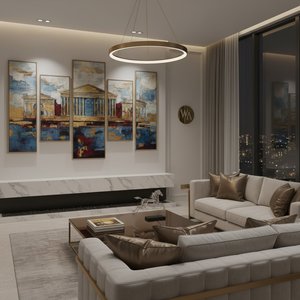
OriginalUniqueArt.com F.A.Q.: Višepanelske Kompozicije – Luksuzno Rešenje za Kolekcionare
Otkrijte eleganciju višepanelskih kompozicija na OriginalUniqueArt.com! Kreirajte luksuznu dekoraciju za vaš prostor uz personalizovane reprodukcije i ekspertne savete. Poručite danas!
