

 Pošalji
 Podeli
 Detalji o delu

 Преузми
 Slični predmeti
 Slajdovi
Landscape
 Silk
Silk- Textile
- Nanga
 1833
1833- 19th Century
 28.0 x 18.0 cm
 Cleveland Museum of Art
 Pročitaj više
Kupite digitalnu sliku visoke rezolucije i poboljšanog kvaliteta, koja je znatno superiornija od onoga što vidite u online prikazu.
Svaka datoteka je pedantno pripremljena od strane naših stručnjaka koristeći napredne alate i profesionalnu ručnu retušu. Osiguravamo da svaka slika ima izuzetnu oštrinu, preciznu reprodukciju boja i fine detalje.
Konačna datoteka se dostavlja putem e-pošte u roku od 72 sata, optimizovana za neposrednu upotrebu u profesionalnim, izdavačkim i štamparskim okruženjima. To je isti kvalitet kojem veruju vrhunski studiji dizajna, izdavači i galerije.
Digitalna slika
Preuzmite datoteku visoke rezolucije za ličnu upotrebu, štampanje i kreativne projekte. ( Kupi print Kupi ručno naslikanu sliku)
Uključeno uz svaku porudžbinu digitalne slike
Profesionalna digitalna isporuka, zagarantovana
Kada odaberete OriginalUniqueArt.com, ne dobijate samo sliku – vi primate profesionalno unapređeno digitalno umetničko delo, izrađeno sa najvećom preciznošću i uz garanciju zadovoljstva. Evo svega što automatski dolazi uz vašu porudžbinu:

Brza dostava putem e-pošte
Vaša digitalna slika visoke rezolucije biće vam poslata putem e-pošte u roku od 72 sata od poručivanja – spremna za trenutnu upotrebu.

Digitalna datoteka unapređena veštačkom inteligencijom
Vaše umetničko delo je profesionalno optimizovano korišćenjem naprednih AI alata i ručne obrade, čime se osiguravaju maksimalni detalji, oštrina i preciznost boja.

Besplatna ponovna isporuka doživotno
Slučajno ste obrisali ili izgubili svoju datoteku? Ne brinite – poslaćemo vam je ponovo u bilo kom trenutku, potpuno besplatno.

Bez troškova uvoza – zauvek
Uživajte u svojim umetničkim delima trenutno, bez carine, dažbina ili troškova dostave – digitalni download je uvek bez poreza.

Garancija vernosti boja
Uz pomoć profesionalnih alata i upravljanja bojama, osiguravamo da vaša digitalna slika što vernije odražava originalne boje.

Garancija zadovoljstva u roku od 60 dana
Ako niste zadovoljni svojom digitalnom slikom, revidirat ćemo je ili vratiti 100% novca u roku od 60 dana – bez ikakvih pitanja.

100% garancija povrata novca
Niste zadovoljni? Obezbedite pun povrat novca u roku od 60 dana od trenutka kada ste primili svoju digitalnu datoteku – bez suvišnih pitanja.

Popusti na velike porudžbine
Kupite 3 slike, uštedite 10% - Kupite 5 slika, uštedite 15% - Kupite 10+ slika, uštedite 20%. Odlično za kreativne projekte, galerije i agencije.
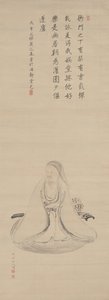
A Journey Through Edo Serenity: The Landscape of Nukina Kaioku
To gaze upon this exquisite landscape by Nukina Kaioku is to step across the threshold of time and into a realm steeped in profound tranquility. Dating from 1833, this piece captures not merely a vista of mountains, trees, and rocks, but rather the very spirit of contemplation that defined much of Edo period Japanese artistry. The delicate rendering on silk, combined with the presence of oriental calligraphy, elevates this work beyond simple decoration; it becomes a meditative object, a tangible whisper from a bygone era when art served as both mirror and guide for the soul.
Mastery in Nanga: Technique and Tradition
Kaioku’s genius is inextricably linked to the tradition of Nanga—the masterful fusion of landscape painting with calligraphy. This integration demands an extraordinary level of skill, requiring the artist to treat ink strokes not just as descriptive elements, but as carriers of philosophical weight. The technique employed here speaks to a deep understanding of materials; the silk substrate allows for a luminosity and softness that wood or paper cannot replicate, giving the mountains a breathy, ethereal quality. Observe how the brushwork guides the eye: it moves seamlessly from the solid grounding of the rocks to the delicate sweep of the distant peaks, all while being anchored by the elegant script that frames the scene.
Symbolism Woven into the Brushstrokes
In Japanese art, landscape is rarely just about geography. The mountains often symbolize permanence and the enduring spirit, while the scattered trees and rocks speak to resilience amidst change. The inclusion of calligraphy adds a layer of intellectual depth; these characters are not mere labels but distillations of poetry or philosophical thought, inviting the viewer to pause and decipher their meaning. For the collector or designer, this piece offers more than aesthetic beauty; it offers conversation—a dialogue between visual art, written word, and natural philosophy. It suggests that true beauty lies in the harmony between the wild grandeur of nature and the disciplined elegance of human contemplation.
Bringing Edo Calm into Modern Spaces
This reproduction captures the essence of a masterpiece designed for quiet appreciation. Whether adorning a formal reception room or lending a serene focal point to a private study, this artwork introduces an immediate sense of cultured calm. Its dimensions (28 x 18 cm) suggest its perfect placement as a treasured accent piece—a window into Japanese aesthetic ideals. Owning a reproduction allows one to partake in the history and profound artistry of Kaioku’s hand without the constraints of time or distance, inviting daily moments of quiet reflection.
CLASSIFICATION: AsianBiografija umetnika
Nukina Kaioku: A Master of Tranquility and Tradition
Nukina Kaioku (1778-1863) stands as a pivotal figure in Edo period Japanese art, embodying the spirit of Nanga—a fusion of landscape painting and calligraphy—and representing one of the “Three Brushes,” a prestigious group of artists recognized for their exceptional skill and artistic vision.
Born into a samurai family steeped in archery instruction to the Hachisuka clan of Awa Province, Kaioku’s upbringing instilled a disciplined ethos that subtly shaped his artistic pursuits. Unlike many of his peers destined for martial prowess, he embraced the intellectual traditions championed by Confucian philosophy and excelled in calligraphy, specifically adopting the stylistic influence of Kūkai—the revered Buddhist monk known for his innovative kana syllabary.
Early Life and Education: Kaioku’s formative years were dedicated to mastering both art and scholarship. His uncle, a priest at Mount Kōyasan’s Shingon-shū temple, nurtured his passion for calligraphy by introducing him to Kūkai's distinctive writing style. This foundational training would prove instrumental in shaping his artistic sensibilities throughout his life.
The Artistic Style of Tranquil Landscapes
Kaioku’s mature artistic style was characterized by unwavering adherence to the orthodox tradition of Wang Xizhi—a monumental figure in Chinese calligraphy whose elegant strokes and profound philosophical underpinning served as a guiding principle. However, he wasn't merely a slavish imitator; Kaioku demonstrated remarkable versatility, skillfully employing Kara-e—the Chinese-style painting technique—to depict breathtaking vistas of Japan’s largest inland lake, Lake Biwa.
His landscapes are imbued with a palpable serenity, reflecting the contemplative spirit of Nanga and conveying a deep appreciation for the natural world. Kaioku's meticulous attention to detail—capturing subtle variations in light and shadow—combined with his masterful command of brushwork created images that resonate with timeless beauty.
Notable Works: Reflections of Seasons
Perhaps Kaioku’s most celebrated achievement is “Lake Biwa in Four Seasons,” completed in 1834. Measuring 62 x 154 cm, this monumental panel painting exemplifies the grandeur and subtlety of Kara-e artistry. It portrays Lake Biwa across its seasonal transformations—spring blossoms, summer greenery, autumn foliage, and winter snow—offering viewers a panoramic glimpse into Japan’s natural splendor.
This artwork stands as a testament to Kaioku's technical prowess and his ability to distill complex emotions into visual form. It exemplifies the core tenets of Nanga painting: capturing the essence of nature while simultaneously conveying philosophical contemplation.
Legacy and Influence
Nukina Kaioku’s influence extended far beyond his own lifetime, inspiring subsequent generations of artists who sought to emulate his stylistic elegance and intellectual depth. He remains a cornerstone of Edo period art history—a symbol of artistic refinement and unwavering devotion to tradition. His serene landscapes continue to captivate audiences today, reminding us of the enduring power of beauty and contemplation.
Nukina Kaioku
1778 - 1863 , Japan
Kratke činjenice
- Artistic Movement Or Style: Nanga Style
- Artists Or Movements Influenced By This Artist: ['Kara-e']
- Artists Who Influenced This Artist: ['Wang Xizhi']
- Date Of Birth: 1778
- Date Of Death: 1863
- Full Name: Nukina Kaioku
- Nationality: Japanese
- Notable Artworks: ['Lake Biwa in Four Seasons']
- Place Of Birth: Shikoku, Japan

