
 Pregledaj u prostoru
 Pošalji
 Podeli
 Detalji o delu
 Vodič
Vodič

 Preuzmi
 Slični predmeti
 Rendgenski snimak
 Automatska prezentacija
 Pitanja i odgovori
 Statistika
Bear hunting

- 107.0 x 57.0 cm


 Pročitaj više
Giclee štampa / Umetnički otisak
Giclée štampa ili print na platnu muzejskog kvaliteta uz brzu izradu i raznovrsne opcije završne obrade. ( Kupite ručno oslikano delo Pređi na digitalnu sliku)




P118B дин10

P118H дин10

P118W дин10

P438Z дин10

P508JH дин12

P508YH дин12

P805H дин10

P805Z дин10

P919BZ дин10

P919G дин10

P919XJ дин10

P959ZH дин10

P968JZ дин12

W106C дин8

W218G дин10

W218JH дин8

W218Y дин10

W307PJ дин10

W316G дин10

W316PJ дин8

W316Y дин10

W398PJ дин8

W4111J дин10

W500HY дин15

W500JH дин15

W692G дин12

W849H дин8

W940BG дин15

W953PJ дин8




Izaberite jednu od naših unapred definisanih veličina koje odgovaraju originalnim proporcijama umetničkog dela.

Unesite željenu širinu i visinu kako bi se štampa uklopila u vaš ram ili zid. Štampu je moguće samo iseći, ali nikada povećati iznad dimenzija originalne slike, stoga format sa drugačijim proporcijama uzrokuje gubitak dela slike. Pre početka štampe, poslaćemo vam digitalni prikaz radi potvrde. Slika prikazana na ovoj stranici ne predstavlja stvarni isrez — to pokazuje samo digitalni prikaz.
Dostava širom sveta () za 2 nedelje umesto uobičajenih 4/5 nedelja. (4 новембар)

Besplatna ekspresna dostava širom sveta

Visokokvalitetno laneno platno

Potpuno osiguranje transporta

Garancija povraćaja carine i uvoznih dažbina

Garancija vernosti boja

Politika povraćaja u roku od 100 dana (samo u slučaju nedostataka)

Garancija povrata 100% novca

Popust na više proizvoda
 Opcija sa staklom dostupna je samo za dimenzije manje od 110 cm

Bear hunting
Giclee štampa / Umetnički otisak
Dimenzije reprodukcije
-


Ukupna cena
дин 8487
A Savage Symphony in Oilcloth: Niko Pirosmani’s “Bear Hunting”
Niko Pirosmani, a largely forgotten titan of Georgian art, possessed an extraordinary ability to distill the essence of rural life and primal emotion onto humble oilcloth canvases. His work, often dismissed as naive or primitive during his lifetime, now stands as a testament to raw honesty and a uniquely captivating vision. “Bear Hunting,” painted in the 1890s, is arguably Pirosmani’s most dramatic and compelling piece – a visceral depiction of a hunting expedition that transcends mere representation, plunging the viewer directly into the heart of Georgian wilderness and the brutal beauty of its traditions.
The scene unfolds within a dense, almost claustrophobic forest. A group of French chasseurs, clad in meticulously rendered uniforms of dark blue and brown, pursue a colossal bison – an animal rendered with astonishing power and scale. The composition is deliberately chaotic; figures are crammed together, limbs tangle, and the bison dominates the frame, its immense form dwarfing the hunters below. Pirosmani eschews traditional perspective, favoring instead a flattened, frontal approach that intensifies the drama and immediacy of the action. Lines are bold and directional, guiding the eye relentlessly across the canvas, mirroring the hunters’ desperate pursuit.
The Primitivist Palette: Color and Texture
Pirosmani's distinctive style is immediately recognizable through his masterful use of color and texture. He employs a restricted palette dominated by deep greens, earthy browns, and muted blues – colors that evoke the dampness and shadow of the forest floor. These somber tones are punctuated by flashes of brighter hues—the crimson of blood (implied), the ochre of the bison’s hide, and the occasional splash of yellow or white to highlight key figures. Crucially, Pirosmani worked on oilcloth, a readily available and inexpensive material in Georgia, which lends his paintings a unique tactile quality. The thick, impasto brushstrokes are visible throughout the composition, creating a palpable sense of physicality – you can almost feel the roughness of the bark beneath your fingers and the weight of the hunters’ clothing.
The technique itself is deliberately rough-hewn, reflecting Pirosmani's lack of formal training. He eschewed meticulous detail in favor of capturing the *feeling* of the scene – the tension, the urgency, the raw energy of the hunt. This approach aligns perfectly with the principles of Primitivism, a movement that sought to strip away academic conventions and return to a more direct, emotionally charged form of expression.
Symbolism of the Hunt: Power, Tradition, and Mortality
“Bear Hunting” is far more than just a depiction of a hunting scene; it’s laden with symbolic meaning. The hunt itself represents power, control, and the enduring traditions of Georgian rural life. For centuries, hunting had been a vital part of the region's economy and culture, providing sustenance and reinforcing social hierarchies. However, Pirosmani doesn’t glorify this activity. Instead, he presents it with a stark realism that acknowledges its inherent violence and potential for destruction.
The massive bison, a symbol of strength and wildness, embodies the forces of nature that the hunters seek to subdue. The implied bloodshed – hinted at through subtle color choices—underscores the cost of this conquest. Furthermore, Pirosmani’s unflinching portrayal of human figures engaged in such a brutal act raises questions about humanity's relationship with the natural world and the consequences of unchecked ambition. The painting subtly evokes themes of mortality and the fleeting nature of life, mirroring the precariousness of both hunter and hunted.
A Window into Georgian Soul: Pirosmani’s Legacy
Niko Pirosmani's work offers a rare glimpse into the soul of Georgia in the late 19th century. His paintings are not merely aesthetically pleasing; they are windows into a world of hardship, resilience, and profound connection to the land. Rediscovered in the mid-20th century, Pirosmani’s art has since gained international recognition as a cornerstone of Georgian primitivism and a powerful example of outsider art. Reproductions of “Bear Hunting” – available through OriginalUniqueArt – allow us to experience this extraordinary vision firsthand, inviting us to contemplate the enduring power of raw emotion and the timeless beauty of the Georgian landscape.
Pitanja i odgovori
Koja su tehnika i dimenzije dela „Bear hunting”, autor Нико Пиросманашвили?
Delo "Bear hunting" je izrađeno u tehnici Oil On Canvas i u svom izvornom obliku ima dimenzije 107 x 57 cm.
Koja veličina štampe za "Bear hunting" bi najbolje odgovarala mojoj prostoriji?
Za Living Room, preporučena veličina štampe dela „Bear hunting”, autor Нико Пиросманашвили je Large.
Šta "Bear hunting" deli sa ostatkom stvaralaštva umetnika Нико Пиросманашвили?
„Bear hunting“ deli sa ostalim delima umetnika Нико Пиросманашвили svoj Primitivism stil i prepoznatljive teme: european realism influence, georgian rural life depiction, power & nature conflict, hunter's instincts shown, pirosmani's primitive style, iconic georgian portraiture, early 20th century vision, unique artistic voice.
Biografija umetnika
Рани живот и почеци каријере
Нико Пиросманашвили, грузијски примитивистички сликар, рођен је 1862. године у селу Мирзаани, у покрајини Кахетија. Његови родитељи, Аслан Пиросманашвили и Текле Токликишвили, били су фармери који су поседовали мали виноградник. Остао сирак у раној младости, Нико је остављен на бригу своје две старије сестре. Његов живот био је обележен тешком судбином и сиромаштвом, али је управо та борба оставила неизбрисив траг на његовом уметничком изразу. У почетку, није било назнака да ће овај младић променити ток грузијске уметности, али његова страст за посматрањем света око себе била је неоспорна.Уметнички стил и теме
Пиросманашвилијев уметнички стил карактерише његова наивна и примитивистичка природа, често приказујући сценe из свакодневног живота Грузијаца. Његове слике, углавном рађене на маслој тканини, показују његово јединствено композиционо разматрање и фронталне позиције фигура. Уметник је био веома привржен природи и руралном животу, ретко укључујући градске пејзаже у своја дела. Његов стил се издваја по директности, искрености и аутентичности, без тежње ка академској прецизности или реалистичном приказу. Пиросманашвили је умео да захвати суштину грузијске културе и духа народа, кроз једноставне форме и снажне боје.Позната дела и изложбе
Нека од познатијих Пиросманашвилијевих дела укључују:- Муша са буретом вина, слика која показује његову способност да зароби суштину грузијске културе.
- Грузијско венчање, представља традиционалне церемоније грузијског венчања.
- Портрет Жданевича, портрет руског песника Михаила Ле-Дантуа, који је изазвао одушевљење Кирила Зданевича и његовог брата Илије Зданевича.
Наслеђе и постхумно признање
Пиросманашвилијев живот је био обележен сиромаштвом, али његово постхумно признање било је значајно. Његов рад је прослављен на разним изложбама, укључујући прву велику изложбу грузијских сликара 1918. године. Данас се његове слике налазе у Музеју уметности Грузије и Историјско-етнографском музеју Сигнагија, са преко 350.000 посетилаца. Пиросманашвилијева уметност је постала симбол грузијског идентитета и културног наслеђа. Његов рад наставља да инспирише уметнике и публику широм света, а његова прича о борби, страсти и посвећености уметности остаје вечно релевантна. Погледајте радове Ника Пиросманашвилија на OriginalUniqueArt Сазнајте више о Нику Пиросманашвилију на Википедији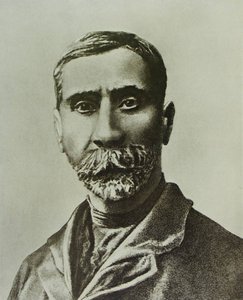
Нико Пиросманашвили
1862 - 1918 , Грузија
Osnovne informacije
- Artistic Movement Or Style: Primitivizam
- Artists Who Influenced This Artist: ['Vladimir Lado Gudiashvili']
- Date Of Birth: 5. maj 1862.
- Date Of Death: 9. april 1918.
- Full Name: Nikoláy Aslánovich Pirosmanashvíli
- Nationality: Gruzijski
- Notable Artworks:
- Musha sa bocom vina
- Gruzijsko venčanje
- Portret Ždaneviča
- Place Of Birth: Mtskheta, Gruzija
Povezani članci

The Enduring Legacy of Oil on Canvas: Technique, History & Aesthetic Impact
Explore the rich history & techniques of oil painting – from Renaissance masters to Impressionism. Discover pigments, layering methods, and why this timeless medium endures. Expert insights for artists & art enthusiasts.

The Enduring Power of Painting: A Historical & Contemporary Exploration of Form and Emotion
Explore the rich history & enduring techniques of oil painting with OriginalUniqueArt. Discover masterpieces, learn about art collecting, and find authentic handmade reproductions crafted by skilled artists.

Oil on Canvas: A Historical & Technical Exploration of a Timeless Artistic Medium
Explore the rich history & enduring techniques of oil painting on canvas. Discover the science behind its longevity, conservation practices, and contemporary relevance. Expert insights for art enthusiasts.
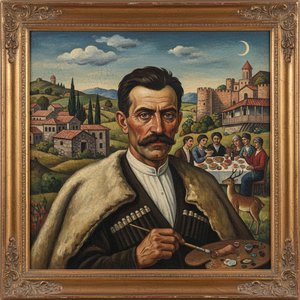
Niko Pirosmani: A Georgian Visionary – Life, Legacy, and the Poetics of Outsider Art
Discover the captivating life & art of Niko Pirosmani, Georgia’s celebrated primitivist painter. Explore his unique oilcloth paintings, lasting influence, and enduring legacy with OriginalUniqueArt.

Trajnu Ostavština Uljanih Boja na Platnu: Tehnika, Istorija i Savremena Praksa
Istražite bogatu istoriju i savremene tehnike uljanog slikarstva. Saveti stručnjaka, analiza radova velikih majstora i vodiči za biranje kvalitetnih materijala. Otkrijte tajne očuvanja umetničkih dela!
