

 Pregledaj u prostoru
 Pošalji
 Podeli
 Detalji o delu

 Преузми
 Slični predmeti
 Rendgenski snimak
 Slajdovi
 Statistika
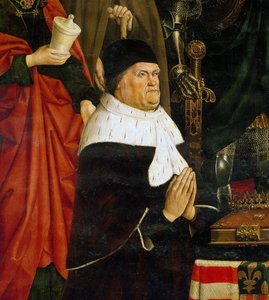
Matheron Diptych


 Pročitaj više
Giclee štampa / Umetnički otisak
Giclée štampa ili print na platnu muzejskog kvaliteta uz brzu proizvodnju i fleksibilne opcije završne obrade. ( Kupi ručno naslikanu sliku Pređi na digitalnu sliku)




































Izaberite jednu od naših unapred definisanih veličina koje odgovaraju originalnim proporcijama umetničkog dela.

Možete uneti sopstvene dimenzije kako biste umetničko delo prilagodili specifičnom okviru ili prostoru. Ako odabrani format ne odgovara proporcijama originalne slike, mi ćemo ili iscrtati deo dela ili proširiti sliku pomoću ogledane ivice ili jednobojnog popunjavanja. Digitalni prikaz će vam biti poslat na odobrenje pre početka proizvodnje.
Imajte na umu da pregled na ekranu ne odražava stvarno iscrtavanje ili proširivanje. Samo će prikaz (mockup) precizno pokazati finalnu kompoziciju.
Iako su prilagođene dimenzije dostupne, preporučujemo da odaberete dimenziju sa unapred definisane liste kako biste očuvali originalne proporcije.
Dostava širom sveta () za 2 nedelje umesto uobičajenih 4/5 nedelja. (15 септембар)

Besplatna ekspresna dostava širom sveta

Visokokvalitetno laneno platno

Kompletno osiguranje transporta

Garancija povraćaja carine i uvoznih dažbina

Garancija vernosti boja

Politika povraćaja u roku od 100 dana (isključivo u slučaju nedostataka)

Garancija povrata novca od 100%

Popust pri grupnoj kupovini
 Opcija sa staklom dostupna je samo za dimenzije manje od 110 cm

Matheron Diptych
Giclee štampa / Umetnički otisak
Dimenzije reprodukcije
-


Konačna cena
$ 80
Biografija umetnika
Nicolas Froment: A Flemish Echo in Early Renaissance Provence
Nicolas Froment (c. 1435 – c. 1486) stands as a pivotal figure within the Second School of Avignon, marking a crucial juncture between Gothic tradition and burgeoning Flemish naturalism in French art during the fifteenth century. Born in Uzès, France, Froment’s artistic trajectory coincided with an era profoundly impacted by papal patronage and the allure of Italian Renaissance ideals—a dynamic that fueled stylistic experimentation and ultimately cemented his place as one of Provence's most celebrated painters.- Early Life & Training: Precise biographical details surrounding Froment’s formative years remain elusive, contributing to ongoing scholarly debate regarding his artistic origins. However, evidence suggests he honed his skills in Paris under the tutelage of Jean Fouquet, a prominent Gothic artist whose influence undeniably shaped Froment's initial stylistic sensibilities.
- The Avignon School & Flemish Influence: Froment’s involvement with the Second School of Avignon—a collective striving to revitalize artistic expression amidst papal exile—was instrumental in introducing Flemish painting techniques into France. Artists like Rogier van der Weyden and Hugo van der Goes had revolutionized European art with their masterful depictions of realism, emotional intensity, and meticulous detail—principles that Froment skillfully adopted.
Notable Works & Artistic Style
Froment’s oeuvre is characterized by a distinctive blend of Gothic elegance and Flemish naturalism. He achieved considerable renown for his monumental altarpiece commissioned in Aix-en-Provence for Catherine Spifami, depicting the Passion of Christ and incorporating scenes from Mary Magdalene's life—a testament to the prevailing devotional fervor of the time. Particularly noteworthy is “The Burning Bush,” a panel painting housed at the Metropolitan Museum of Art in New York, showcasing Froment’s masterful command of color and texture. The composition captures the dramatic moment of Moses encountering God amidst flames, embodying profound spiritual symbolism.- "The Burning Bush" exemplifies Froment's ability to convey emotion through meticulous observation and skillful brushwork—a hallmark of Flemish painting.
- His retable des Pérussis, also located at the Metropolitan Museum of Art, further demonstrates his engagement with Flemish naturalism, presenting a vibrant portrayal of the adoration of the Holy Cross.
Legacy & Historical Significance
Despite challenges in definitively attributing numerous works to Froment—a common predicament faced by artists of his era—his contribution to French art history remains undeniable. He stands as a pivotal conduit for disseminating Flemish artistic innovations, propelling the Second School of Avignon toward a more expressive and realistic aesthetic. Furthermore, Froment’s work serves as an invaluable window into the cultural landscape of fifteenth-century Provence, reflecting both the enduring legacy of Gothic tradition and the transformative impact of Renaissance ideals—a synthesis that continues to inspire admiration among art historians and collectors alike.Further Exploration
For a deeper understanding of Nicolas Froment’s artistic achievements and his role in shaping French Renaissance art, consult resources such as:- Wikipedia:
- Britannica:
Nicolas Froment
1430 - 1484 , France
Osnovne informacije
- Artistic Movement Or Style: Early Renaissance; Flemish Style
- Artists Or Movements Influenced By This Artist: ['Italian Art']
- Artists Who Influenced This Artist: ['Flemish Artists']
- Date Of Birth: c. 1435
- Date Of Death: c. 1486
- Full Name: Nicolas Froment
- Nationality: French
- Notable Artworks:
- The Burning Bush
- Triptych of the Burning Bush
- Place Of Birth: Uzès, France