

 Pregledaj u prostoru
 Podeli
 Podeli
 Detalji
 Vodič
Vodič

 Preuzmi sliku
 Slični predmeti
 Rendgenski snimak
 Automatska prezentacija
 Statistika
From Sunde
 Oil
Oil- WallArt
- Neo-Romanticism
 1921
1921- Modern
 72.0 x 94.0 cm
 Bergen Kunstmuseum
 Pročitaj više
Giclee štampa / Umetnički otisak
Giclée štampa ili print na platnu muzejskog kvaliteta uz brzu izradu i raznovrsne opcije završne obrade. ( Naručite ručno oslikano reprodukciju Pređi na prodaju digitalnih slika)




P118B дин10

P118H дин10

P118W дин10

P438Z дин10

P508JH дин12

P508YH дин12

P805H дин10

P805Z дин10

P919BZ дин10

P919G дин10

P919XJ дин10

P959ZH дин10

P968JZ дин12

W106C дин8

W218G дин10

W218JH дин8

W218Y дин10

W307PJ дин10

W316G дин10

W316PJ дин8

W316Y дин10

W398PJ дин8

W4111J дин10

W500HY дин15

W500JH дин15

W692G дин12

W849H дин8

W940BG дин15

W953PJ дин8




Izaberite jednu od naših unapred definisanih veličina koje odgovaraju originalnim proporcijama umetničkog dela.

Unesite širinu i visinu koja vam je potrebna, kako bi se uklopili u vaš ram ili na vaš zid. Štampa se može samo iseći, nikada ne može biti veća od originalne slike, stoga format sa drugačijim proporcijama gubi deo slike. Poslaćemo vam digitalni prikaz radi potvrde pre nego što započnemo štampu. Slika prikazana na ovoj stranici ne pokazuje stvarni rez — to pokazuje samo digitalni prikaz.
Dostava širom sveta () za 2 nedelje umesto uobičajenih 4/5 nedelja. (21 октобар)

Besplatna ekspresna dostava širom sveta

Visokokvalitetno laneno platno

Sveobuhvatno osiguranje transporta

Garancija povraćaja carine i uvoznih dažbina

Garancija vernosti boja i autentičnosti pri reprodukciji

Politika povraćaja u roku od 100 dana (samo u slučaju nedostataka)

Garancija povrata 100% novca

Popust pri većoj količini
 Opcija sa staklom dostupna je samo za dimenzije manje od 110 cm

From Sunde
Giclee štampa / Umetnički otisak
Veličina reprodukcije
-


Ukupna cena
дин 8200
A Window into the Soul of Vestlandet
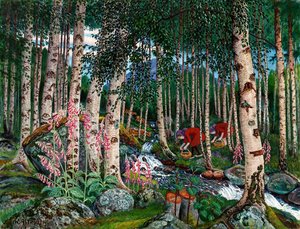
In the evocative masterpiece From Sunde, painted in 1921, we are invited to step into the lush, breathing landscape of Nikolai Astrup’s beloved Norway. This work is far more than a mere depiction of a mountainous region; it is a profound sensory experience that captures the very essence of the Vestlandet spirit. The composition is anchored by a magnificent, sprawling tree in the foreground, its branches reaching out like ancient sentinels over a valley rich with life and movement. As the eye wanders through the verdant terrain, it encounters a rugged rock wall and a rustic fence, elements that ground the ethereal beauty of the mountains in the tangible reality of rural Norwegian life. The scene is subtly animated by the presence of figures scattered throughout the landscape, their smallness emphasizing the grand, overwhelming scale of the natural world surrounding them.
Astrup’s unique technique breathes a rhythmic vitality into the canvas. Through his mastery of color and light, he achieves a neo-romantic atmosphere where the boundaries between reality and folklore seem to blur. The interplay of shadows against the sun-drenched slopes creates a sense of depth that pulls the viewer into the heart of the mountains. Interestingly, the inclusion of two automobiles—one tucked toward the right and another on the far left—serves as a fascinating temporal marker. These modern intrusions into an otherwise timeless pastoral setting suggest a landscape in transition, perhaps hinting at the burgeoning era of tourism where the quiet majesty of the fjords began to meet the wider world. For the collector, this detail adds a layer of historical intrigue, making the piece a conversation starter about the intersection of tradition and modernity.
A Symphony of Color and Nostalgia
For interior designers and art enthusiasts alike, From Sunde offers an unparalleled emotional resonance. The painting functions as a portal to a bygone era, evoking a deep sense of nostalgia and a longing for the untamed beauty of nature. The palette is both vibrant and soothing, utilizing the rich greens, earthy browns, and atmospheric blues that defined Astrup’s legendary "visual language." This piece does not merely decorate a wall; it transforms a room into a sanctuary of peace and reflection. When placed in a curated space, such as a sophisticated study or a light-filled living area, the artwork provides a focal point that commands attention while maintaining a serene, contemplative energy.
Investing in a high-quality reproduction of this work allows one to possess a fragment of Norwegian heritage. The meticulous attention to detail—from the texture of the rocky outcrops to the delicate placement of the distant figures—ensures that the emotional impact of the original is preserved. It is an ideal selection for those who seek art that tells a story, offering a sense of permanence and organic warmth. Whether you are drawn to its historical significance as a cornerstone of neo-romanticism or simply captivated by its breathtaking scenery, From Sunde remains a timeless testament to the enduring power of the natural landscape.
Pitanja i odgovori
Mogu li da pregledam „From Sunde”, Nikolai Astrup pre naručivanja?
Stranica Pregled za delo "From Sunde" omogućava vam da pregledate umetničko delo pre naručivanja.
Kada i od kojih materijala je napravljeno "From Sunde"?
Delo "From Sunde" nastalo je 1921. godine korišćenjem tehnike Oil. Materijal i datum opisuju način i vreme kada je originalstvo izrađeno.
Postoji li informativni list o delu „From Sunde”, Nikolai Astrup namenjen studentima?
Dostupna je Vodič stranica za „From Sunde”, Nikolai Astrup: štampani informativni list o umetničkom delu, dizajniran za učenike i upotrebu u učionici.
Biografija umetnika
Nikolai Astrup: Vizionar Vestlandet
Nikolai Astrup (1880 – 1928) predstavlja jedinstvenu figuru u istoriji norveške umetnosti — slikari čija je duboka povezanost sa pejzažima i tradicijama Vestlandet-a utvrdila njegovo mesto među najistražljivijim neoromantičnim umetnicima svog vremena. Rođen u Bremangeru, u regionu Sogn og Fjordane, Astrupovo odrastanje usred krševih fjorda i spokojnih dolina duboko je oblikovalo njegov umetnički senzibilitet, usmeravajući ga ka stilu koji karakterišu intenzivne palete boja i nepokolebljiva posvećenost prikazivanju svakodnevnog života ruralne Norveške. Njegovo nasleđe ne leži samo u estetski ugodnim platnima, već i u njegovom pionirskom naporu da uhvati „nacionalni vizuelni jezik“ koji je prizivao tradicije i folklor njegove domovine.- Rano detinjstvo i obrazovanje: Astrupove formativne godine obeležila je porodična pobožnost koju mu je usadio otac, Christian Astrup, župni sveštenik koji ga je podsticao na teološka studija. Uprkos prvobitnim težnjama ka službi, Astrupova strast prema crtanju i slikanju na kraju ga je navela da napusti Katedralnu školu u Trondheimu kako bi se posvetio umetničkim poduhvatima u Kristianiji (Oslo), gde je usavršavao svoje veštine pod mentorstvom Harriet Backer.
- Povratak u Jølster i umetnički razvoj: Vraćajući se u svoju rodnu zemlju, Jølster, 1902. godine, Astrup je osnovao domaćinstvo okruženo svojom suprugom, Engel Sunde, sa kojom je imao osmoro dece. Ekonomski izazovi njihovog života podstakli su njegov umetnički nagon i naveli ga da se potpuno uroni u prikazivanje svog okruženja — pejzaža koji je služio kao nepresušan izvor inspiracije.
- Značajne izložbe: Astrupova umetnička reputacija steadily je rasla kroz tri značajne izložbe održane u Kristianiji (1905), Bergenu (1908) i Oslu (1911). Ovi prikazi doneli su kritičke pohvale i učinili ga vodećim glasom unutar norveške umetničke scene.
- Velika dostignuća i nasleđe: Trajni doprinos Astrupa norveškoj umetnosti leži u njegovoj nepokolebljivoj potrazi za umetničkom autentičnošću — posvećenosti prikazivanju lepote i duha Vestlandet-a sa nepokolebljivom iskrenošću. Njegova dela nastavljaju da odjekuju i danas, služeći kao moćni simboli nacionalnog nasleđa i olikujući ideale neoromantizma.
Nikolai Astrup
1880 - 1928 , Norveška
Brzi pregled
- Artistic Movement Or Style: Neo-romantizam
- Artists Or Movements Influenced By This Artist: ['Skandinavska umetnost']
- Artists Who Influenced This Artist: ['Kristijan Krohg']
- Date Of Birth: 1880
- Date Of Death: 1928
- Full Name: Nikolaj Johanes Astrup
- Nationality: Norveški
- Notable Artworks:
- Župnik koji želi udaju
- Gola stabla
- Devojka koja pere
- Place Of Birth: Bremanger, Norveška
Srodni članci

Johan Christian Dahl: Pioneering Norwegian Romantic Landscape Painting
Explore the life & art of Johan Christian Dahl, Norway's first great Romantic painter. Discover his iconic landscapes, cultural impact, and lasting legacy with OriginalUniqueArt.

Glavna dela koja su definisala Romantični pejzaž: 10 remek-dela za vaš dom
Otkrijte 10 remek-dela romantičnog pejzažnog slikarstva! Uronite u svet Claude Lorraina, Caspara David Friedricha i Turnera. Ispričane priče umetnosti, inspiracija za dekoraciju doma. Kvalitetne reprodukcije na OriginalUniqueArt.com – istražite celu kolekciju online!

The Sublime and the Picturesque: Exploring Emotion & Nature in Romantic Landscape Painting
Explore the emotional power of Romantic landscape painting! Discover the sublime & picturesque traditions, key artists like Friedrich & Cole, and find your perfect artwork at OriginalUniqueArt.

25 Remek-dela Džona Konstebla: Lepota Engleske na Platnu | OriginalUniqueArt
Uronite u svet Džona Konstebla! Otkrijte 25 remek-dela engleskog pejzaža, romantizma i seoske idile. Kupite reprodukcije slika vrhunskog kvaliteta za dekoraciju enterijera na OriginalUniqueArt.com.

Evocations of Place: A Historical Journey Through Landscape Art
Explore the rich history of landscape art with OriginalUniqueArt. Discover renowned artists, movements like Impressionism & Romanticism, and expert guidance for collecting timeless pieces. Find your perfect serene escape today!