
 Pregledaj u prostoru
 Pošalji
 Podeli
 Detalji o delu
 Vodič
Vodič

 Preuzmi
 Slični predmeti
 Rendgenski snimak
 Automatska prezentacija
 Pitanja i odgovori
 Statistika
Apostle Thomas


 Pročitaj više
Giclee štampa / Umetnički otisak
Giclée štampa ili print na platnu muzejskog kvaliteta uz brzu izradu i raznovrsne opcije završne obrade. ( Kupite ručno oslikano delo Pređi na digitalnu sliku)




P118B дин10

P118H дин10

P118W дин10

P438Z дин10

P508JH дин12

P508YH дин12

P805H дин10

P805Z дин10

P919BZ дин10

P919G дин10

P919XJ дин10

P959ZH дин10

P968JZ дин12

W106C дин8

W218G дин10

W218JH дин8

W218Y дин10

W307PJ дин10

W316G дин10

W316PJ дин8

W316Y дин10

W398PJ дин8

W4111J дин10

W500HY дин15

W500JH дин15

W692G дин12

W849H дин8

W940BG дин15

W953PJ дин8




Izaberite jednu od naših unapred definisanih veličina koje odgovaraju originalnim proporcijama umetničkog dela.

Unesite željenu širinu i visinu kako bi se štampa uklopila u vaš ram ili zid. Štampu je moguće samo iseći, ali nikada povećati iznad dimenzija originalne slike, stoga format sa drugačijim proporcijama uzrokuje gubitak dela slike. Pre početka štampe, poslaćemo vam digitalni prikaz radi potvrde. Slika prikazana na ovoj stranici ne predstavlja stvarni isrez — to pokazuje samo digitalni prikaz.
Dostava širom sveta () za 2 nedelje umesto uobičajenih 4/5 nedelja. (5 новембар)

Besplatna ekspresna dostava širom sveta

Visokokvalitetno laneno platno

Potpuno osiguranje transporta

Garancija povraćaja carine i uvoznih dažbina

Garancija vernosti boja

Politika povraćaja u roku od 100 dana (samo u slučaju nedostataka)

Garancija povrata 100% novca

Popust na više proizvoda
 Opcija sa staklom dostupna je samo za dimenzije manje od 110 cm

Apostle Thomas
Giclee štampa / Umetnički otisak
Dimenzije reprodukcije
-


Ukupna cena
дин 8493
A Study in Contemplation: Nicolaes Maes’s Apostle Thomas
- The Weight of Faith: Nicolaes Maes’s “Apostle Thomas” is more than a mere portrait; it's a carefully constructed meditation on faith, knowledge, and the quiet moments of introspection. Executed in 1656 during his formative years, this Baroque masterpiece reveals the burgeoning talent of a young artist deeply influenced by the master himself, Rembrandt van Rijn. The painting’s power resides not just in its subject – the Apostle Thomas, traditionally depicted as the doubter who demanded to feel Jesus' wounds – but in Maes’s ability to translate that theological tension into a palpable visual experience.
- Baroque Drama and Dutch Light: Born in Dordrecht in 1634, Nicolaes Maes inherited the hallmarks of the Dutch Golden Age: a profound understanding of light and shadow – *chiaroscuro* – and an unwavering commitment to realism. This particular work exemplifies this approach brilliantly. The dark, almost impenetrable background serves as a dramatic stage for Thomas’s figure, intensifying the impact of the carefully rendered details. Maes skillfully manipulates light to illuminate Thomas' face and hands, drawing the viewer’s eye to his contemplative expression and the objects he holds – a book and quill pen – symbols of learning and devotion.
Technical Mastery: A Rembrandt-Inspired Approach
- Detailed Rendering and Texture: Maes's meticulous attention to detail is immediately apparent. The fur lining of Thomas’s robe isn’t simply painted; it’s sculpted with a remarkable understanding of texture, conveying warmth and luxury. Similarly, the folds of the fabric, the quill pen, and the book itself are rendered with painstaking accuracy, demonstrating Maes's dedication to capturing the nuances of form and material. This level of detail was characteristic of artists working under Rembrandt’s influence, who prioritized a realistic portrayal over idealized beauty.
- Color Palette and Composition: The color palette is rich and warm, dominated by browns, reds, and golds – colors associated with wealth, piety, and the divine. The composition itself is carefully balanced, with Thomas positioned centrally within the frame, creating a sense of stability and authority. The use of negative space further enhances the painting’s impact, allowing the viewer's eye to rest and contemplate the scene.
Historical Context: Faith and Portraiture in the Dutch Golden Age
- The Rise of Religious Portraiture: The mid-17th century was a period of significant religious upheaval in Europe, and this is reflected in the subject matter of many Dutch portraits. Portraits were not merely representations of individuals; they were often statements of faith and social status. Thomas, as one of the apostles who doubted Jesus, offered an opportunity to explore themes of doubt, repentance, and ultimately, redemption – a potent message for a society grappling with religious questions.
- Rembrandt’s Influence: Maes's apprenticeship under Rembrandt was crucial to his development. The influence of Rembrandt’s dramatic use of light and shadow, his psychological insight into his subjects, and his masterful handling of color are all evident in “Apostle Thomas.” This painting stands as a testament to the enduring legacy of one of history’s greatest artists.
Provenance and Significance
- A Staatliche Museen Masterpiece: Currently housed at the Staatliche Museen in Kassel, Germany, “Apostle Thomas” represents a significant addition to the collection of Baroque masterpieces. Its presence within a public institution underscores its artistic merit and accessibility to art lovers worldwide.
- Collecting the Spirit of the Golden Age: This reproduction offers an unparalleled opportunity to own a piece of Dutch history, capturing not only the visual beauty of Maes’s work but also the intellectual and spiritual context in which it was created. It's a window into a pivotal era of artistic innovation and religious exploration – a timeless testament to the power of human contemplation.
Pitanja i odgovori
O kakvom se delu radi u "Apostle Thomas"?
„Apostle Thomas”, autor Николас Маес je klasifikovan/a kao WallArt. Ova kategorija opisuje vrstu umetničkog dela kojoj original pripada.
Kakva su prava na reprodukciju dela "Apostle Thomas" u muzeju Staatliche Museen Kassel?
Originalno delo "Apostle Thomas" čuva se u muzeju Staatliche Museen Kassel, a rad je u javnom vlasništvu – autorska prava su istekla.
Koji je koloristički identitet dela „Apostle Thomas”, autor Николас Маес?
„Apostle Thomas“ karakteriše Earthy paleta u kojoj dominira Clay (#976f50).
Biografija umetnika
Живот у светлу и сенци Холандског златног века
Николас Маес, име које тихо одјекује у пантеону мајстора Холандског златног века, рођен је у Дордрехту јануара 1634. године, у свету препуном трговачког просперитета и уметничке ферментације. Његов отац, Герит Маес, успешан трговац тканином и произвођач сапуна, обезбедио је удобан живот који је младом Николасу омогућио да негује свој растући таленат за сликање. Иако су ране лекције долазиле од локалног уметника скромног угледа, преломни тренутак у Маесовом развоју наступио је када је око 1648. године отпутовао у Амстердам и ушао у радионицу Рембранта ван Рајна. Ова ученичка пракса се показала као трансформативна, усађујући му трајну захвалност за драматичну игру светлости и сенке – *кијароскуро* – и мајсторско управљање бојом које ће дефинисати његова рана дела. Утицај је био толико дубок да су почетна сликања, као што су приказа библијских сцена рендерованих фигурама величине живота и богатим, блиставим нијансама, често погрешно приписивана самом Рембранту. Ове формирајуће године поставиле су основу за каријеру обележену техничком бриљантношћу и интимним разумевањем људских емоција.Из сенке Рембранта у самосталну визију
Вративши се у Дордрехт 1654. године, Маес је започео да кова свој уметнички пут, постепено се дистанцирајући од директне имитације бившег учитеља. Наредна деценија била је сведок преласка на мање сцене домаће жанровске слике, задржавајући живописну колористику коју је упио током времена са Рембрантом. Усмерио је свој оштар поглед ка свакодневном животу холандских грађана, сликајући жене ангажоване у обичним активностима – предење вуне, читање Светог писма, припрему оброка – са изузетним детаљем и осетљивошћу. Посебна фасцинација се појавила са сложеном вештином израде чипке, инспиришући бројне варијације на ову тему, од којих свака представља сведочанство Маесовог педантског посматрања и умећа. Ова сликања нису била само прикази свакодневног живота; они су били прозори у кућну сферу, откривајући тиху достојанственост и суптилне наративе испредене у тканини друштва Холандије у 17. веку. Њихов рад из овог периода демонстрира способност да заробља не само *шта* су људи радили, већ и *како* су се осећали док то раде.Портретиста Амстердама
Године 1673. Маес се преселио у Амстердам, потез који је сигнализирао и уметничку амбицију и оштру адаптацију на еволуирајуће тржиште уметности. Град, још увек потресен ратом са Енглеском и Француском, представио је растућу потражњу за портретима, а Маес се брзо утврдио као један од водећих практичара. Напустио је већи део свог ранијег жанровског рада, уместо тога фокусирајући се на снимање ликова и личности истакнутих грађана Амстердама. Његови портрети карактерише префињена елеганција и психолошки увид, откривајући не само физичку сличност већ и трагове карактера и друштвеног положаја. Радови попут „Портрета Герарда Ровера, трговца и бродовласника у Амстердаму“ пример су ове вештине, представљајући достојанствен портрет богатства и грађанског поноса. Постао је вешт у преношењу статуса кроз суптилне детаље – квалитет тканина, рез одеће, самопоуздан став својих модела. Ово раздобље обележила је значајна стилска промена, удаљавајући се од раније топлине и интимности ка поглађенијој и софистициранијој естетици.Наслеђе и трајан апел
Николас Маес је преминуо у Амстердаму у децембру 1693. године, оставивши за собом значајан корпус дела који наставља да очарава публику данас. Његова сликања нуде непроцењиве увиде у друштвене обичаје, кућне ентеријере и психолошку сложеност Холандског златног века. Иако његови рани радови носе неоспориви траг Рембрантовог утицаја, Маес је на крају развио карактеристичан стил обележен педантном детаљношћу, живописном палетом боја и осетљивим приказом људског карактера. Њгова способност да уздигне свакодневне сцене и појединце на уметнички ниво обезбеђује му место међу најважнијим сликарима своје ере. Данас се његове слике чувају у престижним збиркама широм света, укључујући Ријксмузеум у Амстердаму, Националну галерију у Лондону и Националну галерију у Вашингтону, лако доступне за проучавање и цењење кроз платформе попут OriginalUniqueArt.com, обезбеђујући да наслеђе овог мајсторског холандског уметника траје генерацијама које долазе.Кључне карактеристике његовог рада
- Рембрантов утицај: Рани радови демонстрирају снажан утицај Рембранта ван Рајна, посебно у употреби кијароскура и богатих палета боја.
- Жанровске сцене: Маес је познат по својим интимним приказима свакодневног живота, фокусирајући се на кућне ентеријере и активности попут предења, читања и израде чипке.
- Мастерство портрета: Постао је водећи портретиста у Амстердаму, познат по томе што је са прецизношћу и елеганцијом заробљавао лик и карактер својих модела.
- Детаљно посматрање: Његова сликања карактерише педантна пажња на детаље, посебно у рендеровању текстура, тканина и израза лица.
- Психолошки увид: Маес је поседовао изузетну способност да пренесе унутрашње животе и емоције својих субјеката кроз суптилне гестове и изразе.
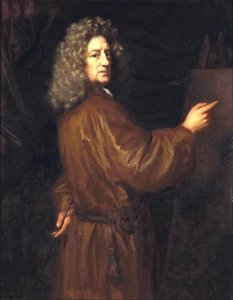
Николас Маес
1634 - 1693 , Holandija
Osnovne informacije
- Artistic Movement Or Style: Barok, Zlatno doba
- Artists Or Movements Influenced By This Artist: ['Holandski slikari žanra']
- Artists Who Influenced This Artist: ['Rembrandt van Rijn']
- Date Of Birth: Januar 1634.
- Date Of Death: Decembar 1693.
- Full Name: Nikolaes Maes
- Nationality: Holanđanin
- Notable Artworks:
- Razmišljanje
- Kartaši
- Poteyeva
- Röver
- Portret žene
- Place Of Birth (City And Country): Dordrecht, Holandija
Povezani članci

Chiaroscuro and Character: A Definitive Guide to Light and Shadow in the Dutch Baroque Era
Explore the dramatic mastery of the Dutch Baroque era. Discover how masters like Rembrandt used chiaroscuro to transform everyday life into timeless art. An expert guide for collectors and enthusiasts seeking to understand the profound interplay of light and shadow.

Golden Light & Dutch Skies: The Timeless Magic of Dutch Golden Age Landscapes
Discover the breathtaking beauty of Dutch Golden Age landscapes. Explore the mastery of light, chiaroscuro, and 17th-century realism through an expert art history lens, celebrating the enduring legacy of the Dutch Masters for discerning collectors and art lovers.

Dutch Baroque Masters: 10 Paintings That Shaped an Era | OriginalUniqueArt
Journey through the Golden Age with our guide to the Top 10 Dutch Baroque masterpieces! Explore iconic paintings by Rembrandt, Vermeer & Frans Hals. Find museum-quality art reproductions and elevate your home decor at OriginalUniqueArt.com.

Zlatno doba Holandske umetnosti: Top 10 remek dela za vaš dom
Otkrijte remek dela Holandskog zlatnog doba! Uronite u svet Rembrandta, Vermeera i drugih majstora. 10 ikoničnih slika koje su definisale umetnost. Inspiracija za vaš dom i kolekciju - ekskluzivne reprodukcije na OriginalUniqueArt.com!

Golden Age Reflections: Dutch Baroque Painting & Cultural Innovation
Explore the Dutch Golden Age of painting! Discover key artists like Vermeer & ter Borch, their innovative techniques, and the rich cultural context behind these Baroque masterpieces. Learn about collecting & appreciating this iconic art period.