

 Pregledaj u prostoru
 Pošalji
 Podeli
 Detalji o delu

 Преузми
 Slični predmeti
 Rendgenski snimak
 Slajdovi
Elephant Cart


 Pročitaj više
Ručno rađena uljana reprodukcija
Ručno oslikano uljanim bojama na platnu u dimenzijama i okviru po vašem izboru, izrađeno po porudžbini od strane naših umetnika. ( Kupi print Kupi digitalnu sliku)




P118B $10

P118H $10

P118W $10

P438Z $10

P508JH $12

P508YH $12

P805H $10

P805Z $10

P919BZ $10

P919G $10

P919XJ $10

P959ZH $10

P968JZ $12

W106C $8

W218G $10

W218JH $8

W218Y $10

W307PJ $10

W316G $10

W316PJ $8

W316Y $10

W398PJ $8

W4111J $10

W500HY $15

W500JH $15

W692G $12

W849H $8

W940BG $15

W953PJ $8




Izaberite jednu od naših unapred definisanih veličina koje odgovaraju originalnim proporcijama umetničkog dela.

Можете унети сопствене димензије како бисте прилагодили дело одређеном оквиру или простору. Ако одабрана величина не одговара пропорцијама оригинала, слика ће бити исечена или проширена додатним елементима који се ручно насликавају. Дигитални prikaz ће вам бити послат на одобрење пре почетка производње.
Имајте на уму да преглед на екрану не одражава стварно исецање или проширење. Само приказ (mockup) ће тачно приказати коначну композицију.
Иако су доступне прилагођене величине, препоручујемо да одаберете димензију из дефинисане листе како бисте сачували оригиналне пропорције.
Nakon narudžbine, tim OriginalUniqueArt.com će klijentu putem e-pošte poslati uputstva i dostaviti prikaz predloženog rešenja
Isporuka širom sveta () za 3/4 nedelje umesto uobičajenih 5 nedelja. (22 август). Bez kompromisa po pitanju kvaliteta.

Besplatna ekspresna dostava širom sveta

Visokokvalitetno laneno platno

Kompletno osiguranje transporta

Garancija povraćaja carine i uvoznih dažbina

Garancija vernosti boja

Politika povrata u roku od 60 dana (samo u slučaju nedostataka)

Garancija povrata novca od 100%

Popust pri grupnoj kupovini
 Opcija sa staklom dostupna je samo za dimenzije manje od 110 cm

Elephant Cart
Tehnika reprodukcije
Dimenzije reprodukcije
-


Konačna cena
$ 300
Opis umetničkog dela
The Electric Echoes of “Elephant Cart”
Nam June Paik’s “Elephant Cart,” created in 1999-2001, isn't merely a painting; it’s a meticulously constructed dialogue between the ancient and the utterly contemporary. At first glance, it presents a seemingly simple tableau: an elephant, rendered with a deliberate, almost archaic quality, pulling a brightly colored cart laden with television sets. Yet, beneath this surface lies a profound meditation on communication, memory, and the evolving relationship between humanity and technology – a theme that resonates powerfully even today.
The artwork’s genesis is deeply rooted in Paik's own journey as an immigrant, navigating the shifting landscapes of Korea, Japan, Germany, and America. Born in Seoul in 1932, he experienced firsthand the disruption and transformation brought about by war and globalization. This personal history informs “Elephant Cart,” transforming it into a potent symbol of displacement, adaptation, and the relentless flow of information across borders. The elephant itself can be interpreted as representing tradition, memory, and perhaps even the weight of cultural heritage – qualities that are simultaneously being challenged and reconfigured by the influx of new media.
A Symphony of Disruption: Technique and Materials
Paik’s masterful manipulation of materials is central to the artwork's impact. The elephant, painted with a thick impasto technique, possesses a tactile quality that grounds the scene in a tangible reality. Its form isn’t idealized; it’s slightly clumsy, almost cartoonish, lending it an immediate sense of familiarity and approachability. The cart, constructed from brightly colored plastic, provides a stark contrast to the elephant's more subdued palette, injecting a playful energy into the composition. Crucially, however, are the televisions themselves – not sleek, modern screens, but vintage models, radiating a nostalgic glow. These relics of a bygone era serve as anchors to the past, juxtaposed against the relentless forward momentum represented by the electric wires connecting them.
The use of red wiring is particularly significant. It’s not simply decorative; it visually represents the flow of information – the constant stream of data that now permeates our lives. The deliberate choice of red also carries connotations of urgency, warning, and even danger, subtly hinting at the potential pitfalls of an increasingly digitized world.
Decoding the Visual Language: Symbolism and Meaning
“Elephant Cart” operates on multiple symbolic levels. The elephant, a powerful symbol in Asian cultures, traditionally represents strength, wisdom, and longevity. Here, it’s burdened with the weight of obsolete technology, suggesting a critique of our reliance on outdated systems while simultaneously acknowledging their historical significance. The televisions, broadcasting images of elephants playing soccer – a surreal and almost absurd juxtaposition – further complicate the artwork's message. It’s a commentary on how media can distort reality, creating artificial narratives and shaping our perceptions.
The inclusion of the Buddha statue adds another layer of complexity. The Buddha represents enlightenment and spiritual awareness, suggesting that amidst the chaos of technological advancement, there is still a need for contemplation and inner peace. The overall composition invites viewers to consider how technology can both connect us and isolate us, fostering global communication while simultaneously fragmenting our individual experiences.
A Reflection on Communication in the Digital Age
Ultimately, “Elephant Cart” isn’t just a visual spectacle; it's a poignant reflection on the nature of communication in the 21st century. Paik anticipated the rise of the internet and its transformative impact on society long before it became a ubiquitous reality. The artwork serves as a powerful reminder that technology is not inherently good or bad, but rather a tool – one that must be wielded with careful consideration and critical awareness. The image’s enduring appeal lies in its ability to provoke thought, sparking conversations about our relationship with media, memory, and the future of human connection.
Povezani članci

Bridging Realities: Exploring Aesthetic Crossovers Between Video Game Universes and Fine Art Traditions
Explore the fascinating intersection of video game aesthetics & fine art traditions. Discover how gaming influences design, collect iconic art reproductions, and elevate your space with expert guidance from OriginalUniqueArt.

Beyond the Screen: Transforming Video Game Worlds into Contemporary Canvas Art
Explore the captivating world where video games meet fine art! Discover how iconic gaming imagery is transformed into stunning contemporary canvas paintings – a new frontier for collectors and enthusiasts alike.

June Mendoza: A Legacy of Intimate Realism & Emotional Depth in Contemporary Portraiture
Explore the captivating world of June Mendoza (1924-2024), a master of intimate realism in contemporary portraiture. Discover her iconic works, including the poignant Chelsea Pensioners series, and delve into her artistic legacy.

Pixelated Prestige: Exploring Scarcity, Value, and Cultural Impact in Limited Edition Gaming Paintings
Explore the world of limited edition gaming paintings! Discover investment strategies, artist insights & preservation tips for collectors. Trusted expertise in rare video game art.
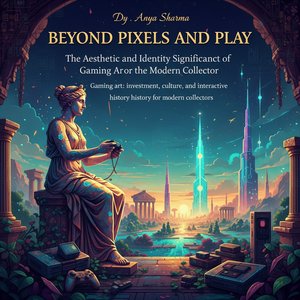
Iznad Piksela i Igre: Estetski i Identitetski Značaj Gejming Umetnosti za Modernog Kolekcionara
Istražite svet gejming umetnosti! Ekskluzivna analiza kolekcionarskih predmeta, trendova i investicionih mogućnosti. Saveti stručnjaka za modernog kolekcionara.

