
 Pregledaj u prostoru
 Podeli
 Podeli
 Detalji
 Vodič
Vodič

 Preuzmi sliku
 Slični predmeti
 Rendgenski snimak
 Automatska prezentacija
 Statistika
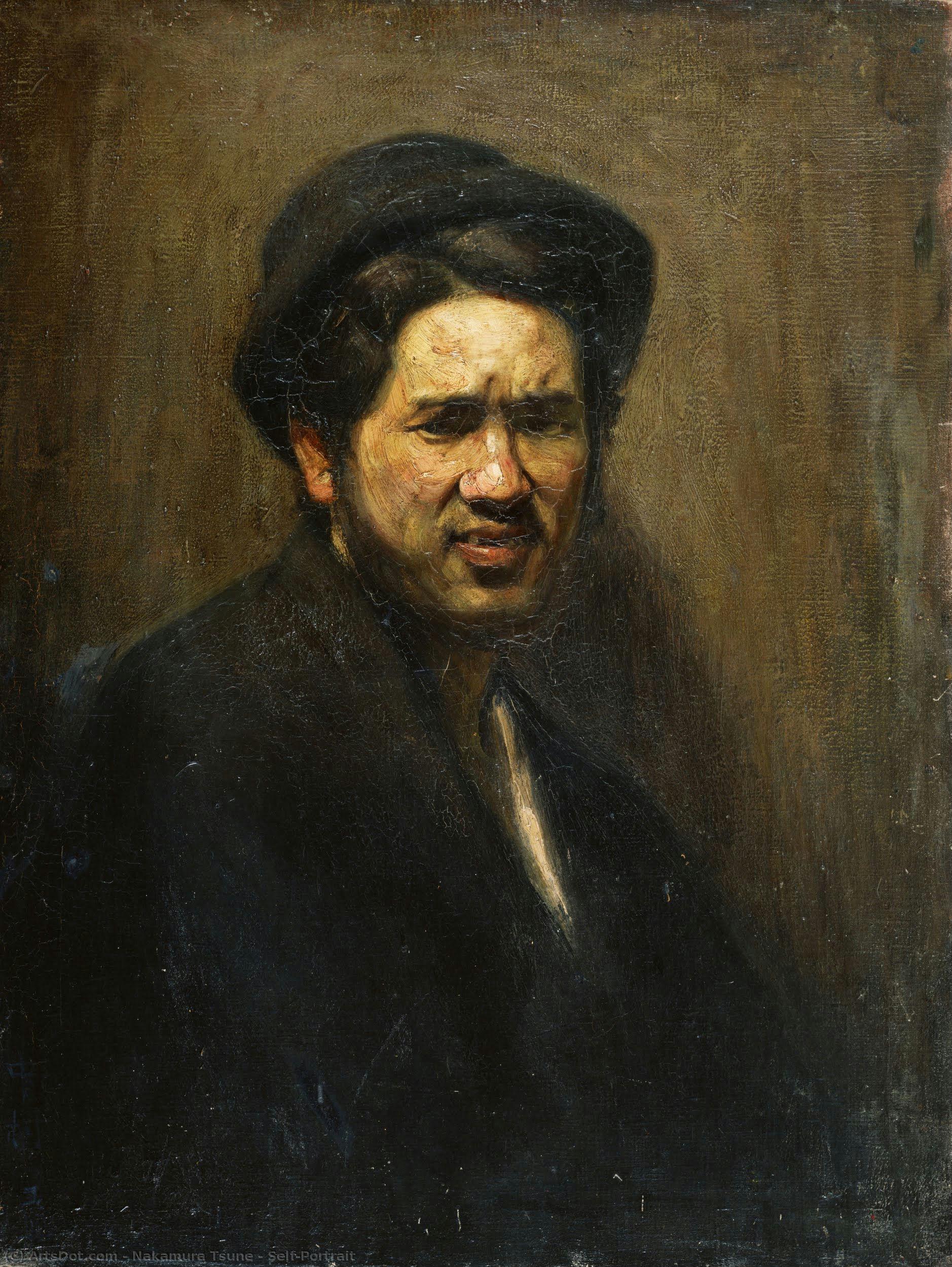
Self-Portrait
 Acrylic On Canvas
- WallArt
 1909
1909 610.0 x 806.0 cm
 Artizon Museum
 Pročitaj više
Giclee štampa / Umetnički otisak
Giclée štampa ili print na platnu muzejskog kvaliteta uz brzu izradu i raznovrsne opcije završne obrade. ( Naručite ručno oslikano reprodukciju Pređi na prodaju digitalnih slika)




P118B дин10

P118H дин10

P118W дин10

P438Z дин10

P508JH дин12

P508YH дин12

P805H дин10

P805Z дин10

P919BZ дин10

P919G дин10

P919XJ дин10

P959ZH дин10

P968JZ дин12

W106C дин8

W218G дин10

W218JH дин8

W218Y дин10

W307PJ дин10

W316G дин10

W316PJ дин8

W316Y дин10

W398PJ дин8

W4111J дин10

W500HY дин15

W500JH дин15

W692G дин12

W849H дин8

W940BG дин15

W953PJ дин8




Izaberite jednu od naših unapred definisanih veličina koje odgovaraju originalnim proporcijama umetničkog dela.

Unesite širinu i visinu koja vam je potrebna, kako bi se uklopili u vaš ram ili na vaš zid. Štampa se može samo iseći, nikada ne može biti veća od originalne slike, stoga format sa drugačijim proporcijama gubi deo slike. Poslaćemo vam digitalni prikaz radi potvrde pre nego što započnemo štampu. Slika prikazana na ovoj stranici ne pokazuje stvarni rez — to pokazuje samo digitalni prikaz.
Dostava širom sveta () za 2 nedelje umesto uobičajenih 4/5 nedelja. (23 октобар)

Besplatna ekspresna dostava širom sveta

Visokokvalitetno laneno platno

Sveobuhvatno osiguranje transporta

Garancija povraćaja carine i uvoznih dažbina

Garancija vernosti boja i autentičnosti pri reprodukciji

Politika povraćaja u roku od 100 dana (samo u slučaju nedostataka)

Garancija povrata 100% novca

Popust pri većoj količini
 Opcija sa staklom dostupna je samo za dimenzije manje od 110 cm

Self-Portrait
Giclee štampa / Umetnički otisak
Veličina reprodukcije
-


Ukupna cena
дин 8227
A Window into Soul: Examining Nakamura Tsune’s “Self-Portrait”
Nakamura Tsune’s “Self-Portrait,” completed in 1909, stands as a poignant testament to the burgeoning Kanō School aesthetic and a deeply personal exploration of artistic identity. Measuring an impressive 610 x 806 cm on canvas, this monumental work immediately draws the eye with its masterful use of chiaroscuro – dramatic contrasts between light and shadow – reminiscent of Rembrandt’s iconic portraits.
The photograph captures a meticulously rendered depiction of Tsune himself. He is positioned centrally within the frame, bathed in an intense beam of illumination originating from the upper left corner. This deliberate compositional choice isn't merely stylistic; it serves to amplify the figure’s presence and directs the viewer’s gaze directly onto his face, fostering a palpable connection between artist and observer – a hallmark of humanist portraiture prevalent during the early 20th century.
The Kanō School Influence & Artistic Technique
Tsune's style is undeniably rooted in the Kanō School tradition, known for its emphasis on idealized beauty and spiritual contemplation. The artist employs meticulous brushwork—characteristic of Kanō painters—to achieve remarkable textural detail, particularly evident in the folds of his shirt and the subtle nuances of skin tone. Careful layering of pigments creates depth and luminosity, mirroring the influence of Rembrandt’s masterful use of light to convey emotion.
- Brushwork: Precise, layered strokes emulate Kanō School techniques for capturing form and texture.
- Color Palette: Primarily muted tones—browns, ochres, and blacks—reflect the solemn mood and contribute to the overall sense of introspection.
- Composition: Central placement emphasizes the subject’s gaze and reinforces the portrait's communicative power.
Historical Context & Symbolic Resonance
Created during a period of significant artistic experimentation in Japan, “Self-Portrait” reflects the broader cultural anxieties surrounding tuberculosis – Tsune himself suffered from this illness during his formative years. The image transcends mere representation; it embodies a profound engagement with themes of vulnerability and resilience—qualities that resonate powerfully across time.
The stark illumination serves as a visual metaphor for confronting inner darkness, mirroring the artist’s own struggle for self-understanding. Furthermore, Tsune's gaze – unwavering and direct – speaks to an enduring artistic impulse: to capture not just likeness but also spirit—a desire that continues to inspire artists today.
Emotional Impact & Artistic Legacy
"Self-Portrait" transcends its formal qualities to evoke a feeling of quiet contemplation. It invites viewers to consider questions of identity, mortality, and the pursuit of artistic excellence. Like Rembrandt’s portraits before it, Tsune's work remains an enduring symbol of human dignity and artistic introspection—a masterpiece that continues to captivate audiences worldwide.
Pitanja i odgovori
U kom muzeju se čuva originalni "Self-Portrait"?
Originalno delo "Self-Portrait" možete videti u muzeju Artizon Museum, Tokio, Japan.
Kakvu atmosferu odiše "Self-Portrait"?
„Self-Portrait“ odiše Elegant atmosferom.
Kakvu bi atmosferu "Self-Portrait" unela u prostor?
Elegant atmosfera dela „Self-Portrait”, Nakamura Tsune savršeno odgovara preporučenom prostoru: Living Room.
Biografija umetnika
Nakamura Tsune: Life and Legacy
Early Life and Struggles
Nakamura Tsune, a Japanese artist, was born in 1887 in what is now Mito City, Japan. His life began amidst hardship; his father passed away when he was just one year old, followed by the loss of his mother when he was eleven. Despite this tumultuous start, he persevered and pursued his artistic aspirations.
Artistic Aspirations and Training
After graduating from the Nagoya Army Cadet School in 1904, Tsune’s plans for a military career were thwarted by tuberculosis. During his convalescence, he discovered a passion for painting. In 1906, he joined the research institute of the White Horse Society, where he honed his artistic skills and began to develop his unique style.
Notable Works and Exhibitions
Nakamura Tsune’s talent quickly gained recognition. Some of his most celebrated works include:
- Cloudy Morning and Cliffs – Featured in the third Bunten exhibition in 1909, with Cliffs receiving a commendation. This work is now part of the Museum of the Imperial Collections.
- Girl – Awarded a prize at the eighth Bunten exhibition in 1914.
- Other significant works include Dr. Tanakadate and Nude, showcased at the eleventh Bunten exhibition in 1916.
Personal Life and Relationships
In 1913, Sōma Toshiko, daughter of Aizō and Kokkō, became his model. His proposal to her in 1915 faced opposition from her parents, adding another layer of complexity to his personal life. Despite these challenges, he continued to dedicate himself to his art.
Artistic Style and Influences
Nakamura Tsune’s work demonstrates influences from the Kanō School, a traditional Japanese painting style known for its detailed brushwork and classical themes. However, he also incorporated elements of Western artistic techniques, resulting in a unique blend of tradition and modernity. His paintings often feature evocative landscapes and intimate portraits.
Legacy and Passing
Nakamura Tsune’s life was marked by both adversity and artistic achievement. He passed away in 1924 at the age of 37 in his studio in Shimo-ochiai, Shinjuku. His remains were interred at Gion-ji (祇園寺) in Mito the following year. Though his career was cut short, his artistic legacy continues to inspire and captivate art enthusiasts today.
Historical Significance
Tsune’s work provides a glimpse into early 20th-century Japan, reflecting the social changes and artistic experimentation of the era. His ability to blend traditional Japanese aesthetics with Western influences makes him a significant figure in the history of Japanese art.

Nakamura Tsune
1887 - 1924 , Japan
Brzi pregled
- Name: Nakamura Tsune
- Movement: Kanō School
- Birth Date: 1887
- Death Date: 1924
- Birth Place: Mito, Japan
- Nationality: Japanese
- Date Of Birth: 1887
- Date Of Death: 1924
- Notable Works:
- Cloudy Morning and Cliffs
- Girl
- Dr. Tanakadate
- Nude
- Place Of Birth: Mito, Japan
Srodni članci

Evocations of Place: A Historical Journey Through Landscape Art
Explore the rich history of landscape art with OriginalUniqueArt. Discover renowned artists, movements like Impressionism & Romanticism, and expert guidance for collecting timeless pieces. Find your perfect serene escape today!

Glavna dela koja su definisala Romantični pejzaž: 10 remek-dela za vaš dom
Otkrijte 10 remek-dela romantičnog pejzažnog slikarstva! Uronite u svet Claude Lorraina, Caspara David Friedricha i Turnera. Ispričane priče umetnosti, inspiracija za dekoraciju doma. Kvalitetne reprodukcije na OriginalUniqueArt.com – istražite celu kolekciju online!

Evoking Nature's Sublime: A Comprehensive Exploration of 19th-Century Landscape Painting
Explore the captivating world of 19th-century landscape painting! Discover renowned artists like Friedrich & Monet, key movements, and find the perfect artwork to bring nature's serenity into your home. Expert insights at OriginalUniqueArt.

Katsushika Hokusai: 25 Remek-dela Japanskog Umetnika za Vaš Dom | OriginalUniqueArt
Uronite u svet Katsushike Hokusaija! Otkrijte 25 remek-dela japanskog umetnika, uključujući čuveni 'Veliki talas'. Ukiyo-e štampe, pejzaži i istorija iza svakog dela. Pronađite inspiraciju za dekor enterijera i kupite reprodukcije slika vrhunskog kvaliteta na OriginalUniqueArt.com.
Zen on Canvas: The Timeless Artistry and Spiritual Depth of Japanese Landscape Painting
Explore the profound beauty of Japanese landscape painting. From Hokusai's iconic vistas to Zen-inspired compositions, discover the spiritual depth and historical mastery of Ukiyo-e art in this expert cultural retrospective.