

 Pregledaj u prostoru
 Pošalji
 Podeli
 Detalji o delu
 Vodič
Vodič

 Preuzmi
 Slični predmeti
 Rendgenski snimak
 Automatska prezentacija
 Q&A
Q&A Statistika
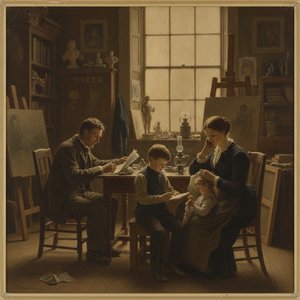
The Examination (Das Verhören)
 Oil On Canvas
- WallArt
- 19th Century Realism
 1868
1868 66.0 x 54.0 cm
 Jevrejski muzej
 Pročitaj više
Giclee štampa / Umetnički otisak
Giclée štampa ili print na platnu muzejskog kvaliteta uz brzu izradu i raznovrsne opcije završne obrade. ( Kupite ručno oslikano delo Pređi na digitalnu sliku)




P118B дин10

P118H дин10

P118W дин10

P438Z дин10

P508JH дин12

P508YH дин12

P805H дин10

P805Z дин10

P919BZ дин10

P919G дин10

P919XJ дин10

P959ZH дин10

P968JZ дин12

W106C дин8

W218G дин10

W218JH дин8

W218Y дин10

W307PJ дин10

W316G дин10

W316PJ дин8

W316Y дин10

W398PJ дин8

W4111J дин10

W500HY дин15

W500JH дин15

W692G дин12

W849H дин8

W940BG дин15

W953PJ дин8




Izaberite jednu od naših unapred definisanih veličina koje odgovaraju originalnim proporcijama umetničkog dela.

Unesite željenu širinu i visinu kako bi se štampa uklopila u vaš ram ili zid. Štampu je moguće samo iseći, ali nikada povećati iznad dimenzija originalne slike, stoga format sa drugačijim proporcijama uzrokuje gubitak dela slike. Pre početka štampe, poslaćemo vam digitalni prikaz radi potvrde. Slika prikazana na ovoj stranici ne predstavlja stvarni isrez — to pokazuje samo digitalni prikaz.
Dostava širom sveta () za 2 nedelje umesto uobičajenih 4/5 nedelja. (29 октобар)

Besplatna ekspresna dostava širom sveta

Visokokvalitetno laneno platno

Potpuno osiguranje transporta

Garancija povraćaja carine i uvoznih dažbina

Garancija vernosti boja

Politika povraćaja u roku od 100 dana (samo u slučaju nedostataka)

Garancija povrata 100% novca

Popust na više proizvoda
 Opcija sa staklom dostupna je samo za dimenzije manje od 110 cm

The Examination (Das Verhören)
Giclee štampa / Umetnički otisak
Dimenzije reprodukcije
-


Ukupna cena
дин 8282
The Intimate Portrait of Family Life: Moritz Daniel Oppenheim’s “The Examination”
Moritz Daniel Oppenheim's "The Examination," painted in 1868, is more than just a domestic scene; it’s a poignant window into the heart of 19th-century Jewish family life. This intimate portrait, rendered with remarkable sensitivity and detail, captures a moment of quiet contemplation within a warmly lit living space – a space that speaks volumes about tradition, education, and familial bonds. The painting immediately draws the viewer in, not with grand gestures or dramatic action, but through the subtle interplay of glances, postures, and the palpable sense of connection between father and daughters.
Oppenheim’s style leans heavily towards Realism, yet it transcends mere representation. He masterfully employs a muted color palette – predominantly browns, creams, and ochres – to create an atmosphere of understated elegance and domestic tranquility. The lighting is particularly noteworthy; it's diffused and natural, casting gentle shadows that enhance the three-dimensionality of the figures and their surroundings. The artist’s brushwork is deliberate and controlled, meticulously building up layers of paint to achieve a rich texture and a sense of depth. Notice how he subtly captures the textures of the fabrics – the worn velvet chair, the simple wooden table, the folds in the women's dresses – adding an incredible level of realism and grounding the scene.
A Glimpse into Jewish Life and Education
The painting’s subject matter is deeply rooted in the social and cultural context of its time. “The Examination” depicts a father, presumably a scholar or religious leader, seated with his two daughters. He's absorbed in reading a book, while they attentively observe him, suggesting a scene of learning and guidance. This wasn’t simply a casual family gathering; it represented a crucial element of Jewish upbringing – the transmission of knowledge and tradition from one generation to the next. The presence of the books scattered around the room reinforces this theme, hinting at a home filled with intellectual pursuits and a commitment to education.
Oppenheim’s decision to portray a family scene within a Jewish context was groundbreaking for its time. While many artists were depicting Jewish subjects, Oppenheim's work focused on portraying everyday life, familial relationships, and religious practices – offering a more nuanced and intimate representation of the Jewish community than previously seen in Western art. This focus aligns with the burgeoning “Wissenschaft des Judentums” (Jewish knowledge) movement, which sought to study Judaism as an academic discipline, documenting its history, culture, and traditions.
Symbolism and Emotional Resonance
Beyond its straightforward depiction of a family moment, "The Examination" is rich in symbolic detail. The vase positioned centrally on the table – holding fresh fruit – can be interpreted as representing knowledge, wisdom, or even reward. The gesture of the father pointing to the book, combined with the daughters’ attentive expressions, suggests a process of learning and understanding. The overall mood is one of quiet dignity and affection, conveying a sense of warmth and familial harmony.
Furthermore, the painting subtly alludes to the importance of Jewish tradition and heritage. The setting itself – a comfortable home filled with books – speaks to a commitment to intellectual pursuits and the preservation of cultural values. The scene evokes a feeling of stability, continuity, and the enduring strength of family bonds. It’s a testament to Oppenheim's ability to capture not just a visual likeness but also the emotional essence of his subjects.
A Timeless Masterpiece – Reproduction Considerations
Reproductions of “The Examination” offer a remarkable opportunity to bring this evocative artwork into your home or office. When selecting a reproduction, consider the quality of the print and the canvas or paper used. A high-resolution digital print on archival-quality canvas will ensure that the colors and details are faithfully reproduced, capturing the painting’s subtle nuances and rich textures. The original's muted palette translates beautifully to a wide range of interior design styles – from traditional to contemporary – adding a touch of understated elegance and intellectual warmth.
As an investment piece, a high-quality reproduction of “The Examination” is more than just a decorative item; it’s a window into the past, a celebration of family life, and a testament to the artistic vision of Moritz Daniel Oppenheim. It's a reminder that even in quiet moments, profound beauty and enduring values can be found.
Pitanja i odgovori
Da li se „The Examination (Das Verhören)”, autor Moric Daniel Openhajm čuva u matičnoj zemlji umetnika?
Ne – umetničko delo se nalazi u inostranstvu. Delo „The Examination (Das Verhören)“ se čuva u državi Sjedinjene Američke Države, dok je Moric Daniel Openhajm rođen/a u državi Nemačka.
Koja boja dominira kompozicijom dela „The Examination (Das Verhören)”, autor Moric Daniel Openhajm?
Dominantna boja dela „The Examination (Das Verhören)”, autor Moric Daniel Openhajm je Phthalo Green (#1c1b27).
Koja su tehnika i dimenzije dela „The Examination (Das Verhören)”, autor Moric Daniel Openhajm?
Delo "The Examination (Das Verhören)" je izrađeno u tehnici Oil On Canvas i u svom izvornom obliku ima dimenzije 66 x 54 cm.
Biografija umetnika
Vizionar jevrejskog identiteta
Moric Daniel Openhajm (1800–1882) predstavlja jedinstvenu figuru u annalsima nemačke istorije umetnosti, delujući kao duboki pionir jevrejske umetničke reprezentacije. Rođen u Hanauu, u Nemačkoj, njegov život i rad bili su duboko ukorenjeni u posvećenosti dokumentovanju i slavljenju nijansi jevrejskog života i kulture tokom transformativnog devetnaestog veka. Često je proglašavan prvim jevrejskim slikarom koji je postigao široku priznatost unutar glavnog umetničkog pejzaža, prevazilazeći puke biografske detalje kako bi stvorio opus koji predstavlja vitalni vizuelni zapis zajednice koja se kreće kroz složenosti modernizacije, dok istovremeno teži očuvanju svojih svetih tradicija.
Openhajmov umetnički put započeo je osnovnim obukom kod Konrada Vestermajra u njegovom rodnom gradu, gde je prvi put upijao principe nemačkog romantičarskog slikarstva. Međutim, njegov pravi profesionalni uspon katalizovalo je upisivanje na Minhensku akademiju umetnosti sa sedamnaest godina. Upravo su u tim prestižnim halama usavršavao svoje tehničko majstorstvo pored savremenika kao što su Vilhelm Lajbl i Johan Baptist Eberhard Kraus. Težeći proširenju svojih vidika, Openhajm je krenuo na transformativni period studija u inostranstvu, putujući u Pariz da studira pod Žan-Batist Regnoom, a kasnije i u Rim. U Italiji, pod mentorstvom luminara poput Bertela Torvaldsena i nazaretskog slikara Johana Fridriha Overbeka, njegov stil je evoluirao u sofisticiran spoj pedantnog posmatranja i klasičnog uticaja. Ovaj rimski period bio je posebno presudan, jer je njegov rad prožela osećajem istorijske težine koji će kasnije oblikovati njegove prikaze jevrejskih rituala i svakodnevnog života.
Umetnost intimnosti i tradicije
Srž Openhajmovog doprinosa umetnosti leži u njegovoj sposobnosti da transformiše dom u scenu za duboku kulturnu naraciju. Njegova dela se često fokusiraju na intimne scene iz jevrejskog porodičnog života, beležeći tiho dostojanstvo rituala i toplinu zajedničkih veza. Kroz njegovu četkicu, svakodnevica postaje monumentalna. U delima kao što je Završetak Sabata (Sabbath-Ausgang), on koristi majstorski realizam i suptilni simbolizam kako bi prikazao dirljivi prelaz sa svetog odmora Sabata nazad u prolazni svet, pozivajući posmatrača da prisustvuje svetosti porodičnog rituala.
Njegova sposobnost da ispreplete istorijski kontekst sa ličnim emocijama najočiglednija je u njegovim žanrovskim slikama koje dokumentuju specifične kulturne prekretnice. Na primer:
- Venčanje (Die Trauung): Zadivljujući i detaljan prikaz jevrejskog venčanja iz 1866. godine unutar frankfurškog geta, gde Openhajm beleži sjaj tradicionalne odeće i svečanost venčanog baldahina, nudeći retki, očuvani uvid u nestajući način života.
- Povratak dobrovoljca: U ovom zadivljujućem uljanom slikarstvu iz 1834. godine, on istražuje presek jevrejskog nasleđa i šire evropske istorije, prikazujući vojnika koji se vraća iz Ratova za oslobođenje porodici koja još uvek živi prema drevnim običajima, efikasno ilustrujući tenziju između političkih promena ere Napoleona i trajnog religijskog identiteta.
Nasleđe i istorijski značaj
Pored svoje tehničke veštine, Openhajmov rad je neraskidivo povezan sa pokretom Wissenschaft des Judentums — naučnim naporom da se jevrejska istorija i kultura uspostave kao poštovano akademsko polje. Njegove slike su funkcionisale kao vizuelna nauka, pružajući dostojanstven i autentičan prikaz zajednice koja je često bila marginalizovana u širem evropskom umetničkom kanonu. Prikazujući jevrejske motive sa istim nivoom detalja, dostojanstva i romantične veličine koja je obično bila rezervisana za aristokratske ili mitološke teme, on je izazvao postojeće predrasude i potvrdio važnost jevrejskog identiteta unutar nemačkog kulturnog tkiva.
U konačnici, nasleđe Morica Daniela Openhajma je priča o otpornosti i vidljivosti. On nije samo slikao scene; on je konstruisao vizuelni jezik za eru tranzicije. Njegova sposobnost da uhvati delikatnu ravnotežu između starog i novog sveta osigurava da njegovo delo ostane vitalno merilo za razumevanje jevrejskog iskustva devetnaestog veka, čineći ga neizostavnom figurom u istoriji kako nemačkog romantizma, tako i globalnog narativa jevrejske umetnosti.

Moric Daniel Openhajm
1800 - 1882 , Nemačka
Osnovne informacije
- Artistic Movement Or Style: Romantizam
- Artists Who Influenced This Artist:
- Jean-Baptiste Regnault
- Bertel Thorwaldsen
- Barthold Georg Niebuhr
- Johann Friedrich Overbeck
- Date Of Birth: 7. januar 1800.
- Date Of Death: 1882.
- Full Name: Moritz Daniel Oppenheim
- Nationality: Nemačka
- Notable Artworks:
- Povratak dobrovoljca
- Mignon i harfista
- Italijanska žanrovska scena
- Konfirmacija
- Sabatov blagoslov
- Place Of Birth: Hanau, Nemačka
Povezani članci

Evolving Portraits: Personalized Art as a Chronicle of Family Life Across Generations
Create a timeless family legacy with custom portraits! OriginalUniqueArt connects you with skilled artists for heirloom-quality paintings & prints. Explore styles, commission your unique artwork today.
Victorian Realism: Capturing the Soul and Intricate Detail of a Golden Era
Explore the exquisite world of Victorian Realism. Discover how 19th-century masters captured unparalleled detail and emotion through oil painting, and learn to curate these timeless masterpieces for your luxury interior collection.

Romantic Realism's Finest: 10 Masterpieces for Your Home | OriginalUniqueArt
Explore 10 defining masterpieces of Romantic Realism! Discover Courbet, Millet & Daumier's powerful paintings—capturing emotion and social realities. Find museum-quality reproductions for your home at OriginalUniqueArt.com.

Victorian Naturalism: The Raw, Hyper-Real Aesthetic That Defined an Era
Explore the raw power of Victorian Naturalism. Discover how 19th-century artists rejected romantic idealism to capture the gritty, hyper-real truth of the industrial era through masterful observation and unmatched technical precision.

The Gaze of a Changing World: Victorian Realism & Modern Life
Explore the captivating world of Victorian Realism! Discover genre painting's rise, social commentary in art, & masters like Fedotov and Wilkie. Expert analysis & high-quality reproductions at OriginalUniqueArt.