
 Pošalji
 Podeli
 Detalji o delu

 Преузми
 Slični predmeti
 Slajdovi
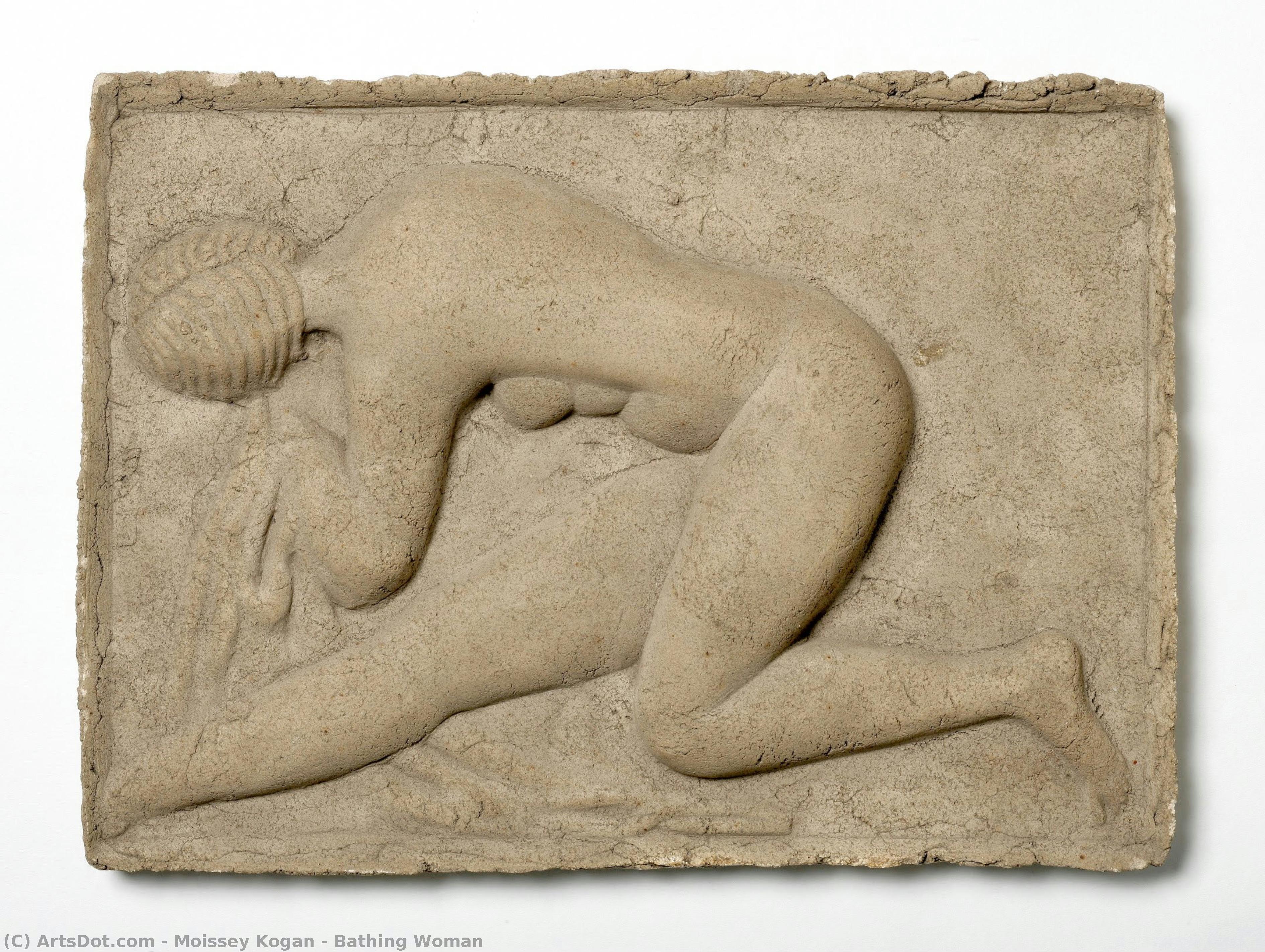
Bathing Woman
 Clay / Terracotta
- Sculpture
- Neoclassicism
 1928
1928- Modern
 38.0 x 28.0 cm
 Lehmbruck Museum
 Pročitaj više
Giclee štampa / Umetnički otisak
Giclée štampa ili print na platnu muzejskog kvaliteta uz brzu proizvodnju i fleksibilne opcije završne obrade. ( Kupi ručno naslikanu sliku Kupi digitalnu sliku)




































Izaberite jednu od naših unapred definisanih veličina koje odgovaraju originalnim proporcijama umetničkog dela.

Možete uneti sopstvene dimenzije kako biste umetničko delo prilagodili specifičnom okviru ili prostoru. Ako odabrani format ne odgovara proporcijama originalne slike, mi ćemo ili iscrtati deo dela ili proširiti sliku pomoću ogledane ivice ili jednobojnog popunjavanja. Digitalni prikaz će vam biti poslat na odobrenje pre početka proizvodnje.
Imajte na umu da pregled na ekranu ne odražava stvarno iscrtavanje ili proširivanje. Samo će prikaz (mockup) precizno pokazati finalnu kompoziciju.
Iako su prilagođene dimenzije dostupne, preporučujemo da odaberete dimenziju sa unapred definisane liste kako biste očuvali originalne proporcije.
Dostava širom sveta () za 2 nedelje umesto uobičajenih 4/5 nedelja. (18 август)

Besplatna ekspresna dostava širom sveta

Visokokvalitetno laneno platno

Kompletno osiguranje transporta

Garancija povraćaja carine i uvoznih dažbina

Garancija vernosti boja

Politika povrata u roku od 60 dana (samo u slučaju nedostataka)

Garancija povrata novca od 100%

Popust pri grupnoj kupovini
 Opcija sa staklom dostupna je samo za dimenzije manje od 110 cm

Bathing Woman
Giclee štampa / Umetnički otisak
Dimenzije reprodukcije
-


Konačna cena
$ 80
Opis predmeta
The Grace of Form: Rediscovering Moissey Kogan’s Bathing Woman
In the quiet intimacy of Moissey Kogan’s Bathing Woman, we encounter a moment frozen in time, a delicate intersection of vulnerability and strength. Created in 1928, this evocative sculpture captures a woman caught in the private, rhythmic ritual of cleansing. There is an undeniable sense of movement within her stillness; as she reaches toward her back, her fingers tracing the contours of her own skin, the viewer is invited into a sanctuary of solitude. The piece does not merely depict a physical act but celebrates the profound elegance of the human silhouette, rendered with a sensitivity that speaks to the very essence of life and self-care.
The sculpture’s aesthetic is deeply rooted in the neoclassical traditions that Kogan mastered during his formative years in Paris. Influenced by the monumental legacies of Auguste Rodin and Aristide Maillol, Kogan moves away from dramatic tension toward a more serene, harmonious exploration of the female form. The texture of the medium—reminiscent of aged clay or weathered stone—adds a layer of historical weight to the work, suggesting an artifact unearthed from a classical era. This tactile quality provides a beautiful contrast against a minimalist backdrop, allowing the play of light and shadow across the woman's curves to become the primary storyteller.
A Legacy of Sensuality and Skill
To understand the emotional resonance of Bathing Woman, one must look to the artist’s unique journey through the École de Paris. Kogan, a sculptor of immense technical prowess, possessed a rare ability to imbue heavy materials with a sense of weightless grace. His mastery over the "Negativ-Scent" technique and his background in fine craftsmanship allowed him to treat every curve and fold as an opportunity for poetic expression. In this particular work, the composition is balanced yet dynamic; the placement of her hand on her hip provides a structural anchor, while the reaching motion of her other arm introduces a soft, organic flow that guides the eye around the entire figure.
For the discerning collector or interior designer, this piece serves as a sophisticated focal point. It possesses a timeless quality that transcends modern trends, making it an ideal addition to spaces that value understated luxury and classical beauty. Whether placed in a sunlit study or a contemporary living salon, the sculpture radiates a calming presence. Owning a high-quality reproduction of such a significant work allows one to bring the soulful, contemplative spirit of the interwar period into the modern home, offering a daily encounter with the enduring power of classical grace.
Biografija umetnika
Early Life and Education
- Born: May 12, 1879, in Orhei, Bessarabia (now Orhei, Republic of Moldova)
- Jewish merchant family background
- Demonstrated early interest in craftsmanship
- Moved to Nagybánya, Hungary, in 1889
- Studied under painter Simon Hollósy in Nagybánya
- Enrolled at the Munich Academy of Fine Arts in 1903, studying sculpture under Wilhelm von Rümann.
Artistic Development and Influences
- Initially experimented with gems, producing medals, plaques, vases, embroidery, and drawings.
- Transitioned to sculpture after moving to Paris and encountering Rodin and Maillol.
- Focused on the female form and concepts of grace in his sculptures.
- Worked primarily with terracotta, gypsum, and occasionally bronze.
- Developed a unique "Negativ-Schnitt" (intaglio cut) technique that influenced other artists.
- Influenced by Auguste Rodin and Aristide Maillol.
- Associated with the École de Paris artistic circle.
Major Works and Artistic Style
- Primarily created small sculptures and reliefs in a neoclassical style.
- His works often featured soft contours, lines, and expressive body language.
- Produced numerous wood and linocuts as well as etchings.
- Drawings utilized chalk, coal, and pencils.
- Subjects frequently depicted female figures with an emphasis on grace and sensuality.
- Exhibited extensively at the Salon d'Automne in Paris, serving as a jury member and vice-president of the sculptural department from 1925.
Later Life, Persecution, and Legacy
- Lived between Paris and the Netherlands from 1925 until his death.
- Ceased travel to Germany in 1933 due to increasing anti-Semitism.
- Some of his works were exhibited at the "Entartete Kunst" (Degenerate Art) exhibition in Berlin, 1938.
- Deported from Drancy internment camp to Auschwitz on February 11, 1943, where he died two weeks later.
- His work was rediscovered and gained recognition in the 1960s.
- Works are now held in numerous museums including Stedelijk Museum Amsterdam, Lehmbruck Museum Duisburg, Kunsthalle Bremen, Folkwang Museum Essen, National Gallery Moritzburg Halle, Hamburger Kunsthalle, and MoMA.
Artistic Significance
- Kogan's art is characterized by its timeless quality and quiet world of grace.
- His sculptures embody a "hellenistic-looking cheerfulness" with fragile grace and sensual body language.
- Despite his tragic fate, Kogan left behind a significant body of work that reflects the artistic currents of his time while maintaining a unique personal style.
- The Moissey Kogan Catalogue Raisonné project aims to document and preserve his legacy for future generations.

Moissey Kogan
1879 - 1943 , Moldova
Osnovne informacije
- Artistic Movement Or Style: Expressionism, Neoclassical
- Artists Who Influenced This Artist:
- Auguste Rodin
- Aristide Maillol
- Simon Hollósy
- Date Of Birth: March 12, 1879
- Date Of Death: March 3, 1943
- Full Name: Moissey Kogan
- Nationality: Bessarabian Jewish
- Place Of Birth: Orhei, Moldova
Povezani članci

Bronze Sculptures That Defined Art History | OriginalUniqueArt
Journey through art history with our Top 10 bronze sculptures! Explore masterpieces by Rodin, Michelangelo & more. Discover stories behind iconic statues and find museum-quality reproductions for your home decor at OriginalUniqueArt.com.

The Enduring Form: Exploring Themes & Techniques in Sculpture Across Historical Periods
Explore the rich history of sculpture from ancient masterpieces to contemporary innovations. Discover key techniques, influential artists & investment potential for discerning art collectors.
The Enduring Form: Sculpture Across History, Technique & Emotional Resonance
Explore the rich history of sculpture with OriginalUniqueArt. Discover key techniques, influential artists & investment potential for discerning collectors. Expert insights into valuing and collecting timeless masterpieces.

Bronze Age to Modern Masters: 10 Sculptures That Redefined Art | OriginalUniqueArt
Journey through art history with 10 legendary bronze sculptures – from Michelangelo's David to Rodin’s Thinker. Explore the stories, techniques & timeless beauty of these masterpieces. Find museum-quality reproductions & elevate your home decor on OriginalUniqueArt.com.
Henry Moore: Sculpting Modernity – Form, Emotion & the Human Condition
Explore the revolutionary sculptures of Henry Moore – abstract forms, reclining figures & powerful expressions of the human condition. Discover his legacy & artistic process with OriginalUniqueArt.

