

 Pregledaj u prostoru
 Pošalji
 Podeli
 Detalji o delu

 Преузми
 Slični predmeti
 Rendgenski snimak
 Slajdovi
Sabiha
 Other
Other 72.0 x 15.0 cm
 Barjeel Art Foundation
 Pročitaj više
Giclee štampa / Umetnički otisak
Giclée štampa ili print na platnu muzejskog kvaliteta uz brzu proizvodnju i fleksibilne opcije završne obrade. ( Kupi ručno naslikanu sliku Kupi digitalnu sliku)




P118B $10

P118H $10

P118W $10

P438Z $10

P508JH $12

P508YH $12

P805H $10

P805Z $10

P919BZ $10

P919G $10

P919XJ $10

P959ZH $10

P968JZ $12

W106C $8

W218G $10

W218JH $8

W218Y $10

W307PJ $10

W316G $10

W316PJ $8

W316Y $10

W398PJ $8

W4111J $10

W500HY $15

W500JH $15

W692G $12

W849H $8

W940BG $15

W953PJ $8




Izaberite jednu od naših unapred definisanih veličina koje odgovaraju originalnim proporcijama umetničkog dela.

Možete uneti sopstvene dimenzije kako biste umetničko delo prilagodili specifičnom okviru ili prostoru. Ako odabrani format ne odgovara proporcijama originalne slike, mi ćemo ili iscrtati deo dela ili proširiti sliku pomoću ogledane ivice ili jednobojnog popunjavanja. Digitalni prikaz će vam biti poslat na odobrenje pre početka proizvodnje.
Imajte na umu da pregled na ekranu ne odražava stvarno iscrtavanje ili proširivanje. Samo će prikaz (mockup) precizno pokazati finalnu kompoziciju.
Iako su prilagođene dimenzije dostupne, preporučujemo da odaberete dimenziju sa unapred definisane liste kako biste očuvali originalne proporcije.
Dostava širom sveta () za 2 nedelje umesto uobičajenih 4/5 nedelja. (22 август)

Besplatna ekspresna dostava širom sveta

Visokokvalitetno laneno platno

Kompletno osiguranje transporta

Garancija povraćaja carine i uvoznih dažbina

Garancija vernosti boja

Politika povrata u roku od 60 dana (samo u slučaju nedostataka)

Garancija povrata novca od 100%

Popust pri grupnoj kupovini
 Opcija sa staklom dostupna je samo za dimenzije manje od 110 cm

Sabiha
Giclee štampa / Umetnički otisak
Dimenzije reprodukcije
-


Konačna cena
$ 80
Biografija umetnika
A Pioneer of Modern Lebanese Sculpture: The Life and Legacy of Michel Basbous
Michel Basbous, born in the small village of Rachana, Lebanon, in 1921, emerged as a pivotal figure in the development of modern sculpture within the Middle East. His artistic journey was one deeply intertwined with his homeland—a landscape that would become both muse and medium for his powerfully abstract creations. From humble beginnings experimenting with wood and stone as a child, influenced by his father’s own artistic pursuits as a priest, painter, and calligrapher, Basbous embarked on a path that would ultimately redefine the aesthetic landscape of Lebanese art. He initially studied at the Académie Libanaise des Beaux-Arts in Beirut from 1945 to 1949, laying the foundational skills upon which he would build his unique style. This was followed by a crucial period of study at the École Nationale Supérieure des Beaux-Arts in Paris, supported by a Lebanese government scholarship, further honing his technical abilities and exposing him to the burgeoning modernist movements of post-war Europe.Formative Years and Parisian Influences
The years Basbous spent in Paris were transformative. He sought mentorship under the renowned sculptor Ossip Zadkine from 1954 to 1955, a period that proved instrumental in solidifying his commitment to modernist principles. However, even amidst the vibrant artistic energy of Paris, Basbous remained deeply connected to his Lebanese roots. While absorbing the lessons of abstraction and form championed by Zadkine, he resisted complete assimilation, consciously seeking to integrate traditional influences into his work—a unique blend that would become his signature. He returned briefly to Beirut in 1957, teaching sculpture at the American University before making a decisive move back to Rachana in 1958. This return wasn’t merely a geographical one; it was a philosophical shift, a deliberate embrace of his cultural heritage and a commitment to fostering artistic life within his own community.Rachana as a Cultural Hub: A Vision Realized
Basbous's decision to establish an open-air studio in Rachana proved visionary. In a village lacking even basic infrastructure like paved roads, he began creating art directly within the natural environment, placing his sculptures along the roadside and working *en plein air*. This act was more than just practical; it was a conscious effort to democratize art, making it accessible beyond the confines of galleries and museums. He transformed Rachana into what became known as the “Museum Village,” actively cultivating an artistic atmosphere that attracted fellow creatives and fostered a sense of community. In 1960, he founded the Festival of Rachana, a multidisciplinary event bringing together theater, music, poetry, sculpture, and painting—a testament to his belief in the interconnectedness of art forms and their power to inspire. He tirelessly advocated for public art installations throughout Lebanon, seeking to embed artistic expression into the fabric of everyday life.Themes, Materials, and Artistic Style
Basbous’s sculptures are characterized by a striking abstraction rooted in organic forms. Often working with stone, marble, bronze, wood, and even recycled materials, he imbued his pieces with a sense of movement and vitality. A recurring theme is the human form—not rendered realistically, but suggested through flowing lines and evocative shapes. His work frequently emphasizes verticality, a deliberate choice that speaks to themes of spirituality and aspiration. He often spoke of allowing the natural veins within stone or wood to guide his creative process, viewing these inherent qualities not as imperfections but as integral elements of the artwork itself. This deep respect for materials and their intrinsic beauty is central to understanding his artistic philosophy.Legacy and Historical Significance
Michel Basbous passed away in 1981, leaving behind a profound legacy that continues to resonate within Lebanese and Middle Eastern art circles. His work has been exhibited internationally, finding permanent homes in prestigious collections such as the British Museum in London and The Barjeel Art Foundation. He played a crucial role in establishing Lebanon as a center for modern sculpture, inspiring generations of artists to embrace their cultural heritage while pushing the boundaries of artistic expression. The Basbous museum, established in his honor, stands as a testament to his enduring vision—a place where art and nature converge, continuing to nurture creativity and celebrate the spirit of innovation that defined his remarkable life and work. His impact extends beyond the aesthetic realm; he was a cultural pioneer who believed in the power of art to transform communities and connect people through shared experiences.
michel basbous
1921 - 1981 , Lebanon
Osnovne informacije
- Artistic Movement Or Style: Abstract sculpture
- Artists Who Influenced This Artist: ['Ossip Zadkine']
- Date Of Birth: 1921
- Date Of Death: 1981
- Full Name: Michel Basbous
- Nationality: Lebanese
- Place Of Birth: Deir al-Ahmar, Lebanon
Povezani članci

Bronze Sculptures That Defined Art History | OriginalUniqueArt
Journey through art history with our Top 10 bronze sculptures! Explore masterpieces by Rodin, Michelangelo & more. Discover stories behind iconic statues and find museum-quality reproductions for your home decor at OriginalUniqueArt.com.

The Enduring Form: Exploring Themes & Techniques in Sculpture Across Historical Periods
Explore the rich history of sculpture from ancient masterpieces to contemporary innovations. Discover key techniques, influential artists & investment potential for discerning art collectors.
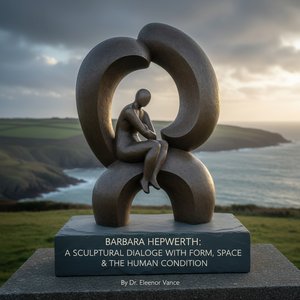
Barbara Hepworth: A Sculptural Dialogue with Form, Space & the Human Condition
Explore the profound world of Barbara Hepworth's sculpture. Discover her artistic evolution, iconic forms, and lasting influence on modern art. A guide for collectors & enthusiasts.
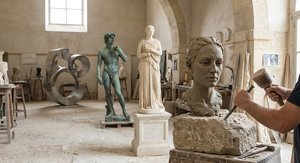
The Enduring Form: Sculpture Across History, Technique & Emotional Resonance
Explore the rich history of sculpture with OriginalUniqueArt. Discover key techniques, influential artists & investment potential for discerning collectors. Expert insights into valuing and collecting timeless masterpieces.

Bronze Age to Modern Masters: 10 Sculptures That Redefined Art | OriginalUniqueArt
Journey through art history with 10 legendary bronze sculptures – from Michelangelo's David to Rodin’s Thinker. Explore the stories, techniques & timeless beauty of these masterpieces. Find museum-quality reproductions & elevate your home decor on OriginalUniqueArt.com.

