Pređi na štampu
 Pročitaj više







































 Za umetnička dela ili reprodukcije čija je bilo koja strana veća od 105 cm (približno 41 inč), okvir će biti isporučen u obliku rastavljenog seta za sklapanje. Ovaj metod osigurava bezbednu dostavu i sprečava oštećenja tokom transporta.


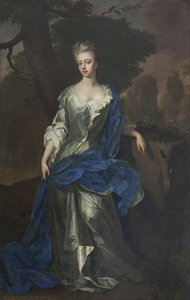
General Philip Honywood ( ) – A Portrait of Power and Grace
Michael Dahl’s “General Philip Honywood” stands as a testament to the grandeur of Baroque portraiture, capturing not merely likeness but also embodying the spirit of its subject—a prominent figure in British military history. Painted around 1700, this artwork exemplifies Dahl's mastery of technique and his ability to convey aristocratic dignity through meticulous detail. The painting’s serene composition – a man seated confidently against a dark background – immediately draws the viewer into an atmosphere of contemplative power.The Artist’s Vision: Dahl’s Baroque Influence
Michael Dahl (1659-1743) emerged from Stockholm's artistic milieu, profoundly influenced by Italian Baroque masters like Caravaggio and Rembrandt. This stylistic heritage is evident in Dahl’s masterful use of chiaroscuro—the dramatic interplay between light and shadow—creating depth and highlighting Honywood’s facial features with remarkable precision. The artist skillfully renders the texture of Honywood's clothing, conveying a sense of opulent materiality that speaks to his status as a nobleman. Dahl’s dedication to capturing psychological nuance is equally impressive; the gaze of Honywood conveys both composure and intelligence, hinting at the complexities of leadership.A Symbol of Nobility: Contextualizing the Portrait
“General Philip Honywood” was commissioned during a period of significant political upheaval in England – the reign of Anne Stuart—marked by tensions between the monarchy and Parliament. Honywood’s military service represented honor, duty, and loyalty to the crown, values central to the Baroque ethos. The inclusion of a sword symbolizes martial prowess and authority, reinforcing Honywood's position as commander within the armed forces. Furthermore, the red bow tie—a subtle yet striking detail—adds an element of aristocratic elegance, reflecting Dahl’s understanding of visual symbolism and its ability to communicate social status.Technical Brilliance: Dahl’s Oil Painting Technique
Dahl employed oil paint on canvas – a technique favored by Baroque artists for its luminosity and durability – achieving exceptional realism through layering thin glazes of pigment. This meticulous process allowed him to capture subtle tonal variations, creating an illusion of three-dimensionality that elevates the portrait beyond mere representation. The artist’s attention to detail extends to every aspect of the composition, from the folds of Honywood's garment to the sheen on his skin—demonstrating Dahl’s unparalleled skill in translating visual observation into artistic expression.Emotional Resonance: Capturing Character and Dignity
Ultimately, “General Philip Honywood” transcends its formal subject matter to convey a profound sense of dignity and inner strength. Dahl's portrayal captures not just physical appearance but also the essence of Honywood’s character—his confidence, intellect, and unwavering commitment to duty. The painting invites contemplation on themes of leadership, honor, and aristocratic grace, cementing Dahl’s legacy as one of the most celebrated portraitists of his time. Its enduring appeal lies in its ability to communicate timeless values through masterful artistic execution.Pitanja i odgovori
Mogu li da naručim uljanu reprodukciju dela "General Филип Хонјувод"?
Ručno oslikanu reprodukciju dela „General Филип Хонјувод”, autor Mihael Dahl možete naručiti direktno na njegovoj stranici Ručno oslikana reprodukcija ulja na platnu: ručno oslikana uljana reprodukcija na lanenom platnu, izrađenu po porudžbini.
Šta "General Филип Хонјувод" deli sa ostatkom stvaralaštva umetnika Mihael Dahl?
„General Филип Хонјувод“ deli sa ostalim delima umetnika Mihael Dahl svoj Baroque stil i prepoznatljive teme: royal portraiture, italian baroque, aristocratic grace, military dignity, dahl legacy.
Da li su boje dela „General Филип Хонјувод”, autor Mihael Dahl zasićene ili prigušene?
„General Филип Хонјувод”, autor Mihael Dahl je zabeležen sa Ubledelo zasićenjem.
 Pregledaj u prostoru
 Pošalji
 Podeli
 Detalji o delu
 Vodič
Vodič

 Preuzmi
 Slični predmeti
 Rendgenski snimak
 Automatska prezentacija
 Q&A
Q&A Statistika