Pređi na štampu
 Pročitaj više







































 Za umetnička dela ili reprodukcije čija je bilo koja strana veća od 105 cm (približno 41 inč), okvir će biti isporučen u obliku rastavljenog seta za sklapanje. Ovaj metod osigurava bezbednu dostavu i sprečava oštećenja tokom transporta.


A Haunting Echo of Transformation
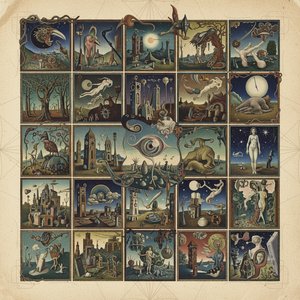
In the shadowy corridors of early twentieth-century modernism, few works possess the unsettling magnetism of Max Ernst’s Pieta or Revolution by Night. This profound masterpiece serves as a visceral bridge between the chaotic rebellion of Dadaism and the dreamlike explorations of Surrealism. At first glance, the viewer is confronted with a stark, somber tableau: a man in formal attire cradling a lifeless figure, an arrangement that deliberately evokes the sacred gravity of Michelangelo’s iconic Pietà. Yet, Ernst strips away the comfort of religious solace, replacing divine grace with a profound sense of existential dread. The painting does not merely depict grief; it captures the very atmosphere of a world on the precipice of collapse, making it an essential piece for those who appreciate art that challenges the boundaries of the subconscious.
The technical execution of the work is a masterclass in atmospheric tension. Utilizing oil on canvas, Ernst employs a sophisticated layering of textures and deliberate distortions that force the eye to wander through a landscape of uncertainty. His palette is intentionally somber, dominated by dark, heavy tones that evoke the stillness of night and the weight of impending doom. Through his masterful manipulation of light and shadow, the artist creates a sense of depth that feels both physically present and psychologically distant. For the discerning collector or interior designer, this technique offers a captivating focal point—a work that does not simply hang on a wall but commands the very air of a room, inviting deep contemplation and adding a layer of intellectual sophistication to any curated space.
Symbolism and the Weight of History
Beyond its striking visual presence, Pieta or Revolution by Night is a dense tapestry of symbolic meaning. The figures within the composition are far from mere archetypes; they are deeply personal and political. Many historians interpret the painting as a reflection of Ernst’s turbulent relationship with his father, casting the elder figure as a surrogate for the Virgin Mary and himself as the fallen Christ. This intimate psychological struggle is set against the broader, more terrifying backdrop of a Europe gripped by the escalating tensions leading toward World War II. The man's formal attire—symbolizing societal order and authority—stands in jarring contrast to the vulnerability of the deceased figure, representing the fragility of civilization itself in the face of radical upheaval.
To possess a reproduction of this work is to hold a fragment of history’s most transformative era. It is an invitation to engage with the spirit of Dada—a movement that rejected logic and embraced the irrational as a response to the horrors of modern warfare. The painting resonates with anyone drawn to the beauty found in complexity and the strength found in vulnerability. Whether serving as a conversation starter in a contemporary gallery or providing a soulful, moody anchor in a classic study, this artwork remains a timeless testament to the power of art to mirror the soul's most profound transformations.
Pitanja i odgovori
Kolika je zasićenost boja u delu „Pieta or Revolution by Night”, autor Макс Ернст?
„Pieta or Revolution by Night”, autor Макс Ернст je zabeležen sa Balanced Soft zasićenjem.
Koju emociju prenosi delo "Pieta or Revolution by Night" u okviru Surrealist Expression pokreta?
U okviru pokreta Surrealist Expression, delo "Pieta or Revolution by Night" je prikazano sa Dramatic tonom.
Ko je autor dela "Pieta or Revolution by Night" i u kom umetničkom pravcu?
Макс Ернст je kreirao/la "Pieta or Revolution by Night" u okviru Surrealist Expression pokreta.
 Pregledaj u prostoru
 Pošalji
 Podeli
 Detalji o delu
 Vodič
Vodič

 Preuzmi
 Slični predmeti
 Rendgenski snimak
 Automatska prezentacija
 Pitanja i odgovori
 Statistika