
 Pregledaj u prostoru
 Pošalji
 Podeli
 Detalji o delu
 Vodič
Vodič

 Preuzmi
 Slični predmeti
 Rendgenski snimak
 Automatska prezentacija
 Pitanja i odgovori
 Statistika
Self Portrait with a Bucket Hat


 Pročitaj više
Giclee štampa / Umetnički otisak
Giclée štampa ili print na platnu muzejskog kvaliteta uz brzu izradu i raznovrsne opcije završne obrade. ( Kupite ručno oslikano delo Pređi na digitalnu sliku)




P118B дин10

P118H дин10

P118W дин10

P438Z дин10

P508JH дин12

P508YH дин12

P805H дин10

P805Z дин10

P919BZ дин10

P919G дин10

P919XJ дин10

P959ZH дин10

P968JZ дин12

W106C дин8

W218G дин10

W218JH дин8

W218Y дин10

W307PJ дин10

W316G дин10

W316PJ дин8

W316Y дин10

W398PJ дин8

W4111J дин10

W500HY дин15

W500JH дин15

W692G дин12

W849H дин8

W940BG дин15

W953PJ дин8




Izaberite jednu od naših unapred definisanih veličina koje odgovaraju originalnim proporcijama umetničkog dela.

Unesite željenu širinu i visinu kako bi se štampa uklopila u vaš ram ili zid. Štampu je moguće samo iseći, ali nikada povećati iznad dimenzija originalne slike, stoga format sa drugačijim proporcijama uzrokuje gubitak dela slike. Pre početka štampe, poslaćemo vam digitalni prikaz radi potvrde. Slika prikazana na ovoj stranici ne predstavlja stvarni isrez — to pokazuje samo digitalni prikaz.
Dostava širom sveta () za 2 nedelje umesto uobičajenih 4/5 nedelja. (11 новембар)

Besplatna ekspresna dostava širom sveta

Visokokvalitetno laneno platno

Potpuno osiguranje transporta

Garancija povraćaja carine i uvoznih dažbina

Garancija vernosti boja

Politika povraćaja u roku od 100 dana (samo u slučaju nedostataka)

Garancija povrata 100% novca

Popust na više proizvoda
 Opcija sa staklom dostupna je samo za dimenzije manje od 110 cm

Self Portrait with a Bucket Hat
Giclee štampa / Umetnički otisak
Dimenzije reprodukcije
-


Ukupna cena
дин 8497
A Fractured Mirror: The Psychological Depth of Max Beckmann
In the hauntingly beautiful 1921 drypoint etching, Self Portrait with a Bucket Hat, Max Beckmann invites us into a visual meditation on the instability of the human soul. This is not merely a portrait of an artist at a specific moment in time; it is a profound exploration of identity captured through the lens of German Expressionism. As we gaze upon the figure, we are met with more than just a man in formal attire and a distinctive hat; we encounter a layered consciousness. Beckmann masterfully utilizes multiple ghostly reflections—faint, spectral images of his own face—that drift behind the primary subject. These overlapping silhouettes create an unsettling sense of duality, suggesting that the self is not a singular, solid entity, but rather a fragmented collection of memories, traumas, and shifting perceptions.
The emotional weight of the piece is inextricably linked to the historical turbulence of Beckmann’s era. Having served as a medical orderly during the First World War, the artist emerged with a vision irrevocably altered by the horrors of conflict. This profound engagement with existential questioning finds its way into every etched line. The mood is one of deep contemplation, tinged with a palpable melancholy that resonates with anyone who has ever grappled with the complexities of existence. For the collector or the lover of fine art, this work offers a window into the post-war psyche, making it a powerful centerpiece for any collection focused on the psychological depth of modern masters.
The Mastery of Line and Texture
Technically, the etching is a triumph of precision and expressive energy. Utilizing a zinc plate and handmade paper, Beckmann employs the drypoint technique to achieve a remarkable textural complexity. There is no reliance on soft washes or blended gradients here; instead, the artist relies on the deliberate manipulation of thick, expressive linework to define form. These vigorous lines delineate the contours of his facial features and the heavy fabric of his clothing with an almost tactile realism, yet they simultaneously create deep, velvety shadows that lend the composition a dramatic, chiaroscroll effect.
The interplay between light and shadow is particularly striking. Light appears to descend from above, catching the ridges of the etched lines to create subtle highlights that pull the subject forward from the darkness. This technique creates a sense of three-dimensionality despite the somewhat flattened perspective characteristic of the medium. For interior designers seeking to add intellectual and visual gravity to a space, the monochromatic intensity of this piece provides a sophisticated anchor. The stark contrast between the deep blacks and the cream tones of the paper allows the artwork to command attention without overwhelming its surroundings, offering a timeless elegance that complements both contemporary and classical decor.
A Timeless Symbolism for the Modern Collector
Beyond its technical brilliance, Self Portrait with a Bucket Hat serves as a symbolic bridge between the traditional portraiture of the past and the fractured reality of the modern age. The recurring reflections act as metaphors for the elusive nature of truth and the multifaceted layers of human experience. It is an artwork that demands slow looking—a piece that rewards the viewer with new discoveries upon every encounter. Whether one is drawn to its historical significance within the German Expressionist movement or its ability to evoke a sense of introspective mystery, Beckmann’s work remains an essential study in the art of seeing.
Owning a high-quality reproduction of this masterpiece allows for the infusion of profound emotional resonance into a home or gallery. It is an invitation to contemplate the beauty found within fragmentation and the strength found within vulnerability. As a piece of decor, it brings with it a sense of history, intellect, and an enduring, quiet power that continues to captivate the modern eye.
Pitanja i odgovori
Koliko su boje dela "Self Portrait with a Bucket Hat" međusobno u harmoniji?
Harmonija boja dela "Self Portrait with a Bucket Hat" opisana je kao Unified Palette.
Na koji način je najbolje postaviti delo „Self Portrait with a Bucket Hat”, autor Макс Бекман s obzirom na njegov format?
Sa svojim Portrait oblikom, reprodukcija dela "Self Portrait with a Bucket Hat" idealna je za Living Room.
Pod kojim drugim imenima je Макс Бекман poznat/a?
Макс Бекман je poznat/a i pod imenom Макс Карл Фридрих Бекман.
Biografija umetnika
Рани живот и уметнички развој
Мак Бекман, један од најзначајнијих немачких сликара 20. века, рођен је 12. фебруара 1884. године у Лајпцигу, Саксонија. Његов рани живот био је обележен академским образовањем и традиционалним техникама сликања. Међутим, искуство Првог светског рата, где је служио као медицински радник, драматично је променило његов уметнички приступ. Бекман се одвратио од реалистичког приказивања стварности и кренуо путем изражајног деформисања облика и простора, настојећи да представи дубље психолошке и егзистенцијалне теме. Ово је био почетак његовог карактеристичног стила који ће га учинити познатим широм света.Утицаји и формирање уметничког израза
Бекманова уметност корена има у визуелној снази средњовековних витража, али је црпео инспирацију и из рада многих других мајстора. Посебно су га обликовали Сезан, Ван Гог, Блејк, Рембранд и Рубенс. Његов интерес за северноевропске уметнике касног средњег века и ране ренесансе, попут Боша, Бригела и Матијаса Груневалда, такође је био пресудан. Ови утицаји су се спојили у јединствен израз који одликује снажна симболика, драматична композиција и интензивна емоционалност. Бекман није тежио реалистичном приказивању света, већ да кроз деформацију облика и простора открије скривене слојеве људске душе и друштвених проблема.Значајна дела и изложбе
Током своје каријере, Бекман је створио велики корпус радова који укључују слике, графике, скулптуре и писане радове. Нека од његових најпознатијих дела су "Кора" (која се данас налази у Националној галерији у Берлину), "Самопортрет у смокингу" (купљен 1928. године) и бројни триптиси који представљају његов врхунац у изразу сложених наративних садржаја. Бекман је имао значајне ретроспективне изложбе у Штатској уметничкој галерији у Манхајму (1928) и Базелу и Цириху (1930), што је допринело његовом растућем угледу.Касни живот, егзил и наслеђе
Бекманова судбина се значајно променила са успоном нацизма у Немачкој. Отпуштен је са Факултета за примењену уметност у Франкфурту, а преко 500 његових радова су конфисковани од стране режима. Након тога, провео је десет година у самонаметнутом егзилу у Амстердаму, безуспешно покушавајући да добије визу за Сједињене Државе. После Другог светског рата, Бекман се преселио у Америку где је предавао на Универзитету Вашингтон у Сент Луису и Бруклинском музеју. Прва ретроспектива његовог рада у Сједињеним Државама одржана је 1948. године у Градском музеју у Сент Луису. Мак-Слевогт галерија у Немачкој и данас чува значајан део његове оставштине.- Уметнички покрет или стил: Експресионизам
- Утицајни уметници: Рембранд, Бош
- Уметници који су били под његовим утицајем:
- Датум рођења: 12. фебруар 1884. године
- Датум смрти: 27. децембар 1950. године
- Пуно име: Мак Карл Фридрих Бекман
- Националност: Немац
- Позната дела: "Кора", "Самопортрет у смокингу"
- Место рођења: Лајпциг, Немачка

Макс Бекман
1884 - 1950 , Немачка
Osnovne informacije
- Artistic Movement Or Style: Експресионизам, Нова објективност
- Artists Who Influenced This Artist:
- Сезан
- Ван Гог
- Блејк
- Рембрандт
- Рубенс
- Бош
- Бригел
- Матијас Груневалд
- Date Of Birth: 1884
- Date Of Death: 1950
- Full Name: Макс Карл Фридрих Бекман
- Nationality: Немац
- Notable Artworks:
- Ноћ
- Железни мост
- Самопортрет у смокингу
- Кора
- Морски пејзаж са тополама
- Place Of Birth: Лајпциг, Немачка
Povezani članci
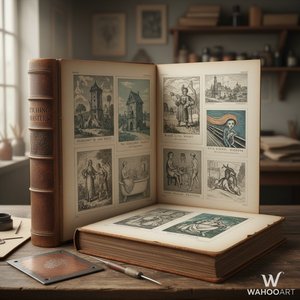
Etching Masters: 10 Legendary Prints That Revolutionized Art | OriginalUniqueArt
Journey through 10 legendary etching masterpieces by Rembrandt, Dürer & Goya. Explore the history of printmaking and discover timeless art for your home. Find museum-quality reproductions at OriginalUniqueArt.com.

Max Beckmann: Navigating Trauma & Modernity Through a Distorted Lens
Explore the powerful world of Max Beckmann's art – a journey through trauma, modernity & distortion. Discover his key works, influences, and lasting legacy with expert analysis.

25 Remek-dela Maksa Ernsta: Surrealistička Vizija za Vaš Dom | OriginalUniqueArt
Istražite 25 remek-dela Maksa Ernsta, ikona surrealizma. Otkrijte priče iza apstraktnih slika, inovativnih tehnika i psiholoških vizija ovog nemačkog umetnika. Kupite reprodukcije vrhunskog kvaliteta za dekoraciju enterijera na OriginalUniqueArt.com!

German Expressionism's 10 Defining Masterpieces | Art for Your Home
Explore 10 defining German Expressionism masterpieces – from Munch's 'The Scream' to Kandinsky’s abstracts. Discover the artists, stories & bold colors behind this powerful art movement. Find museum-quality reproductions at OriginalUniqueArt.com.

Etching: A Historical Survey of Technique, Aesthetic Qualities & Enduring Artistic Significance
Explore the rich history of etching, from its origins to Rembrandt's masterful innovations. Discover the technique, aesthetic qualities & enduring legacy of this captivating art form. Expert insights for collectors and enthusiasts.


