

 Pregledaj u prostoru
 Podeli
 Podeli
 Detalji
 Vodič
Vodič

 Preuzmi sliku
 Slični predmeti
 Rendgenski snimak
 Automatska prezentacija
 Statistika
Maréchal de Saxe
 Pastel
- WallArt
- Rococo Portraiture
 Early Modern
 61.0 x 51.0 cm
 Louvre
 Pročitaj više
Ručno rađena uljana reprodukcija
Ručno oslikano uljanim bojama na platnu u dimenzijama i okviru po vašem izboru, izrađeno po porudžbini od strane naših umetnika. ( Pređi na prodaju štampanih primeraka Pređi na prodaju digitalnih slika)




P118B дин10

P118H дин10

P118W дин10

P438Z дин10

P508JH дин12

P508YH дин12

P805H дин10

P805Z дин10

P919BZ дин10

P919G дин10

P919XJ дин10

P959ZH дин10

P968JZ дин12

W106C дин8

W218G дин10

W218JH дин8

W218Y дин10

W307PJ дин10

W316G дин10

W316PJ дин8

W316Y дин10

W398PJ дин8

W4111J дин10

W500HY дин15

W500JH дин15

W692G дин12

W849H дин8

W940BG дин15

W953PJ дин8




Izaberite jednu od naših unapred definisanih veličina koje odgovaraju originalnim proporcijama umetničkog dela.

Unesite širinu i visinu koja vam je potrebna, kako bi se uklopili u vaš ram ili zid. Pošto je ovo ručno oslikano delo, umetnik može naslikati malo više prostora oko slike ili malo skratiti ivice za dimenzije drugačijeg oblika — izbor je na vama. Pre početka rada, poslaćemo vam digitalni prikaz radi potvrde. Slika prikazana na ovoj stranici ne predstavlja konačan rezultat — samo digitalni prikaz pokazuje stvarnu sliku.
Nakon narudžbine, tim OriginalUniqueArt.com će klijentu putem e-pošte poslati uputstva i dostaviti prikaz predloženog rešenja
Svetska isporuka () za 3/4 nedelje umesto uobičajenih 5 nedelja. (26 октобар). Bez kompromisa po pitanju kvaliteta.

Besplatna ekspresna dostava širom sveta

Visokokvalitetno laneno platno

Sveobuhvatno osiguranje transporta

Garancija povraćaja carine i uvoznih dažbina

Garancija vernosti boja i autentičnosti pri reprodukciji

Politika povraćaja u roku od 100 dana (samo u slučaju nedostataka)

Garancija povrata 100% novca

Popust pri većoj količini
 Opcija sa staklom dostupna je samo za dimenzije manje od 110 cm

Maréchal de Saxe
Tehnika izrade reprodukcije
Veličina reprodukcije
-


Ukupna cena
дин 30935
A Vision of Rococo Grandeur
In the delicate dance of light and pigment, few works capture the aristocratic splendor of the eighteenth century as intimately as Maurice Quentin de La Tour’s 1731 pastel portrait, Maréchal de Saxe. To gaze upon this masterpiece is to step directly into the opulent intellectual landscape of Enlightenment France, where every brushstroke—or in this case, every soft application of pastel—serves to elevate the subject beyond mere mortal likeness. The portrait does not simply present a military commander; it orchestrates a symphony of power, prestige, and refined grace. Through the masterful use of the pastel medium, De La Tour achieves an ethereal luminosity that oil paints often struggle to replicate, allowing the skin tones to glow with a lifelike warmth and the fabrics to shimmer with a soft, tactile elegance.
The subject himself, the celebrated Maréchal de Saxe, is rendered with a profound sense of dignity. Clad in the authoritative attire of his station, he wears a striking blue sash draped across his shoulder, a symbol of high rank that cuts through the composition with a regal vibrancy. His black coat, punctuated by meticulously detailed gold buttons, speaks to the wealth and status inherent in his role as an influential advisor to Louis XV. De La Tour’s technical prowess is most evident in the subtle gradations of color; he blends hues of cerulean, cream, and gold so seamlessly that the textures of silk, lace, and skin appear almost tangible. This soft-focus brilliance is a hallmark of the Rococo style, creating an atmosphere that feels both intensely real and dreamily idealized.
The Intersection of Might and Intellect
Beyond the surface beauty of the portrait lies a deeper narrative regarding the cultural zeitgeist of the era. During this period, the ideals of the Enlightenment—reason, virtue, and intellect—were beginning to reshape the French court. De La Tour, a master of characterization, does not merely depict a soldier of war; he presents an embodiment of these very ideals. The Maréchal’s expression, marked by a quiet confidence and a gaze of seasoned wisdom, suggests a man whose strategic brilliance is matched by his philosophical depth. This portrayal aligns beautifully with the spirit of contemporaries like Voltaire, whose influence permeated the artistic circles of the time.
The minimalist background serves a vital compositional purpose, stripping away the distractions of a cluttered landscape to focus the viewer's entire emotional investment on the man himself. By placing the Maréchal against a plain, light-colored void, De La Tour ensures that the interplay of shadow and light on the subject's face becomes the focal point. This choice emphasizes the psychological depth of the sitter, inviting collectors and art enthusiasts to contemplate the weight of responsibility carried by such an influential figure.
An Enduring Legacy for the Discerning Collector
For the interior designer or the passionate art collector, a high-quality reproduction of Maréchal de Saxe offers more than just a decorative element; it provides a window into a vanished era of elegance. The piece possesses a unique ability to anchor a room, bringing a sense of historical gravity and sophisticated charm to any space. Whether placed in a sunlit library or a formal dining hall, the soft textures and regal color palette of the pastel medium evoke a feeling of timeless luxury.
Owning a reproduction of this caliber allows one to celebrate the technical mastery of Maurice Quentin de La Tour, an artist who redefined the possibilities of pastel. The artwork serves as a conversation piece that bridges the gap between the historical grandeur of the French monarchy and the modern aesthetic appreciation for fine detail and emotive portraiture. It is an investment in atmosphere, a tribute to the enduring power of the Rococo spirit, and a profound addition to any curated collection of fine art.
Pitanja i odgovori
Ko prodaje ručno oslikane kopije dela „Maréchal de Saxe”, Морис Кентан Де Ла Тур?
Ručno oslikane kopije dela „Maréchal de Saxe”, Морис Кентан Де Ла Тур mogu se kupiti na stranici ovaj veb-sajt: ručno oslikana uljana reprodukcija na lanenom platnu, putem njihove stranice za naručivanje reprodukcija Ručno oslikana reprodukcija.
Gde se danas može videti delo „Maréchal de Saxe”, Морис Кентан Де Ла Тур?
Originalno delo "Maréchal de Saxe" možete videti u muzeju Louvre, Paris, France.
Mogu li da vidim rendgenski prikaz dela „Maréchal de Saxe”, Морис Кентан Де Ла Тур?
X-Ray prikaz dela „Maréchal de Saxe”, Морис Кентан Де Ла Тур nalazi se na stranici Rentgenski snimak ovog umetničkog dela: interaktivno istraživanje slike kroz jedanaest optičkih slojeva.
Biografija umetnika
Живот и рани године Мориса Кентена де Тура
Морис Кентен де Тур, рођен 5. септембра 1704. године у Сен-Кантену у Француској, био је изузетан представник Рококо стила, познат по својим прелепим портретима израђеним пастелом. Његово детињство било је обележено музиком; његов отац, Франсоа де Тур, био је музичар на двору војводе од Мена. Ипак, Морис није следио очеве стопе већ се определио за сликарство, иако је то у почетку наишло на отпор породице. Преселивши се у Париз око 1724. године, започео је своју уметничку каријеру под менторством Жака Споедеа, а кратко време провео је и у Ремсу где је стекао додатна знања. Путовање у Енглеску 1725. године имало је значајан утицај на његов стил, отварајући му нове перспективе у свету портрета. Већ рани радови, попут портрета Волтера из 1731. године, показали су његов таленат за хватање карактера и сличности са моделом, а штампање овог портрета од стране Ланглоа допринело је његовом растућем угледу.Уметнички стил и значајна дела
Де Тур је постао синоним за мајсторство у раду са пастелом. Користио је ову медијум да створи портрете изузетне мекоће и деликатности, хватајући суптилне нијансе израза лица и текстуре коже. Његов рад оличава Рококо стил, карактеристичан по елеганцији, грациозности и фокусу на приказивању модне друштвене елите. Међу његовим најзначајнијим делима издвајају се портрет Волтера (1731), који је учврстио његов углед у раној фази каријере, самопортрет "Смејући се" (око 1737. године) – дело које демонстрира његову способност да прикаже личност и духовит дух, портрет мадам де Помпадур – значајна наруџбина која је потврдила његов таленат за репродукцију ликова познатих личности, као и серија портрета Луја XV који су учврстили његов положај на двору. Редовно је излагао на Париском салону током три деценије, где је приказао око 150 портрета, што је постало посебан догађај за посетиоце.Признање и каснији живот
Године 1737. Де Тур је добио признање Краљевске академије сликарства и скулптуре, а 1750. године именован је за дворског портретисту краља Луја XV. Како је његово богатство расло, посветио се филантропији, основавши школу цртања у Сен-Кантену и помажући сиромашним уметницима. Међутим, око 1773. године доживео је нервни слом који га је довео до периода менталне болести и на крају повратка у његов родни град Сен-Кантен.Наслеђе и историјски значај
Портрети Мориса Кентена де Тура су високо цењени због психолошке проницљивости и техничке бриљантности. Он је уздигао пастел портрета на нови ниво, утичући на касније генерације уметника. Његова способност да зароби суштину својих модела – њихову личност, интелигенцију и друштвени статус – учинила га је једним од најтраженијих портретиста његовог времена. Данас се његови радови чувају у престижним музејима широм света, укључујући Лувр, пружајући драгоцене увиде у француско друштво и уметничку праксу 18. века. Његов рад је вечни пример елеганције, грациозности и психолошке дубине.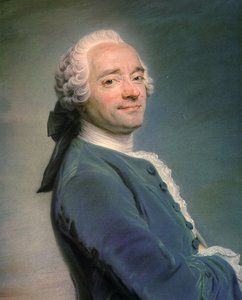
Морис Кентан Де Ла Тур
1704 - 1788 , Француска
Brzi pregled
- Artistic Movement Or Style: Rokoko
- Date Of Birth: 5. septembar 1704.
- Date Of Death: 17. februar 1788.
- Full Name: Maurice Quentin de La Tour
- Nationality: Francuz
- Notable Artworks:
- Portret Voltera
- Samoportret smejući se
- Portret gospođe Pompadur
- Place Of Birth (City And Country): Saint-Quentin, Francuska
Srodni članci
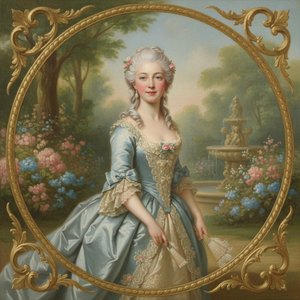
The Elegance of Rococo Portraiture: A Journey Through Grace, Soft Light, and Pastel Dreams
Discover the exquisite world of Rococo portraiture. Explore the delicate beauty of 18th-century French art, from pastel light to graceful asymmetry, and learn how to bring this era of elegance into your home through masterfully hand-painted oil reproductions.

Maurice Quentin de La Tour: Light, Shadow & the Rococo Portrait
Explore the captivating world of Maurice Quentin de La Tour, a master of Rococo portraiture. Discover his innovative pastel techniques, intimate depictions of French aristocracy, and lasting artistic legacy. Learn more at OriginalUniqueArt.

Francisco Goya: 25 Remek-dela Španskog Majstora za Vaš Dom | OriginalUniqueArt
Istražite 25 remek-dela Francisca Goya, španskog slikara romantizma i impresionizma. Portreti, tamne slike & istorija umetnosti na OriginalUniqueArt.com! Kupite reprodukcije slika vrhunskog kvaliteta za dekoraciju enterijera. Otkrijte celu kolekciju online.
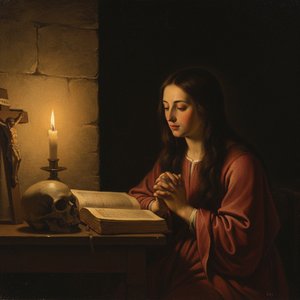
Georges de La Tour: Luminosity, Spirituality & Realism in Baroque Painting
Discover the captivating world of Georges de La Tour, a Baroque master renowned for his dramatic chiaroscuro & spiritual realism. Explore key works, influences, and his remarkable rediscovery. Learn more at OriginalUniqueArt.
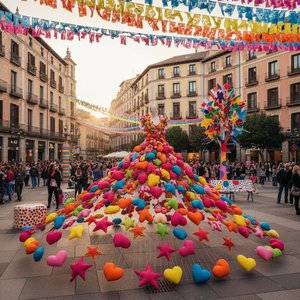
Águeda Ruiz de la Prada: A Study of Eclecticism & Emotional Resonance in Contemporary Spanish Painting
Discover the vibrant world of Ágatha Ruiz de la Prada, a leading figure in contemporary Spanish art. Explore her eclectic style, emotional depth & legacy – a must-read for discerning collectors.