
 Pregledaj u prostoru
 Pošalji
 Podeli
 Detalji o delu
 Vodič
Vodič

 Preuzmi
 Slični predmeti
 Rendgenski snimak
 Automatska prezentacija
 Pitanja i odgovori
 Statistika
The Resurrection


 Pročitaj više
Giclee štampa / Umetnički otisak
Giclée štampa ili print na platnu muzejskog kvaliteta uz brzu izradu i raznovrsne opcije završne obrade. ( Kupite ručno oslikano delo Pređi na digitalnu sliku)




P118B дин10

P118H дин10

P118W дин10

P438Z дин10

P508JH дин12

P508YH дин12

P805H дин10

P805Z дин10

P919BZ дин10

P919G дин10

P919XJ дин10

P959ZH дин10

P968JZ дин12

W106C дин8

W218G дин10

W218JH дин8

W218Y дин10

W307PJ дин10

W316G дин10

W316PJ дин8

W316Y дин10

W398PJ дин8

W4111J дин10

W500HY дин15

W500JH дин15

W692G дин12

W849H дин8

W940BG дин15

W953PJ дин8




Izaberite jednu od naših unapred definisanih veličina koje odgovaraju originalnim proporcijama umetničkog dela.

Unesite željenu širinu i visinu kako bi se štampa uklopila u vaš ram ili zid. Štampu je moguće samo iseći, ali nikada povećati iznad dimenzija originalne slike, stoga format sa drugačijim proporcijama uzrokuje gubitak dela slike. Pre početka štampe, poslaćemo vam digitalni prikaz radi potvrde. Slika prikazana na ovoj stranici ne predstavlja stvarni isrez — to pokazuje samo digitalni prikaz.
Dostava širom sveta () za 2 nedelje umesto uobičajenih 4/5 nedelja. (4 новембар)

Besplatna ekspresna dostava širom sveta

Visokokvalitetno laneno platno

Potpuno osiguranje transporta

Garancija povraćaja carine i uvoznih dažbina

Garancija vernosti boja

Politika povraćaja u roku od 100 dana (samo u slučaju nedostataka)

Garancija povrata 100% novca

Popust na više proizvoda
 Opcija sa staklom dostupna je samo za dimenzije manje od 110 cm

The Resurrection
Giclee štampa / Umetnički otisak
Dimenzije reprodukcije
-


Ukupna cena
дин 8454
A Vision of Ascent: Matthias Grünewald’s “The Resurrection”
Matthias Grünewald's "The Resurrection," painted around 1515, isn’t merely a depiction of a biblical event; it’s a visceral experience. This monumental panel, now housed in the Unterlinden Museum in Colmar, France, transcends simple narrative to become a profound meditation on faith, sacrifice, and the triumph over darkness. It's a work that immediately commands attention, not through polished realism, but through an intensely emotional and dramatically charged atmosphere – a hallmark of Grünewald’s unique Northern Renaissance style.
The painting unfolds as a carefully orchestrated drama. At its heart stands Christ, not in serene repose, but powerfully ascending into the heavens. His body, ravaged by the wounds of the crucifixion, is rendered with an almost agonizing detail – the flayed skin, the exposed nails, the blue-tinged lips conveying both suffering and divine presence. This isn’t idealized beauty; it's a raw, unflinching portrayal of human agony transformed into spiritual victory. Below him lies a chaotic tableau of fallen Roman soldiers, their armor scattered, weapons abandoned, symbolizing the defeat of earthly power by the resurrected Christ.
The Language of Light and Shadow: Technique and Style
Grünewald’s mastery lies in his manipulation of light and shadow – a technique known as *chiaroscuro*. The scene is dominated by deep, almost impenetrable blacks that contrast sharply with the radiant glow emanating from Christ himself. This dramatic lighting isn't just aesthetic; it serves to elevate Christ to a divine level, casting him as the source of all illumination and hope. The artist employs impasto – thick layers of paint applied directly to the panel – creating a tactile surface that adds depth and physicality to the figures and architectural elements. The brushstrokes are visible, lending a sense of immediacy and energy to the composition.
Notice also the deliberate flattening of perspective. Grünewald prioritizes emotional impact over strict realism, drawing the viewer’s eye upwards towards Christ's ascent through strong diagonals and a tightly structured composition. This compositional choice reinforces the painting’s central theme: the movement from earthly suffering to heavenly glory.
Symbolism and Context: A Hospital Altarpiece
“The Resurrection” wasn’t created for a grand cathedral, but for the hospital of St. Anthony in Issenheim, a monastery dedicated to caring for plague victims. The monks there were particularly skilled at treating ergotism, a debilitating disease characterized by gangrene and convulsions. The imagery within the painting – Christ's wounds mirroring the symptoms of the afflicted – was intended to offer comfort and reassurance to those suffering from this horrific illness. It’s a poignant example of art serving as a source of spiritual healing.
Furthermore, the inclusion of figures like Saint Sebastian (pierced by arrows) and John the Baptist (pointing towards Christ) adds layers of symbolic meaning. Sebastian represents martyrdom and sacrifice, while John foreshadows the coming of the Messiah. The lamb, held by John, is a potent symbol of Christ as the sacrificial Lamb of God.
A Legacy of Dramatic Intensity
“The Resurrection” remains one of Grünewald’s most powerful and enduring works. Its raw emotion, dramatic composition, and profound symbolism continue to resonate with viewers centuries later. It's a testament to the artist’s ability to capture not just the events of the biblical narrative, but also the complex emotions associated with faith, suffering, and redemption. Reproductions of this masterpiece offer a remarkable opportunity to experience Grünewald’s visionary style in your own space – a window into a world of intense spirituality and artistic brilliance.
Pitanja i odgovori
Kada i od kojih materijala je napravljeno "The Resurrection"?
Tehnika dela „The Resurrection”, autor Матијас Гриневалд je Oil On Panel, a rad je datiran sa 1515.
Kako mogu da nabavim digitalni prikaz dela „The Resurrection”, autor Матијас Гриневалд?
Digitalnu sliku dela „The Resurrection”, autor Матијас Гриневалд možete kupiti na njegovoj stranici za Digitalna slika u visokoj rezoluciji: preuzimanje digitalne slike visoke rezolucije.
Da li su boje dela "The Resurrection" intenzivne ili nežne?
„The Resurrection”, autor Матијас Гриневалд prikazuje Balanced intenzitet boja.
Biografija umetnika
Матијас Гриневалд: Живот и наслеђе
Матијас Гриневалд, рођено име Матис Готарт Најтхардт, рођен око 1470-1475. године у Вирцбургу, Немачка, био је кључна фигура немачке ренесансе. Упркос томе што је живео у периоду све већег утицаја италијанских ренесансних идеала, Гриневалд је остао дубоко укорењен у уметничким традицијама касног средњевековног централне Европе. Детаљи о његовом раном животу су оскудни, али се зна да је добио уметничку обуку, вероватно у локалним радионицама.
Уметнички развој и утицаји
Гриневалдов уметнички развој обликовале су преовлађујуће северноевропске традиције реализма, емотивне интензивности и детаљног посматрања. Његов рад показује утицаје уметника као што су Албрехт Дирер и Мартин Шонгауер, али је изградио свој јединствени пут карактерисан драматичном експресијом и живописном бојом. Он није био директно укључен у хуманистичке кругове који су били распрострањени у Италији; уместо тога, његова уметност служила је пре свега религиозним сврхама, одражавајући духовну узнемиреност свог времена. Гриневалд није тежио идеализацији форме или класичној хармонији, већ је настојао да представи људску патњу и божанску милост са неукрашеном искреношћу.
Главна дела и уметнички стил
Гриневалдов опус се одликује интензивним емоционалним набојем, драматичним композицијама и реалистичном репрезентацијом људског тела. Међу његовим најзначајнијим делима издвајају се:
- Изенхајмски олтар (1512-1516): Ово ремек-дело, смештено у музеју Унтерлинден у Колмарu, сматра се Гриневалдовим magnum opus-ом. Приказује сцене из живота Христа са потресном реалистичношћу, посебно фокусирајући се на патњу и искупљење. Олтар је био намењен болничком реду и служио као средство утехе и духовне подршке за пацијенте.
- Распнуће (око 1502-1503): Рано дело које демонстрира његов развијајући се стил, показујући интензивне емоције и анатомске детаље. Композиција је драматична и наглашава физичку патњу Христа.
- Дева Марија са Благовешћењем (1512-14): Студија за Изенхајмски олтар, откривајући његов педантни процес планирања. Ово дело показује Гриневалдову способност да створи интимну и емотивно напуњену атмосферу.
- Мојсије (1511): Цртеж који истиче Гриневалдову вештину у хватању изражајних фигура и драматичних поза. Ова студија показује његову мајсторску употребу линије и светла и сенке.
Гриневалдов стил се одликује:
- Драмском композицијом: Користио је динамичне аранжмане да појача емотивни утицај.
- Живописном палетом боја: Његова употреба интензивних, често контрастних боја створила је моћно визуелно искуство.
- Реалистичним приказом патње: Гриневалд се није плашио да представи физички и емоционални бол повезан са религиозним наративима.
- Изражајним фигурама: Његове фигуре су прожете јаким емоцијама и психолошком дубином.
Историјски значај и наслеђе
Гриневалдов рад стоји као сведочанство трајне моћи средњовековних уметничких традиција у Немачкој током ренесансе. Он је повезао рупу између касног готичког стила и нових ренесансних трендова, стварајући јединствени визуелни језик који је одзвањао са његовим савременицима. Његов утицај се види код каснијих немачких уметника који су наставили да истражују теме религиозног жара и емотивне интензивности. Иако је био углавном заборављен вековима након његове смрти 1528. године, Гриневалд је доживео препород у 19. веку, а данас је признат као један од најважнијих сликара немачке ренесансе. Његова уметност наставља да очарава гледаоце својом сировом емоцијом, техничком бриљантношћу и дубоком духовном дубином.
Даља истраживања
Откријте више о животу и делима Матијаса Гриневалда на: OriginalUniqueArt

Матијас Гриневалд
1480 - 1528 , Nemačka
Osnovne informacije
- Datum Rođenja: oko 1470-1475
- Datum Smrti: 1528.
- Mesto Rođenja: Würzburg, Nemačka
- Nacionalnost: Nemac
- Puno Ime: Matthias Grünewald
- Umetnici Koji Su Uticali:
- Albrecht Dürer
- Martin Schongauer
- Umetnici Pod Uticajem: Kasniji nemački slikari
- Umetnički Pokret/Stil: Nemački renesans
- Značajna Dela:
- Isenheim oltar
- Raspeće
Povezani članci

The Timeless Charm of Oil on Board: Reimagining Texture and Light through the Impressionist Lens
Discover the profound intimacy of oil on panel. Explore how Impressionist masters used rigid supports to capture light, texture, and impasto depth through exquisite, handmade oil reproductions for discerning collectors.

Oil on Canvas: A Historical & Technical Exploration of a Timeless Artistic Medium
Explore the rich history & enduring techniques of oil painting on canvas. Discover the science behind its longevity, conservation practices, and contemporary relevance. Expert insights for art enthusiasts.
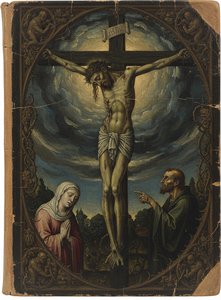
Matthias Grünewald: Devotion, Distortion & Spiritual Turmoil in Renaissance Art
Explore the profound religious art of Matthias Grünewald, master of the Isenheim Altarpiece. Discover his unique expressionism, symbolism & lasting impact on Renaissance painting. A guide for collectors and enthusiasts.

The Enduring Legacy of Oil on Canvas: Technique, History & Aesthetic Impact
Explore the rich history & techniques of oil painting – from Renaissance masters to Impressionism. Discover pigments, layering methods, and why this timeless medium endures. Expert insights for artists & art enthusiasts.

The Enduring Power of Painting: A Historical & Contemporary Exploration of Form and Emotion
Explore the rich history & enduring techniques of oil painting with OriginalUniqueArt. Discover masterpieces, learn about art collecting, and find authentic handmade reproductions crafted by skilled artists.


