
 Pregledaj u prostoru
 Pošalji
 Podeli
 Detalji o delu

 Преузми
 Slični predmeti
 Rendgenski snimak
 Slajdovi
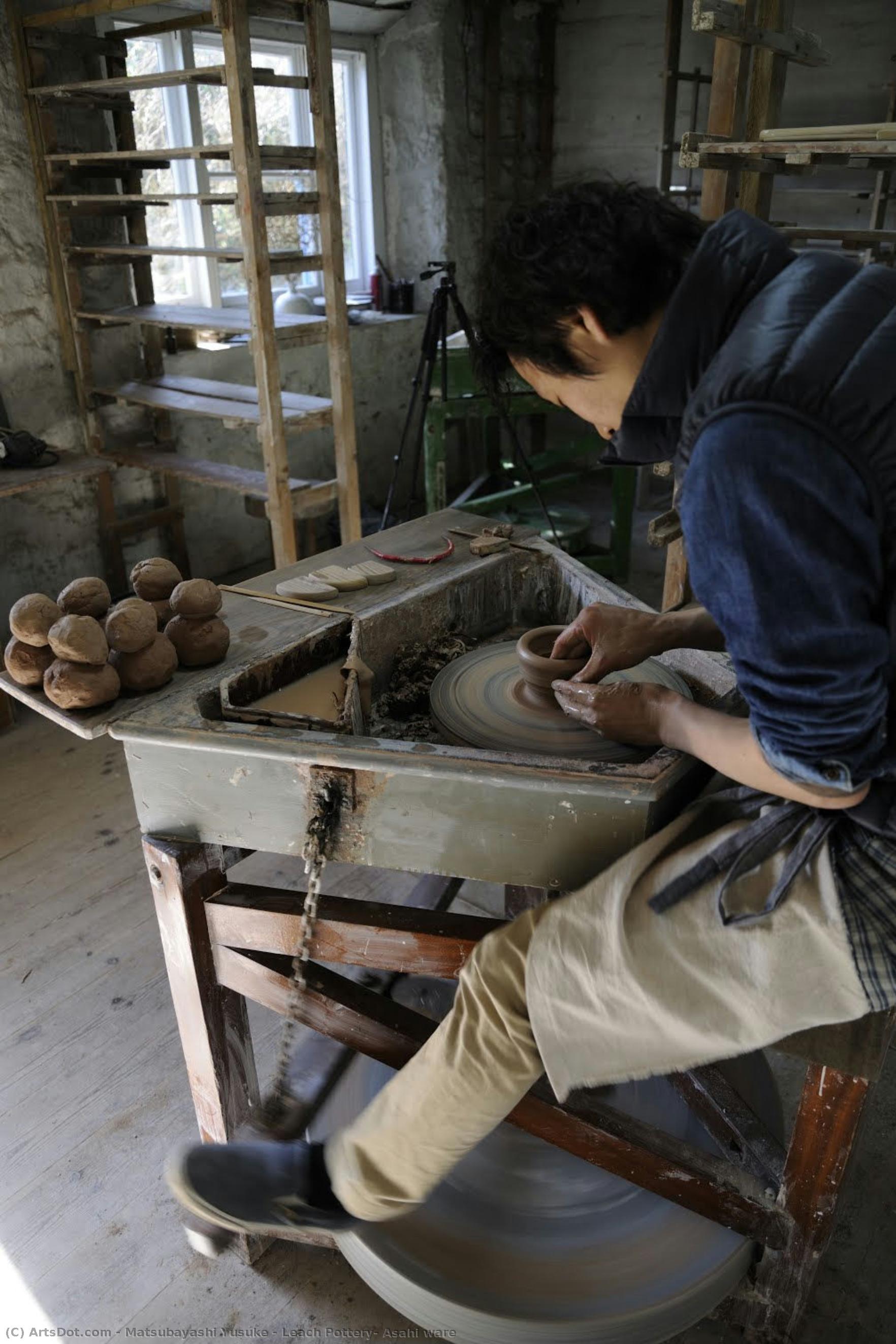
Leach Pottery, Asahi ware

 Pročitaj više
Giclee štampa / Umetnički otisak
Giclée štampa ili print na platnu muzejskog kvaliteta uz brzu proizvodnju i fleksibilne opcije završne obrade. ( Kupi ručno naslikanu sliku Kupi digitalnu sliku)




































Izaberite jednu od naših unapred definisanih veličina koje odgovaraju originalnim proporcijama umetničkog dela.

Možete uneti sopstvene dimenzije kako biste umetničko delo prilagodili specifičnom okviru ili prostoru. Ako odabrani format ne odgovara proporcijama originalne slike, mi ćemo ili iscrtati deo dela ili proširiti sliku pomoću ogledane ivice ili jednobojnog popunjavanja. Digitalni prikaz će vam biti poslat na odobrenje pre početka proizvodnje.
Imajte na umu da pregled na ekranu ne odražava stvarno iscrtavanje ili proširivanje. Samo će prikaz (mockup) precizno pokazati finalnu kompoziciju.
Iako su prilagođene dimenzije dostupne, preporučujemo da odaberete dimenziju sa unapred definisane liste kako biste očuvali originalne proporcije.
Dostava širom sveta () za 2 nedelje umesto uobičajenih 4/5 nedelja. (18 август)

Besplatna ekspresna dostava širom sveta

Visokokvalitetno laneno platno

Kompletno osiguranje transporta

Garancija povraćaja carine i uvoznih dažbina

Garancija vernosti boja

Politika povrata u roku od 60 dana (samo u slučaju nedostataka)

Garancija povrata novca od 100%

Popust pri grupnoj kupovini
 Opcija sa staklom dostupna je samo za dimenzije manje od 110 cm

Leach Pottery, Asahi ware
Giclee štampa / Umetnički otisak
Dimenzije reprodukcije
-


Konačna cena
$ 80
Biografija umetnika
A Legacy Forged in Clay: The World of Yusuke Matsubayashi
Yusuke Matsubayashi, born in 1980 in Awaji, Japan, represents a compelling continuation of a centuries-old artistic tradition while simultaneously embodying the spirit of contemporary design. He is not merely a ceramic artist; he is a custodian of heritage, the eldest son carrying forward the legacy of the Asahiyaki pottery studio in Uji, Kyoto – a lineage stretching back over 400 years and fifteen generations. Matsubayashi’s work isn't simply about creating beautiful objects; it’s about preserving a way of life, a deep connection to materials, and an unwavering respect for ancestral techniques.
The Weight of Tradition: Asahiyaki and the Path to Mastery
To understand Matsubayashi is to understand Asahiyaki. Founded in 1617, the studio has long been renowned for its distinctive *Asahi ware*, a pottery style characterized by subtle textures, earthy tones, and a profound sense of tranquility. Growing up immersed in this environment, young Yusuke was inevitably drawn into the world of clay. His upbringing wasn’t simply about learning a craft; it was an apprenticeship to time itself – mastering the nuances of local clays, wood-firing techniques passed down through generations, and the delicate balance between form and function. The studio's location in Uji, famed for its high-quality tea leaves, also deeply influenced his work, with many pieces designed specifically for the Japanese tea ceremony. This connection to *chanoyu* (the Way of Tea) instilled a philosophy of simplicity, harmony, and reverence that permeates his creations.
Bridging Past and Present: Contemporary Interpretations
While steeped in tradition, Matsubayashi is not bound by it. He actively seeks to connect the past with the present through collaborations like the “GO ON” project, which pairs traditional craftspeople with contemporary designers. This initiative reflects his belief that heritage isn’t static; it evolves and thrives when engaged with new perspectives. His own work demonstrates this beautifully. While honoring the core aesthetic of Asahi ware – its moon white glazes and subtle deer-skin patterns – he introduces a refined sensibility, exploring minimalist forms and understated elegance. He doesn't abandon the traditional motifs but reinterprets them for a modern audience, creating pieces that feel both ancient and strikingly current.
Symbolism in Clay: Moon White and Deer Skin
The recurring themes in Matsubayashi’s work – moon white glazes and deer-skin patterns – are rich with symbolism. The *moon white* glaze evokes a sense of purity, serenity, and the ephemeral beauty of nature. It's not a stark, brilliant white but rather a soft, luminous hue that suggests depth and tranquility. The *deer-skin pattern*, known as *shino*, is created by intentionally allowing cracks to form in the glaze during firing. These imperfections aren’t flaws; they are celebrated as integral parts of the piece, representing the natural processes of creation and the beauty of wabi-sabi – finding perfection in imperfection. These elements combine to create a visual language that speaks to the Japanese appreciation for subtlety, impermanence, and the inherent beauty of the natural world.
A Continuing Dialogue: Matsubayashi’s Significance
Yusuke Matsubayashi's contribution extends beyond his individual artistry. He embodies a vital role in preserving and revitalizing traditional Japanese crafts. His work has been exhibited in galleries and museums, gaining recognition both domestically and internationally, introducing Asahiyaki ware to a wider audience. More importantly, he represents a model for how tradition can coexist with innovation, demonstrating that honoring the past doesn’t necessitate stagnation but rather provides a foundation for creative exploration. He is not simply making pottery; he is continuing a dialogue – a conversation between generations, materials, and the enduring human desire for beauty, harmony, and connection.

matsubayashi yusuke
1980 - , Japan
Osnovne informacije
- Artistic Movement Or Style: Contemporary ceramics
- Date Of Birth: 1980
- Full Name: Yusuke Matsubayashi
- Nationality: Japanese
- Notable Artworks: ['Land of Immortals, Penglaishan']
- Place Of Birth: Awaji, Japan

