Meni
BESPLATNE KONSULTACIJE SA STRUČNJAKOM ZA UMETNOST
Kupi štampu Kupi štampuKupi digitalnu sliku Kupi digitalnu sliku PošaljiPošalji
Detalji o deluDetalji o delu Dodaj u omiljene Dodaj u omiljene ПреузмиПреузми Slični predmetiSlični predmeti Rendgenski snimakRendgenski snimak SlajdoviSlajdovi

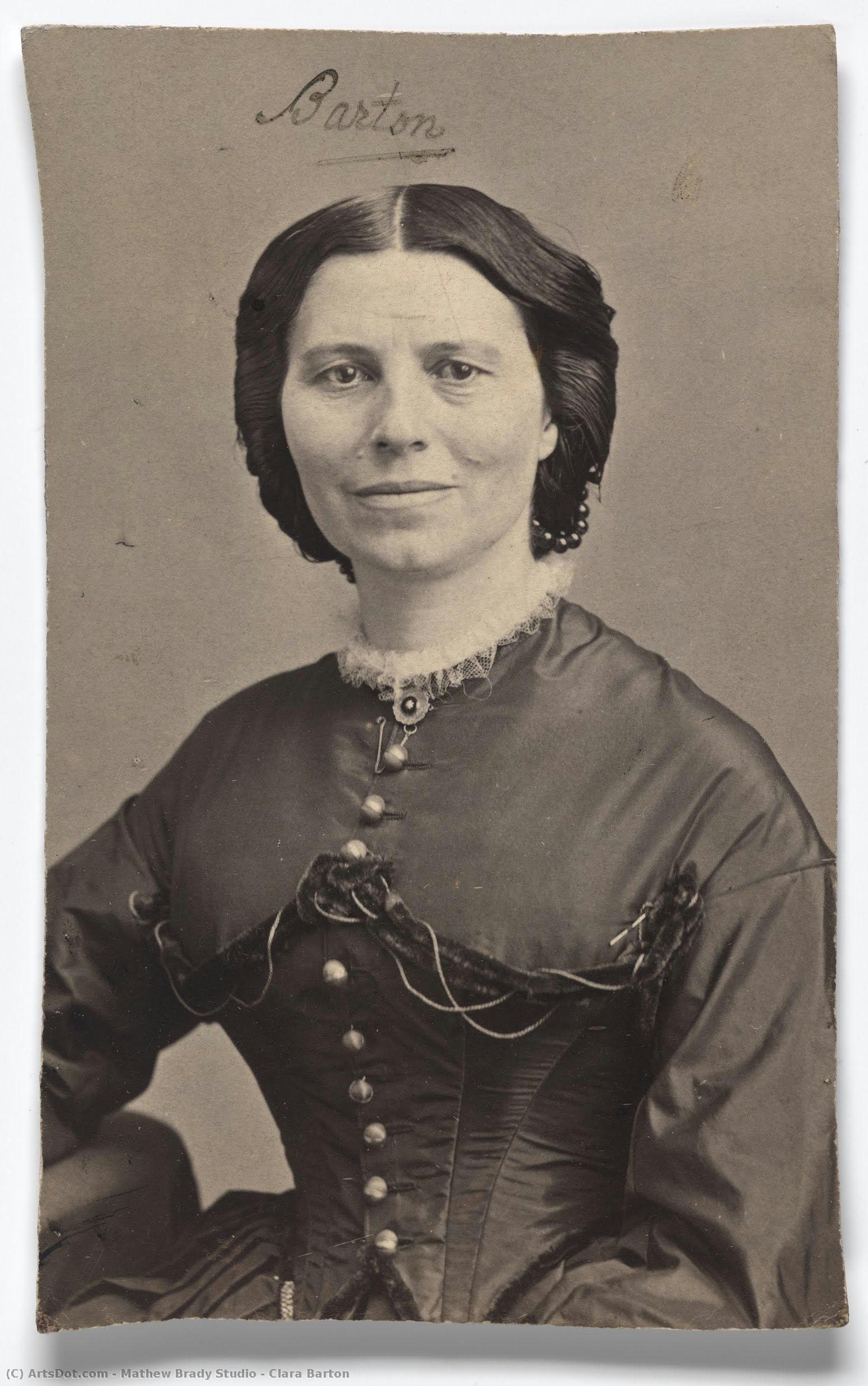
Clara Barton

A captivating black and white portrait of Clara Barton captures her elegant smile and 1865 era beauty through the lens of Mathew Brady Studio, offering a rare glimpse into history for collectors to cherish.

Mathew Brady Studio pioneered documentary photography, capturing pivotal moments of the American Civil War and portraits of prominent figures; explore their impactful historical images and witness a defining era through their lens.

Ručno rađena uljana reprodukcija

Ručno oslikano uljanim bojama na platnu u dimenzijama i okviru po vašem izboru, izrađeno po porudžbini od strane naših umetnika.

Standard
custom
CM
INCH

Izaberite jednu od naših unapred definisanih veličina koje odgovaraju originalnim proporcijama umetničkog dela.

širina
visina

Можете унети сопствене димензије како бисте прилагодили дело одређеном оквиру или простору. Ако одабрана величина не одговара пропорцијама оригинала, слика ће бити исечена или проширена додатним елементима који се ручно насликавају. Дигитални prikaz ће вам бити послат на одобрење пре почетка производње.
Имајте на уму да преглед на екрану не одражава стварно исецање или проширење. Само приказ (mockup) ће тачно приказати коначну композицију.
Иако су доступне прилагођене величине, препоручујемо да одаберете димензију из дефинисане листе како бисте сачували оригиналне пропорције.

Primeri onoga što se može promeniti: Zamena lica fotografijom kupca; Dodavanje ljubimca (npr. zamena mačke psom); Uključivanje skrivene poruke u pozadini; Promena pejzaža ili elemenata pozadine.
Nakon narudžbine, tim OriginalUniqueArt.com će klijentu putem e-pošte poslati uputstva i dostaviti prikaz predloženog rešenja

Isporuka širom sveta () za 3/4 nedelje umesto uobičajenih 5 nedelja. (21 јул). Bez kompromisa po pitanju kvaliteta.

why_choose_icon
Besplatna ekspresna dostava širom sveta
why_choose_icon
Visokokvalitetno laneno platno
why_choose_icon
Kompletno osiguranje transporta
why_choose_icon
Garancija povraćaja carine i uvoznih dažbina
why_choose_icon
Garancija vernosti boja
why_choose_icon
Politika povrata u roku od 60 dana (samo u slučaju nedostataka)
why_choose_icon
Garancija povrata novca od 100%
why_choose_icon
Popust pri grupnoj kupovini

Ukupna cena

-

reproduction

Clara Barton

Tehnika reprodukcije

Dimenzije reprodukcije

-

Konačna cena

-

Osnovne informacije

  • Notable elements or techniques: Black and white photography
  • Year: 1865
  • Artistic style: Portraiture
  • Artist: Mathew Brady Studio
  • Title: Clara Barton

Opis umetničkog dela

A Glimpse Through the Lens of History

In this evocative portrait from 1865, we are invited into an intimate encounter with one of the most formidable spirits in American history: Clara Barton. Captured by the legendary Mathew Brady Studio, the photograph transcends a mere photographic record to become a window into a soul defined by both grace and iron will. The image presents Barton in a moment of quiet elegance, her features softened by a gentle smile that belies the immense hardships she would later endure on the battlefields of the Civil War. Clad in the structured fashion of the era, with a corset and a flowing long dress, she embodies the Victorian ideal of femininity, yet there is an unmistakable spark of agency in her gaze—a precursor to the legendary humanitarian who would eventually found the American Red Cross.

The technical mastery of the Mathew Brady Studio is palpable even in this monochromatic format. The play of light and shadow across her pinned-up hairstyle and the delicate curls framing her face demonstrates a sophisticated command of early photographic chemistry. The subtle gradations of grey and black create a sense of depth that breathes life into the two-dimensional plane, allowing the viewer to feel the texture of her attire and the warmth of her expression. This is not merely a portrait; it is a study in light, used here to immortalize a woman whose life was dedicated to bringing light to the darkest corners of human suffering.

For the discerning collector or interior designer, this reproduction offers more than just aesthetic beauty; it provides a profound historical anchor. The piece serves as a poignant symbol of resilience and compassion, making it an ideal centerpiece for spaces that value heritage, strength, and the enduring power of the human spirit. Whether placed in a curated gallery wall or used to add a sense of timeless gravity to a sophisticated study, this portrait of Clara Barton commands attention. It invites conversation about the intersection of art and activism, reminding us that even within the rigid structures of 19th-century society, greatness could emerge through selfless service and unwavering courage.


Biografija umetnika

The Enduring Legacy of Mathew Brady Studio: Capturing a Nation in Transition

Mathew Brady, more than simply a photographer, was an architect of American memory. Born in Warren County, New York, in 1823, his journey to becoming the most celebrated visual chronicler of the 19th century began not with a lens, but with an ambition for artistry. Initially drawn to landscape painting and the burgeoning world of daguerreotypy, Brady quickly recognized the power of photography to transcend artistic interpretation and deliver unvarnished reality. He established his New York studio in 1844, rapidly gaining prominence through meticulously crafted portraits of prominent figures – a testament to his technical skill and keen understanding of public image. However, it was the seismic event of the Civil War that would irrevocably define Brady’s legacy and cement his place in history.

Witnessing History: The Civil War Photographs

With the outbreak of hostilities in 1861, Brady embarked on a monumental undertaking: to document the entirety of the conflict. He didn't wield the camera himself at every battle; instead, he assembled and financed a team of photographers – Alexander Gardner, Timothy H. O’Sullivan, George N. Barnard among them – who ventured onto the front lines, braving danger to capture the brutal realities of war. Brady’s vision was comprehensive: not just grand landscapes of battlefields like Antietam and Gettysburg, but also intimate portraits of soldiers, camp life, and the devastating aftermath of conflict. The resulting collection, numbering in the thousands, presented a starkly different portrayal of war than anything previously seen by the American public. These weren’t romanticized depictions of heroism; they were unflinching glimpses into the carnage, suffering, and sheer scale of destruction.

Technique and Innovation: Beyond Portraiture

Brady's studio wasn’t merely a place for taking pictures; it was an early adopter of photographic innovation. He moved beyond the limitations of daguerreotypes to embrace the collodion wet-plate process, which allowed for greater detail and reproducibility – crucial for creating multiple prints from each negative. This technical shift enabled wider dissemination of his images through publications like *Harper’s Weekly* and *Leslie's Illustrated Newspaper*, bringing the war directly into American homes. The logistical challenges were immense. The wet-plate method required a portable darkroom, immediate development of negatives after exposure, and careful handling of fragile materials in often harsh conditions. Brady’s team pioneered techniques for capturing movement and depth, laying the groundwork for future generations of photojournalists. His commitment to documenting the war wasn't driven by profit; he initially funded the project himself, believing it was a vital historical record.

A Lasting Impact: Shaping Public Perception

The impact of Brady’s Civil War photographs extended far beyond their immediate publication. They shattered prevailing illusions about the glory of war and forced Americans to confront its horrific cost. While initially met with mixed reactions – some found the images too graphic, others dismissed them as staged – they gradually gained recognition for their authenticity and power. These photographs fundamentally altered public perception of conflict, paving the way for a more critical and informed understanding of warfare. Brady’s work also established photography as a legitimate form of historical documentation, influencing subsequent generations of war correspondents and documentary photographers.

Beyond the Battlefield: Legacy and Remembrance

Though financially ruined by his investment in the Civil War project – he received little financial support from the government or public for years – Mathew Brady’s legacy remains undiminished. He continued to photograph prominent figures after the war, but it is his wartime work that continues to resonate most powerfully. The collection amassed by the studio became a cornerstone of American visual history, preserved and studied by scholars and artists alike.
  • Brady's photographs are now considered essential primary sources for understanding the Civil War.
  • His team’s work established many of the conventions of war photography still used today.
  • The studio’s commitment to documenting reality helped shape public opinion and foster a more critical awareness of conflict.
Mathew Brady died in 1896, but his vision – to capture the truth of a nation at war – continues to endure, reminding us of the sacrifices made and the enduring power of visual storytelling.

Osnovne informacije

  • Artistic Movement Or Style: Photography
  • Date Of Death: Living
  • Full Name: Mathew Brady Studio