
 Pregledaj u prostoru
 Pošalji
 Podeli
 Detalji o delu
 Vodič
Vodič

 Preuzmi
 Slični predmeti
 Rendgenski snimak
 Automatska prezentacija
 Pitanja i odgovori
 Statistika
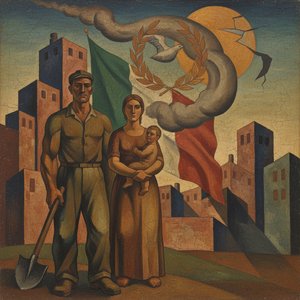
Il lavoratore

- 202.0 x 325.0 cm


 Pročitaj više
Umetničko delo prikazano na ovoj stranici zaštićeno je autorskim pravima, što znači da zakonski nismo u mogućnosti da kreiramo niti prodajemo identičnu reprodukciju. Ova zaštita se sprovodi u skladu sa međunarodnim sporazumima kao što su Bernska konvencija i nacionalnim zakonima, uključujući i one koji su definisani u Američki zakon o autorskom pravu – Naslov 17.
Ovaj metod je u potpunosti usklađen sa regulativama o autorskim pravima jer ne podrazumeva kopiranje ili dupliranje zaštićenih umetničkih dela. Umesto toga, reč je o kreativnoj reinterpretaciji – novom slikarskom delu koje je inspirisano originalom, ali nije identično njemu.
Giclee štampa / Umetnički otisak
Giclée štampa ili print na platnu muzejskog kvaliteta uz brzu izradu i raznovrsne opcije završne obrade. ( Kupite ručno oslikano delo Pređi na digitalnu sliku)




P118B дин10

P118H дин10

P118W дин10

P438Z дин10

P508JH дин12

P508YH дин12

P805H дин10

P805Z дин10

P919BZ дин10

P919G дин10

P919XJ дин10

P959ZH дин10

P968JZ дин12

W106C дин8

W218G дин10

W218JH дин8

W218Y дин10

W307PJ дин10

W316G дин10

W316PJ дин8

W316Y дин10

W398PJ дин8

W4111J дин10

W500HY дин15

W500JH дин15

W692G дин12

W849H дин8

W940BG дин15

W953PJ дин8




Izaberite jednu od naših unapred definisanih veličina koje odgovaraju originalnim proporcijama umetničkog dela.

Unesite željenu širinu i visinu kako bi se štampa uklopila u vaš ram ili zid. Štampu je moguće samo iseći, ali nikada povećati iznad dimenzija originalne slike, stoga format sa drugačijim proporcijama uzrokuje gubitak dela slike. Pre početka štampe, poslaćemo vam digitalni prikaz radi potvrde. Slika prikazana na ovoj stranici ne predstavlja stvarni isrez — to pokazuje samo digitalni prikaz.
Dostava širom sveta () za 2 nedelje umesto uobičajenih 4/5 nedelja. (5 новембар)

Besplatna ekspresna dostava širom sveta

Visokokvalitetno laneno platno

Potpuno osiguranje transporta

Garancija povraćaja carine i uvoznih dažbina

Garancija vernosti boja

Politika povraćaja u roku od 100 dana (samo u slučaju nedostataka)

Garancija povrata 100% novca

Popust na više proizvoda
 Opcija sa staklom dostupna je samo za dimenzije manje od 110 cm

Il lavoratore
Giclee štampa / Umetnički otisak
Dimenzije reprodukcije
-


Ukupna cena
дин 8454
A Monumental Vision of Labor and Solitude
In the profound depths of Mario Sironi’s Il Lavoratore, we encounter more than a mere preparatory study; we witness a monumental dialogue between the individual and the weight of history. Created as a preparatory cartoon for the massive mosaic commissioned for the 1936 Milan Triennial, this work serves as a powerful window into the socio-political soul of Fascist Italy. Yet, beneath the surface-level nod to Mussolini’s vision of a disciplined, industrious citizenry, lies a much more intimate and haunting exploration of the human condition. The painting captures a solitary figure, rendered with a gravity that transcends its original political intent, embodying a sense of profound isolation and the quiet, enduring struggle for meaning amidst the relentless march of industrial progress.
The composition is masterfully structured to command the viewer's attention, utilizing a verticality that emphasizes the weight of the subject. A single figure dominates the space, positioned in a posture that oscillates between humble submission and defiant endurance. Through Sironi’s lens, the act of labor is stripped of its romanticized glory and instead presented as an existential state—a moment of stillness within a world of shifting shadows. For the discerning collector or interior designer, this piece offers a commanding presence, bringing a sense of historical weight and intellectual depth to any curated space.
The Alchemy of Shadow and Form
Technically, Il Lavoratore is a triumph of early Modernist expression, showcasing Sironi’s departure from the luminous, fragmented light of his Divisionist roots toward something far more substantial and somber. The artist employs a palette dominated by earthy ochres, deep blacks, and rich golds, creating a chiaroscuro effect that breathes life into the geometric forms. There is a palpable sense of impasto here; the visible, thick brushstrokes suggest a tactile reality, as if the paint itself were labored over with the same intensity as the subject it depicts.
The style leans heavily into the metaphysical and the expressionistic, where shapes are simplified into powerful, architectural blocks. The lines defining the figure and the surrounding environment are not sharp or clinical but possess a smoky, blurred quality that contributes to a claustrophobic, almost dreamlike atmosphere. This lack of traditional linear perspective flattens the space, forcing the viewer to confront the emotional volume of the figure rather than getting lost in a receding landscape. The interplay of light, appearing to descend from above, casts dramatic shadows that carve out the musculature and the heavy folds of the composition, lending the work an almost sculptural permanence.
Symbolism and the Emotional Resonance
To gaze upon Il Lavoratore is to engage with a complex tapestry of symbolism. The outstretched arms of the figure can be interpreted as a gesture of both vulnerability and strength—a reaching out toward a connection that remains perpetually out of grasp. Sironi, influenced by the psychological depth of Giorgio de Chirico, uses these massive, immobile forms to evoke a sense of timelessness and melancholy. The geometric rigidity of the background elements contrasts sharply with the organic, albeit stylized, form of the human body, mirroring the tension between the individual spirit and the cold, industrial structures of modern society.
For those seeking to incorporate art into a sophisticated interior, this reproduction offers an unparalleled emotional impact. It is a piece that invites contemplation, acting as a focal point that stimulates conversation about identity, resilience, and the passage of time. Whether placed in a quiet study or a grand gallery, Il Lavoratore radiates a somber elegance, making it an exquisite choice for those who appreciate art that speaks to the complexities of the human experience through a lens of monumental beauty.
Pitanja i odgovori
U kojoj prostoriji bi se najbolje uklopilo delo "Il lavoratore", s obzirom na njegovu paletu boja?
Sa svojom paletom u nijansama Earthy, delo „Il lavoratore”, autor Марио Сирони se preporučuje za Living Room. Boje su jedan od razloga za ovakvu sugestiju.
Gde mogu kupiti ručno oslikanu reprodukciju dela „Il lavoratore”, autor Марио Сирони?
„Il lavoratore“ je dostupan kao ručno oslikana uljana reprodukcija na lanenom platnu. Porudžbinu možete izvršiti na stranici Ručno oslikana reprodukcija ulja na platnu, uz mogućnost izbora veličine.
Da li je "Il lavoratore" slobodan od autorskih prava?
Što se tiče autorskih prava, delo "Il lavoratore" je i dalje je zaštićeno autorskim pravima.
Biografija umetnika
Марио Сирони: Живот и уметнички пут једног италијанског модернисте
Марио Сирони, рођен 12. маја 1885. године у Сасарију на Сардинији, био је један од најзначајнијих представника италијанског модерног сликарства. Његов живот и стваралаштво обележили су дубоки преломи, трагичне околности и константно потраживање новог израза. Отац му је био инжењер, али је утицај на његов каснији уметнички развој имао деда по мајчиној линији, Игнацио Вила, уважени архитекта и вајар, који га је рано упознао са лепотом и изражајним моћима визуелних уметности. Сирони је започео студије инжењерства на Универзитету у Риму, али их је 1903. године напустио након тешког нервног слома – преломни тренутак који је означио његов потпуни окрет ка свету уметности. Убрзо затим, приступио је Школи за слободно нудо Академије лепих уметности у Риму, где је упознао Ђакома Балу, свог првог значајног учитеља и ментора.Рани радови и трагање за стилом
Почетни период Сирониевог стваралаштва био је под снажним утицајем дивизионизма – технике која се карактерише раздвајањем боја ради постизања веће светлости и визуелног ефекта. Један од раних примера овог стила је слика “Студент”. Међутим, Сирони није остао дуго верни следбеник дивизионизма. Кратко време је експериментисао са футуризмом око 1914. године и учествовао на изложби у Галерији Спровјери у Риму. Ипак, брзо се одвојио од футуристичке заљубљености брзином и динамиком, тражећи другачији пут изражавања. Први светски рат је имао огроман утицај на његов рад. После рата, Сирони је развио препознатљив стил карактеристичан по масивним, непокретним формама и геометријским облицима. Ово је био резултат искустава са фронта и растућег осећаја изолације и отуђености. Међу његове кључне утицаје спадају Ђакомо Балу (рани тренинг), Ђорђо де Кирико и Карло Кара (утицај метафизичког сликарства на обликовање форми) као и елементи неокласицизма и примитивног класицизма.Новеcento Italiano и зрели стил
Године 1922, Сирони је постао оснивач покрета Новеcento Италиано – покушаја повратка реду у послератној европској уметности, са нагласком на јасноћи и традицији. Овај покрет тежио је да обнови класичне вредности и створи нову националну естетику. Сирониев зрели стил обележен је:- Наглашеним геометријским облицима и поједностављеним формама.
- Намерно неспретним естетиком у каснијим радовима.
- Темама самоће, отуђености и људског стања.
- Истраживањем индустријских пејзажа и живота радничке класе.
Политички ставови и каснији живот
Сирони је био присталица Бенита Мусолинија и активно је доприносио фашистичким публикацијама, објављујући преко 1700 цртежа. Веровао је у интеграцију уметности и архитектуре, стречећи да створи монументална дела за јавне просторе – што је одражавало идеале фашистичког режима. Након Другог светског рата, његова повезаност са фашизмом довела је до пада популарности и критичке прихватљивости. У каснијим годинама живота, Сирони се углавном повукао из јавног живота и наставио да слика у релативној изолацији све до своје смрти 13. августа 1961. године у Милану.Наслеђе и историјски значај
Марио Сирони је оставио неизбрисив траг на италијанском модернизму, повезујући футуризам са каснијим уметничким развојима. Његово истраживање тема као што су самоћа и отуђеност одразило је анксеозности 20. века. Упркос контроверзама око његових политичких ставова, његова уметност била је представљена на значајним изложбама широм света, укључујући и у Центру Жорж Помпиду (1981) и Краљевској академији у Лондону (1989). Сирониево наслеђе лежи у његовој јединственој стилској синтези и моћним приказима људског стања у брзо променљивом свету.
Марио Сирони
1885 - 1961 , Италија
Osnovne informacije
- Datum Rođenja: 12. maj 1885.
- Datum Smrti: 13. avgust 1961.
- Mesto Rođenja: Sasari, Italija
- Nacionalnost: Italijan
- Puno Ime: Mario Sironi
- Umetnici Koji Su Uticali: ['Giacomo Balla']
- Umetnički Pokret/Stil: Modernizam, Novecento Italiano
- Značajna Dela:
- La Lampada (1919)
- Venere (1921-1923)
- Solitudine (1925)
Povezani članci

Više od brenda: Umetnost kao strateški resurs za korporativne odnose i angažovanje zainteresovanih strana
Otkrijte kako strateško partnerstvo sa umetničkom zajednicom može transformisati korporativne odnose i izgraditi reputaciju vaše kompanije. Ekskluzivne analize, primeri uspešnih praksi i saveti stručnjaka.
Mario Sironi: A Poetic of Modern Italian Identity Through Symbolism & Social Commentary
Explore the profound works of Mario Sironi, a key figure in Italian Modernism. Discover his evolution from Futurism to Metaphysical painting and his powerful social commentary. Learn about his legacy at OriginalUniqueArt.

Elevating Corporate Events Through Artful Gifting: A Concierge Service for Personalized Artwork Selection and Delivery
Elevate your corporate events with personalized artwork! Our art concierge service offers curated collections & bespoke commissions for lasting impressions. Expert guidance, secure delivery & legal compliance guaranteed.

Beyond Swag: Why Personalized Art is the Ultimate High-Impact Corporate Gift
Discover why personalized fine art is the ultimate high-impact corporate gift. Move beyond commodity swag to cultivate lasting prestige and brand loyalty through bespoke, hand-painted masterpieces designed for executives and discerning clients.

Beyond Gifts: Personalized Art for Lasting Corporate Appreciation
Elevate corporate appreciation with personalized art from . Discover bespoke commissions, branded solutions & museum-quality reproductions for lasting impact. Expert consultation & seamless delivery.
