Veličina teksta

() ·

Slika napravljena za vas, ručno

Polishing Pans

Ručno rađena uljana reprodukcija

Ručno oslikano uljanim bojama na platnu u dimenzijama i okviru po vašem izboru, izrađeno po porudžbini od strane naših umetnika. ( Pređi na štampu Pređi na digitalnu sliku)

Opis predmeta

Discover 'Polishing Pans' by Marianne Stokes (1887). This captivating oil painting depicts domesticity with intricate detail & warm colors, housed at the Walker Art Gallery.

Biografija umetnika

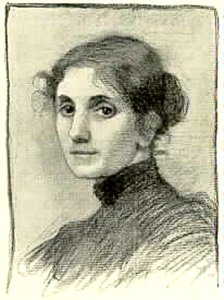
Marianne Stokes (1855-1927) was a leading Victorian artist known for her rustic naturalism, medieval romantic scenes & portraits. A member of the Newlyn School, she captured Slovak culture in tempera and gesso paintings. Discover her work!

od ·

Poglavlje 1

Koje bi dimenzije trebalo da ima?

Prevucite da promenite veličinu; slika levo prikazuje okvir u njegovoj stvarnoj širini. Proporcije originala su zadržane.

Standardne dimenzije
po meri
CM
INCH

Izaberite jednu od naših unapred definisanih veličina koje odgovaraju originalnim proporcijama umetničkog dela.

širina
visina

Unesite potrebnu širinu i visinu kako bi se slika uklopila u vaš ram ili zid. Pošto je ovo ručno oslikano delo, umetnik može za dimenzije drugačijeg oblika naslikati malo više prostora oko slike ili malo skratiti ivice — izbor je na vama. Pre početka rada, poslaćemo vam digitalni prikaz radi potvrde. Slika prikazana na ovoj stranici ne predstavlja konačan rezultat — samo digitalni prikaz pokazuje stvarnu sliku.

Poglavlje 2

Na koji način želite da vam stigne?

Izaberite ivice platna

Izaberite svoj okvir

Corner sample of the WhiteWrap canvas edge finish, stretched on masivno drvo bars
Beli rub дин1
Corner sample of the BlurSideWrap canvas edge finish, stretched on masivno drvo bars
zamrljene ivice дин1
Corner sample of the ExtendedWrap canvas edge finish, stretched on masivno drvo bars
Prošireno дин1
Corner sample of the P118B picture frame: oblikovani polistiren, 5 cm wide and 3 cm thick
P118B дин10
Corner sample of the P118H picture frame: oblikovani polistiren, 5 cm wide and 3 cm thick
P118H дин10
Corner sample of the P118W picture frame: oblikovani polistiren, 5 cm wide and 3 cm thick
P118W дин10
Corner sample of the P438Z picture frame: oblikovani polistiren, 5.5 cm wide and 3.5 cm thick
P438Z дин10
Corner sample of the P508JH picture frame: oblikovani polistiren, 7 cm wide and 3.5 cm thick
P508JH дин12
Corner sample of the P508YH picture frame: oblikovani polistiren, 7 cm wide and 3.5 cm thick
P508YH дин12
Corner sample of the P805H picture frame: oblikovani polistiren, 5 cm wide and 3.5 cm thick
P805H дин10
Corner sample of the P805Z picture frame: oblikovani polistiren, 5 cm wide and 3.5 cm thick
P805Z дин10
Corner sample of the P919BZ picture frame: oblikovani polistiren, 7 cm wide and 3.5 cm thick
P919BZ дин10
Corner sample of the P919G picture frame: oblikovani polistiren, 7 cm wide and 3.5 cm thick
P919G дин10
Corner sample of the P919XJ picture frame: oblikovani polistiren, 7 cm wide and 3.5 cm thick
P919XJ дин10
Corner sample of the P959ZH picture frame: oblikovani polistiren, 5 cm wide and 3 cm thick
P959ZH дин10
Corner sample of the P968JZ picture frame: oblikovani polistiren, 6 cm wide and 4 cm thick
P968JZ дин12
Corner sample of the W106C picture frame: masivno drvo, 5 cm wide and 3 cm thick
W106C дин8
Corner sample of the W218G picture frame: masivno drvo, 5 cm wide and 3 cm thick
W218G дин10
Corner sample of the W218JH picture frame: masivno drvo, 5 cm wide and 3 cm thick
W218JH дин8
Corner sample of the W218Y picture frame: masivno drvo, 5 cm wide and 3 cm thick
W218Y дин10
Corner sample of the W307PJ picture frame: masivno drvo, 6 cm wide and 3 cm thick
W307PJ дин10
Corner sample of the W316G picture frame: masivno drvo, 6 cm wide and 3 cm thick
W316G дин10
Corner sample of the W316PJ picture frame: masivno drvo, 6 cm wide and 3 cm thick
W316PJ дин8
Corner sample of the W316Y picture frame: masivno drvo, 6 cm wide and 3 cm thick
W316Y дин10
Corner sample of the W398PJ picture frame: masivno drvo, 5 cm wide and 3 cm thick
W398PJ дин8
Corner sample of the W4111J picture frame: masivno drvo, 6.5 cm wide and 3.5 cm thick
W4111J дин10
Corner sample of the W500HY picture frame: masivno drvo, 7 cm wide and 5 cm thick
W500HY дин15
Corner sample of the W500JH picture frame: masivno drvo, 7 cm wide and 5 cm thick
W500JH дин15
Corner sample of the W692G picture frame: masivno drvo, 8 cm wide and 4 cm thick
W692G дин12
Corner sample of the W849H picture frame: masivno drvo, 5 cm wide and 3 cm thick
W849H дин8
Corner sample of the W940BG picture frame: masivno drvo, 7.5 cm wide and 4.5 cm thick
W940BG дин15
Corner sample of the W953PJ picture frame: masivno drvo, 6 cm wide and 3.5 cm thick
W953PJ дин8
Corner sample of the H24-GOLD picture frame: rezbarano drvo sa gessoom, 10 cm wide and 6 cm thick
H24-GOLD дин30
Corner sample of the H24-SILVER picture frame: rezbarano drvo sa gessoom, 10 cm wide and 6 cm thick
H24-SILVER дин30
Corner sample of the H36-GOLD picture frame: rezbarano drvo sa gessoom, 15 cm wide and 6.5 cm thick
H36-GOLD дин45
Corner sample of the H36-SILVER picture frame: rezbarano drvo sa gessoom, 15 cm wide and 6.5 cm thick
H36-SILVER дин45

Profil: . Ukupna veličina sa okvirom: .

Poglavlje 3

Ko ga slika i da li bi trebalo nešto da se promeni?

Primeri onoga što se može promeniti: Zamena lica fotografijom kupca; Dodavanje ljubimca (npr. zamena mačke psom); Uključivanje skrivene poruke u pozadini; Promena pejzaža ili elemenata u pozadini.
Nakon porudžbine, tim OriginalUniqueArt.com će poslati imejl klijentu radi dobijanja uputstava i dostaviti prikaz makete

Svetska isporuka () za 3/4 nedelje umesto uobičajenih 5 nedelja. (3 новембар). Bez kompromisa po pitanju kvaliteta.

Poglavlje 4

Završni dodiri

Plakica, kao u muzeju?

Detalji gravirane bronze ploče

This elegant plaque features the artist's name and the title of the artwork, finely engraved for a timeless presentation.

It is made from bronze with a refined, elegant finish. The text is precisely laser-engraved for a sharp and permanent result. Measuring 9x2 cm, the plaque is compact yet easy to read. It's built to be durable and scratch-resistant, offering a professional, museum-quality look. Mounting is simple thanks to the included adhesive backing.

Detalji prozirne akrilne pločice

The plaque includes essential engraved details such as the artist's name, the title of the artwork, the date it was created, the type of media used-like oil on canvas or watercolor-a brief description of the piece, and a QR code that links to the complete artwork information.

It is crafted from clear acrylic, offering a sleek, modern appearance. The text is UV-engraved in black to ensure strong visual contrast. With a size of 10x15 cm, it ensures optimal readability. It comes equipped with two metal hooks for secure wall mounting. The plaque is designed to be weather-resistant, making it suitable for various environments, and it includes interactive features that work seamlessly with smartphone scanning.

Detalji crne akrilne pločice

This elegant plaque includes engraved information such as the artist's name, the title of the artwork, the date it was created, the type of media used (like oil on canvas or watercolor), a short description of the artwork, and a QR code for quick access to more information.

The plaque itself is made from refined black acrylic with a premium finish. The text is laser-engraved in white for high contrast and readability. Its size is 10x15 cm, designed to be easy to read. It comes with two metal hooks for professional mounting. The design is sleek and fits any interior style. It is also weather-resistant and durable, with built-in digital integration for mobile compatibility.

Zaštitni lak?

Kada vam je potrebno?

Poglavlje 5

Vaša slika, upravo onakva kakvu ste naručili

Polishing Pans

Tehnika reprodukcije

Dimenzije reprodukcije

-

Vrhunski maestri umetnosti

Više detalja, prefinjenosti i dodatnog vremena za izradu

-

Okvir za reprodukciju

-

-

Za umetnička dela ili reprodukcije čija je bilo koja strana veća od 105 cm (približno 41 inč), okvir će biti isporučen u obliku rastavljenog seta za sklapanje. Ovaj metod osigurava bezbednu dostavu i sprečava oštećenja tokom transporta.

Potrebna je profesionalna montaža – ovo nije proizvod namenjen samostalnoj izradi.
Set mora sastaviti i platno zategnuti iskusni profesionalni ramitelj, koristeći drveni lepak (nije uključen u set), hvataljku za zatezanje platna i stege kako bi se održao prav ugao okvira dok se lepak suši. Nepravilno sklapanje ili neravnomerno zategnuto platno mogu trajno oštetiti umetničko delo, što nije pokriveno našom garancijom.

  • Sve šipke od masivnog drveta su uključene, precizno isečene po veličini.

  • Montira se pomoću priloženih šrafova, uz dodatno korišćenje lepka za drvo za spojeve u uglovima, koji nije uključen u set i koji vaš čuvar okvira mora obezbediti.

  • Potreban je profesionalni alat koji nije uključen u set: klešta za zatezanje platna (zatezač) i stege za održavanje pravih uglova letvica tokom sušenja lepka.

Važno:
Za spojeve u uglovima neophodan je lepak za drvo, šipke se moraju pričvrstiti stezgama dok lepak potpuno ne osuši, a za zatezanje platna na sklopljenom ramu potrebne su hvataljke za zatezanje platna. Nijedan od ovih alata nije uključen u komplet. Pre naručivanja ove veličine, molimo Vas da unapred obezbedite iskusnog profesionalca za ramačenje.

Kratki opis natpisa

-

-

Zaštitni lak

Sjajni lak (pojačava intenzitet boja, štiti od svetlosti i vlage)

-

Personalizujte svoje umetničko delo

Primeri mogućnosti izmene: Zamena lica fotografijom kupca; Dodavanje ljubimca (npr. zamena mačke psom); Uključivanje skrivene poruke u pozadini; Promena pejzaža ili elemenata pozadine.

-

Hitna dostava

Svetska isporuka () za 3/4 nedelje umesto uobičajenih 5 nedelja. (3 новембар). Bez kompromisa po pitanju kvaliteta.

-

Brza dostava

Dostava širom sveta () u roku od 5 nedelja. (10 новембар).

Uključeno u cenu

Ukupna cena

дин 31433

Ukupna cena дин 31433

Opcija sa staklom dostupna je samo za dimenzije manje od 110 cm

Uključeno uz svaku porudžbinu

  • Besplatna ekspresna dostava širom sveta
  • Visokokvalitetno laneno platno
  • Potpuno osiguranje transporta
  • Garancija povraćaja carine i uvoznih dažbina
  • Garancija vernosti boja
  • Politika povraćaja u roku od 100 dana (samo u slučaju nedostataka)
  • Garancija povrata 100% novca
  • Popust na više proizvoda

Polishing Pans: A Glimpse into Victorian Domesticity

Marianne Stokes’s “Polishing Pans,” painted in 1887, is more than just a depiction of a woman engaged in a household chore; it's a poignant meditation on the quiet dignity and subtle beauty found within everyday life. Housed at the Walker Art Gallery in Liverpool, this oil-on-canvas piece offers a rare window into the Victorian era’s fascination with domesticity and its evolving portrayal of women.

The scene unfolds within a modestly furnished room – a kitchen or dining area, as many art historians suggest. A woman, rendered with remarkable detail by Stokes, is seated on the floor before a table laden with an assortment of objects: bottles, cups, a bowl, and what appears to be a bucket, likely containing cleaning solution. Her posture suggests focused concentration, her hands deftly manipulating the implements at hand. The composition isn’t grand or dramatic; rather, it's deliberately intimate, drawing the viewer into this private moment of labor.

A Masterclass in Victorian Detail and Light

Stokes’s artistic style is characterized by an almost obsessive attention to detail—a hallmark of her work throughout her career. She meticulously captures the textures of the fabrics, the sheen of the copperware, and the subtle variations in light and shadow. The use of warm colors – ochres, browns, and muted reds – creates a sense of warmth and tranquility, contrasting with the cool blues and greens used for the background. Notably, Stokes employs soft lighting, casting gentle highlights on the woman’s arm and the polished surfaces, adding to the painting's intimate atmosphere.

Technically, “Polishing Pans” demonstrates a sophisticated understanding of oil paint. Stokes skillfully builds up layers of color to achieve depth and luminosity, utilizing glazing techniques to create subtle transitions between tones. The brushwork is generally smooth and controlled, yet with moments of expressive strokes that convey the woman’s focused energy. The choice of canvas allows for rich pigment saturation and a remarkable level of detail – a testament to Stokes's mastery.

Symbolism and Victorian Ideals

“Polishing Pans” is not simply a snapshot of domestic life; it carries significant symbolic weight within the context of Victorian society. The act of polishing, traditionally associated with women’s roles, becomes imbued with a quiet dignity. The woman's diligence and focus suggest an embodiment of Victorian ideals – industry, piety, and self-sufficiency. While seemingly mundane, her task represents a vital contribution to the household and family—a subtle assertion of female agency within a patriarchal society.

Furthermore, the inclusion of everyday objects—bottles, cups, and cleaning supplies—elevates the ordinary to the level of art. Stokes’s ability to find beauty in the commonplace reflects a broader trend in Victorian art, which often sought to capture the essence of rural life and the virtues of simplicity. The copperware, particularly, connects the scene to the industrial heartland of Cornwall, adding another layer of local significance.

A Legacy of Observation and Quiet Beauty

Marianne Stokes’s “Polishing Pans” stands as a remarkable example of Victorian art—a testament to her skill, observation, and ability to imbue ordinary subjects with profound meaning. It invites us to pause and consider the beauty that can be found in the most unassuming moments of daily life. The painting's enduring appeal lies not only in its technical brilliance but also in its poignant portrayal of a woman engaged in a timeless act of labor and self-expression.

Reproductions of “Polishing Pans” offer an accessible way to experience this captivating artwork, bringing its quiet beauty into any home or space. Consider commissioning a high-quality hand-painted reproduction to add a touch of Victorian elegance and thoughtful artistry to your interior design.

Pitanja i odgovori

Kojom tehnikom i stilom se odlikuje „Polishing Pans”, autor Marianne Stokes?

U delu "Polishing Pans", tehnika Oil On Canvas susreće pokret Victorian Romanticism.

Da li su boje dela „Polishing Pans”, autor Marianne Stokes zasićene ili prigušene?

Paleta dela "Polishing Pans" ima Subtle Color zasićenost.

Koje mesto zauzima „Polishing Pans”, autor Marianne Stokes u istoriji umetnosti?

„Polishing Pans”, autor Marianne Stokes pripada pravcu Victorian Romanticism, unutar perioda 19th Century. Zajedno, oni delu daju njegovo mesto u istoriji umetnosti.

Saznajte više o ovoj slici

Pregledaj u prostoru AR pregled Pređi na štampu Pređi na digitalnu sliku Pošalji
Detalji o delu Vodič Dodaj u omiljene Preuzmi Slični predmeti Rendgenski snimak Automatska prezentacija Pitanja i odgovori Statistika

U brojevima

  • 1887godina kada je naslikano
  • 29okviri na izboru
  • standardne dimenzije, u sopstvenim proporcijama
  • 5nedelja za oslikavanje i isporuku
Marianne Stokes

Marianne Stokes

1855 - 1927, Austria

Kratke činjenice o umetniku Marianne Stokes

  • Artistic Movement Or Style: Rustic naturalism
  • Artists Or Movements Influenced By This Artist: ['Newlyn School']
  • Artists Who Influenced This Artist:
    • Jules Bastien-Lepage
    • Helene Schjerfbeck
  • Date Of Birth: 1855
  • Date Of Death: 1927
  • Full Name: Marianne Stokes
  • Nationality: Austrian
  • Notable Artworks:
    • A Parting
    • Polishing Pans
    • Madonna And Child
  • Place Of Birth: Graz, Austria

Biografija umetnika

A Tapestry of Tradition and Romance: The Life of Marianne Stokes

The history of Victorian art is often told through the lens of great men, yet the legacy of Marianne Stokes offers a profound testament to the power of a woman’s vision in an era of rigid societal boundaries. Born Marianne Preindlsberger in Graz, Austria, in 1855, her journey was one of remarkable geographical and stylistic breadth. From the academic rigor of Munich to the sun-drenched coasts of Cornwall, Stokes wove together a life that mirrored the very textures of her paintings—a blend of disciplined technique and ethereal, romantic longing. Her early years were defined by an intense pursuit of mastery, beginning with her studies under Lindenschmidt in Munich. It was here that she first demonstrated her burgeoning talent, earning a prestigious scholarship for her debut work, Muttergluck, a piece that signaled the arrival of a formidable new voice in the European art scene.

As her ambitions grew, so did her horizons. Her travels through France brought her into contact with the masters of the era, most notably Pascal Adolphe Jean Dagnan-Bouveret and Colin Courtois. These encounters were transformative, infusing her work with a sophisticated understanding of light and form. However, it was the influence of Jules Bastien-Lepage that would leave the deepest imprint upon her soul. Through his lens of rustic naturalism, Stokes learned to find the profound within the mundane, capturing the quiet dignity of rural life and the delicate nuances of the natural world. This period of her life marked the transition from a student of technique to a poet of the landscape, as she began to master the ability to render the essence of the countryside with both meticulous detail and emotional depth.

The Newlyn School and the Spirit of Place

A pivotal chapter in Stokes’s biography unfolded when she moved to England and entered into a profound artistic and personal partnership with her husband, Adrian Scott Stokes. Settling within the vibrant community of the Newlyn School in Cornwall, she became part of a movement that sought to capture the authentic light and character of the British coast. Her work during this time became a bridge between worlds; while her surroundings provided the serene Cornish vistas that would become iconic, her heart remained tethered to her Eastern European roots. She possessed a unique ability to infuse her paintings with the folklore and spirit of Slovakia, creating a visual language that felt both intimately local and universally mythic.

Her technical evolution during these years was nothing short of extraordinary. While many of her contemporaries adhered strictly to oil painting, Stokes experimented with more ancient, evocative mediums. She became celebrated for her use of tempera and gesso, techniques that allowed her to achieve a luminous, almost otherworldly quality in her landscapes. These works often transcended mere representation, leaning into the realms of medieval romanticism and symbolic storytelling. In her hands, a simple landscape could become a stage for historical memory or a dreamscape of folk legend, characterized by:

  • The delicate application of tempera, which lent a matte, precious quality to her surfaces.
  • A mastery of light that captured the fleeting moments of dusk and dawn in both English and Slovak settings.
  • A profound sense of nostalgia, often blending the rustic reality of peasant life with the idealized beauty of a lost medieval era.

Legacy of a Visionary

The significance of Marianne Stokes lies in her refusal to be confined by a single movement or identity. She was simultaneously a naturalist and a romantic, an Austrian-born artist thriving in the English tradition, and a painter who could navigate the gritty reality of rural labor and the ethereal beauty of mythic landscapes. Her marriage to Adrian Scott Stokes did not merely provide companionship but established a collaborative sanctuary where art and life were indistinguishable. Together, they contributed to a cultural dialogue that celebrated the intersection of craftsmanship and emotion.

Today, when we look upon the works of Stokes, we see more than just beautiful depictions of the past; we see the triumph of an individual spirit. Her ability to capture the soul of a culture through the medium of paint ensures her place in the pantheon of Victorian masters. She remains a pioneer who proved that the most enduring art is that which finds the universal within the particular, turning the quiet corners of the world into eternal monuments of beauty and grace.

Osnovne informacije

  • Artist: Marianne Stokes
  • Subject or theme: Household activity
  • Notable elements: Domestic scene, bottles
  • Influences:
    • Stokes
    • Bastien-Lepage
  • Location: Walker Art Gallery

Kviz o umetnosti

Svako pitanje ima samo jedan tačan odgovor.

Pitanje 1:
What is the primary subject depicted in Marianne Stokes’s ‘Polishing Pans’?
Pitanje 2:
In what year was ‘Polishing Pans’ painted?
Pitanje 3:
Where is ‘Polishing Pans’ currently housed?
Pitanje 4:
Marianne Stokes’s artistic style is characterized by:
Pitanje 5:
The painting ‘Polishing Pans’ exemplifies which artistic movement?