- Početna strana

- Digitalna slika
- Margarete Hejman
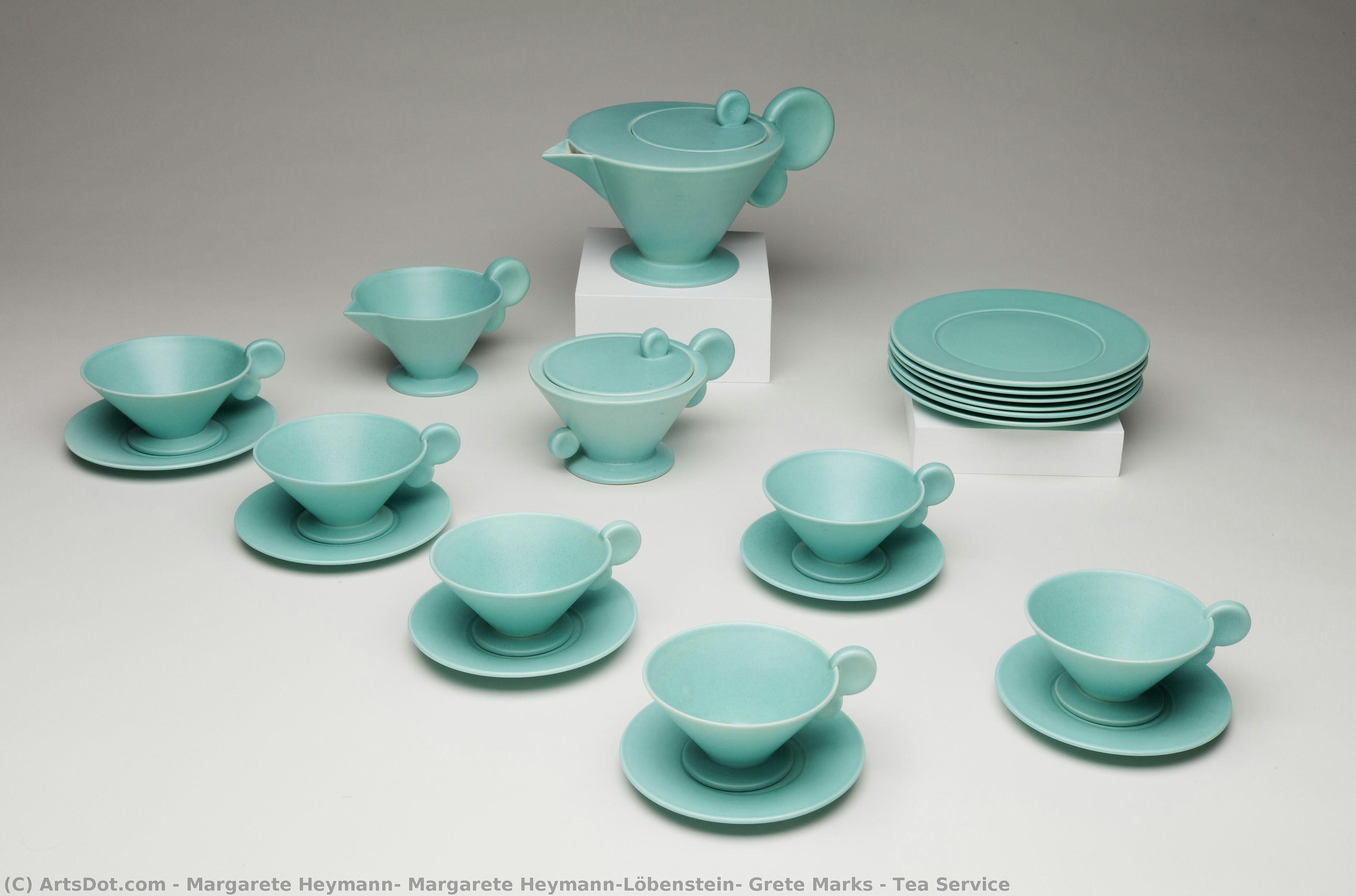
- Tea Service
 Kupi štampu Naručite reprodukciju
 Pošalji
 Podeli
 Detalji o delu
 Dodaj u omiljene

 Преузми
 Slični predmeti
 Rendgenski snimak
 Slajdovi
Tea Service

 Pročitaj više
Kupite digitalnu sliku visoke rezolucije i poboljšanog kvaliteta, koja je znatno superiornija od onoga što vidite u online prikazu.
Svaka datoteka je pedantno pripremljena od strane naših stručnjaka koristeći napredne alate i profesionalnu ručnu retušu. Osiguravamo da svaka slika ima izuzetnu oštrinu, preciznu reprodukciju boja i fine detalje.
Konačna datoteka se dostavlja putem e-pošte u roku od 72 sata, optimizovana za neposrednu upotrebu u profesionalnim, izdavačkim i štamparskim okruženjima. To je isti kvalitet kojem veruju vrhunski studiji dizajna, izdavači i galerije.
Digitalna slika
Preuzmite datoteku visoke rezolucije za ličnu upotrebu, štampanje i kreativne projekte.
Uključeno uz svaku porudžbinu digitalne slike
Profesionalna digitalna isporuka, zagarantovana
Kada odaberete OriginalUniqueArt.com, ne dobijate samo sliku – vi primate profesionalno unapređeno digitalno umetničko delo, izrađeno sa najvećom preciznošću i uz garanciju zadovoljstva. Evo svega što automatski dolazi uz vašu porudžbinu:

Brza dostava putem e-pošte
Vaša digitalna slika visoke rezolucije biće vam poslata putem e-pošte u roku od 72 sata od poručivanja – spremna za trenutnu upotrebu.

Digitalna datoteka unapređena veštačkom inteligencijom
Vaše umetničko delo je profesionalno optimizovano korišćenjem naprednih AI alata i ručne obrade, čime se osiguravaju maksimalni detalji, oštrina i preciznost boja.

Besplatna ponovna isporuka doživotno
Slučajno ste obrisali ili izgubili svoju datoteku? Ne brinite – poslaćemo vam je ponovo u bilo kom trenutku, potpuno besplatno.

Bez troškova uvoza – zauvek
Uživajte u svojim umetničkim delima trenutno, bez carine, dažbina ili troškova dostave – digitalni download je uvek bez poreza.

Garancija vernosti boja
Uz pomoć profesionalnih alata i upravljanja bojama, osiguravamo da vaša digitalna slika što vernije odražava originalne boje.

Garancija zadovoljstva u roku od 60 dana
Ako niste zadovoljni svojom digitalnom slikom, revidirat ćemo je ili vratiti 100% novca u roku od 60 dana – bez ikakvih pitanja.

100% garancija povrata novca
Niste zadovoljni? Obezbedite pun povrat novca u roku od 60 dana od trenutka kada ste primili svoju digitalnu datoteku – bez suvišnih pitanja.

Popusti na velike porudžbine
Kupite 3 slike, uštedite 10% - Kupite 5 slika, uštedite 15% - Kupite 10+ slika, uštedite 20%. Odlično za kreativne projekte, galerije i agencije.
Biografija umetnika
A Life Forged in Clay: The Story of Margarete Heymann
Margarete Heymann, a name that resonates with the spirit of modernist design and the resilience of the human spirit, was born in Cologne, Germany, in 1899. Her journey as an artist wasn’t simply one of creative exploration; it was a testament to perseverance against the backdrop of immense political and personal upheaval. Though she worked under several names throughout her life – Margarete Heymann-Löbenstein, Grete Marks, and Margarete Heymann-Marks – the core of her artistic vision remained remarkably consistent: a dedication to functional beauty, geometric clarity, and an honest expression of her evolving experiences. From her formative years at the Bauhaus to establishing thriving workshops and ultimately finding refuge in Britain, Heymann’s life was a continuous act of creation amidst adversity. Her early exposure to art came through studies at the Cologne School of Arts and the Düsseldorf Academy, but it was her enrollment at the Bauhaus in Weimar in 1920 that truly ignited her artistic path. Though her time there was relatively brief, leaving in 1921, the school’s ethos – its emphasis on uniting art with craftsmanship and social purpose – profoundly shaped her aesthetic sensibilities. She absorbed the principles of functional design and geometric abstraction championed by figures like Johannes Itten and Gerhard Marcks, laying the foundation for a style that would become uniquely her own.The Flourishing Haël Workshops and the Shadow of Nazism
In 1923, Margarete Heymann embarked on a pivotal chapter in her career alongside her husband, Gustav Löbenstein, and his brother Daniel. Together, they founded the Haël Workshops for Artistic Ceramics in Marwitz, Germany. This wasn’t merely an artistic endeavor; it was a bold entrepreneurial venture that quickly gained recognition for its innovative modernist ceramic designs. The workshops flourished, exporting their creations to London and America, employing over 100 people at their peak. These were years of significant commercial success, fueled by Heymann's distinctive aesthetic – clean lines, simplified forms, and a vibrant palette that hinted at the emotional depth beneath the surface. Tragedy struck in 1928 with the untimely death of Gustav Löbenstein, leaving Margarete to manage the workshops alone. This demonstrated not only her artistic dedication but also an impressive business acumen. However, this period of prosperity was brutally interrupted by the rise of Nazism. As a Jewish artist, Heymann faced increasing persecution and was ultimately forced to sell the Haël Workshops in 1933 at a drastically undervalued price – a heartbreaking loss that marked a turning point in her life. The closure wasn’t simply a financial blow; it represented the silencing of a creative voice and the dismantling of a thriving artistic community.Exile, Adaptation, and “Greta Pottery”
Following the forced sale of her workshops, Heymann embarked on a journey through Europe, briefly settling in Jerusalem before ultimately finding refuge in Britain in 1936. This relocation wasn’t merely a geographical shift; it was an act of reinvention. In Britain, she established “Greta Pottery,” continuing her ceramic practice under this new moniker and gradually gaining international recognition. Initially, she worked for Minton Pottery, but soon sought to establish her own studio, adapting her modernist style to appeal to a British audience while remaining true to its core principles. This adaptation wasn’t about compromising her artistic vision; it was about finding a way to express it within a new cultural context. The work produced under the “Greta Pottery” name reflects this delicate balance – retaining the geometric clarity and functional elegance of her earlier designs, but incorporating a subtle sensitivity to British tastes. Beyond ceramics, Margarete Marks expanded her artistic horizons after the war, exploring painting, drawing, and lithography, demonstrating a remarkable versatility and an unwavering commitment to creative expression.A Lasting Legacy: Resilience and Artistic Innovation
Margarete Heymann (Grete Marks) left behind a legacy that extends far beyond the beautiful objects she created. She stands as a pioneering ceramic artist who navigated personal tragedy and political upheaval with remarkable resilience, embodying the spirit of artistic perseverance in the face of adversity. Her contributions to Bauhaus ceramics are significant, demonstrating a commitment to functional design and geometric abstraction that continues to inspire contemporary artists. But her work is more than just an aesthetic statement; it’s a testament to the power of art to transcend boundaries and express the complexities of human experience. The blending of modernist aesthetics with the emotional weight of her experiences as an exile gives her creations a unique depth and resonance. She broke barriers for Jewish artists during a time of intense persecution, demonstrating that creativity could flourish even in the darkest of times. Her story serves as a powerful reminder of the importance of artistic freedom and the enduring human need to create. Her work continues to captivate audiences today, not only for its beauty but also for the poignant narrative it embodies – a life forged in clay, tempered by adversity, and ultimately defined by an unwavering commitment to art. Margarete Heymann’s legacy is one of innovation, resilience, and the enduring power of the human spirit.Key Characteristics of Her Work
- Bauhaus Influence: Clean lines, geometric forms, functional design principles.
- Vibrant Color Palettes: Bold and expressive use of color, often contrasting hues.
- Textural Experimentation: Exploration of different ceramic textures and surface treatments.
- Modernist Aesthetic: A commitment to simplicity, elegance, and a rejection of ornamentation.
- Emotional Depth: Subtle expressions of personal experience and the challenges of exile within her designs.

Margarete Hejman
1899 - 1990 , Nemačka

