Pređi na štampu
 Pročitaj više







































 Za umetnička dela ili reprodukcije čija je bilo koja strana veća od 105 cm (približno 41 inč), okvir će biti isporučen u obliku rastavljenog seta za sklapanje. Ovaj metod osigurava bezbednu dostavu i sprečava oštećenja tokom transporta.


Subject and Composition
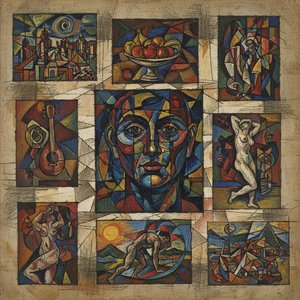
This captivating artwork depicts a scene imbued with emotional depth and layered symbolism, featuring a soldier immersed in a moment of introspection or camaraderie. The fragmented forms suggest a narrative that hints at themes of war, memory, and human connection. The composition invites viewers to explore multiple perspectives simultaneously, revealing a complex interplay between figures, objects, and space. The presence of a small dancing couple adds a touch of whimsy and contrast, enriching the overall storytelling and emotional resonance.Style and Artistic Technique
Created in 1912, this piece exemplifies the pioneering spirit of Cubism, characterized by its geometric abstraction and fractured perspective. The artist employs layered brushwork and varied textures to create a sense of movement and rhythm across the canvas. The color palette balances vivid yet muted earthy tones with occasional bright accents, enhancing the emotional depth and complexity of the scene. The diffuse lighting and subtle tonal shifts add volume and dimension, emphasizing the layered surfaces and abstracted forms that challenge traditional notions of spatial coherence.Historical Context and Artistic Significance
Produced during a period of intense experimentation in modern art, this work reflects the innovative approaches of early 20th-century Cubism. It captures the zeitgeist of a world grappling with upheaval, war, and societal change, while also exploring themes of identity and perception. The artist’s use of fragmented perspectives and symbolic elements aligns with broader modernist movements that sought to depict the multifaceted nature of human experience. This piece stands as a testament to the revolutionary spirit of its time, pushing the boundaries of artistic expression and perception.Symbolism and Emotional Impact
The artwork’s layered symbolism invites viewers to interpret its deeper meanings—perhaps a reflection on the soldier’s inner world, the effects of war, or the fleeting nature of memory. The abstracted forms and fractured perspective evoke a sense of dislocation, encouraging viewers to engage emotionally and intellectually. The combination of earthy tones with bright accents creates a mood that is both contemplative and vibrant, making it a powerful centerpiece that resonates with those who appreciate art that challenges and inspires.Perfect for Collection and Interior Design
This high-quality reproduction offers art lovers, collectors, and interior designers an exceptional opportunity to bring a piece of modernist innovation into their space. Its dynamic composition and rich symbolism make it an ideal focal point in contemporary or eclectic interiors. Whether displayed in a private collection or a public space, this artwork promises to spark conversation and admiration, adding a layer of cultural sophistication and artistic depth to any environment.Pitanja i odgovori
Na koji način se tema dela "Vojnik pije" odnosi na uobičajene teme umetnika Марк Шагал?
"Vojnik pije" prikazuje rat, vojnik, introspekcija, fragmentirano, simbolizam, kubizam, emocije, dok su dokumentovane teme umetnika Марк Шагал zapravo kubističko eksperimentisanje, psihološki uticaj rata, jevrejski identitet i folklor, društveni komentar, kritika, fragmentirana percepcija, rano modernističko istraživanje, simbolička introspekcija. Poređenje ova dva elementa pokazuje kako se ovo delo povezuje sa uobičajenim motivima ovog umetnika.
Kada je nastalo delo „Vojnik pije”, autor Марк Шагал i kojem stilu pripada?
Delo "Vojnik pije" nastalo je 1912. godine u okviru Kubizam pravca. Datum i umetnički pravac čine temelj ovog dela u istoriji umetnosti.
Koliko je godina imao/la Марк Шагал kada je kreirao/la "Vojnik pije" 1912. godine?
Марк Шагал je imao/la 25 godina kada je kreirao/la "Vojnik pije" u 1912. Godina je izračunata na osnovu godine rođenja umetnika, 1887.
 Pregledaj u prostoru
 Pošalji
 Podeli
 Detalji o delu
 Vodič
Vodič

 Preuzmi
 Slični predmeti
 Rendgenski snimak
 Automatska prezentacija
 Q&A
Q&A Statistika