
 Pregledaj u prostoru
 Pošalji
 Podeli
 Detalji o delu

 Преузми
 Slični predmeti
 Rendgenski snimak
 Slajdovi
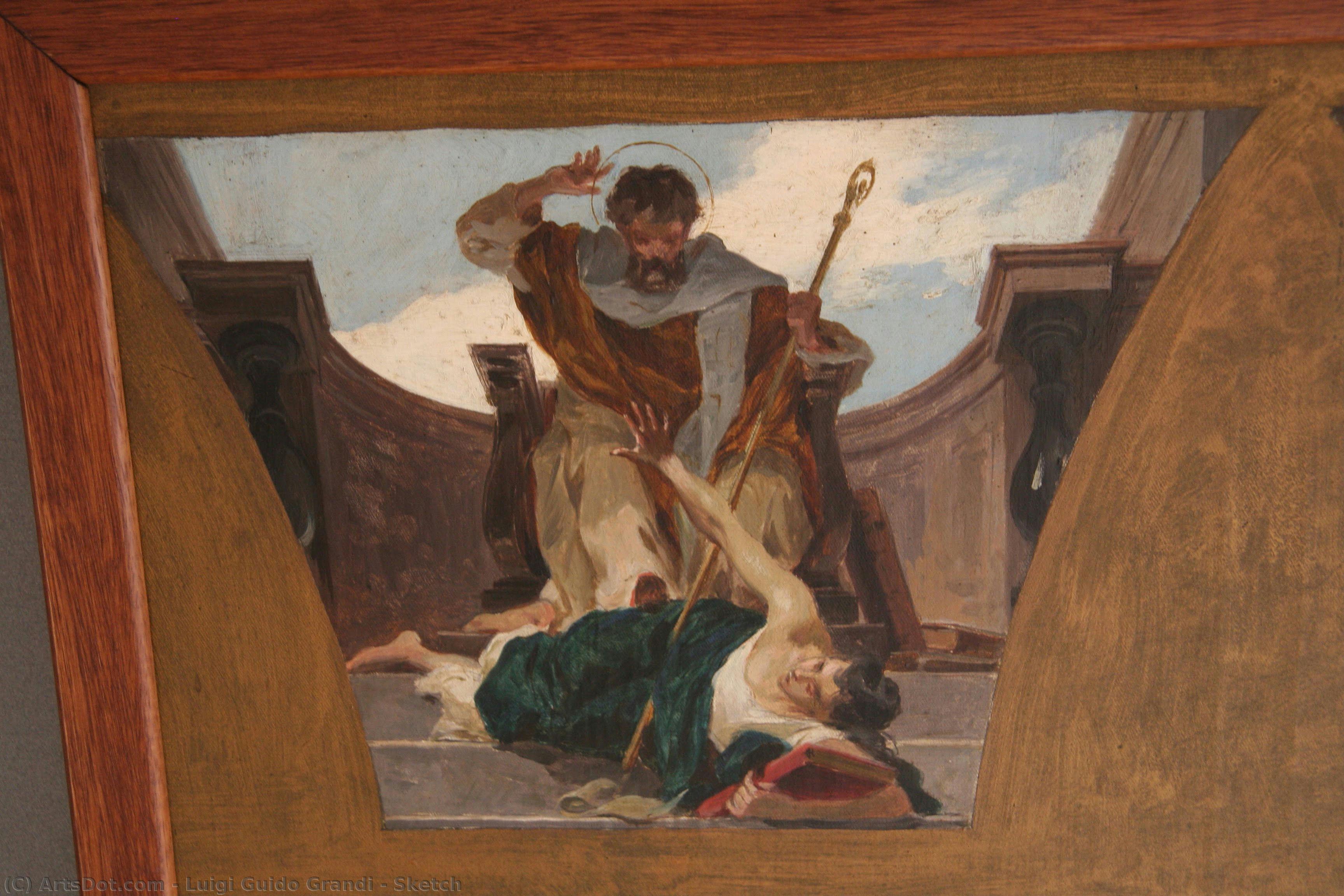
Sketch

 Pročitaj više
Giclee štampa / Umetnički otisak
Giclée štampa ili print na platnu muzejskog kvaliteta uz brzu proizvodnju i fleksibilne opcije završne obrade. ( Kupi ručno naslikanu sliku Kupi digitalnu sliku)




































Izaberite jednu od naših unapred definisanih veličina koje odgovaraju originalnim proporcijama umetničkog dela.

Možete uneti sopstvene dimenzije kako biste umetničko delo prilagodili specifičnom okviru ili prostoru. Ako odabrani format ne odgovara proporcijama originalne slike, mi ćemo ili iscrtati deo dela ili proširiti sliku pomoću ogledane ivice ili jednobojnog popunjavanja. Digitalni prikaz će vam biti poslat na odobrenje pre početka proizvodnje.
Imajte na umu da pregled na ekranu ne odražava stvarno iscrtavanje ili proširivanje. Samo će prikaz (mockup) precizno pokazati finalnu kompoziciju.
Iako su prilagođene dimenzije dostupne, preporučujemo da odaberete dimenziju sa unapred definisane liste kako biste očuvali originalne proporcije.
Dostava širom sveta () za 2 nedelje umesto uobičajenih 4/5 nedelja. (18 август)

Besplatna ekspresna dostava širom sveta

Visokokvalitetno laneno platno

Kompletno osiguranje transporta

Garancija povraćaja carine i uvoznih dažbina

Garancija vernosti boja

Politika povrata u roku od 60 dana (samo u slučaju nedostataka)

Garancija povrata novca od 100%

Popust pri grupnoj kupovini
 Opcija sa staklom dostupna je samo za dimenzije manje od 110 cm

Sketch
Giclee štampa / Umetnički otisak
Dimenzije reprodukcije
-


Konačna cena
$ 80
Biografija umetnika
The Divine Geometry of Dom Luigi Guido Grandi
In the twilight of the Baroque era, a period defined by dramatic movement and profound spiritual intensity, there emerged a figure who sought to find the fingerprints of the Creator within the precise language of mathematics. Dom Luigi Guido Grandi (1671–1742) was far more than a mere scholar; he was a Benedictine monk whose life served as a bridge between the contemplative silence of the monastery and the burgeoning analytical rigor of the Enlightenment. Born in Italy, Grandi’s existence was shaped by the sacred atmosphere of San Luigi dei Francesi in Rome, where the intersection of Catholic theology and classical learning provided the fertile soil for his intellectual blossoming.
To understand Grandi is to understand a mind that viewed geometry not as an abstract set of rules, but as a window into the divine order. His early education instilled in him a reverence for the structural beauty of the universe, leading him to pursue mathematical truths as a form of worship. Influenced by the revolutionary spirit of Galileo Galilei, Grandi navigated the delicate tension between established religious dogma and the emerging scientific discoveries that were reshaping the European consciousness. He did not see science and faith as opposing forces, but rather as two different lenses through which one might perceive the same eternal truth.
Mathematical Elegance and the Rose Curve
The legacy of Grandi is etched into the very fabric of mathematical history through his breathtaking contributions to geometry and calculus. Perhaps his most visually captivating achievement is the formulation of what is now known as the Rose Curve. This geometric marvel, characterized by its delicate, petal-like symmetry radiating from a central point, serves as a perfect metaphor for his life's work—a marriage of mathematical precision and organic beauty. When one observes the rhythmic expansion of these curves, one sees the same elegance that Grandi sought to find in the heavens.
Beyond the visual splendor of his geometric discoveries, Grandi made profound strides in numerical analysis. His development of Grandis Series provided mathematicians with a powerful instrument for approximating irrational numbers, such as pi, marking a significant milestone in the evolution of mathematical thought. His explorations into the foundations of calculus, though occurring in an era of intense intellectual transition, demonstrated a precocious understanding of infinite processes and limits. These achievements were not merely academic exercises; they were attempts to map the infinite complexities of a universe governed by logic and grace.
A Lasting Intellectual Legacy
The historical significance of Luigi Guido Grandi lies in his ability to transcend the boundaries of a single discipline. As an engineer, mathematician, and theologian, he embodied the Renaissance ideal of the polymath, proving that the pursuit of reason could enhance, rather than diminish, the depth of spiritual conviction. His work continues to resonate within the halls of mathematics, where his name is still invoked in discussions of series and trigonometric functions.
In reflecting upon his life, we find a narrative of profound harmony. Grandi’s ability to weave together the following elements remains his greatest triumph:
- Theological Inquiry: Using mathematical patterns to contemplate the divine architecture of creation.
- Scientific Innovation: Contributing foundational concepts to the development of modern calculus and trigonometry.
- Philosophical Synthesis: Reconciling the revolutionary observations of the scientific revolution with the enduring traditions of the Church.
Ultimately, the story of Dom Luigi Guido Grandi is a testament to the power of curiosity. He reminds us that whether we are looking through the lens of a telescope or the equations of a geometric curve, we are all searching for the same underlying truth: a sense of order, beauty, and meaning in an infinite universe.

luigi guido grandi
1671 - 1742 , Italy
Osnovne informacije
- Artistic Movement Or Style: Baroque
- Artists Or Movements Influenced By Artist: ['Calculus']
- Artists Who Influenced This Artist: ['Galileo Galilei']
- Date Of Death: 1742
- Full Name: Luigi Guido Grandi
- Nationality: Italian
- Notable Artworks: ['Sketch']
- Place Of Birth: Italy

