
 Pregledaj u prostoru
 Pošalji
 Podeli
 Detalji o delu
 Vodič
Vodič

 Preuzmi
 Slični predmeti
 Rendgenski snimak
 Automatska prezentacija
 Pitanja i odgovori
 Statistika
Sketchbook

- 24.0 x 16.0 cm


 Pročitaj više
Giclee štampa / Umetnički otisak
Giclée štampa ili print na platnu muzejskog kvaliteta uz brzu izradu i raznovrsne opcije završne obrade. ( Kupite ručno oslikano delo Pređi na digitalnu sliku)




P118B дин10

P118H дин10

P118W дин10

P438Z дин10

P508JH дин12

P508YH дин12

P805H дин10

P805Z дин10

P919BZ дин10

P919G дин10

P919XJ дин10

P959ZH дин10

P968JZ дин12

W106C дин8

W218G дин10

W218JH дин8

W218Y дин10

W307PJ дин10

W316G дин10

W316PJ дин8

W316Y дин10

W398PJ дин8

W4111J дин10

W500HY дин15

W500JH дин15

W692G дин12

W849H дин8

W940BG дин15

W953PJ дин8




Izaberite jednu od naših unapred definisanih veličina koje odgovaraju originalnim proporcijama umetničkog dela.

Unesite željenu širinu i visinu kako bi se štampa uklopila u vaš ram ili zid. Štampu je moguće samo iseći, ali nikada povećati iznad dimenzija originalne slike, stoga format sa drugačijim proporcijama uzrokuje gubitak dela slike. Pre početka štampe, poslaćemo vam digitalni prikaz radi potvrde. Slika prikazana na ovoj stranici ne predstavlja stvarni isrez — to pokazuje samo digitalni prikaz.
Dostava širom sveta () za 2 nedelje umesto uobičajenih 4/5 nedelja. (9 новембар)

Besplatna ekspresna dostava širom sveta

Visokokvalitetno laneno platno

Potpuno osiguranje transporta

Garancija povraćaja carine i uvoznih dažbina

Garancija vernosti boja

Politika povraćaja u roku od 100 dana (samo u slučaju nedostataka)

Garancija povrata 100% novca

Popust na više proizvoda
 Opcija sa staklom dostupna je samo za dimenzije manje od 110 cm

Sketchbook
Giclee štampa / Umetnički otisak
Dimenzije reprodukcije
-


Ukupna cena
дин 8485
A Window Into Beethoven’s Soul: The Sketchbook of 1815-1816
The world of Ludwig van Beethoven is often presented through the grand pronouncements of his symphonies and sonatas – monumental works that reverberate with heroic struggle and transcendent beauty. Yet, nestled within the vastness of his output lies a quieter, more intimate realm: his sketchbooks. Specifically, the “Sketchbook of 1815-1816,” currently housed at the Princeton University Library, offers an unparalleled glimpse into the composer’s creative process during a pivotal period of his life – a time marked by increasing deafness and profound artistic transformation. This unassuming collection of roughly sixty loose sheets, bound together with simple twine, is not merely a record of musical ideas; it's a visual diary, revealing the meticulous thought and restless experimentation that fueled some of Beethoven’s most enduring compositions.
The sketchbook itself is remarkably modest in appearance. The paper is of a standard quality, bearing the marks of frequent use – creases, smudges, and faint pencil markings attest to its active role as a sounding board for the composer's evolving musical concepts. Unlike the polished manuscripts that often dominate our understanding of Beethoven’s work, these sketches are raw, immediate, and intensely personal. They represent the genesis of ideas, the tentative exploration of harmonies and melodies before they were refined into the finished forms we know so well. The pages aren’t filled with fully realized scores; instead, they contain fragmented musical phrases, harmonic progressions, rhythmic motifs, and even brief annotations – a chaotic yet compelling testament to the composer's internal dialogue.
The Language of Gesture: Technique and Style
Beethoven’s technique in these sketches is characterized by an extraordinary directness. He rarely employs elaborate notation or complex musical symbols; instead, he relies on shorthand—a system of dots, dashes, and abbreviations that quickly convey the essence of a musical idea. The drawings themselves are remarkably expressive, capturing not just the notes but also the *feeling* behind them. He frequently uses gestural markings – quick, sweeping lines that mimic the movement of his hand as he played the piano—to suggest dynamics, phrasing, and articulation. The sketches aren’t merely representations of music; they're attempts to translate the physical sensation of sound onto paper.
The style is remarkably varied, reflecting the diverse range of musical ideas that occupied Beethoven’s mind during this period. There are studies for his Piano Sonata No. 13 in Db Major (“Pathétique”), sketches for the “Moonlight” Sonata, and fragments related to the Missa Solemnis – a monumental choral work that consumed him for nearly two decades. The sketchbook also contains musical ideas relating to various vocal works, including songs and operatic excerpts. The sheer volume of material suggests a constant state of creative ferment, with Beethoven relentlessly exploring new possibilities.
Echoes of the Era: Historical Context
To understand the significance of this sketchbook, it’s crucial to consider the historical context in which it was created. Beethoven was living in Vienna during a period of immense social and political upheaval. The Napoleonic Wars had recently ended, leaving Europe reeling from the aftermath of conflict and revolution. Beethoven himself was grappling with his own personal struggles – the gradual loss of his hearing, coupled with a growing sense of isolation and disillusionment. These challenges profoundly shaped his artistic vision, leading him to explore themes of struggle, resilience, and ultimately, transcendence in his music.
The sketchbook provides invaluable insight into this turbulent era. The sketches themselves are imbued with a sense of urgency and intensity, reflecting the composer’s emotional state. Many scholars believe that the “Sketchbook of 1815-1816” was created during a period of intense introspection and self-doubt – a time when Beethoven was questioning his own abilities and searching for new ways to express himself musically. The sketches are not simply musical exercises; they’re also reflections on the human condition, capturing the anxieties and aspirations of a man confronting profound personal challenges.
A Window into the Heart: Symbolism and Emotional Impact
Beyond its technical and historical significance, the sketchbook holds a powerful emotional resonance. The fragmented nature of the sketches—the incomplete phrases, the tentative markings—evokes a sense of vulnerability and honesty. It’s as if we are granted access to Beethoven's inner thoughts, his struggles, and his hopes. The act of sketching itself becomes a symbolic gesture – an attempt to capture fleeting moments of inspiration before they vanish forever.
The sketchbook is not merely a document of musical creation; it’s a testament to the enduring power of human creativity in the face of adversity. It reminds us that even in the darkest of times, the impulse to create—to express oneself through art—can provide solace and meaning. Reproductions of these sketches offer a unique opportunity to connect with one of history's greatest composers on a deeply personal level, revealing the raw emotion and intellectual rigor behind his monumental works.
Pitanja i odgovori
Da li je delo „Sketchbook”, autor Ludvig Van Betoven u javnom vlasništvu?
Što se tiče autorskih prava, delo "Sketchbook" je u javnom vlasništvu – autorska prava su istekla.
Mogu li da vidim rendgenski prikaz dela „Sketchbook”, autor Ludvig Van Betoven?
Stranica Rentgensko posmatranje za delo „Sketchbook”, autor Ludvig Van Betoven predstavlja interaktivni preglednik koji vam omogućava da istražite jedanaest optičkih slojeva slike dela, uključujući i prikaz u stilu rendgenskog snimka.
Da li je dostupno preuzimanje za "Sketchbook"?
Digitalnu sliku dela „Sketchbook”, autor Ludvig Van Betoven možete preuzeti na stranici za preuzimanje ovog umetničkog dela: Preuzimanje digitalnog prikaza: preuzimanje digitalne slike visoke rezolucije.
Biografija umetnika
Rano detinjstvo i muzički počeci
Ludvig van Betoven, čuveni nemački kompozitor i pijanista, rođen je u Bonu, u Nemačkoj, 1770. godine. Projavljujući svoj muzički talenat još u najranijem detinjstvu, počeo je da studira muziku kod različitih učitelja pre nego što se preselio u Beč, gde će provesti najveći deo svog života.- Sonatu za klavir i violončelo (A-dur) op. 69, prvi pokret (dostupno na OriginalUniqueArt.com)
- Betovenov manuskript dela Missa Solemnis (može se videti na Wikipedia)
- Tri klavirske sonate iz opusa 1, koje je zastupao knez Karl Alois Lihnovski

Ludvig Van Betoven
1770 - 1827 , Nemačka
Osnovne informacije
- Artistic Movement Or Style: Klasicizam i romantizam
- Artists Or Movements Influenced By This Artist:
- Johannes Brahms
- Robert Schumann
- Artists Who Influenced This Artist:
- Franz Joseph Haydn
- Christian Gottlob Schulze
- Date Of Birth: 1770 Bon, Nemačka
- Date Of Death: 1827 Beč, Austrija
- Full Name: Ludwig van Beethoven
- Nationality: Nemačka
- Notable Artworks:
- Moonlight Sonata
- Simfonija br. 9
- Place Of Birth: Bon, Nemačka
Povezani članci
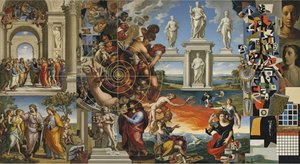
The Eloquence of Arrangement: Compositional Strategies in Western Art from the Renaissance to Modernism
Explore the evolution of compositional strategies in Western art! Discover how masters like Raphael & Zurbaran used perspective, proportion, and dynamic arrangement to create timeless masterpieces. Enhance your art appreciation today!

The Eloquent Line: Exploring the Artistic Significance of Sketches Across Movements and Media
Explore the profound artistic significance of sketches throughout history. From Renaissance masters to modern innovators like Van Gogh & Guston, discover how these foundational works reveal technique, emotion, and vision. Learn more at OriginalUniqueArt.

Mastering Abstraction: The 25 Most Iconic Works by Wassily Kandinsky
Explore 25 iconic Kandinsky masterpieces and the birth of abstraction. Discover the full collection online at OriginalUniqueArt.com.

Harmonies on Canvas: Exploring the Visual Representation of Music in Art History
Explore the fascinating history of music's visual representation in art! From ancient symbolism to modern abstraction, discover how artists have captured sound and emotion on canvas. Expert insights & stunning examples.

Gustav Klimt: 25 Remek-Dela Koje Očaravaju Svet – Reprodukcije za Vaš Dom
Uronite u svet Gustava Klimta! Otkrijte 25 remek-dela bečkog secesiona, od 'Poljupca' do portreta Adele Bloch-Bauer. Reprodukcije slika vrhunskog kvaliteta za luksuzni enterijer – inspiracija i dekoracija na OriginalUniqueArt.com.