
 Pregledaj u prostoru
 Pošalji
 Podeli
 Detalji o delu
 Vodič
Vodič

 Preuzmi
 Slični predmeti
 Rendgenski snimak
 Automatska prezentacija
 Pitanja i odgovori
 Statistika
Conversation Booklet

- 16.0 x 9.0 cm


 Pročitaj više
Giclee štampa / Umetnički otisak
Giclée štampa ili print na platnu muzejskog kvaliteta uz brzu izradu i raznovrsne opcije završne obrade. ( Kupite ručno oslikano delo Pređi na digitalnu sliku)




P118B дин10

P118H дин10

P118W дин10

P438Z дин10

P508JH дин12

P508YH дин12

P805H дин10

P805Z дин10

P919BZ дин10

P919G дин10

P919XJ дин10

P959ZH дин10

P968JZ дин12

W106C дин8

W218G дин10

W218JH дин8

W218Y дин10

W307PJ дин10

W316G дин10

W316PJ дин8

W316Y дин10

W398PJ дин8

W4111J дин10

W500HY дин15

W500JH дин15

W692G дин12

W849H дин8

W940BG дин15

W953PJ дин8




Izaberite jednu od naših unapred definisanih veličina koje odgovaraju originalnim proporcijama umetničkog dela.

Unesite željenu širinu i visinu kako bi se štampa uklopila u vaš ram ili zid. Štampu je moguće samo iseći, ali nikada povećati iznad dimenzija originalne slike, stoga format sa drugačijim proporcijama uzrokuje gubitak dela slike. Pre početka štampe, poslaćemo vam digitalni prikaz radi potvrde. Slika prikazana na ovoj stranici ne predstavlja stvarni isrez — to pokazuje samo digitalni prikaz.
Dostava širom sveta () za 2 nedelje umesto uobičajenih 4/5 nedelja. (11 новембар)

Besplatna ekspresna dostava širom sveta

Visokokvalitetno laneno platno

Potpuno osiguranje transporta

Garancija povraćaja carine i uvoznih dažbina

Garancija vernosti boja

Politika povraćaja u roku od 100 dana (samo u slučaju nedostataka)

Garancija povrata 100% novca

Popust na više proizvoda
 Opcija sa staklom dostupna je samo za dimenzije manje od 110 cm

Conversation Booklet
Giclee štampa / Umetnički otisak
Dimenzije reprodukcije
-


Ukupna cena
дин 8497
The Intimate Echoes of a Genius
Before us lies more than just a collection of handwritten notes; it is a tangible fragment of Ludwig van Beethoven's world, meticulously preserved within the pages of his “Conversation Booklet.” Dating back to 1818, this remarkable document offers an unprecedented glimpse into the mind and daily life of one of history’s most transformative composers. It wasn’t intended for public consumption—rather, it served as a private journal, a space where Beethoven wrestled with ideas, managed practical affairs, and, perhaps most profoundly, communicated with those closest to him. The booklet's unassuming appearance belies the wealth of information contained within its aged pages, revealing a complex individual grappling with both artistic brilliance and the challenges of deafness.
The physical object itself is strikingly intimate – a small, leather-bound book filled with cramped, cursive handwriting in ink that has faded over centuries. The paper, bearing the marks of time—stains, creases, and slight discoloration— speaks to its history, suggesting countless readings and revisions. It’s not a formal composition or a polished manuscript; it's a record of everyday life, a testament to Beethoven’s relentless curiosity and his need to organize his thoughts and actions. The very texture of the paper invites us to touch, to feel the weight of history held within its fibers.
Decoding the Script: A Symphony of Detail
The handwriting itself is a key element in understanding this remarkable artifact. It’s not elegant or flowing; it's practical and direct, reflecting Beethoven’s personality—a man known for his intensity and unwavering focus. The notes are densely packed, filled with abbreviations, reminders, and seemingly random observations. We find references to purchases – sugar, spice, wine – alongside musical sketches, appointments, and even a lament about the difficulty of finding suitable shoes. These mundane details, juxtaposed with fragments of musical ideas, paint a vivid portrait of a man constantly balancing his artistic pursuits with the demands of daily life.
- Shopping Lists: Revealing Beethoven’s practical concerns and meticulous nature.
- Musical Fragments: Brief notations of melodies and harmonic progressions, hinting at the composer's creative process.
- Personal Correspondence: Snippets of conversations with friends and colleagues, offering insights into his social life.
- Administrative Notes: Details about financial matters, legal disputes, and arrangements for performances.
The booklet’s contents are not simply a collection of random notes; they form a cohesive narrative—a window into Beethoven's inner world. It is a testament to his relentless pursuit of knowledge, his unwavering dedication to his craft, and his profound humanity.
Symbolism and the Burden of Silence
The “Conversation Booklet” transcends its function as a mere record-keeping device; it’s imbued with potent symbolism. The act of writing itself represents communication—a vital lifeline for Beethoven as his hearing deteriorated. Each note, each abbreviation, is an attempt to bridge the gap between himself and the outside world. The very fact that he meticulously documented these conversations speaks volumes about his desire to remain connected, engaged, and informed.
Furthermore, the booklet serves as a poignant reminder of the isolating experience of deafness. The cramped handwriting, the dense notations—all suggest a man struggling to make himself heard, both literally and figuratively. It’s a powerful symbol of resilience, creativity, and the enduring human spirit in the face of adversity. The book becomes a visual representation of Beethoven's internal struggle – his genius battling against the encroaching silence.
A Reproduction for Reflection
Reproductions of this extraordinary document offer a unique opportunity to connect with one of history’s greatest composers on a deeply personal level. The meticulous detail captured in each page invites contemplation, encouraging viewers to consider Beethoven's life, his struggles, and the profound impact of his music. A high-quality reproduction allows us to appreciate not only the aesthetic beauty of the original but also the rich historical context that surrounds it. It’s a piece that can enrich any interior space, serving as a constant reminder of the power of human creativity and the enduring legacy of Ludwig van Beethoven.
Pitanja i odgovori
Na koji način se "Conversation Booklet" uklapa u teme i stil umetnika Ludvig Van Betoven?
„Conversation Booklet“ deli sa ostalim delima umetnika Ludvig Van Betoven svoj Documentary Photography stil i prepoznatljive teme: beethoven’s personal communication, documenting musical ideas, thoughts, reflecting deafness, isolation”, “early sketches missa solemnis”, insight into creative process”.
Da li je "Conversation Booklet" jedno od najpopularnijih dela umetnika Ludvig Van Betoven?
Nivo popularnosti zabeležen za „Conversation Booklet”, autor Ludvig Van Betoven iznosi Iconic.
U koji umetnički pravac i u koje doba pripada delo „Conversation Booklet”, autor Ludvig Van Betoven?
„Conversation Booklet”, autor Ludvig Van Betoven pripada Documentary Photography pravcu, unutar 19. vek ere svog tvorca.
Biografija umetnika
Rano detinjstvo i muzički počeci
Ludvig van Betoven, čuveni nemački kompozitor i pijanista, rođen je u Bonu, u Nemačkoj, 1770. godine. Projavljujući svoj muzički talenat još u najranijem detinjstvu, počeo je da studira muziku kod različitih učitelja pre nego što se preselio u Beč, gde će provesti najveći deo svog života.- Sonatu za klavir i violončelo (A-dur) op. 69, prvi pokret (dostupno na OriginalUniqueArt.com)
- Betovenov manuskript dela Missa Solemnis (može se videti na Wikipedia)
- Tri klavirske sonate iz opusa 1, koje je zastupao knez Karl Alois Lihnovski

Ludvig Van Betoven
1770 - 1827 , Nemačka
Osnovne informacije
- Artistic Movement Or Style: Klasicizam i romantizam
- Artists Or Movements Influenced By This Artist:
- Johannes Brahms
- Robert Schumann
- Artists Who Influenced This Artist:
- Franz Joseph Haydn
- Christian Gottlob Schulze
- Date Of Birth: 1770 Bon, Nemačka
- Date Of Death: 1827 Beč, Austrija
- Full Name: Ludwig van Beethoven
- Nationality: Nemačka
- Notable Artworks:
- Moonlight Sonata
- Simfonija br. 9
- Place Of Birth: Bon, Nemačka
Povezani članci

Hugo van der Goes: Devotion, Innovation & the Psychological Depth of Early Netherlandish Painting
Explore the revolutionary art of Hugo van der Goes – a master of Early Netherlandish painting renowned for his dramatic realism, psychological depth & profound influence on Renaissance artists. Discover his iconic works and lasting legacy.

Early Netherlandish Masters: 10 Paintings That Revolutionized Art & Decor
Journey into the world of Early Netherlandish painting! Explore 10 masterpieces by Jan van Eyck, Rogier van der Weyden & more. Discover stunning detail, symbolism & Renaissance art for your home decor. Find museum-quality reproductions on OriginalUniqueArt.com

Charles-André van Loo: A Study in Rococo Portraiture & the French Court's Artistic Dynamics
Explore the elegant world of Charles-André van Loo, a master of Rococo portraiture at the French court. Discover his life, techniques, and enduring influence on 18th-century art. Hand-painted reproductions available.

Rembrandt van Rijn: 25 Majstorstava Svetla i Senke za Vaš Dom | OriginalUniqueArt
Uronite u svet Rembrandta van Rijna! Otkrijte 25 najlepših dela holandskog majstora – portrete, istorijske scene i biblijska platna. Kvalitetne reprodukcije slika za dekoraciju enterijera dostupne na OriginalUniqueArt.com.
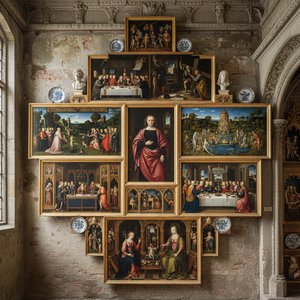
Early Netherlandish Masters: 10 Paintings That Revolutionized Art & Decor
Journey into the Early Netherlandish Renaissance! Explore 10 iconic paintings by Jan van Eyck, Rogier van der Weyden & more. Discover stunning detail, symbolism, and oil painting techniques. Find museum-quality art reproductions for your home at OriginalUniqueArt.com.