

 Pregledaj u prostoru
 Pošalji
 Podeli
 Detalji o delu

 Преузми
 Slični predmeti
 Rendgenski snimak
 Slajdovi
 Statistika
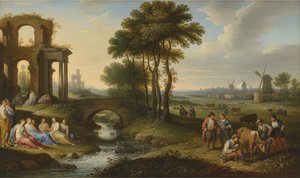
Landscape with a Fortune-Teller
 Oil On Canvas
- WallArt
- Baroque
 1640
1640 89.0 x 137.0 cm
 Hermitage Museum
 Pročitaj više
Ručno rađena uljana reprodukcija
Ručno oslikano uljanim bojama na platnu u dimenzijama i okviru po vašem izboru, izrađeno po porudžbini od strane naših umetnika. ( Pređi na štampu Pređi na digitalnu sliku)




P118B $10

P118H $10

P118W $10

P438Z $10

P508JH $12

P508YH $12

P805H $10

P805Z $10

P919BZ $10

P919G $10

P919XJ $10

P959ZH $10

P968JZ $12

W106C $8

W218G $10

W218JH $8

W218Y $10

W307PJ $10

W316G $10

W316PJ $8

W316Y $10

W398PJ $8

W4111J $10

W500HY $15

W500JH $15

W692G $12

W849H $8

W940BG $15

W953PJ $8




Izaberite jednu od naših unapred definisanih veličina koje odgovaraju originalnim proporcijama umetničkog dela.

Можете унети сопствене димензије како бисте прилагодили дело одређеном оквиру или простору. Ако одабрана величина не одговара пропорцијама оригинала, слика ће бити исечена или проширена додатним елементима који се ручно насликавају. Дигитални prikaz ће вам бити послат на одобрење пре почетка производње.
Имајте на уму да преглед на екрану не одражава стварно исецање или проширење. Само приказ (mockup) ће тачно приказати коначну композицију.
Иако су доступне прилагођене величине, препоручујемо да одаберете димензију из дефинисане листе како бисте сачували оригиналне пропорције.
Nakon narudžbine, tim OriginalUniqueArt.com će klijentu putem e-pošte poslati uputstva i dostaviti prikaz predloženog rešenja
Isporuka širom sveta () za 3/4 nedelje umesto uobičajenih 5 nedelja. (9 септембар). Bez kompromisa po pitanju kvaliteta.

Besplatna ekspresna dostava širom sveta

Visokokvalitetno laneno platno

Kompletno osiguranje transporta

Garancija povraćaja carine i uvoznih dažbina

Garancija vernosti boja

Politika povraćaja u roku od 100 dana (isključivo u slučaju nedostataka)

Garancija povrata novca od 100%

Popust pri grupnoj kupovini
 Opcija sa staklom dostupna je samo za dimenzije manje od 110 cm

Landscape with a Fortune-Teller
Tehnika reprodukcije
Dimenzije reprodukcije
-


Konačna cena
$ 300
Landscape with a Fortune Teller – A Window Into Seventeenth Century Flemish Vision
The Landscape with a Fortune Teller by Lucas Van Uden stands as a remarkable testament to the artistic fervor of the Dutch Golden Age, capturing not merely a picturesque vista but also an intricate tapestry of social and psychological observation. Painted in 1640, this oil on canvas masterpiece resides within the hallowed halls of The Hermitage Museum in St. Petersburg, Russia—a location that lends it an aura of timeless grandeur. Measuring 89 x 137 cm, the painting transcends its physical dimensions to offer viewers a profound glimpse into the artistic sensibilities and cultural preoccupations of its era.Composition and Style: Harmony Amidst Dramatic Light
Van Uden’s masterful technique exemplifies the Baroque style's penchant for dramatic chiaroscuro—the skillful manipulation of light and shadow—to imbue his landscape with palpable emotion. The scene unfolds beneath a turbulent sky dominated by brooding clouds illuminated by the fiery hues of sunset, creating an immediate sense of dynamism and unease. Foreground figures engage in everyday activities: individuals tending to livestock, observing a fortune teller intently scrutinizing tarot cards, and accompanied by a watchful dog and cat—details that ground the fantastical elements within a believable rural setting. The meandering river bisects the composition, reflecting the sky’s drama and guiding the eye across the expansive panorama. Rolling hills ascend into the distance, reinforcing the grandeur of the landscape while simultaneously hinting at an underlying stillness.Historical Context: Reflecting Societal Concerns
The painting emerged during a period marked by significant social and intellectual upheaval—the Dutch Republic wrestled with religious tensions following the Eighty Years’ War and embraced burgeoning scientific inquiry alongside artistic innovation. Landscape painting, particularly in this era, served as more than just aesthetic pleasure; it functioned as a vehicle for conveying moral lessons and exploring themes of human existence against the backdrop of nature's immensity. The inclusion of the fortune teller speaks to anxieties surrounding fate and divination—common concerns within humanist thought—reflecting a broader preoccupation with understanding the mysteries of life beyond the tangible world.Symbolism: Layers of Meaning Within Natural Beauty
Beyond its visual splendor, Landscape with a Fortune Teller is laden with symbolic resonance. The turbulent sky symbolizes inner turmoil and uncertainty, mirroring the anxieties prevalent during the time. The animals—the dog and cat—represent loyalty and vigilance, guarding against unseen dangers. However, perhaps most powerfully, the fortune teller embodies the human desire to impose order upon chaos—to seek reassurance amidst life’s unpredictable currents. The serene beauty of the landscape itself serves as a counterpoint to these anxieties, suggesting that solace can be found in embracing the rhythms of nature and accepting the inevitability of change.Emotional Impact: Capturing the Sublime
Ultimately, Landscape with a Fortune Teller succeeds in evoking a profound emotional response from the viewer. The artist’s masterful use of light and color transports us to a bygone era—a moment frozen in time—where contemplation of the natural world mingled seamlessly with philosophical inquiry. It is a painting that invites reflection on themes of mortality, destiny, and the enduring power of beauty—themes that continue to resonate powerfully across centuries. Its quiet grandeur speaks to an appreciation for artistic skill and a yearning for connection with something larger than oneself.- Artist: lucas van uden
- Birth Year: 1595
- Death Year: 1672
- Birth City: Antwerp
- Birth Country: Belgium
- Size: 89 x 137 cm
- Date: 1640
Explore More Works by Lucas Van Uden
Landscape with a Fortune TellerDiscover Other Notable Paintings
Landscape with HuntersVisit The Hermitage Museum
The Hermitage Museum, RussiaBiografija umetnika
The Master of Antwerp Landscapes: The Life of Lucas van Uden
In the heart of the 17th-century Flemish art scene, few names evoke the atmospheric serenity of the Baroque landscape as effectively as Lucas van Uണ്ടen. Born in Antwerp in 1595, van Uden emerged from a lineage deeply rooted in the city's artistic fabric. As the son of Artus van Uden, the esteemed city painter responsible for the gilded splendor of Antwerp’s civic monuments, Lucas was immersed in the aesthetics of grandeur and detail from his earliest years. While he did not follow the traditional path of a registered pupil under the Guild of Saint Luke, his mastery suggests an intimate apprenticeship within his father's workshop. By 1626, he had established himself as a master in his own right, navigating the complex social and professional hierarchies of Antwerp with remarkable success.
The life of van Uden was as textured and complex as the landscapes he painted. His personal history was marked by both devotion and scandal, including an extramarital relationship that produced a son, and a later marriage to Anna van Woelput, a union that brought eight children into his world. This domestic stability provided the foundation for a prolific career that saw him become a cornerstone of the Antwerp school. Beyond his own brush, his legacy lived on through his pupils—including Jan Baptist Bonnecroy and Gillis Neyts—and his children, such as his daughter Maria, who followed in his footsteps as a painter. His ability to maintain a comfortable lifestyle in central Antwerp speaks to a profound demand for his vision of the natural world.
A Vision of Nature: Technique and Artistic Influence
Van Uden’s artistry is characterized by an exquisite attention to detail and a profound sensitivity to light and atmosphere. While he was a versatile creator, his true soul resided in the landscape. His works often capture the fleeting moments of the seasons, most notably in his celebrated winter scenes. In pieces such as Winter Landscape with Hunters, one can almost feel the biting chill of the air and the crunch of frost beneathfoot. These compositions are not merely topographical records but emotional evocations of the Flemish countryside, where the interplay of shadow and light creates a sense of depth and movement.
Though he never formally entered the studio of the legendary Peter Paul Rubens, the influence of the great master is undeniably woven into the fabric of van Uden's technique. He adopted a certain rhythmic vitality and a sophisticated approach to color that echoed the Rubensian tradition, yet he maintained a distinct identity through his meticulous draughtsmanship. His drawings, in particular, are regarded by historians as some of his most original and poignant achievements, showcasing a raw, expressive quality that complements the polished finish of his oil paintings. He frequently collaborated with figure painters of his era, seamlessly integrating human narratives into his sprawling vistas, thereby creating a holistic experience of the Baroque world.
Legacy and Historical Significance
The historical significance of Lucas van Uden lies in his role as a bridge between the detailed traditions of the early Flemish masters and the more dynamic, sweeping landscapes of the later Baroque period. He helped define the aesthetic of the Antwerp landscape, moving away from rigid compositions toward scenes that felt lived-in and breathing. His ability to capture both the pastoral tranquility of summer and the stark, dramatic beauty of winter ensured his relevance across a changing artistic landscape.
Today, van Uden is remembered not just as a painter of scenery, but as a master of atmosphere. His contributions to the development of the Flemish landscape genre remain vital for understanding the evolution of European art during the 17th century. Through his meticulous brushwork and his ability to find the sublime in the everyday, he left an indelible mark on the history of Antwerp, ensuring that his vision of the natural world would endure long after his death in 1672.

lucas van uden
1595 - 1672 , Belgium
Osnovne informacije
- Artistic Movement Or Style: Flemish Baroque landscape
- Artists Or Movements Influenced By This Artist:
- Jan Baptist Bonnecroy
- Philips Augustijn Immenraet
- Gillis Neyts
- Artists Who Influenced This Artist: ['Peter Paul Rubens']
- Date Of Birth: 1595
- Date Of Death: 1672
- Full Name: Lucas van Uden
- Nationality: Flemish
- Notable Artworks: ['Winter landscape with hunters']
- Place Of Birth: Antwerp, Belgium
Povezani članci

Golden Age Reflections: Dutch Baroque Painting & Cultural Innovation
Explore the Dutch Golden Age of painting! Discover key artists like Vermeer & ter Borch, their innovative techniques, and the rich cultural context behind these Baroque masterpieces. Learn about collecting & appreciating this iconic art period.

Golden Light & Dutch Skies: The Timeless Magic of Dutch Golden Age Landscapes
Discover the breathtaking beauty of Dutch Golden Age landscapes. Explore the mastery of light, chiaroscuro, and 17th-century realism through an expert art history lens, celebrating the enduring legacy of the Dutch Masters for discerning collectors and art lovers.
Cornelis van Poelenburch: Bridging Mannerism & the Dutch Baroque Landscape
Discover Cornelis van Poelenburch, a pivotal Dutch Baroque landscape painter bridging Mannerism & Italianate styles. Explore his life, key works, and lasting influence on 17th-century art with OriginalUniqueArt.

Rembrandt van Rijn: 25 Majstorstava Svetla i Senke za Vaš Dom | OriginalUniqueArt
Uronite u svet Rembrandta van Rijna! Otkrijte 25 najlepših dela holandskog majstora – portrete, istorijske scene i biblijska platna. Kvalitetne reprodukcije slika za dekoraciju enterijera dostupne na OriginalUniqueArt.com.

Dutch Baroque Masters: 10 Paintings That Shaped an Era | OriginalUniqueArt
Journey through the Golden Age with our guide to the Top 10 Dutch Baroque masterpieces! Explore iconic paintings by Rembrandt, Vermeer & Frans Hals. Find museum-quality art reproductions and elevate your home decor at OriginalUniqueArt.com.