

 Pregledaj u prostoru
 Podeli
 Podeli
 Detalji
 Vodič
Vodič

 Preuzmi sliku
 Slični predmeti
 Rendgenski snimak
 Automatska prezentacija
 Statistika
Wandering Beggars
 Acrylic On Canvas
- WallArt
- Northern Renaissance
 1520
1520 150.0 x 182.0 cm
 Rijksmuseum
 Pročitaj više
Giclee štampa / Umetnički otisak
Giclée štampa ili print na platnu muzejskog kvaliteta uz brzu izradu i raznovrsne opcije završne obrade. ( Naručite ručno oslikano reprodukciju Pređi na prodaju digitalnih slika)




P118B дин10

P118H дин10

P118W дин10

P438Z дин10

P508JH дин12

P508YH дин12

P805H дин10

P805Z дин10

P919BZ дин10

P919G дин10

P919XJ дин10

P959ZH дин10

P968JZ дин12

W106C дин8

W218G дин10

W218JH дин8

W218Y дин10

W307PJ дин10

W316G дин10

W316PJ дин8

W316Y дин10

W398PJ дин8

W4111J дин10

W500HY дин15

W500JH дин15

W692G дин12

W849H дин8

W940BG дин15

W953PJ дин8




Izaberite jednu od naših unapred definisanih veličina koje odgovaraju originalnim proporcijama umetničkog dela.

Unesite širinu i visinu koja vam je potrebna, kako bi se uklopili u vaš ram ili na vaš zid. Štampa se može samo iseći, nikada ne može biti veća od originalne slike, stoga format sa drugačijim proporcijama gubi deo slike. Poslaćemo vam digitalni prikaz radi potvrde pre nego što započnemo štampu. Slika prikazana na ovoj stranici ne pokazuje stvarni rez — to pokazuje samo digitalni prikaz.
Dostava širom sveta () za 2 nedelje umesto uobičajenih 4/5 nedelja. (23 октобар)

Besplatna ekspresna dostava širom sveta

Visokokvalitetno laneno platno

Sveobuhvatno osiguranje transporta

Garancija povraćaja carine i uvoznih dažbina

Garancija vernosti boja i autentičnosti pri reprodukciji

Politika povraćaja u roku od 100 dana (samo u slučaju nedostataka)

Garancija povrata 100% novca

Popust pri većoj količini
 Opcija sa staklom dostupna je samo za dimenzije manje od 110 cm

Wandering Beggars
Giclee štampa / Umetnički otisak
Veličina reprodukcije
-


Ukupna cena
дин 8263
A Portrait of Poverty and Resilience: Exploring Lucas van Leyden’s “Wandering Beggars”
The engraving "Wandering Beggars" by Lucas van Leyden, created in 1520 during the height of the Northern Renaissance, transcends mere depiction; it's a poignant meditation on social realities and human dignity rendered with breathtaking precision. More than just an image, it’s a testament to Van Leyden’s unparalleled skill as both painter and printmaker—a mastery that continues to captivate audiences centuries later.Composition and Narrative Depth
At first glance, the scene presents itself as straightforward: a group of impoverished individuals traversing a landscape dominated by a distant castle perched atop a hill. However, Van Leyden's genius lies in his masterful compositional choices. The diagonal line formed by the beggars’ movement draws the viewer’s eye upwards towards the castle—a symbol often interpreted as representing aspiration and unattainable ideals – yet simultaneously grounding the figures within the harsh realities of their circumstances. Scattered trees and shrubs serve as framing elements, enhancing the sense of depth and contributing to the overall narrative atmosphere. The inclusion of animals—a dog, a cat, and a bird—adds an element of realism and subtly reinforces the theme of vulnerability amidst a challenging environment.The Art of Engraving: Technique and Detail
Van Leyden’s technique exemplifies the exacting standards of Northern Renaissance engraving. Executed on copper plate, the image was painstakingly etched with fine lines using mezzotint – a process that allowed for exceptional tonal control. This meticulous approach resulted in an astonishing level of detail—noticeable in the folds of clothing, the expressions on the beggars' faces, and the intricate textures of foliage. Hatching and cross-hatching techniques were skillfully employed to create subtle gradations of shading, capturing the diffused light of an overcast day and emphasizing the contours of form. The resulting monochrome print possesses a remarkable luminosity achieved through careful manipulation of ink density.Historical Context and Societal Commentary
“Wandering Beggars” emerged during a period marked by significant social upheaval—the Reformation was reshaping Europe’s religious landscape, and anxieties about poverty and social justice were palpable. Van Leyden's work reflects this intellectual climate, prompting viewers to confront uncomfortable truths about the human condition. The depiction of beggars wasn’t merely an aesthetic exercise; it served as a powerful commentary on societal inequalities and the plight of marginalized communities—a subject that resonated deeply with humanist thinkers of the time.Symbolism and Emotional Resonance
Beyond its formal qualities, “Wandering Beggars” communicates profound emotional resonance. The distant castle embodies hope amidst despair, representing ambitions pursued despite obstacles. Simultaneously, it underscores the vulnerability inherent in human existence – a vulnerability mirrored in the weary postures and expressions of the beggars themselves. Van Leyden’s masterful rendering captures not only the visual appearance of poverty but also its psychological impact—a reminder that beauty can coexist with sorrow and that art possesses the capacity to provoke contemplation on fundamental questions about morality and compassion.A Legacy of Precision and Emotion
Lucas van Leyden's "Wandering Beggars" stands as a cornerstone of Northern Renaissance engraving, demonstrating an unparalleled fusion of artistic skill and intellectual engagement. Its enduring appeal lies in its ability to convey complex ideas with breathtaking clarity—a testament to Van Leyden’s legacy as one of the most influential artists of his era and a timeless masterpiece that continues to inspire admiration for its technical brilliance and emotional depth.Pitanja i odgovori
Koji su datum nastanka i stil dela „Wandering Beggars”, Лукас Ван Лејден?
„Wandering Beggars”, Лукас Ван Лејден je datirano 1520 i pripada pravcu Northern Renaissance.
Kolikih je dimenzija originalno delo "Wandering Beggars"?
„Wandering Beggars“ u svom izvornom obliku ima dimenzije 150 x 182 cm. Originalne dimenzije su koristan pokazatelj pri odabiru veličine reprodukcije.
Koliko je izražen kontrast u delu „Wandering Beggars”, Лукас Ван Лејден?
Svetlo-tamni kontrast dela "Wandering Beggars" zabeležen je kao Statement. Kontrast opisuje koliko se snažno razlikuju svetle i tamne površine.
Biografija umetnika
Рани живот и формирање уметника
Лукас ван Лејден, холандски сликар и графичар рођен 1494. године у Лајдену, био је син Хуига Јакобса, сликара, и своје уметничко образовање започео је под окриљем очеве радионице. Већ са дванаест година, приступио је радионици Корнелиса Енгелбрехтза 1508. године, где је усавршавао своје вештине и почео да открива свој изразити таленат. Већ у раној младости показао је изузетан дар за посматрање света око себе, што се одражавало у његовим првим радовима.
Уметнички развој и пионирски рад
Лукас ван Лејден се издваја као један од првих холандских представника жанровског сликарства, али га посебно обележава изузетна вештина у графичком раду. Његови рани радови, карактерисани полуфигурама (око 1506-1512), откривају његову прерано развијену оригиналност и способност да дочара човекове емоције. Како је сазревао као уметник, тако су се развијали и његови пејзажи, а он је изузетно брзо овладао техником графике. Најстарија позната графика коју је створио, “Мухамед и убијени монах” (1508), већ у то време демонстрира његово мајсторство у раду са резбама.
Изузетна дела и карактеристичан стил
Седамнаест слика се сигурно приписују Лукису ван Лејдену, а међу њима су ремек-дела као што је “Излечење слепог човека из Јерихона”, које одушевљава приказом више фигура на позадини густе шуме. “Свети Павле” (приписано ван Лејдену) показује његову вештину у графичком раду, док “Млекара” (резба из 1510. године) илуструје његов рани таленат за ову технику. Његов стил се одликује свежим бојама и осећајем ваздушне перспективе – карактеристика коју је већ ценио Албрехт Дирер.
Утицаји, наслеђе и значај у историји уметности
Лукас ван Лејден није радио у изолацији. Постоје назнаке да су га инспирисали радови Албрехта Дирера, чија је прецизност и детаљност оставиле траг на његовом стилу. Међутим, ван Лејден је брзо развио свој препознатљив израз, који се одликује реалистичним приказима свакодневног живота и дубоким психолошким увидом у карактере које слика. Његов допринос холандском жанровском сликарству и графичком раду је неоспоран. Иновативни стил и техничка вештина учинили су га славном фигуром у свету уметности, а као пионир холандске уметности, његово наслеђе наставља да инспирише уметнике и љубитеље уметности широм света. Он је био претеча реализма у холандском сликарству, отварајући пут за касније мајсторе који су се бавили приказивањем обичног живота.
Музејски збирке и савремена доступност
Дела Луке ван Лејдена могу се пронаћи у различитим музејима, укључујући Музеј Ван Гога у Холандији, где је смештена обимна колекција његових графика и слика. Онлајн платформе као што је OriginalUniqueArt.com нуде свеобухватан избор његових радова, омогућавајући ентузијастима да детаљно испитају његово опус.
- Погледајте радове Луке ван Лејдена на OriginalUniqueArt.com
- Истражите збирку Музеја Ван Гога (Холандија) онлајн
- Откријте више о холандској уметности и њеним пионерима на блогу OriginalUniqueArt.com

Лукас Ван Лејден
1494 - 1533 , Holandija
Brzi pregled
- Artistic Movement Or Style: Rani holandski renesans
- Artists Or Movements Influenced By This Artist: ['Nemački renesans']
- Artists Who Influenced This Artist: ['Albrecht Dürer']
- Date Of Birth: Leiden, Holandija (1494)
- Date Of Death: 1533.
- Full Name: Lucas Hugensz van Leyden
- Nationality: Holanđanin
- Notable Artworks:
- Isceljenje slepog čoveka iz Jericha
- Sveti Pavle
- Mlekarica
- Place Of Birth: Leiden, Holandija
Srodni članci

Glavna dela koja su definisala Romantični pejzaž: 10 remek-dela za vaš dom
Otkrijte 10 remek-dela romantičnog pejzažnog slikarstva! Uronite u svet Claude Lorraina, Caspara David Friedricha i Turnera. Ispričane priče umetnosti, inspiracija za dekoraciju doma. Kvalitetne reprodukcije na OriginalUniqueArt.com – istražite celu kolekciju online!
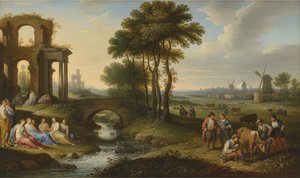
Cornelis van Poelenburch: Bridging Mannerism & the Dutch Baroque Landscape
Discover Cornelis van Poelenburch, a pivotal Dutch Baroque landscape painter bridging Mannerism & Italianate styles. Explore his life, key works, and lasting influence on 17th-century art with OriginalUniqueArt.

Rembrandt van Rijn: 25 Majstorstava Svetla i Senke za Vaš Dom | OriginalUniqueArt
Uronite u svet Rembrandta van Rijna! Otkrijte 25 najlepših dela holandskog majstora – portrete, istorijske scene i biblijska platna. Kvalitetne reprodukcije slika za dekoraciju enterijera dostupne na OriginalUniqueArt.com.

Engraving's Golden Age: 10 Masterpieces That Redefined Art | OriginalUniqueArt
Journey through art history with our Top 10 Legendary Engravings! Explore masterpieces by Dürer, Rembrandt & Goya. Discover the stories behind these iconic prints and find museum-quality reproductions for your home at OriginalUniqueArt.com.

Lucas van Leyden: Innovation & Intimacy in Early Netherlandish Printmaking
Explore the groundbreaking prints of Lucas van Leyden, a Dutch master bridging Gothic detail & Renaissance innovation. Discover his rare works, investment potential, and legacy for discerning collectors.
