 Pregledaj u prostoru
 Podeli
 Podeli
 Detalji
 Vodič
Vodič

 Preuzmi sliku
 Slični predmeti
 Rendgenski snimak
 Automatska prezentacija
 Statistika
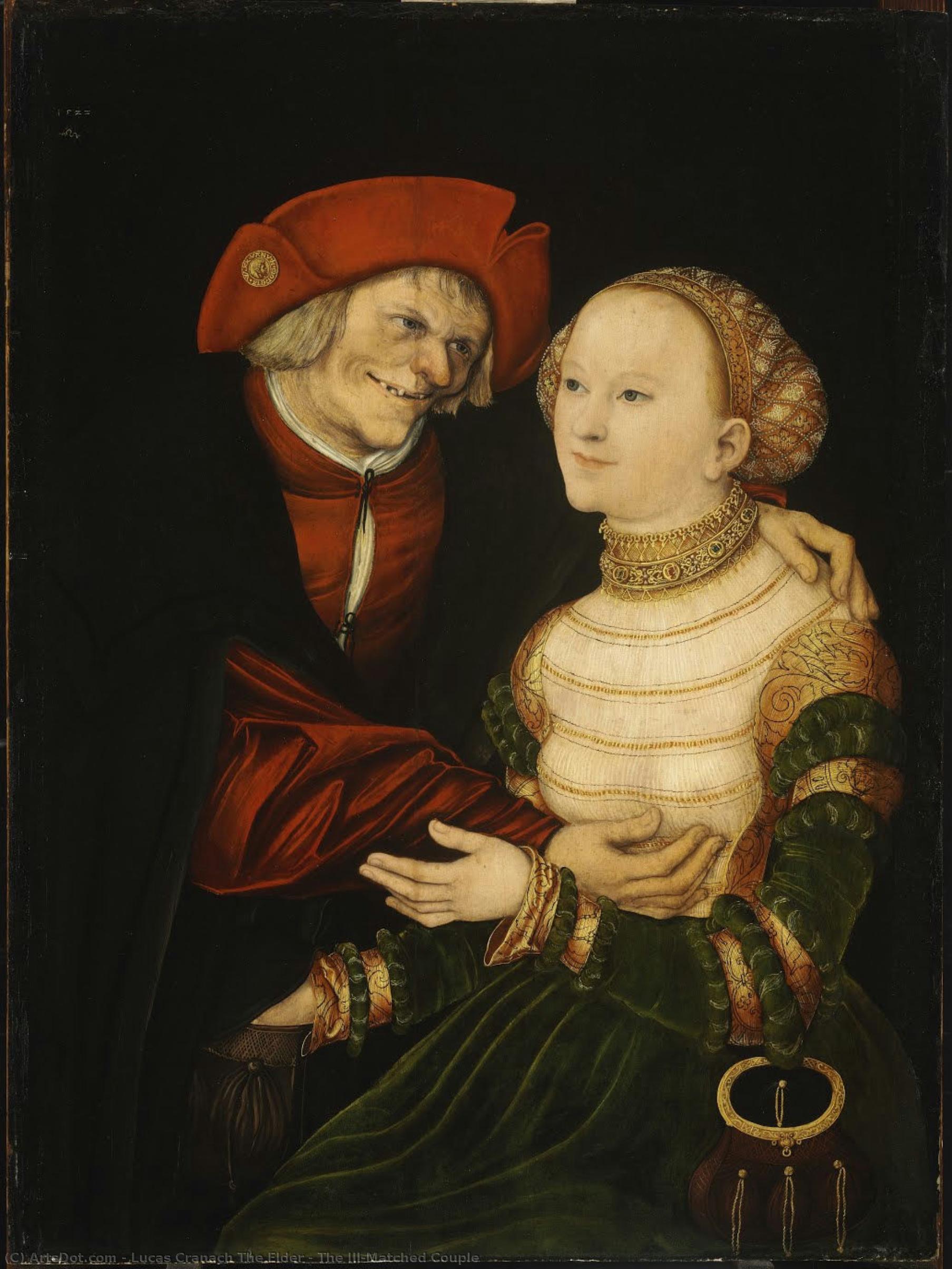
The Ill-Matched Couple
 Acrylic On Canvas
- WallArt
- Early Netherlandish Painting
 1522
1522 84.0 x 63.0 cm
 Szépművészeti Múzeum
 Pročitaj više
Giclee štampa / Umetnički otisak
Giclée štampa ili print na platnu muzejskog kvaliteta uz brzu izradu i raznovrsne opcije završne obrade. ( Naručite ručno oslikano reprodukciju Pređi na prodaju digitalnih slika)




P118B дин10

P118H дин10

P118W дин10

P438Z дин10

P508JH дин12

P508YH дин12

P805H дин10

P805Z дин10

P919BZ дин10

P919G дин10

P919XJ дин10

P959ZH дин10

P968JZ дин12

W106C дин8

W218G дин10

W218JH дин8

W218Y дин10

W307PJ дин10

W316G дин10

W316PJ дин8

W316Y дин10

W398PJ дин8

W4111J дин10

W500HY дин15

W500JH дин15

W692G дин12

W849H дин8

W940BG дин15

W953PJ дин8




Izaberite jednu od naših unapred definisanih veličina koje odgovaraju originalnim proporcijama umetničkog dela.

Unesite širinu i visinu koja vam je potrebna, kako bi se uklopili u vaš ram ili na vaš zid. Štampa se može samo iseći, nikada ne može biti veća od originalne slike, stoga format sa drugačijim proporcijama gubi deo slike. Poslaćemo vam digitalni prikaz radi potvrde pre nego što započnemo štampu. Slika prikazana na ovoj stranici ne pokazuje stvarni rez — to pokazuje samo digitalni prikaz.
Dostava širom sveta () za 2 nedelje umesto uobičajenih 4/5 nedelja. (27 октобар)

Besplatna ekspresna dostava širom sveta

Visokokvalitetno laneno platno

Sveobuhvatno osiguranje transporta

Garancija povraćaja carine i uvoznih dažbina

Garancija vernosti boja i autentičnosti pri reprodukciji

Politika povraćaja u roku od 100 dana (samo u slučaju nedostataka)

Garancija povrata 100% novca

Popust pri većoj količini
 Opcija sa staklom dostupna je samo za dimenzije manje od 110 cm

The Ill-Matched Couple
Giclee štampa / Umetnički otisak
Veličina reprodukcije
-


Ukupna cena
дин 8266
A Stark Commentary on Renaissance Society: Lucas Cranach the Elder’s ‘The Ill-Matched Couple’
Lucas Cranach the Elder's 1522 painting, *The Ill-Matched Couple*, is a striking and unsettling portrait that transcends simple representation. Measuring 84 x 63 cm, this oil on panel work offers a potent glimpse into the social mores – and hypocrisies – of the early 16th century. While appearing as a straightforward depiction of an elderly man and a young woman, it’s steeped in symbolism and carries a distinctly critical edge, making it far more than just a marital portrait. Cranach, a master of the German Renaissance and court painter to the Electors of Saxony, was deeply embedded within the intellectual currents of his time, including those surrounding the burgeoning Reformation led by Martin Luther – with whom he developed a close working relationship. This context is crucial to understanding the painting’s layered meaning.Style & Technique: Northern Renaissance Precision
Executed in the meticulous style characteristic of the Early Netherlandish and German Renaissance traditions, *The Ill-Matched Couple* showcases Cranach's technical brilliance. The work demonstrates a masterful command of oil paint, utilizing layering and glazing to achieve smooth surfaces and rich, luminous colors. Note the precise rendering of textures – from the velvet sheen of the man’s clothing to the delicate fabric draped around the woman. Lines are sharply defined, particularly in the depiction of facial features and drapery folds, contributing to a sense of realism despite an underlying stylistic formality. The composition is deliberately structured; the figures occupy a shallow space against a dark, almost black background, which serves to isolate them and intensify their presence. This compositional choice directs all attention towards the subjects themselves, emphasizing their contrasting appearances and the implied narrative.Decoding the Symbolism: Wealth, Age & Moral Critique
The painting is rich in symbolic details that hint at a darker undercurrent beneath the surface of polite society. The woman’s lavish jewelry – pearls, gold chains, and an elaborate headdress – signify wealth and status, but also potentially allude to vanity and worldly desires. Her youthfulness stands in stark contrast to the man's advanced age, immediately drawing attention to the imbalance of power and the transactional nature of their relationship. Some scholars interpret the painting as a commentary on the practice of older men acquiring young wives for status or heirs, while others suggest it’s a veiled critique of mercenary marriages driven by financial gain. The grapes held by the woman are often interpreted as symbols of sensual pleasure and even lust, further reinforcing this interpretation. Cranach doesn't shy away from presenting an uncomfortable truth about societal norms, prompting viewers to question the motivations behind such unions.Emotional Resonance & Lasting Impact
*The Ill-Matched Couple* evokes a complex emotional response. While there’s a sense of quiet dignity in both figures, the man's somber expression and the woman’s somewhat detached gaze suggest an underlying melancholy or resignation. The painting isn’t overtly dramatic; instead, it relies on subtle cues to convey its message. This understated approach is what makes it so compelling and enduring. It’s a work that invites contemplation, prompting viewers to consider themes of love, marriage, social status, and the passage of time. As a reproduction, this piece offers a sophisticated touch to any interior, sparking conversation and adding a layer of historical depth. Its timeless relevance continues to resonate with audiences today, solidifying its place as a significant work within Cranach’s oeuvre and the broader canon of Renaissance art.Pitanja i odgovori
Šta prikazuje „The Ill-Matched Couple”, Лукас Кранхен Старшиј?
Teme prisutne u delu „The Ill-Matched Couple”, Лукас Кранхен Старшиј obuhvataju portraiture, elderly man, young woman, wealthy couple, symbolism, renaissance, dignified, melancholy. Zajedno one sažimaju suštinu ovog umetničkog dela.
Da li su boje dela „The Ill-Matched Couple”, Лукас Кранхен Старшиј zasićene ili prigušene?
Boje dela „The Ill-Matched Couple”, Лукас Кранхен Старшиј imaju Subtle Color zasićenost. Zasićenost opisuje koliko su boje jarke ili prigušene.
Kako se opisuje paleta dela „The Ill-Matched Couple”, Лукас Кранхен Старшиј?
Paleta dela „The Ill-Matched Couple”, Лукас Кранхен Старшиј opisana je kao Earthy. To je sažet prikaz boja ovog umetničkog dela.
Biografija umetnika
Renesansni majstor Saksonije: Život i umetnost Lukasa Kranaha Starijeg
Lukas Kranah Stariji, rođen u Kronahu u Nemačkoj oko 1472. godine, predstavlja ključnu figuru nemačkog renesansnog doba. Njegov život se odvijao kroz period ogromnih religioznih i političkih previranja, a njegova umetnost postala je neraskidivo povezana i sa usponom protestantske reformacije i sa raskošnim dvorevima kojima je služio. Početno obučen od strane svog oca, Hansa Malera, Kranahov rani umetnički razvoj ostaje donekle obavijen misterijom, mada su uticaji južnonemačkih majstora očigledni u njegovom evoluirajućem stilu. Brzo se istaknuo ne samo kao vešt zanatlija, već kao umetnik sposoban da uhvati psihološku dubinu uporedo sa tehničkom preciznošću – vrlinama koje će ubrzo privući pažnju moćnih pokrovitelja. Godine 1504. stupio je u službu Fridriha III, elektora Saksonije, što je bio odnos koji će definisati veći deo njegove karijere i obezbediti mu stabilnost, ali i pristup uticajnim krugovima. Ovo imenovanje za dvorskog slikara u Vimbergu nije se odnosilo samo na stvaranje dekorativnih dela; ono je Kranaha postavilo u samo srce jednog od najtransformativnijih pokreta u evropskoj istoriji.Pokroviteljstvo, reformacija i umetnička inovacija
Kranahov položaj na saksonskom dvoru ispostavio se presudnim ne samo za njegov život, već i za njegov umetnički razvoj. On nije samo dokumentovao događaje; on je aktivno oblikovao vizuelne narative u vreme dubokih promena. Njegovo najtrajnije nasleđe je verovatno bliska povezanost sa Martinom লুterom, centralnom figurom protestantske reformacije. Kranah je stvorio čak jedanaest portreta লুtera, od kojih svaki nudi jedinstven uvid u ličnost reformatora i njegovu evoluirajuću ulogu. To nisu bili puki portreti; to su bile pažljivo konstruisane slike dizajnirane da projektuju autoritet, pobožnost i intelektualnu snagu – esencijalne osobine za vođu koji izaziva utvrđeni religiozni poredak. Pored portretistike, Kranah je preveo teologiju reformacije u vizuelni oblik, proizvodeći drvoreze i slike koje su široko širile protestantske ideje. Njegovi prikazi biblijskih scena udaljavali su se od tradicionalne katoličke ikonografije, naglašavajući direktnu interakciju sa Svetim pismom i podstičući intimniji odnos između vernika i vere. Obraćanje Joakimju, na primer, zrači radosnim duhom, odražavajući novi naglasak na individualnoj pobožnosti unutar reformisane crkve. Ovaj inovativni pristup protezao se izvan religioznih tema; Kranahove mitološke slike, poput prikaza Venere i drugih klasičnih figura, često su nosile alegorijske poruke relevantne za tadašnja politička i društvena pitanja.Dinastija radionice: Stil i tehnika
Lukas Kranah Stariji nije bio usamljeni umetnik koji radi u izolaciji. Vodio je izuzetno produktivnu radionicu, zapošljavajući brojne asistente i šegrte koji su značajno doprineli njegovom stvaralaštvu. Ovaj kolaborativni pristup značio je da su mnoga dela pripisana Kranahu zapravo nastala pod njegovim vođstvom ili od strane članova njegovog kruga – uključujući i njegovog sina, Lukasa Kranaha Mlađeg. Kranahova radionica postala je poznata po svom prepoznatljivom stilu: elegantnim figurama sa izduženim proporcijama, živopisnim bojama i pedantnom pažnjom posvećenom detaljima. Njegova tehnika uključivala je kombinaciju slikanja uljanim bojama, drvoreza i gravure, što mu je omogućilo da dopre do široke publike kako kroz originalna umetnička dela, tako i kroz pristupačnije printove. Lov na jelena elektora Fridriha III Mudrog predstavlja primer njegovog majstorstva u stilu severne renesanse, prikazujući detaljan realizam uporedo sa plemenitim simbolizmom. Kompozicija je dinamična, hvata energiju lova dok istovremeno prenosi moć i status elektora. Kranahova upotreba svetlosti i senke stvara osećaj dubine i atmosfere, uvlačeći posmatrača u samu scenu. Njegovi portreti su podjednako upečatljivi, karakterisani psihološkim uvidom i prefinjenom izvedbom.Nasleđe i trajni uticaj
Lukas Kranah Stariji umro je 1553. godine, ostavivši iza sebe izvanredno umetničko nasleđe koje i danas odjekuje. Bio je majstor portretistike, vešt tumač religioznih tema i lukav poslovni čovek koji je razumeo moć vizuelne komunikacije. Njegov rad ne samo da odražava kulturne i intelektualne struje svog vremena, već je pomogao i u njihovom oblikovanju. Kranahova radionica nastavila je da cveta i nakon njegove smrti, osiguravajući da se njegov stil i tehnike prenose generacijama. Njegov uticaj se može videti u delima brojnih umetnika koji su došli posle njega, a njegove slike ostaju izuzetno tražene od strane kolekcionara i muzeja širom sveta. Od kultnih portreta Martina লুtera do očaravajućih mitoloških scena, Kranahova umetnost nudi fascinantan prozor u svet nemačke renesanse – svet obeležen dubokim duhovnim ispitivanjem i umetničkom inovacijom. Njegova sposobnost da spoji religiozni žar, političku mudrost i umetnički talenat učvrstila je njegovo mesto kao jednog od najvažnijih umetnika svoje ere, a njegov doprinos nastavlja da inspiriše i očarava publiku i vekovima kasnije.
Лукас Кранхен Старшиј
1472 - 1553 , Германија
Brzi pregled
- Artistic Movement Or Style: Norddeutsche Renaissance
- Artists Or Movements Influenced By This Artist: ['Martin Luther']
- Artists Who Influenced This Artist: ['Hans Maler']
- Date Of Birth: Kronach, Deutschland 1472
- Date Of Death: Weimar, Deutschland 1553
- Full Name: Lucas Cranach der Ältere
- Nationality: Deutsch
- Notable Artworks:
- Jagdszene Friedrichs III.
- Selbstbildnis
- Ankündigung Joachims
- Place Of Birth: Kronach, Bayern
Srodni članci

Illuminating Realism: Early Netherlandish Painting (15th-16th Centuries)
Explore the captivating world of Early Netherlandish painting (15th-16th centuries). Discover Jan van Eyck, Hans Memling & more. Uncover revolutionary techniques and hidden symbolism in this definitive guide.
Illuminating Realism: Early Netherlandish Painting (15th-16th Centuries)
Explore the captivating world of Early Netherlandish painting! Discover Jan van Eyck, Hans Memling & more. Uncover symbolism, techniques & the legacy of these Flemish masters. A comprehensive guide for art enthusiasts.
25 Remek-dela Kunsthistorisches Museuma: Umetnička Baština Beča za Vas Dom
Uronite u svet 25 remek-dela Kunsthistorisches Museuma u Beču! Otkrijte priče iza Rafaelovih Madona, Rembrandtovih samoportreta i Vermeerove umetnosti. Inspiracija za dekoraciju enterijera & vrhunske reprodukcije slika na OriginalUniqueArt.com.

Lucas van Leyden: Innovation & Intimacy in Early Netherlandish Printmaking
Explore the groundbreaking prints of Lucas van Leyden, a Dutch master bridging Gothic detail & Renaissance innovation. Discover his rare works, investment potential, and legacy for discerning collectors.

Jan Gossart: Bridging Netherlandish Realism & Renaissance Humanism – A Comprehensive Exploration
Explore the captivating world of Jan Gossart, a pivotal figure bridging Netherlandish realism & Renaissance humanism. Discover his masterpieces, patronage, and lasting influence – an essential guide for discerning art collectors.