Pregledaj u prostoru
 Podeli
 Podeli
 Detalji
 Vodič
Vodič

 Preuzmi sliku
 Slični predmeti
 Rendgenski snimak
 Automatska prezentacija
 Statistika
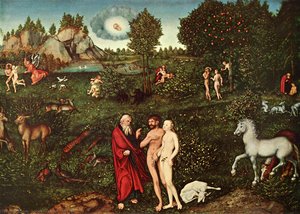
Melancholy
 Oil On Panel
- WallArt
- Renaissance Master
 1532
1532- Renaissance
 97.0 x 51.0 cm
 Nacionalna galerija Danske
 Pročitaj više
Giclee štampa / Umetnički otisak
Giclée štampa ili print na platnu muzejskog kvaliteta uz brzu izradu i raznovrsne opcije završne obrade. ( Naručite ručno oslikano reprodukciju Pređi na prodaju digitalnih slika)




P118B дин10

P118H дин10

P118W дин10

P438Z дин10

P508JH дин12

P508YH дин12

P805H дин10

P805Z дин10

P919BZ дин10

P919G дин10

P919XJ дин10

P959ZH дин10

P968JZ дин12

W106C дин8

W218G дин10

W218JH дин8

W218Y дин10

W307PJ дин10

W316G дин10

W316PJ дин8

W316Y дин10

W398PJ дин8

W4111J дин10

W500HY дин15

W500JH дин15

W692G дин12

W849H дин8

W940BG дин15

W953PJ дин8




Izaberite jednu od naših unapred definisanih veličina koje odgovaraju originalnim proporcijama umetničkog dela.

Unesite širinu i visinu koja vam je potrebna, kako bi se uklopili u vaš ram ili na vaš zid. Štampa se može samo iseći, nikada ne može biti veća od originalne slike, stoga format sa drugačijim proporcijama gubi deo slike. Poslaćemo vam digitalni prikaz radi potvrde pre nego što započnemo štampu. Slika prikazana na ovoj stranici ne pokazuje stvarni rez — to pokazuje samo digitalni prikaz.
Dostava širom sveta () za 2 nedelje umesto uobičajenih 4/5 nedelja. (26 октобар)

Besplatna ekspresna dostava širom sveta

Visokokvalitetno laneno platno

Sveobuhvatno osiguranje transporta

Garancija povraćaja carine i uvoznih dažbina

Garancija vernosti boja i autentičnosti pri reprodukciji

Politika povraćaja u roku od 100 dana (samo u slučaju nedostataka)

Garancija povrata 100% novca

Popust pri većoj količini
 Opcija sa staklom dostupna je samo za dimenzije manje od 110 cm

Melancholy
Giclee štampa / Umetnički otisak
Veličina reprodukcije
-


Ukupna cena
дин 8248
A Portrait of Uncertainty: Decoding Melancholy
In the quiet, shadowed corners of the Northern Renaissance, few works capture the profound tension between human innocence and existential dread as poignantly as Lucas Cranach the Elder’s Melancholy. Completed in 1532, this oil on panel masterpiece is far more than a mere portrait; it is an enduring enigma that invites the viewer into a deep meditation on mortality and the elusive nature of the human experience. As one gazes upon the composition, there is an immediate sense of being pulled into a world where the boundaries between reality and allegory are beautifully blurred. The painting presents a woman seated with a quiet, heavy grace, accompanied by two infants whose presence serves as a stark, tender contrast to the underlying themes of contemplation and loss.
Cranach’s technical mastery is on full display through his meticulous handling of oil paint, a medium he used to achieve a level of precision that borders on the photographic. Unlike the softer, more atmospheric approaches seen in other contemporary movements, Cranach employs crisp contours and luminous planes of color that give each element—from the delicate folds of drapery to the subtle nuances of skin tone—a startlingly tactile quality. This sharp, almost graphic clarity creates a visual language that feels remarkably modern, anticipating the bold lines of later centuries while remaining firmly rooted in the 16th-century tradition of detail-oriented Northern art.
Symbolism and the Dance of Life and Death
The true power of this artwork lies in its layered symbolism, where every bird, object, and gesture whispers a hidden meaning. The composition is a delicate balance of life and decay; while the two infants represent the purity of potential and the beginning of the human journey, the woman’s introspective gaze suggests an awareness of the inevitable passage of time. The presence of various animals and birds scattered throughout the scene adds a layer of naturalistic complexity, acting as messengers of the soul or symbols of the fleeting nature of earthly joys. This interplay between the innocence of childhood play and the heavy weight of adult reflection creates a psychological depth that continues to captivate collectors and historians alike.
Historically, this piece emerged from the turbulent atmosphere of the German Reformation. As a court painter to the Electors of Saxony and a close associate of Martin Luther, Cranach was uniquely positioned to capture the intellectual ferment of an era grappling with faith, reason, and the restructuring of the world. Melancholy embodies this spirit of transition—a period where the certainties of the past were being challenged by new, often unsettling, philosophical inquiries. For the discerning art lover, owning a reproduction of such a piece is not merely about decorating a space; it is about bringing a conversation piece into one's home that speaks to the universal human condition.
An Inspiration for the Modern Interior
For interior designers and collectors seeking to infuse a room with character and intellectual depth, this painting offers unparalleled versatility. Its rich, somber palette and intricate details make it an exquisite focal point for a study, a library, or a sophisticated living space. The artwork’s ability to evoke a sense of quiet drama allows it to complement both classical, traditional settings and more contemporary, minimalist environments where a single, powerful image can anchor the entire aesthetic. To display Melancholy is to celebrate the beauty of complexity and the timeless allure of the Renaissance spirit, making it a profound addition to any curated collection.
Pitanja i odgovori
Kako se umetnički pravac i epoha susreću u delu „Melancholy”, Лукас Кранхен Старшиј?
U delu „Melancholy”, Лукас Кранхен Старшиј, umetnički pravac Renaissance Master susreće eru Renesansa.
Da li je „Melancholy”, Лукас Кранхен Старшиј poznato umetničko delo?
Nivo popularnosti zabeležen za „Melancholy”, Лукас Кранхен Старшиј iznosi Recognized.
Iz koje zemlju potiče Renaissance Master rad "Melancholy"?
Delo "Melancholy" delo je Лукас Кранхен Старшиј, rođenog u Германија, u okviru pokreta Renaissance Master. Poreklom umetnika, ovo delo se povezuje sa Renaissance Master stilom kakav su zastupali umetnici iz Германија.
Biografija umetnika
Renesansni majstor Saksonije: Život i umetnost Lukasa Kranaha Starijeg
Lukas Kranah Stariji, rođen u Kronahu u Nemačkoj oko 1472. godine, predstavlja ključnu figuru nemačkog renesansnog doba. Njegov život se odvijao kroz period ogromnih religioznih i političkih previranja, a njegova umetnost postala je neraskidivo povezana i sa usponom protestantske reformacije i sa raskošnim dvorevima kojima je služio. Početno obučen od strane svog oca, Hansa Malera, Kranahov rani umetnički razvoj ostaje donekle obavijen misterijom, mada su uticaji južnonemačkih majstora očigledni u njegovom evoluirajućem stilu. Brzo se istaknuo ne samo kao vešt zanatlija, već kao umetnik sposoban da uhvati psihološku dubinu uporedo sa tehničkom preciznošću – vrlinama koje će ubrzo privući pažnju moćnih pokrovitelja. Godine 1504. stupio je u službu Fridriha III, elektora Saksonije, što je bio odnos koji će definisati veći deo njegove karijere i obezbediti mu stabilnost, ali i pristup uticajnim krugovima. Ovo imenovanje za dvorskog slikara u Vimbergu nije se odnosilo samo na stvaranje dekorativnih dela; ono je Kranaha postavilo u samo srce jednog od najtransformativnijih pokreta u evropskoj istoriji.Pokroviteljstvo, reformacija i umetnička inovacija
Kranahov položaj na saksonskom dvoru ispostavio se presudnim ne samo za njegov život, već i za njegov umetnički razvoj. On nije samo dokumentovao događaje; on je aktivno oblikovao vizuelne narative u vreme dubokih promena. Njegovo najtrajnije nasleđe je verovatno bliska povezanost sa Martinom লুterom, centralnom figurom protestantske reformacije. Kranah je stvorio čak jedanaest portreta লুtera, od kojih svaki nudi jedinstven uvid u ličnost reformatora i njegovu evoluirajuću ulogu. To nisu bili puki portreti; to su bile pažljivo konstruisane slike dizajnirane da projektuju autoritet, pobožnost i intelektualnu snagu – esencijalne osobine za vođu koji izaziva utvrđeni religiozni poredak. Pored portretistike, Kranah je preveo teologiju reformacije u vizuelni oblik, proizvodeći drvoreze i slike koje su široko širile protestantske ideje. Njegovi prikazi biblijskih scena udaljavali su se od tradicionalne katoličke ikonografije, naglašavajući direktnu interakciju sa Svetim pismom i podstičući intimniji odnos između vernika i vere. Obraćanje Joakimju, na primer, zrači radosnim duhom, odražavajući novi naglasak na individualnoj pobožnosti unutar reformisane crkve. Ovaj inovativni pristup protezao se izvan religioznih tema; Kranahove mitološke slike, poput prikaza Venere i drugih klasičnih figura, često su nosile alegorijske poruke relevantne za tadašnja politička i društvena pitanja.Dinastija radionice: Stil i tehnika
Lukas Kranah Stariji nije bio usamljeni umetnik koji radi u izolaciji. Vodio je izuzetno produktivnu radionicu, zapošljavajući brojne asistente i šegrte koji su značajno doprineli njegovom stvaralaštvu. Ovaj kolaborativni pristup značio je da su mnoga dela pripisana Kranahu zapravo nastala pod njegovim vođstvom ili od strane članova njegovog kruga – uključujući i njegovog sina, Lukasa Kranaha Mlađeg. Kranahova radionica postala je poznata po svom prepoznatljivom stilu: elegantnim figurama sa izduženim proporcijama, živopisnim bojama i pedantnom pažnjom posvećenom detaljima. Njegova tehnika uključivala je kombinaciju slikanja uljanim bojama, drvoreza i gravure, što mu je omogućilo da dopre do široke publike kako kroz originalna umetnička dela, tako i kroz pristupačnije printove. Lov na jelena elektora Fridriha III Mudrog predstavlja primer njegovog majstorstva u stilu severne renesanse, prikazujući detaljan realizam uporedo sa plemenitim simbolizmom. Kompozicija je dinamična, hvata energiju lova dok istovremeno prenosi moć i status elektora. Kranahova upotreba svetlosti i senke stvara osećaj dubine i atmosfere, uvlačeći posmatrača u samu scenu. Njegovi portreti su podjednako upečatljivi, karakterisani psihološkim uvidom i prefinjenom izvedbom.Nasleđe i trajni uticaj
Lukas Kranah Stariji umro je 1553. godine, ostavivši iza sebe izvanredno umetničko nasleđe koje i danas odjekuje. Bio je majstor portretistike, vešt tumač religioznih tema i lukav poslovni čovek koji je razumeo moć vizuelne komunikacije. Njegov rad ne samo da odražava kulturne i intelektualne struje svog vremena, već je pomogao i u njihovom oblikovanju. Kranahova radionica nastavila je da cveta i nakon njegove smrti, osiguravajući da se njegov stil i tehnike prenose generacijama. Njegov uticaj se može videti u delima brojnih umetnika koji su došli posle njega, a njegove slike ostaju izuzetno tražene od strane kolekcionara i muzeja širom sveta. Od kultnih portreta Martina লুtera do očaravajućih mitoloških scena, Kranahova umetnost nudi fascinantan prozor u svet nemačke renesanse – svet obeležen dubokim duhovnim ispitivanjem i umetničkom inovacijom. Njegova sposobnost da spoji religiozni žar, političku mudrost i umetnički talenat učvrstila je njegovo mesto kao jednog od najvažnijih umetnika svoje ere, a njegov doprinos nastavlja da inspiriše i očarava publiku i vekovima kasnije.
Лукас Кранхен Старшиј
1472 - 1553 , Германија
Brzi pregled
- Artistic Movement Or Style: Norddeutsche Renaissance
- Artists Or Movements Influenced By This Artist: ['Martin Luther']
- Artists Who Influenced This Artist: ['Hans Maler']
- Date Of Birth: Kronach, Deutschland 1472
- Date Of Death: Weimar, Deutschland 1553
- Full Name: Lucas Cranach der Ältere
- Nationality: Deutsch
- Notable Artworks:
- Jagdszene Friedrichs III.
- Selbstbildnis
- Ankündigung Joachims
- Place Of Birth: Kronach, Bayern
Srodni članci

The Enduring Power of Painting: A Historical & Contemporary Exploration of Form and Emotion
Explore the rich history & enduring techniques of oil painting with OriginalUniqueArt. Discover masterpieces, learn about art collecting, and find authentic handmade reproductions crafted by skilled artists.
The Enduring Legacy of Likeness: Commissioning Oil Portraits as Vessels of Memory and Emotional Connection
Commission a timeless oil portrait with OriginalUniqueArt.com! Expert artists capture your legacy & emotions in museum-quality paintings. Preserve family history – explore our bespoke services today.

Oil on Canvas: A Historical & Technical Exploration of a Timeless Artistic Medium
Explore the rich history & enduring techniques of oil painting on canvas. Discover the science behind its longevity, conservation practices, and contemporary relevance. Expert insights for art enthusiasts.

The Enduring Legacy of Oil on Canvas: Technique, History & Aesthetic Impact
Explore the rich history & techniques of oil painting – from Renaissance masters to Impressionism. Discover pigments, layering methods, and why this timeless medium endures. Expert insights for artists & art enthusiasts.

Trajnu Ostavština Uljanih Boja na Platnu: Tehnika, Istorija i Savremena Praksa
Istražite bogatu istoriju i savremene tehnike uljanog slikarstva. Saveti stručnjaka, analiza radova velikih majstora i vodiči za biranje kvalitetnih materijala. Otkrijte tajne očuvanja umetničkih dela!