 Naručite reprodukciju Kupi digitalnu sliku
 Pošalji
 Podeli
 Detalji o delu
 Dodaj u omiljene

 Преузми
 Slični predmeti
 Rendgenski snimak
 Slajdovi
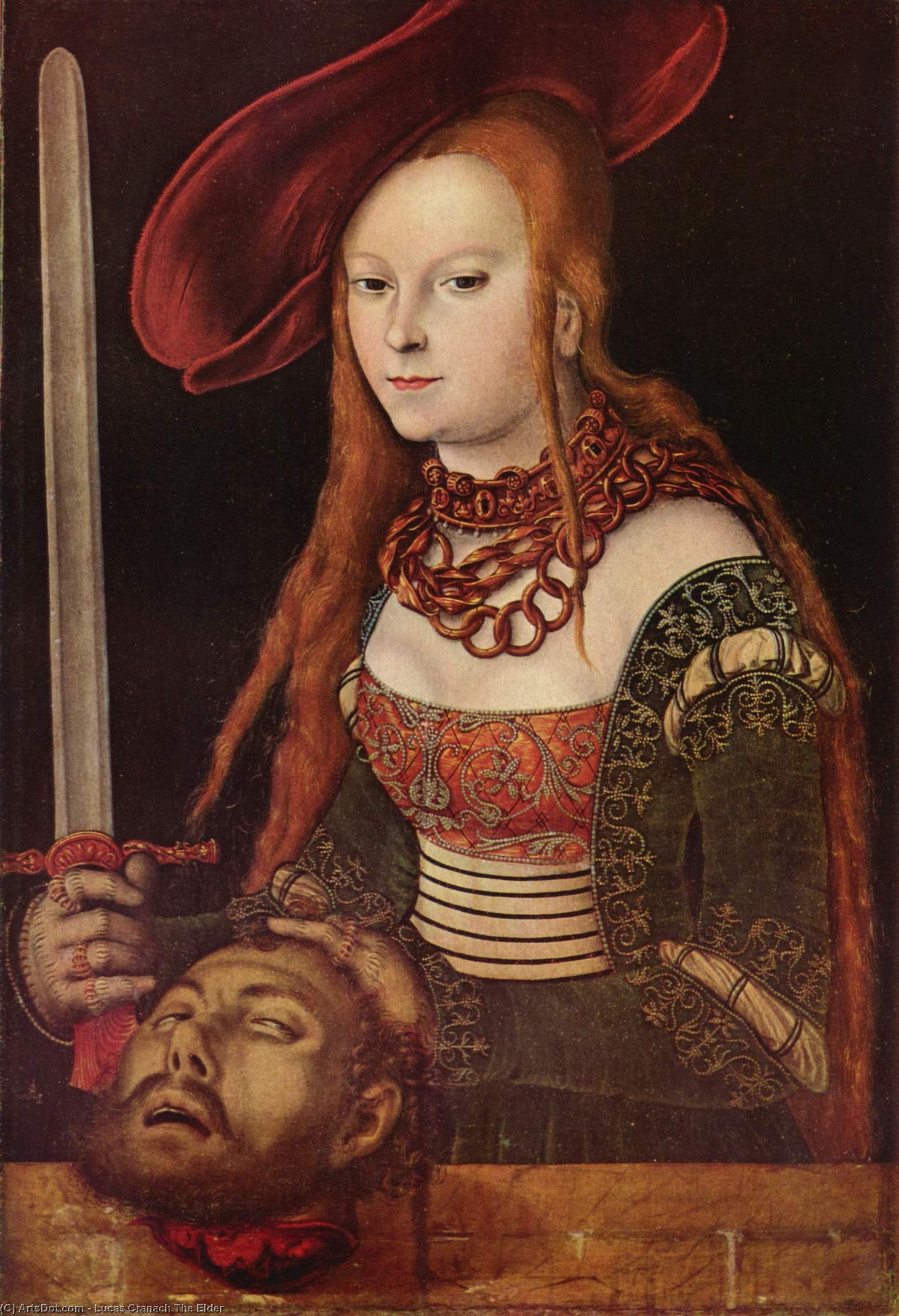
Judith
 Oil On Panel
- Northern Renaissance
 1515
1515- Renaissance
 86.0 x 59.0 cm
 Pročitaj više
Giclee štampa / Umetnički otisak
Giclée štampa ili print na platnu muzejskog kvaliteta uz brzu proizvodnju i fleksibilne opcije završne obrade.




P118B $10

P118H $10

P118W $10

P438Z $10

P508JH $12

P508YH $12

P805H $10

P805Z $10

P919BZ $10

P919G $10

P919XJ $10

P959ZH $10

P968JZ $12

W106C $8

W218G $10

W218JH $8

W218Y $10

W307PJ $10

W316G $10

W316PJ $8

W316Y $10

W398PJ $8

W4111J $10

W500HY $15

W500JH $15

W692G $12

W849H $8

W940BG $15

W953PJ $8




Izaberite jednu od naših unapred definisanih veličina koje odgovaraju originalnim proporcijama umetničkog dela.

Možete uneti sopstvene dimenzije kako biste umetničko delo prilagodili specifičnom okviru ili prostoru. Ako odabrani format ne odgovara proporcijama originalne slike, mi ćemo ili iscrtati deo dela ili proširiti sliku pomoću ogledane ivice ili jednobojnog popunjavanja. Digitalni prikaz će vam biti poslat na odobrenje pre početka proizvodnje.
Imajte na umu da pregled na ekranu ne odražava stvarno iscrtavanje ili proširivanje. Samo će prikaz (mockup) precizno pokazati finalnu kompoziciju.
Iako su prilagođene dimenzije dostupne, preporučujemo da odaberete dimenziju sa unapred definisane liste kako biste očuvali originalne proporcije.
Dostava širom sveta () za 2 nedelje umesto uobičajenih 4/5 nedelja. (20 јул)

Besplatna ekspresna dostava širom sveta

Visokokvalitetno laneno platno

Kompletno osiguranje transporta

Garancija povraćaja carine i uvoznih dažbina

Garancija vernosti boja

Politika povrata u roku od 60 dana (samo u slučaju nedostataka)

Garancija povrata novca od 100%

Popust pri grupnoj kupovini
 Opcija sa staklom dostupna je samo za dimenzije manje od 110 cm

Judith
Giclee štampa / Umetnički otisak
Dimenzije reprodukcije
-


Konačna cena
-
Opis predmeta
Judith by Lucas Cranach the Elder: A Renaissance Masterpiece
The painting "Judith" by Lucas Cranach the Elder is a masterpiece of the Northern Renaissance style, created in 1515. This oil painting measures 86 x 59 cm and is a stunning representation of the biblical story of Judith and Holofernes.
Artistic Style and Technique
Lucas Cranach the Elder was a renowned German painter and printmaker, known for his contributions to the development of the Northern Renaissance style. His paintings often featured rich colors, detailed landscapes, and mythological subjects. In "Judith," he used a bold color palette, with the red hat standing out against the rest of the scene. The woman's armor is also intricately detailed, highlighting her role as a warrior.
- The painting is characterized by its use of symbolism, with the severed head representing victory and power.
- The artist’s attention to detail is evident in the intricate design of Judith’s armor and clothing.
- The painting's composition is balanced, with the central figure of Judith drawing the viewer's eye.
Symbolism and Historical Context
This artwork draws from the biblical story of Judith, a courageous Jewish widow who saved her people by seducing and then beheading the Assyrian general Holofernes. Cranach’s depiction reflects the Northern Renaissance fascination with biblical narratives and classical themes. The painting was created during the Reformation period in Germany, and it's believed that some scholars have suggested that such works may relate to the Schmalkaldic League – an alliance of Protestant princes formed to defend against the Holy Roman Emperor.
Emotional Impact and Legacy
“Judith” evokes a sense of strength, determination, and triumph. Judith’s direct gaze and regal posture convey her power and resolve. The somber background enhances the dramatic impact of the scene, drawing attention to the central figure. Cranach's masterful use of light and shadow creates depth and realism, making this painting a captivating work of art that continues to inspire and fascinate audiences today.
Notable Works by Lucas Cranach the Elder
Explore more of Cranach's artistry through these notable works:
The Kunsthistorisches Museum in Vienna, Austria, also houses several of his works.
Biografija umetnika
Lucas Cranach the Elder
Lucas Cranach the Elder, born in Kronach, Germany around 1472, stands as a pivotal figure of the German Renaissance. His life unfolded during a period of immense religious and political upheaval, and his art became inextricably linked to both the burgeoning Protestant Reformation and the opulent courts he served. Initially trained by his father, Hans Maler, Cranach’s early artistic development remains somewhat shrouded in mystery, though influences from South German masters are evident in his evolving style. He quickly distinguished himself not merely as a skilled craftsman but as an artist capable of capturing psychological depth alongside technical precision – qualities that would soon draw the attention of powerful patrons. In 1504, he entered the service of Frederick III, Elector of Saxony, a relationship that would define much of his career and provide him with both stability and access to influential circles. This appointment as court painter in Wittenberg wasn’t simply about producing decorative works; it placed Cranach at the very heart of one of the most transformative movements in European history.Early Life and Training
Lucas Cranach's formative years were spent in Kronach, where he received his initial artistic education from his father, Hans Maler—a respected painter known for his altarpieces and portraits. While details about Cranach’s early training remain scarce, evidence suggests exposure to the stylistic traditions of South German art – particularly those championed by Matthias Grünewald and Albert Dürer—which would profoundly shape his artistic sensibilities. These influences instilled in him a meticulous attention to detail and a fascination with expressive color palettes—characteristics that would become hallmarks of his distinctive style. The workshop of Hans Maler served as a crucible for artistic experimentation, fostering Cranach’s burgeoning talent and preparing him for the challenges of navigating the competitive landscape of Renaissance art.Service to Frederick III and Wittenberg
Cranach's career took its decisive turn in 1504 when he accepted the patronage of Frederick III, Elector of Saxony—a pivotal moment that secured his financial independence and elevated him to the highest echelon of Saxon society. This appointment as court painter in Wittenberg wasn’t merely about fulfilling a contractual obligation; it placed Cranach at the epicenter of one of Europe's most momentous religious debates – namely, the Reformation initiated by Martin Luther. Wittenberg, a university town renowned for its humanist scholarship and theological fervor, became Cranach’s artistic laboratory—a space where he wrestled with complex ideas about faith, morality, and human dignity. He skillfully utilized his artistic prowess to disseminate Protestant doctrines through monumental altarpieces and evocative portraits of Luther—each image imbued with symbolic significance designed to convey Luther's unwavering conviction and intellectual brilliance.The Art of Portraiture: Psychological Insight
Lucas Cranach the Elder excelled as a portraitist, achieving renown for his ability to penetrate the psychological complexities of his subjects—a feat that distinguished him from many of his contemporaries. His portraits weren’t merely representations of likeness; they were carefully constructed narratives intended to project an idealized image of character and status—essential qualities for conveying authority and prestige within the aristocratic circles he served. Cranach's technique involved a masterful blend of observation, anatomical precision, and expressive color—resulting in images that captured not only physical appearance but also inner temperament and emotional nuance. Consider his portraits of Frederick III and Johann Conrad Wilhelm Fürst von Sachsen-Coburg und Gotha—each depiction radiating regal dignity while simultaneously conveying subtle hints of personal vulnerability. Cranach’s meticulous attention to detail—from the rendering of facial expressions to the selection of fabrics and jewelry—underscored his commitment to artistic excellence and cemented his reputation as one of Germany's foremost portraitists.Mythological Visions: Symbolism and Allegory
Beyond religious commissions, Lucas Cranach the Elder cultivated a distinctive style characterized by imaginative depictions of mythological scenes—a stylistic departure from prevailing conventions that nonetheless resonated deeply with contemporary audiences. His mythological paintings—such as *Venus and Adonis* and *The Tempest*—were infused with symbolic references to classical literature and philosophy—reflecting the humanist preoccupation with intellectual inquiry and moral contemplation. Cranach’s use of color—particularly vibrant reds, blues, and golds—created dramatic visual effects that heightened the emotional impact of his compositions. Moreover, he skillfully employed allegorical devices—drawing upon mythological narratives to convey moral lessons and political commentary—demonstrating his artistic versatility and intellectual acuity. These visionary works stand as testament to Cranach’s creative genius—affirming his ability to transcend stylistic boundaries while simultaneously engaging with enduring themes of beauty, desire, and human destiny. ### Legacy and Influence Lucas Cranach the Elder died in Weimar in 1553, leaving behind an unparalleled artistic legacy that continues to inspire admiration and scholarly debate. His workshop flourished after his death, perpetuating his distinctive style and ensuring that his paintings remained accessible to collectors and museums worldwide. Cranach’s influence extended far beyond his immediate contemporaries—inspiring generations of artists who embraced his meticulous technique and expressive vision. From Rembrandt to Rubens, numerous painters acknowledged Cranach's formative impact on their artistic development—demonstrating the enduring significance of his contribution to European art history. His portraits—particularly those depicting Martin Luther—remain iconic representations of the Reformation era—capturing the spirit of intellectual ferment and religious upheaval that defined the sixteenth century. Lucas Cranach the Elder’s legacy endures as a beacon of Renaissance artistry—affirming his place among the most celebrated masters of German culture and securing his enduring position in the annals of art history.
Лукас Кранхен Старшиј
1472 - 1553 , Германија
Osnovne informacije
- Artistic Movement Or Style: Norddeutsche Renaissance
- Artists Or Movements Influenced By This Artist: ['Martin Luther']
- Artists Who Influenced This Artist: ['Hans Maler']
- Date Of Birth: Kronach, Deutschland 1472
- Date Of Death: Weimar, Deutschland 1553
- Full Name: Lucas Cranach der Ältere
- Nationality: Deutsch
- Notable Artworks:
- Jagdszene Friedrichs III.
- Selbstbildnis
- Ankündigung Joachims
- Place Of Birth: Kronach, Bayern
Povezani članci
The Northern Awakening: Artistic Innovation & Cultural Transformation in the German Renaissance
Explore the artistic innovation of the German Renaissance! Discover Dürer, the Danube School & Reformation art. Learn about techniques, materials & lasting influence. Find museum-quality reproductions at OriginalUniqueArt.
Glavna dela Severne Renesanse: 10 remek-dela koja su obeležila epohu (i vaš dom)
Otkrijte 10 remek dela Severne Renesanse koja su obeležila epohu! Jan van Eyck, Dürer i Bruegel – istražite priče iza ovih umetničkih majstorstava. Inspiracija za vaš dom i vrhunske reprodukcije na OriginalUniqueArt.com!
Renesansna Genijalnost: 10 Remek Dela Koja Su Izjedili Umjetnost
Otkrijte 10 remek dela koje su obeležile ranu renesansu! Leonardo, Michelangelo, Rafael... Uronite u priče iza ovih umetničkih dragulja i inspirisanje za vaš dom. Kvalitetne reprodukcije na OriginalUniqueArt.com – istražite celu kolekciju online!
Renesansa u slika: 10 remek-dela koja su obeležila umetnički pokret
Otkrijte 10 remek dela renesanse koja su zauvek obeležila umetnost! Leonardo, Michelangelo, Rafael... Istorija, tehnika i inspiracija u svakoj slici. Pronađite savršenu reprodukciju za svoj dom na OriginalUniqueArt.com!
Renaissance Masters: 10 Artworks That Defined a Golden Age | OriginalUniqueArt
Journey through the High Renaissance with 10 iconic masterpieces by Leonardo da Vinci, Michelangelo & Raphael. Explore art history, techniques & timeless beauty. Find museum-quality reproductions for your home at OriginalUniqueArt.com.