

 Pregledaj u prostoru
 Podeli
 Podeli
 Detalji
 Vodič
Vodič

 Preuzmi sliku
 Slični predmeti
 Rendgenski snimak
 Automatska prezentacija
 Statistika
LA MORT DE SENEQUE


 Pročitaj više
Ručno rađena uljana reprodukcija
Ručno oslikano uljanim bojama na platnu u dimenzijama i okviru po vašem izboru, izrađeno po porudžbini od strane naših umetnika. ( Pređi na prodaju štampanih primeraka Pređi na prodaju digitalnih slika)




P118B дин10

P118H дин10

P118W дин10

P438Z дин10

P508JH дин12

P508YH дин12

P805H дин10

P805Z дин10

P919BZ дин10

P919G дин10

P919XJ дин10

P959ZH дин10

P968JZ дин12

W106C дин8

W218G дин10

W218JH дин8

W218Y дин10

W307PJ дин10

W316G дин10

W316PJ дин8

W316Y дин10

W398PJ дин8

W4111J дин10

W500HY дин15

W500JH дин15

W692G дин12

W849H дин8

W940BG дин15

W953PJ дин8




Izaberite jednu od naših unapred definisanih veličina koje odgovaraju originalnim proporcijama umetničkog dela.

Unesite širinu i visinu koja vam je potrebna, kako bi se uklopili u vaš ram ili zid. Pošto je ovo ručno oslikano delo, umetnik može naslikati malo više prostora oko slike ili malo skratiti ivice za dimenzije drugačijeg oblika — izbor je na vama. Pre početka rada, poslaćemo vam digitalni prikaz radi potvrde. Slika prikazana na ovoj stranici ne predstavlja konačan rezultat — samo digitalni prikaz pokazuje stvarnu sliku.
Nakon narudžbine, tim OriginalUniqueArt.com će klijentu putem e-pošte poslati uputstva i dostaviti prikaz predloženog rešenja
Svetska isporuka () za 3/4 nedelje umesto uobičajenih 5 nedelja. (23 октобар). Bez kompromisa po pitanju kvaliteta.

Besplatna ekspresna dostava širom sveta

Visokokvalitetno laneno platno

Sveobuhvatno osiguranje transporta

Garancija povraćaja carine i uvoznih dažbina

Garancija vernosti boja i autentičnosti pri reprodukciji

Politika povraćaja u roku od 100 dana (samo u slučaju nedostataka)

Garancija povrata 100% novca

Popust pri većoj količini
 Opcija sa staklom dostupna je samo za dimenzije manje od 110 cm

LA MORT DE SENEQUE
Tehnika izrade reprodukcije
Veličina reprodukcije
-


Ukupna cena
дин 51417
A Theatrical Descent into Stoic Silence
In the grand, sweeping tradition of the Neapolitan Baroque, Luca Giordano’s “La Mort de Sénèque” emerges not merely as a painting, but as a visceral theatrical performance captured in oil. The scene depicts one of antiquity's most poignant moments: the forced suicide of the Stoic philosopher Seneca the Younger, ordered by the Emperor Nero. Giordano, often celebrated as “Luca fa presto” for his incredible speed and prolific genius, manages to slow time within this canvas, freezing a moment of profound transition between life and death. The viewer is thrust into a crowded, intimate space where the air feels heavy with the weight of mortality and the solemnity of intellectual conviction.
The composition is a masterclass in Baroque dynamism. Rather than offering a detached, panoramic view, Giordano employs a tight, almost claustrophobic framing that pulls the observer into the inner circle of Seneca’s final moments. Diagonal lines, formed by the expressive limbs of onlookers and the heavy folds of luxurious drapery, act as visual guides, relentlessly directing the eye toward the central figure. Seneca himself is rendered with a palpable sense of fragility; his aged, pale form reclines upon cushions, serving as the quiet, still anchor amidst a sea of agitated movement. This tension between the stillness of the dying philosopher and the kinetic energy of those surrounding him creates a rhythmic pulse that keeps the eye wandering through the drama.
The Alchemy of Light and Shadow
To behold this work is to witness the transformative power of chiaroscuro. Giordano utilizes dramatic contrasts between deep, swallowing shadows and piercing highlights to sculpt the figures from the darkness. This interplay does more than provide three-dimensional depth; it functions as a psychological tool. Light emanates from unseen sources, illuminating Seneca’s weary face and the frantic gestures of his companions, casting much of the background into a mysterious gloom that mirrors the encroaching unknown of death. The highlights catch the sheen of skin, the texture of fabric, and the glint of scattered scrolls, adding a layer of tactile realism that is deeply immersive.
The color palette further enriches this emotional landscape. A symphony of warm, resonant tones—deep ochres, earthy browns, and blood-like reds—dominates the scene, evoking the heat of passion and the gravity of the historical tragedy. These are masterfully contrasted with sudden, cool accents of blue and green, which prevent the warmth from becoming stagnant and instead inject a sense of tension and vitality into the composition. Giordano’s brushwork, characterized by a certain fluid brilliance, allows for a variety of textures to emerge: the smooth, almost translucent skin of the elderly Seneca contrasts sharply with the heavy, rough impasto of the onlookers' garments, creating a sensory experience that transcends the visual.
A Legacy of Emotion and Intellectual Depth
Beyond its technical virtuosity, “La Mort de Sénèque” is an exploration of the human condition. The scattered books and scrolls surrounding the philosopher serve as silent witnesses to his life of thought, suggesting that while the body may perish, the intellect leaves a lasting imprint. The varied reactions of the crowd—ranging from profound grief to morbid curiosity—provide a mirror for the viewer’s own emotional response, making the piece deeply relatable across centuries. For the discerning collector or interior designer, this artwork offers more than just aesthetic grandeur; it provides a focal point of profound narrative depth.
Integrating a high-quality reproduction of such a masterpiece into a curated space brings with it an atmosphere of historical prestige and contemplative elegance. Whether placed in a library, a formal study, or a grand salon, Giordano’s work commands attention through its ability to evoke both awe and introspection. It is a piece that does not merely decorate a wall but breathes life into a room, inviting all who encounter it to reflect on the enduring strength of the human spirit in the face of inevitable fate.
Pitanja i odgovori
Gde mogu kupiti ručno oslikano reprodukciju dela „LA MORT DE SENEQUE”, Лука Јођано?
Ručno oslikanu reprodukciju dela „LA MORT DE SENEQUE”, Лука Јођано možete naručiti direktno na njegovoj stranici Ručno oslikana reprodukcija: ručno oslikana uljana reprodukcija na lanenom platnu, izrađenu po porudžbini.
Od čega je izrađeno "LA MORT DE SENEQUE"?
"LA MORT DE SENEQUE" je urađeno u tehnici Oil On Canvas.
Postoji li informativni list o delu „LA MORT DE SENEQUE”, Лука Јођано namenjen studentima?
Dostupna je Vodič stranica za „LA MORT DE SENEQUE”, Лука Јођано: štampani informativni list o umetničkom delu, dizajniran za učenike i upotrebu u učionici.
Biografija umetnika
Luca Giordano (18 October 1634 – 3 January 1705): Explore the Vibrant Baroque Masterpieces of ‘Luca Fa Presto,’ Naples’ Most Celebrated Painter, Known for His Speed & Dazzling Frescoes
Luca Giordano, born in Naples on October 18th, 1634, was a name that swiftly ascended to prominence within the artistic circles of late Baroque Italy – a moniker synonymous with audacious brilliance and unparalleled productivity. He wasn’t merely an artist; he embodied dynamism itself, a veritable torrent of creativity whose prolific output irrevocably reshaped both canvases and architectural spaces across the peninsula and beyond. His father, Antonio Giordano, instilled in him the initial bedrock of artistic training, yet it was under the watchful eye of Jusepe de Ribera that Luca truly honed his distinctive style – an early apprenticeship that imprinted upon him a profound sense of dramatic intensity and meticulous realism, characteristics evident even in his earliest endeavors. Unlike Ribera’s often subdued palette, Giordano possessed an innate proclivity for luminosity and movement—qualities that would ultimately define the singular aesthetic he championed throughout his illustrious career. Even then, he earned the affectionate nickname “Luca fa presto”—Luca the quick one—a testament to his astonishing speed and seemingly limitless energy; he wasn't simply skilled; he possessed a remarkable aptitude for capturing profound emotion and breathtaking spectacle with an ease that captivated contemporaries.From Naples’ Artistic Crucible: Early Training & Influences
Giordano’s formative years were steeped in the traditions of Neapolitan painting, where he absorbed the stylistic nuances of his predecessors while simultaneously forging his own path. His father's guidance ensured a solid grounding in artistic principles, yet it was Ribera who profoundly shaped his artistic sensibilities – an encounter that instilled within him a deep appreciation for dramatic chiaroscuro and meticulous observation. This early influence manifested itself in his initial works, characterized by a palpable tension between darkness and light—a stylistic hallmark that would persist throughout his oeuvre. Furthermore, Giordano’s artistic vision was nurtured by the broader cultural landscape of Naples, where humanist ideals mingled with religious fervor. He studied the masterpieces of Titian and Veronese, embracing their opulent color palettes and dynamic compositions – a deliberate contrast to Ribera's somber aesthetic—demonstrating an intellectual curiosity that extended beyond mere technical proficiency. The influence of Pietro da Cortona is also palpable in Giordano’s later frescoes, reflecting his fascination with illusionistic space and theatrical grandeur.A Career Marked by Motion & Innovation: Travels & Commissions
Giordano’s artistic trajectory wasn't confined to Naples; it unfolded across Italy and Spain – a testament to his ambition and adaptability. Following his formative apprenticeship, he sought opportunities in Rome, Florence, and Venice—cities that served as incubators for artistic experimentation and innovation. In Venice, he immersed himself in the vibrant traditions of Venetian painting, studying the works of Titian and Veronese with unwavering dedication. This exposure broadened his stylistic horizons and instilled within him a deeper understanding of visual storytelling. Florence witnessed Giordano undertake monumental fresco cycles – most notably in the dome of the Corsini Chapel at Chiesa del Carmine—a feat that showcased his burgeoning mastery of illusionistic space and narrative complexity. His ability to transform architectural interiors into immersive theatrical experiences cemented his reputation as one of Italy’s foremost artists. However, it was his decade-long engagement with Spanish artistic culture – commencing in 1682 – that propelled him to international acclaim. Appointed as court painter to Charles II, Giordano reinvigorated the Baroque tradition in Spain, injecting a much-needed dose of Italian exuberance into its more restrained aesthetic.A Synthesis of Styles: Giordano’s Distinctive Artistic Signature
Giordano's genius lay not in inventing entirely novel techniques but rather in harmoniously blending existing ones – resulting in a remarkably fluid and decorative style. He skillfully combined the dramatic realism inherited from Ribera, the luminous colorism inspired by Venetian painters, and the dynamic compositions reminiscent of Pietro da Cortona—a stylistic convergence that reflected his profound artistic intellect. His brushwork possessed an unparalleled freedom and spontaneity, conveying an impression of effortless grace; he wasn’t afraid to embrace ornamentation, filling his canvases with intricate details and swirling draperies – a characteristic feature of his mature style. This approach enabled him to tackle a diverse range of subjects—from religious scenes and mythological narratives to portraits and decorative schemes—with equal conviction. The Judgment of Paris, housed in the Berlin Museum, exemplifies this stylistic fusion; it’s a dazzling display of classical mythology rendered with a Baroque flair – demonstrating Giordano's mastery of color, composition, and dramatic storytelling.Legacy & Enduring Influence: Giordano’s Place Among Baroque Masters
Luca Giordano’s legacy extends far beyond his own lifetime—a testament to his enduring artistic significance. He trained numerous pupils who carried forward his stylistic innovations throughout Italy and beyond, ensuring that his distinctive aesthetic continued to inspire generations of artists. His prolific output – estimated at over six hundred paintings and countless fresco cycles – remains a beacon of Baroque artistry, captivating audiences today with its vibrancy and dynamism. The Palazzo Capodimonte in Naples houses an unparalleled collection of Giordano’s works—providing scholars with invaluable insight into the evolution of his artistic vision. Giordano's ability to seamlessly blend technical virtuosity with emotional depth secures his place as one of the most revered figures of the Italian Baroque – a painter whose influence resonates powerfully through the annals of art history. He died peacefully in Naples on January 3rd, 1705, leaving behind an indelible mark upon the artistic landscape of his era and cementing his enduring reputation as ‘Luca Fa Presto,’ the Quick One—a moniker that encapsulates the essence of his unparalleled creative energy.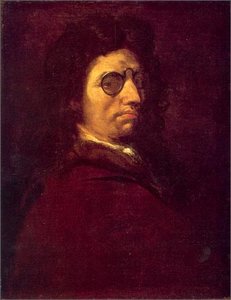
Лука Јођано
1634 - 1705 , Италија
Brzi pregled
- Artistic Movement Or Style: Pozno Barok
- Artists Or Movements Influenced By This Artist: ['Paolo de Matteis']
- Artists Who Influenced This Artist:
- Jusepe de Ribera
- Titijan
- Veroneza
- Date Of Birth: 1634
- Date Of Death: 1705
- Full Name: Luca Giordano
- Nationality: Talijan
- Notable Artworks:
- Sudjenje Parisu
- Krist sa lekarima
- Freske u Napulji
- Place Of Birth: Naples, Italija
Srodni članci
Baroque vs. Rococo: A Definitive Guide to High-Drama Shadows and Golden Elegance
Explore the dramatic evolution from Baroque's intense chiaroscuro to Rococo's golden elegance. Our expert guide decodes the shift from high-drama shadows to playful, ornate grace for art enthusiasts and collectors seeking deep historical insight.
10 Iconic Baroque Masterpieces That Changed Art Forever
Step into the drama of the Baroque era. Explore 10 iconic masterpieces featuring dramatic chiaroscuro and legendary artists. Find inspiration for your space with museum-quality art reproductions and curated decor. Discover all masterpieces on OriginalUniqueArt.com.

Барокна драма: Уношење величине и емоција у савремене ентеријере
Откријте барокну драму и унесите величину у ваш ентеријер! OriginalUniqueArt нуди ручно насликане репродукције, персонализоване портрете и стручне консултације за љубитеље класичне уметности. Потражите савршено дело већ данас!

Otključavanje baroknog sjaja: Vodič kroz dramu i emociju umetnosti 17. veka
Otkrijte tajne barokne drame i tehnike kjaroskura kroz naš stručni vodič. Doživite moć 17. veka već danas.
Luca Giordano: Neapolitan Baroque Master & His European Influence
Explore the life & works of Luca Giordano, the celebrated Neapolitan Baroque master. Discover his prolific fresco cycles, Roman commissions, and lasting influence on European art history. Learn more at OriginalUniqueArt.