
 Pregledaj u prostoru
 Pošalji
 Podeli
 Detalji o delu
 Vodič
Vodič

 Preuzmi
 Slični predmeti
 Rendgenski snimak
 Automatska prezentacija
 Pitanja i odgovori
 Statistika
Apollo and Marsyas


 Pročitaj više
Nabavite datoteku spremnu za štampu koja nudi znatno veći kvalitet od onlajn pregleda. Svaka digitalna slika koju nudimo potiče iz visokorezolucičnog master fajla iz naše baze — obično širine od 5.000 do 15.000 piksela — što vam omogućava štampu u velikom formatu, precizno kadriranje ili bezbrižnu reprodukciju najfinijih detalja.
Nijedan fajl ne napušta naš studio netaknut. Digitalni stručnjak vrši proveru boja u odnosu na originalno delo i koriguje ih po potrebi, a zatim unapređuje jasnoću i detalje pomoću profesionalnih alata za retuširanje — uvek ostajući veran umetnikovim potezima četkice i stilu. Rezultat je slika koja izgleda kao pravo delo, a ne kao sken sa filterom.
Proverite i odobrite pre završetka: naš stručnjak vam šalje sliku putem e-pošte u roku od 72 sata na pregled. Niste zadovoljni? Zatražite poboljšanja ili ispravke, ili tražite povraćaj novca ukoliko kvalitet ne ispunjava vaša očekivanja.
Ovo je kvalitet kojem poverenje ukazuju izdavači, dizajnerski studiji, galerije i štamparije.
Digitalna slika
Preuzmite datoteku visoke rezolucije za ličnu upotrebu, štampanje i kreativne projekte. ( Pređi na štampu Kupite ručno oslikano delo)
Uključeno uz svaku porudžbinu digitalne slike
Profesionalna digitalna isporuka, zagarantovana
Kada odaberete OriginalUniqueArt.com, ne dobijate samo sliku – vi primate profesionalno unapređeno digitalno umetničko delo, izrađeno sa najvećom preciznošću i uz garanciju zadovoljstva. Evo svega što automatski dolazi uz vašu porudžbinu:

Brza dostava putem e-pošte
Vaša digitalna slika visoke rezolucije biće vam poslata putem e-pošte u roku od 72 sata od poručivanja – spremna za trenutnu upotrebu.

Digitalna datoteka unapređena veštačkom inteligencijom
Vaše umetničko delo je profesionalno optimizovano primenom naprednih AI alata i ručne obrade, čime se osiguravaju maksimalni detalji, oštrina i preciznost boja.

Besplatna doživotna ponovna isporuka
Slučajno ste obrisali ili izgubili svoju datoteku? Ne brinite – poslaćemo vam je ponovo u bilo kom trenutku, potpuno besplatno.

Bez troškova uvoza – zauvek
Uživajte u svojim umetničkim delima trenutno, bez carine, akciza ili troškova dostave – digitalni download je uvek bez poreza.

Garancija preciznosti boja
Uz pomoć profesionalnih alata i upravljanja bojama, osiguravamo da vaša digitalna slika što vernije odražava originalne boje.

Garancija zadovoljstva u roku od 100 dana
Ako niste zadovoljni svojom digitalnom slikom, izvršićemo reviziju ili ćemo vam vratiti 100% novca u roku od 100 dana – bez ikakvih pitanja.

100% garancija povrata novca
Niste zadovoljni? Dobijte puni povraćaj novca u roku od 100 dana od prijema digitalne datoteke – bez suvišnih pitanja.

Popusti na velike porudžbine
Kupite 3 slike, uštedite 10% - Kupite 5 slika, uštedite 15% - Kupite 10+ slika, uštedite 20%. Odlično za kreativne projekte, galerije i agencije.
The Triumph of Art Over Hubris: Apollo and Marsyas
To stand before a depiction of Apollo and Marsyas is to confront one of antiquity's most enduring narratives—a dramatic collision between divine perfection and wild, untamed artistry. Luca Giordano captures this moment not merely as a scene from myth, but as a vibrant, almost breathless confrontation rendered in the glorious sweep of the late Baroque style. The composition immediately draws the eye to the central tension: Apollo, embodying Olympian grace with his bow drawn taut, stands poised above the defeated form of Marsyas. This is more than just a depiction of a contest; it is a profound meditation on the nature of genius itself.
Baroque Drama and Luminous Technique
Giordano, known to his contemporaries as “Luca fa presto”—Luca the quick one—brings an electrifying energy to this canvas. His technique is characterized by a breathtaking luminosity and palpable movement that seems to vibrate off the painted surface. One can almost feel the tension in Apollo’s stance and the weight of the narrative unfolding around him. The handling of light, typical of Giordano's mastery, sculpts the figures from the surrounding atmosphere, giving depth and dramatic realism to every fold of drapery and every strained muscle. For those considering a reproduction for your esteemed collection or interior design scheme, understanding this dynamic energy is key; it promises an immediate focal point, injecting theatrical life into any space.
Symbolism: The Price of Passionate Artistry
The story itself is rich with symbolism that resonates across the ages. Marsyas, often portrayed as a figure of raw, earthy passion—the musician who dared challenge the divine order—represents the untamed spirit, the visceral urge to create outside established boundaries. Apollo, conversely, embodies disciplined, perfected art and divine order. The fallen state of Marsyas, with his hands bound, speaks eloquently of hubris meeting inevitable consequence. Yet, Giordano’s genius lies in presenting this conflict without simple judgment; there is a tragic beauty in both the victor's poise and the vanquished's dramatic repose. It invites contemplation on where true artistic merit resides: in divine perfection or in passionate struggle?
A Masterpiece for Modern Adoration
The inclusion of secondary figures, observing from the periphery—the onlookers on the left and right—serves to frame this central drama, grounding the myth within a human context. The subtle detail of the bird near the upper corner adds an almost incidental touch of natural life against the monumental sweep of the action. Owning a reproduction of Apollo and Marsyas by Giordano is acquiring more than just decoration; it is commissioning a piece of narrative drama. It speaks to a sophisticated appreciation for Baroque dynamism, offering collectors and designers a work that pulses with historical weight, mythological grandeur, and unparalleled artistic vitality.
Pitanja i odgovori
Da li je "Apollo and Marsyas" ostalo u domovini svog umetnika?
Da – umetničko delo se čuva u matičnoj zemlji umetnika. Rodna zemlja umetnika Лука Јођано je Италија, dok se muzej u kojem se čuva original dela „Apollo and Marsyas” nalazi u državi Италија.
Kako "Apollo and Marsyas" balansira svetlo i tamno?
Zabeležene vrednosti za „Apollo and Marsyas”, autor Лука Јођано su: osvetljenost deep_shadow, luminansa Dark.
Koju paletu boja i kakav osećaj spaja "Apollo and Marsyas"?
Earthy paleta dela „Apollo and Marsyas”, autor Лука Јођано skladno se uklapa sa njegovim Powerful emocionalnim tonom. Boja je jedan od načina na koji umetničko delo prenosi osećaj.
Biografija umetnika
Luca Giordano (18 October 1634 – 3 January 1705): Explore the Vibrant Baroque Masterpieces of ‘Luca Fa Presto,’ Naples’ Most Celebrated Painter, Known for His Speed & Dazzling Frescoes
Luca Giordano, born in Naples on October 18th, 1634, was a name that swiftly ascended to prominence within the artistic circles of late Baroque Italy – a moniker synonymous with audacious brilliance and unparalleled productivity. He wasn’t merely an artist; he embodied dynamism itself, a veritable torrent of creativity whose prolific output irrevocably reshaped both canvases and architectural spaces across the peninsula and beyond. His father, Antonio Giordano, instilled in him the initial bedrock of artistic training, yet it was under the watchful eye of Jusepe de Ribera that Luca truly honed his distinctive style – an early apprenticeship that imprinted upon him a profound sense of dramatic intensity and meticulous realism, characteristics evident even in his earliest endeavors. Unlike Ribera’s often subdued palette, Giordano possessed an innate proclivity for luminosity and movement—qualities that would ultimately define the singular aesthetic he championed throughout his illustrious career. Even then, he earned the affectionate nickname “Luca fa presto”—Luca the quick one—a testament to his astonishing speed and seemingly limitless energy; he wasn't simply skilled; he possessed a remarkable aptitude for capturing profound emotion and breathtaking spectacle with an ease that captivated contemporaries.From Naples’ Artistic Crucible: Early Training & Influences
Giordano’s formative years were steeped in the traditions of Neapolitan painting, where he absorbed the stylistic nuances of his predecessors while simultaneously forging his own path. His father's guidance ensured a solid grounding in artistic principles, yet it was Ribera who profoundly shaped his artistic sensibilities – an encounter that instilled within him a deep appreciation for dramatic chiaroscuro and meticulous observation. This early influence manifested itself in his initial works, characterized by a palpable tension between darkness and light—a stylistic hallmark that would persist throughout his oeuvre. Furthermore, Giordano’s artistic vision was nurtured by the broader cultural landscape of Naples, where humanist ideals mingled with religious fervor. He studied the masterpieces of Titian and Veronese, embracing their opulent color palettes and dynamic compositions – a deliberate contrast to Ribera's somber aesthetic—demonstrating an intellectual curiosity that extended beyond mere technical proficiency. The influence of Pietro da Cortona is also palpable in Giordano’s later frescoes, reflecting his fascination with illusionistic space and theatrical grandeur.A Career Marked by Motion & Innovation: Travels & Commissions
Giordano’s artistic trajectory wasn't confined to Naples; it unfolded across Italy and Spain – a testament to his ambition and adaptability. Following his formative apprenticeship, he sought opportunities in Rome, Florence, and Venice—cities that served as incubators for artistic experimentation and innovation. In Venice, he immersed himself in the vibrant traditions of Venetian painting, studying the works of Titian and Veronese with unwavering dedication. This exposure broadened his stylistic horizons and instilled within him a deeper understanding of visual storytelling. Florence witnessed Giordano undertake monumental fresco cycles – most notably in the dome of the Corsini Chapel at Chiesa del Carmine—a feat that showcased his burgeoning mastery of illusionistic space and narrative complexity. His ability to transform architectural interiors into immersive theatrical experiences cemented his reputation as one of Italy’s foremost artists. However, it was his decade-long engagement with Spanish artistic culture – commencing in 1682 – that propelled him to international acclaim. Appointed as court painter to Charles II, Giordano reinvigorated the Baroque tradition in Spain, injecting a much-needed dose of Italian exuberance into its more restrained aesthetic.A Synthesis of Styles: Giordano’s Distinctive Artistic Signature
Giordano's genius lay not in inventing entirely novel techniques but rather in harmoniously blending existing ones – resulting in a remarkably fluid and decorative style. He skillfully combined the dramatic realism inherited from Ribera, the luminous colorism inspired by Venetian painters, and the dynamic compositions reminiscent of Pietro da Cortona—a stylistic convergence that reflected his profound artistic intellect. His brushwork possessed an unparalleled freedom and spontaneity, conveying an impression of effortless grace; he wasn’t afraid to embrace ornamentation, filling his canvases with intricate details and swirling draperies – a characteristic feature of his mature style. This approach enabled him to tackle a diverse range of subjects—from religious scenes and mythological narratives to portraits and decorative schemes—with equal conviction. The Judgment of Paris, housed in the Berlin Museum, exemplifies this stylistic fusion; it’s a dazzling display of classical mythology rendered with a Baroque flair – demonstrating Giordano's mastery of color, composition, and dramatic storytelling.Legacy & Enduring Influence: Giordano’s Place Among Baroque Masters
Luca Giordano’s legacy extends far beyond his own lifetime—a testament to his enduring artistic significance. He trained numerous pupils who carried forward his stylistic innovations throughout Italy and beyond, ensuring that his distinctive aesthetic continued to inspire generations of artists. His prolific output – estimated at over six hundred paintings and countless fresco cycles – remains a beacon of Baroque artistry, captivating audiences today with its vibrancy and dynamism. The Palazzo Capodimonte in Naples houses an unparalleled collection of Giordano’s works—providing scholars with invaluable insight into the evolution of his artistic vision. Giordano's ability to seamlessly blend technical virtuosity with emotional depth secures his place as one of the most revered figures of the Italian Baroque – a painter whose influence resonates powerfully through the annals of art history. He died peacefully in Naples on January 3rd, 1705, leaving behind an indelible mark upon the artistic landscape of his era and cementing his enduring reputation as ‘Luca Fa Presto,’ the Quick One—a moniker that encapsulates the essence of his unparalleled creative energy.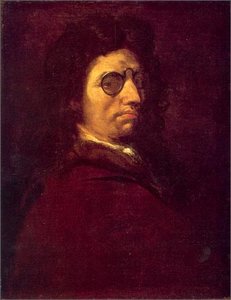
Лука Јођано
1634 - 1705 , Италија
Kratke informacije
- Artistic Movement Or Style: Pozno Barok
- Artists Or Movements Influenced By This Artist: ['Paolo de Matteis']
- Artists Who Influenced This Artist:
- Jusepe de Ribera
- Titijan
- Veroneza
- Date Of Birth: 1634
- Date Of Death: 1705
- Full Name: Luca Giordano
- Nationality: Talijan
- Notable Artworks:
- Sudjenje Parisu
- Krist sa lekarima
- Freske u Napulji
- Place Of Birth: Naples, Italija