 Pređi na štampu
 Pročitaj više







































 Za umetnička dela ili reprodukcije čija je bilo koja strana veća od 105 cm (približno 41 inč), okvir će biti isporučen u obliku rastavljenog seta za sklapanje. Ovaj metod osigurava bezbednu dostavu i sprečava oštećenja tokom transporta.


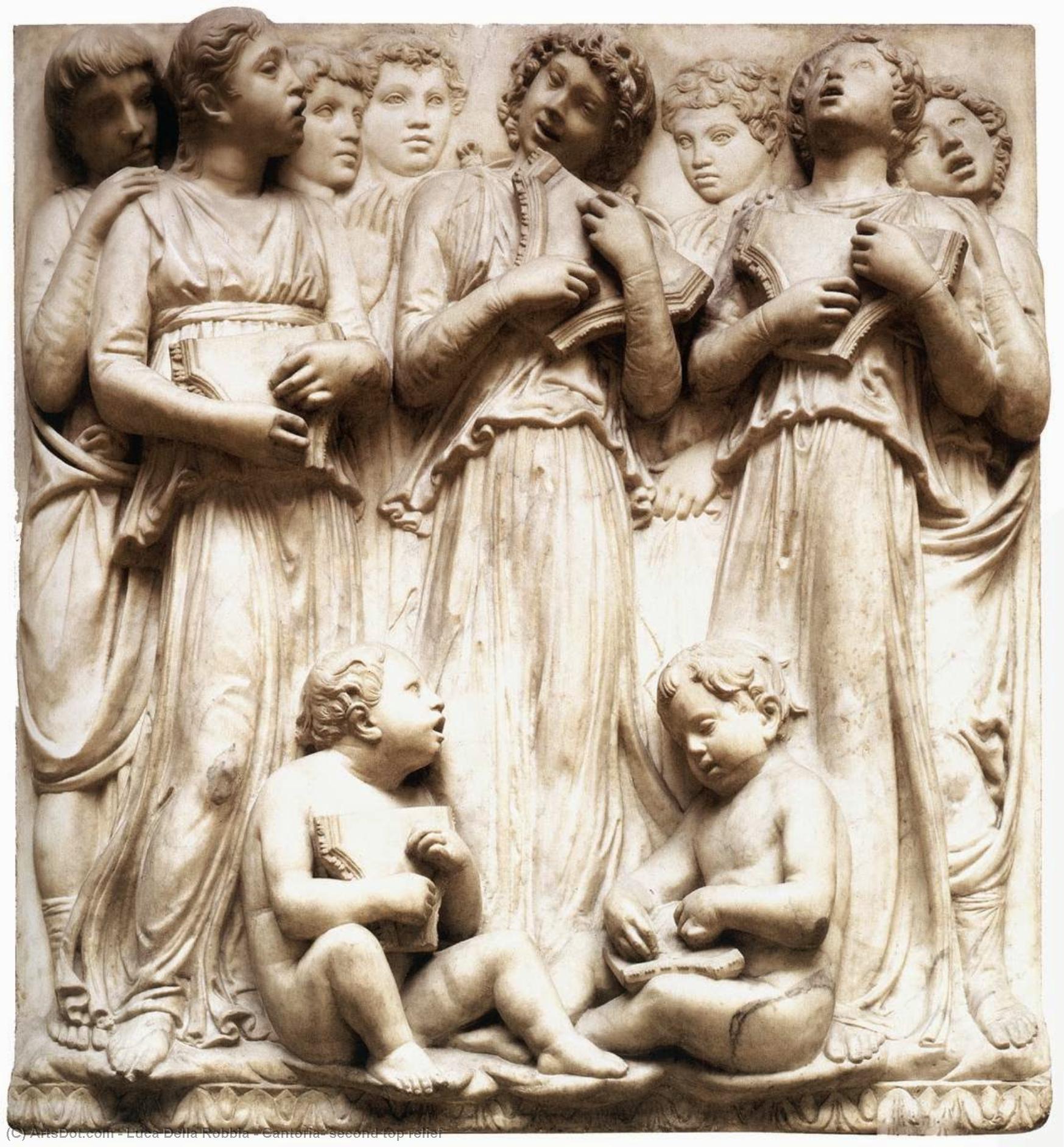
A Glimpse into Renaissance Scholarship: Cantoria's Second Top Relief
To stand before Cantoria: second top relief is to step directly into the vibrant intellectual atmosphere of early Quattrocento Florence. This magnificent marble work, executed by the master craftsman Luca della Robbia in 1431, is far more than a mere sculptural grouping; it is a tangible echo of Renaissance humanism itself. The scene unfolds with an arresting sense of community, depicting a gathering of figures whose very presence speaks to the burgeoning value placed on knowledge and discourse during this pivotal era. Observe the multitude—at least thirteen individuals clustered together, their varied poses suggesting animated conversation and shared contemplation.
The Mastery of Material and Form
Della Robbia’s genius is inseparable from his revolutionary handling of materials. While he became famed for his terracotta, the medium here showcases a profound command over marble, allowing him to achieve an exquisite balance between monumental solidity and delicate narrative grace. The craftsmanship visible in this piece is breathtaking; every fold of drapery, every gesture of the hand, speaks to years of rigorous study and unparalleled technical skill. The figures are not static mannequins but participants caught mid-thought, their forms rendered with a lifelike immediacy that belies the permanence of the stone.
Symbolism of Learning and Community
The inclusion of books within the hands of several figures is perhaps the most potent symbolic element. In the context of 15th-century Florence—a crucible for rebirth in art, science, and philosophy—these volumes represent the accumulated wisdom of antiquity and the burgeoning spirit of human inquiry. The gathering itself suggests a scholarly circle, a *cantoria*, where ideas were debated, refined, and passed down through generations. It evokes an emotional resonance of belonging to something greater than oneself, the shared pursuit of enlightenment.
Bringing Renaissance Life Home
For the discerning collector or designer seeking to infuse a space with the gravitas and beauty of history, this reproduction offers an unparalleled connection to the High Renaissance spirit. Imagine this scene gracing a library wall or serving as a focal point in a grand hall. Owning a piece inspired by Cantoria: second top relief is not simply acquiring art; it is curating an atmosphere steeped in intellectual pursuit and Florentine elegance. It invites conversation, contemplation, and the quiet appreciation for human potential realized through art.
Pitanja i odgovori
Kolika je zasićenost i intenzitet boja u delu „Cantoria: second top relief”, autor Luka Dela Robija?
Zasićenost boja u delu "Cantoria: second top relief" iznosi Subtle Color, dok je intenzitet Balanced.
Gde se danas može videti delo „Cantoria: second top relief”, autor Luka Dela Robija?
Originalno delo "Cantoria: second top relief" možete videti u muzeju Museo dell'Opera del Duomo, Флоренција, Италија.
Da li je zakonski dozvoljeno reprodukovati delo „Cantoria: second top relief”, autor Luka Dela Robija koje se nalazi u muzeju Museo dell'Opera del Duomo?
Delo „Cantoria: second top relief”, autor Luka Dela Robija, koje se čuva u muzeju Museo dell'Opera del Duomo, nalazi se u u javnom vlasništvu – autorska prava su istekla statusu. Ovaj status određuje da li je dozvoljeno izrada reprodukcija slike.
 Pošalji
 Podeli
 Detalji o delu
 Vodič
Vodič

 Preuzmi
 Slični predmeti
 Automatska prezentacija
 Pitanja i odgovori
 Statistika





