Pređi na štampu
 Pročitaj više







































 Za umetnička dela ili reprodukcije čija je bilo koja strana veća od 105 cm (približno 41 inč), okvir će biti isporučen u obliku rastavljenog seta za sklapanje. Ovaj metod osigurava bezbednu dostavu i sprečava oštećenja tokom transporta.


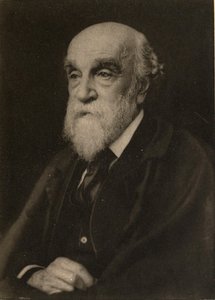
John Bright (1811–1889): A Portrait of Moral Resolve
Lowes Cato Dickinson’s 1873 depiction of John Bright stands as a testament to Victorian England's fascination with capturing the essence of prominent figures—not merely their likeness, but also their inner convictions. Located at Touchstones Rochdale in the United Kingdom, this oil on canvas painting offers a glimpse into the mind of one of Britain’s most influential social reformers and theologians.
- Subject Matter: The portrait portrays John Bright himself—a Quaker minister and staunch advocate for abolitionism—seated thoughtfully at a desk.
- Style & Technique: Dickinson employed a realist style, meticulously rendering Bright’s facial features and the subtle textures of his surroundings. The artist skillfully utilized soft lighting to illuminate Bright's face, avoiding harsh shadows and emphasizing his gaze – conveying seriousness and contemplation.
A Window into Victorian Thought
The painting’s backdrop—a dimly lit room adorned with books—reflects the intellectual climate of the era. It speaks to Bright’s dedication to scholarship and philosophical inquiry, aligning him squarely within the Pre-Raphaelite movement's embrace of detailed observation and symbolic representation. Dickinson’s careful attention to detail underscores the importance Victorian artists placed on conveying not just what was seen but also what was felt.
Color Palette & Composition
Dickinson opted for a restrained color palette, prioritizing tonal variations over vibrant hues. This deliberate choice enhances the painting's atmosphere and focuses viewers’ attention on the textures of the room and Bright’s clothing—a dark suit signifying respectability and authority. The composition is balanced, guiding the eye towards Bright’s central position, reinforcing his role as a figure of moral conviction.
Symbolism & Emotional Resonance
Beyond its visual accuracy, “John Bright” carries symbolic weight. Bright's posture embodies quiet contemplation—a deliberate act of reflection on ethical dilemmas and social responsibility. Dickinson’s portrayal captures the spirit of Victorian idealism, portraying Bright as a man striving for moral excellence amidst societal challenges. It serves as an enduring reminder of the power of intellect and compassion in shaping human destiny.
Availability & Reproduction
A high-quality reproduction of this artwork is available at OriginalUniqueArt.com under a Creative Commons Attribution-NonCommercial license.
Pitanja i odgovori
Ko je kreirao "John Bright (1811–1889)" i u kom je stilu?
Delo "John Bright (1811–1889)" delo je Lous Kето Dikinson u stilu Pre-Raphaelite Realism. Umetnik i pravac definišu tradiciju ovog dela.
Koliko je "John Bright (1811–1889)" ukupno svetla?
Sveukupno, "John Bright (1811–1889)" je zabeležen kao duboka senka. Percepcija osvetljenosti opisuje koliko delo deluje svetlo ili tamno.
Ko je kreirao "John Bright (1811–1889)" i u kojoj godini?
Lous Kето Dikinson je napravio/la "John Bright (1811–1889)" u 1873. godini.
 Pregledaj u prostoru
 Pošalji
 Podeli
 Detalji o delu
 Vodič
Vodič

 Preuzmi
 Slični predmeti
 Rendgenski snimak
 Automatska prezentacija
 Pitanja i odgovori
 Statistika