

 Pregledaj u prostoru
 Podeli
 Podeli
 Detalji
 Vodič
Vodič

 Preuzmi sliku
 Slični predmeti
 Rendgenski snimak
 Automatska prezentacija
 Statistika
Last Supper
 Early Renaissance
 1403
1403 39.0 x 39.0 cm
 Baptistery
 Pročitaj više
Ručno rađena uljana reprodukcija
Ručno oslikano uljanim bojama na platnu u dimenzijama i okviru po vašem izboru, izrađeno po porudžbini od strane naših umetnika. ( Pređi na prodaju štampanih primeraka Pređi na prodaju digitalnih slika)




P118B дин10

P118H дин10

P118W дин10

P438Z дин10

P508JH дин12

P508YH дин12

P805H дин10

P805Z дин10

P919BZ дин10

P919G дин10

P919XJ дин10

P959ZH дин10

P968JZ дин12

W106C дин8

W218G дин10

W218JH дин8

W218Y дин10

W307PJ дин10

W316G дин10

W316PJ дин8

W316Y дин10

W398PJ дин8

W4111J дин10

W500HY дин15

W500JH дин15

W692G дин12

W849H дин8

W940BG дин15

W953PJ дин8




Izaberite jednu od naših unapred definisanih veličina koje odgovaraju originalnim proporcijama umetničkog dela.

Unesite širinu i visinu koja vam je potrebna, kako bi se uklopili u vaš ram ili zid. Pošto je ovo ručno oslikano delo, umetnik može naslikati malo više prostora oko slike ili malo skratiti ivice za dimenzije drugačijeg oblika — izbor je na vama. Pre početka rada, poslaćemo vam digitalni prikaz radi potvrde. Slika prikazana na ovoj stranici ne predstavlja konačan rezultat — samo digitalni prikaz pokazuje stvarnu sliku.
Nakon narudžbine, tim OriginalUniqueArt.com će klijentu putem e-pošte poslati uputstva i dostaviti prikaz predloženog rešenja
Svetska isporuka () za 3/4 nedelje umesto uobičajenih 5 nedelja. (22 октобар). Bez kompromisa po pitanju kvaliteta.

Besplatna ekspresna dostava širom sveta

Visokokvalitetno laneno platno

Sveobuhvatno osiguranje transporta

Garancija povraćaja carine i uvoznih dažbina

Garancija vernosti boja i autentičnosti pri reprodukciji

Politika povraćaja u roku od 100 dana (samo u slučaju nedostataka)

Garancija povrata 100% novca

Popust pri većoj količini
 Opcija sa staklom dostupna je samo za dimenzije manje od 110 cm

Last Supper
Tehnika izrade reprodukcije
Veličina reprodukcije
-


Ukupna cena
дин 30850
The Last Supper: A Florentine Masterpiece of Emotion and Perspective
Lorenzo Ghiberti’s “Last Supper,” painted between 1403 and 1424 for the north doors of the Florence Baptistery, isn't merely a depiction of a biblical event; it’s a profound exploration of human emotion, a revolutionary leap in artistic perspective, and a testament to the burgeoning spirit of the Early Renaissance. Far from a static representation, Ghiberti captures the very moment of revelation – Jesus announcing his impending betrayal – imbuing the scene with an intensity rarely seen in religious art of its time. The painting’s enduring power lies not just in its technical brilliance but also in its ability to evoke a visceral response from the viewer, drawing us into the drama unfolding within the confines of the Florentine Baptistery.
Ghiberti's mastery is immediately evident in his innovative use of linear perspective. Unlike earlier depictions which often presented the scene as a flattened tableau, Ghiberti employs a sophisticated system to create an illusion of depth and space. The vanishing point, subtly placed within Jesus’s figure, draws our eye directly to him, while the receding lines of the table and the figures themselves converge towards that central focus. This technique, groundbreaking for its time, was not only visually compelling but also demonstrated Ghiberti's deep understanding of mathematical principles – a hallmark of Renaissance humanism. The careful attention to detail in rendering each apostle’s face, their gestures, and their clothing further enhances this sense of realism and immediacy.
The Symbolism of Gesture and Expression
Beyond the technical innovations, “The Last Supper” is rich with symbolic meaning. Ghiberti doesn't simply record the event; he captures the emotional responses of each apostle to Jesus’s shocking announcement. The expressions range from disbelief and confusion to anger, denial, and sorrow – a carefully orchestrated tableau of human reaction. Judas Iscariot, often depicted as isolated and shadowed, is rendered with a subtle but unmistakable air of treachery, his face partially obscured by darkness. Conversely, figures like Peter, consumed by anguish, and John, radiating concern, powerfully convey the weight of the impending tragedy. Ghiberti’s ability to translate complex theological concepts into tangible emotional states elevates the painting beyond a historical record and transforms it into a universal meditation on betrayal, faith, and human nature.
A Renaissance Vision: Bronze Doors and Artistic Legacy
“The Last Supper” was conceived as part of a larger commission for two pairs of bronze doors that adorned the Florence Baptistery. These doors, known as the “Gates of Paradise,” represented the pinnacle of Ghiberti’s career and established him as one of the leading sculptors of his generation. The bronze panels were designed to depict scenes from the Old Testament, offering a visual narrative of salvation and redemption. The choice of bronze itself was significant; it symbolized durability, permanence, and divine authority – qualities highly valued by the Florentine elite. Ghiberti’s work on these doors profoundly influenced subsequent generations of artists, shaping the course of Renaissance sculpture and solidifying Florence's reputation as a center of artistic innovation.
A Timeless Masterpiece: Reproduction and Artistic Inspiration
Today, “The Last Supper” remains one of the most celebrated works of art in history. Its influence can be seen in countless paintings, sculptures, and other artworks across centuries. Reproductions, such as this meticulously crafted hand-painted version, offer a remarkable opportunity to experience the power and beauty of Ghiberti’s masterpiece firsthand. The careful attention to detail, the masterful use of perspective, and the profound emotional depth of the scene are all faithfully recreated, allowing viewers to connect with this iconic work on a deeply personal level. Whether displayed in a grand salon or a smaller study, a reproduction of “The Last Supper” serves as a constant reminder of the enduring legacy of Lorenzo Ghiberti and the transformative power of Renaissance art.
Pitanja i odgovori
Da li su boje dela „Last Supper”, Lorenco Giberi živopisne ili prigušene?
Boje dela „Last Supper”, Lorenco Giberi pokazuju Muted zasićenost uz Monochromatic intenzitet.
Koliko su intenzivne boje u delu „Last Supper”, Lorenco Giberi?
Boje u delu „Last Supper”, Lorenco Giberi imaju Monochromatic intenzitet.
Ko je kreirao "Last Supper" i u kojoj godini?
Lorenco Giberi je napravio/la "Last Supper" u 1403. godine.
Biografija umetnika
Fiorentinska renesansa iskovana u bronzi: Život i nasleđe Lorenca Ghibertija
Rođen 1378. godine u blizini Firence, u Italiji, Lorenzo di Bartolo – ime koje će postati sinonim za umetničku inovaciju pod imenom Lorenzo Ghiberti – započeo je putovanje koje će redefinisati mogućnosti vajarstva. Njegov rani život bio je prožet praktičnom umetnošću zlatarstva, negovanom pod tutelom njegovog očuha, Bartola di Michelea. Ova temeljna obuka ugradila mu je neprevaziđeno majstorstvo u obradi metala, veštinu koju će kasnije podići do zadivljujućih visina. Međutim, Ghibertijeve ambicije prevazilazile su okvire radionice; formalne lekcije slikarstva kod Gherarda Starnine proširile su njegove umetničke horizonte, postavljajući temelje za višestran talent koji će uskoro očarati Firencu. Period proveden u Rimiju, pomažući Carlo I Malatesti na freskama tokom izbijanja kuge 1400. godine, dodatno je izoštroio njegove senzibilitete i izložio ga različitim umetničkim strujama. Malog je znao da ga ova formativna iskustva pripremaju za takmičenje koje će njegovu karijeru lansirati u večnost.Vrata krštenice: Trijumf veštine i vizije
Godine 1401, Firenca je organizovala takmičenje za odabir umetnika koji će izraditi nova bronzana vrata za gradsku Krstionicu – angažman koji se smatrao najprestižnijim u regionu. Ghiberti je ušao u ovu arenu zajedno sa nekim od najsjajnijih umova tog doba, uključujući i moćnog Filippo Brunelleschija. Izazov je bio: prikazati Isakov žrtvovanje u reljefu. Ghibertijev panel nije bio samo demonstracija tehničke veštine; bio je to otkrivajući trenutak. Njegov inovativni pristup, karakterisan gracioznim figurama i sofisticiranim razumevanjem perspektive, osigurao mu je pobedu. Ovaj trijumf nije se odnosio samo na dobijanje posla; bio je to manifest novog umetničkog senzibiliteta. Počeo je rad na Severnim vratima, projektu koji će trajati više od dve decenije i transformisati Krstionicu u vitrinu renesansne umetnosti. Ghibertijeva radionica postala je živopisno čvorište za nove talente, negujući buduće majstore kao što su Donatello, Masolino i Paolo Uccello – što je svedočanstvo njegove velikodušnosti i uticaja kao mentora.„Vrata raja“: Otkriveno remek-delo
Nakon gromoglasnog uspeha Severnih vrata, Ghibertiju je poveren još ambiciozniji zadatak: izrada drugog seta za istočni ulaz Krstionice. Ova vrata, završena 1452. godine, postala su njegovo magnum opus – i donela su mu nadimak koji mu je dodelio niko drugi do sam Michelangelo: „Vrata raja“. Svaki panel prikazuje scene iz Starog zaveta sa neviđenim nivoom realizma, detalja i emocionalne dubine. Ghibertijevo majstorstvo u livenju bronze i reljefnom vajarstvu dostiglo je svoj vrhunac u ovim delima. Paneli nisu samo prikazi biblijskih priča; oni su uronjena naracija oživljena pedantnom pažnjom posvećenom anatomiji, draperiji i prostornim odnosima. On je bio pionir u korišćenju perspektive kako bi stvorio osećaj dubine i realizma koji je bio revolucionaran za njegovo vreme.Stil, uticaji i trajni uticaj
Ghibertijev umetnički stil predstavlja prelepu sintezu gotičke elegancije i naglo rađajućih principa renesansnog humanizma. Iako ukorenjen u tradicijama srednjovekovnog zanatstva, on je prihvatio klasičnu antiku, inkorporirajući elemente rimske umetnosti i skulpture u svoj rad. Ova fuzija stvorila je jedinstvenu estetiku koja je bila istovremeno rafinirana i emocionalno rezonantna. On nije samo imitirao prošlost; on ju je reinterpretirao kroz izrazito renesansnu optiku. Pored svojih umetničkih dostignuća, Ghiberti je za sobom ostavio dragoceno intelektualno nasleđe u obliku *Commentarii*, autobiografskog traktata o istoriji, teoriji i tehnici umetnosti – jednog od najranijih primera te vrste koje je ostavio umetnik. Umro je u Firenci 1455. godine, ostavivši za sobom korpus dela koji je duboko uticao na naredne generacije umetnika. Njegove inovacije otvorile su put majstorima kao što su Leonardo da Vinci i Michelangelo, učvrstivši njegovo mesto kao ključne figure u istoriji zapadne umetnosti. Ghibertijevi doprinosi bili su presudni u uspostavljanju Firence kao vodećeg umetničkog centra tokom renesanse, a „Vrata raja“ ostaju trajni simbol firentinske građanske ponosnosti i umetničkog dostignuća.Nasleđe iskovano u bronzi
Istorijski značaj Lorenca Ghibertija proteže se daleko izvan njegovog tehničkog briljanta. On je oličavao duh ranog renesansnog doba – period obeležen intelektualnom radoznalošću, umetničkom inovacijom i obnovljenim uvažavanjem klasičnog učenja. Njegov rad nije samo transformisao estetski pejzaž Firence, već je pomogao i u definisanju humanističkih ideala koji će oblikovati zapadnu kulturu vekovima koji dolaze. Ghibertijeva pedantna pažnja posvećena detaljima, njegovo majstorstvo u perspektivi i sposobnost da svojim skulpturama podari emocionalnu dubinu postavili su novi standard umetničke izvrsnosti. Njegovo nasleđe nastavlja da inspiriše umetnike i ljubitelje umetnosti, podsećajući nas na moć ljudske kreativnosti i neprolaznu lepotu renesansne umetnosti.- Glavna dela: Severna vrata i Istočna vrata (Vrata raja) – Krstionica u Firentom, bronzane statue za Orsanmichele.
- Ključni uticaji: Gotička umetnost, klasična antika, renesansni humanizam.
- Umetnički stil: Spajanje gotičke elegancije sa novonastalim renesansnim principima; naturalistički prikazi, inovativna upotreba perspektive.
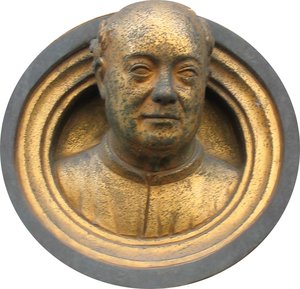
Lorenco Giberi
1378 - 1455 , Italija
Brzi pregled
- Artistic Movement Or Style: Rana renesansa
- Artists Or Movements Influenced By This Artist:
- Donatello
- Masolino
- Paolo Uccello
- Michelangelo
- Artists Who Influenced This Artist:
- Gherardo Starnina
- Bartolo di Michele
- Date Of Birth: 1378
- Date Of Death: 1455
- Full Name: Lorenzo Ghiberti
- Nationality: Italijan
- Notable Artworks:
- Vrata raja
- Iskaočenje Isaka
- Otkriće zlatne čaše
- Krštenje Hrista
- Place Of Birth: Firenca, Italija
Srodni članci

Bronze Age to Modern Masters: 10 Sculptures That Redefined Art | OriginalUniqueArt
Journey through art history with 10 legendary bronze sculptures – from Michelangelo's David to Rodin’s Thinker. Explore the stories, techniques & timeless beauty of these masterpieces. Find museum-quality reproductions & elevate your home decor on OriginalUniqueArt.com.

Timeless Strength: The Ultimate Guide to Bronze Art and Sculpture for the Discerning Collector
Discover the enduring elegance of bronze sculpture. Our expert guide explores lost-wax casting, patina mastery, and professional tips for collecting and commissioning museum-quality bronze art to create a lasting legacy in your private collection.

The Eternal Glow of Bronze: A Guide to Sculpting with Light, Strength, and Timeless Artistry
Explore the profound beauty of bronze sculpture. From the ancient lost-wax technique to the interplay of light and patina, discover how this enduring alloy captures human emotion and history through masterful artistry and strength.
The Enduring Legacy of Bronze: History, Technique & Artistic Expression for the Collector
Explore the rich history & enduring appeal of bronze sculpture with expert insights for collectors at OriginalUniqueArt. Learn about casting techniques, iconic artists, and collecting tips.

The Enduring Legacy of Bronze: A Historical & Artistic Exploration for the Collector
Explore the rich history & enduring appeal of bronze sculpture with expert insights for collectors at OriginalUniqueArt. Learn about casting techniques, iconic artists, collecting tips & contemporary interpretations.