

 Pregledaj u prostoru
 Podeli
 Podeli
 Detalji
 Vodič
Vodič

 Preuzmi sliku
 Slični predmeti
 Rendgenski snimak
 Automatska prezentacija
 Statistika
In the Sunlight


 Pročitaj više
Umetničko delo prikazano na ovoj stranici zaštićeno je autorskim pravima, što znači da zakonski nismo u mogućnosti da kreiramo niti prodajemo identičnu reprodukciju. Ova zaštita se sprovodi u skladu sa međunarodnim sporazumima kao što su Bernska konvencija i nacionalnim zakonima, uključujući i one koji su definisani u Američki zakon o autorskom pravu – Naslov 17.
Ovaj metod je u potpunosti usklađen sa regulativama o autorskim pravima jer ne podrazumeva kopiranje ili dupliranje zaštićenih umetničkih dela. Umesto toga, reč je o kreativnoj reinterpretaciji – novom slikarskom delu koje je inspirisano originalom, ali nije identično njemu.
Giclee štampa / Umetnički otisak
Giclée štampa ili print na platnu muzejskog kvaliteta uz brzu izradu i raznovrsne opcije završne obrade. ( Naručite ručno oslikano reprodukciju Pređi na prodaju digitalnih slika)




P118B дин10

P118H дин10

P118W дин10

P438Z дин10

P508JH дин12

P508YH дин12

P805H дин10

P805Z дин10

P919BZ дин10

P919G дин10

P919XJ дин10

P959ZH дин10

P968JZ дин12

W106C дин8

W218G дин10

W218JH дин8

W218Y дин10

W307PJ дин10

W316G дин10

W316PJ дин8

W316Y дин10

W398PJ дин8

W4111J дин10

W500HY дин15

W500JH дин15

W692G дин12

W849H дин8

W940BG дин15

W953PJ дин8




Izaberite jednu od naših unapred definisanih veličina koje odgovaraju originalnim proporcijama umetničkog dela.

Unesite širinu i visinu koja vam je potrebna, kako bi se uklopili u vaš ram ili na vaš zid. Štampa se može samo iseći, nikada ne može biti veća od originalne slike, stoga format sa drugačijim proporcijama gubi deo slike. Poslaćemo vam digitalni prikaz radi potvrde pre nego što započnemo štampu. Slika prikazana na ovoj stranici ne pokazuje stvarni rez — to pokazuje samo digitalni prikaz.
Dostava širom sveta () za 2 nedelje umesto uobičajenih 4/5 nedelja. (23 октобар)

Besplatna ekspresna dostava širom sveta

Visokokvalitetno laneno platno

Sveobuhvatno osiguranje transporta

Garancija povraćaja carine i uvoznih dažbina

Garancija vernosti boja i autentičnosti pri reprodukciji

Politika povraćaja u roku od 100 dana (samo u slučaju nedostataka)

Garancija povrata 100% novca

Popust pri većoj količini
 Opcija sa staklom dostupna je samo za dimenzije manje od 110 cm

In the Sunlight
Giclee štampa / Umetnički otisak
Veličina reprodukcije
-


Ukupna cena
дин 8263
A Vibrant Tapestry of Community Life
In the luminous canvas of "In the Sunlight," the viewer is instantly transported into a world where the warmth of the sun is matched only by the warmth of human connection. This captivating piece by the contemporary master Liu Wei serves as a window into a spirited village scene, rendered with a palette that breathes life into every corner of the composition. The painting captures a moment of profound communal harmony, where individuals are gathered in a loose, organic arrangement, their silhouettes and colorful attire suggesting a shared rhythm of existence. As eyes wander through the scene, one discovers the subtle presence of animals—two loyal dogs flanking the edges and a solitary sheep nestled near the center—which ground the human activity within the pastoral tranquility of the landscape. It is a work that does not merely depict a setting, but evokes an atmosphere of belonging.
The technique employed in this work reflects Liu Wei’s unique ability to navigate the complexities of modern existence through a lens of vibrant expressionism. While his broader body of work often grapples with the "cartography of chaos" and the anxieties of rapid urbanization, "In the Sunlight" offers a more lyrical departure, focusing on the beauty of stillness and social cohesion. The brushwork is fluid and energetic, creating a sense of movement that mimics the gentle breeze or the low hum of conversation passing between neighbors. Through the masterful use of light and color, the artist achieves a painterly texture that invites the eye to linger on the interplay of shadow and brilliance, making the sunlight feel almost tangible upon the viewer's skin.
For the discerning collector or interior designer, this artwork represents more than just a beautiful image; it is an emotional anchor for any space. The painting’s ability to balance lively, saturated tones with a sense of peaceful nostalgia makes it a versatile masterpiece for high-end residential or curated gallery settings. It possesses the rare quality of being both a conversation starter and a soothing presence, capable of injecting vitality into a minimalist room or adding a layer of soulful depth to a classic study. To possess a reproduction of this work is to invite the eternal essence of community and the restorative power of light into one's own environment, serving as a constant reminder of the simple, profound joys found in the sunlight of shared life.
Pitanja i odgovori
O čemu se radi u delu "In the Sunlight" i kakvu atmosferu odiše?
„In the Sunlight”, Liu Wei prikazuje village life, people, dogs, sheep, community, sunlight, social scene, u Playful raspoloženju. Motiv i atmosfera zajedno opisuju delo.
Koja paleta i dominantna boja definišu "In the Sunlight"?
„In the Sunlight”, Liu Wei koristi Earthy paletu, pri čemu je Black (#14100a) dominantna boja.
Postoji li vodič za „In the Sunlight”, Liu Wei?
Stranica Vodič za delo „In the Sunlight”, Liu Wei nudi štampani informativni list u dve stranice: sam rad sa tabelom identifikacije, vremensku traku koja ga smešta u period života umetnika, druga dela istog umetnika, izmerenu paletu boja i citate spremne za kopiranje u četiri stila.
Biografija umetnika
A Cartography of Chaos: The World of Liu Wei
Born in Beijing in 1972, Liu Wei emerged from a China undergoing seismic transformation—a period defined by breakneck urbanization, economic upheaval, and a burgeoning sense of cultural anxiety. This context is not merely biographical detail for Liu; it’s the very bedrock upon which his artistic practice is built. He isn't simply *representing* this change, but actively dissecting its contradictions, anxieties, and absurdities through a remarkably diverse body of work encompassing painting, sculpture, video installation, and drawing. Early on, after graduating from the China Academy of Art in Hangzhou in 1996, Liu experienced what he describes as a period of artistic gestation—a time of experimentation following years spent producing more conventional oil paintings. This post-graduate phase proved crucial, allowing him to shed established norms and embrace a radical fluidity in his approach. He began exploring the human body through video projects, works that were intuitive and impulsive, yet hinted at the themes that would come to define his mature style: alienation, fragmentation, and the precariousness of identity.From Impulsive Beginnings to Systemic Critique
The late 1990s saw Liu Wei become a key figure in the “Post-Sense Sensibility” movement—a group of artists challenging prevailing artistic trends with subversive explorations of the body and its relationship to a rapidly changing society. This period was formative, fostering a collaborative spirit and a willingness to confront uncomfortable truths. However, it was his participation in the 2003 Shenzhen International Public Art Exhibition that proved pivotal. Initially envisioning an ambitious installation involving an airplane boarding bridge—a symbol of global connectivity and aspiration—Liu encountered the frustrating realities of bureaucratic obstacles and logistical limitations. This experience became a defining moment, revealing to him the inherent “systems” governing everyday life and their capacity to stifle creative expression. It marked a shift towards a more pragmatic approach, one focused on dissecting the materials and structures that constitute this very system. This frustration birthed a fascination with found objects—items imbued with pre-existing meaning and cultural baggage—which he began recontextualizing in startling and often unsettling ways.The Language of Excess: Materials and Meaning
Liu Wei’s work is characterized by an almost deliberate embrace of excess, corruption, and aggression. This isn't gratuitous shock value; rather, it’s a reflection of the cultural anxieties simmering beneath the surface of China’s economic boom. The “Super Structure” series—intricate model cityscapes constructed from dog chews—is perhaps his most iconic work. These miniature metropolises, built from brightly colored, mass-produced objects associated with consumerism and pet ownership, are simultaneously alluring and repulsive. They evoke a sense of playful chaos, yet also hint at the fragility and artificiality of urban development. Similarly, his “Purple Air” paintings—stylized depictions of skyscrapers bathed in an unnatural violet hue—capture the dreamlike quality of contemporary cities while subtly undermining their grandeur. The use of color is deliberate; the purple evokes a sense of unease, suggesting something synthetic and otherworldly. Other series, like the “Landscape Series,” composed from photographic composites of human buttocks, are deliberately provocative, challenging conventional notions of beauty and representation. Even his more outlandish creations—such as *Indigestion II*, a two-meter model turd—serve to disrupt expectations and force viewers to confront uncomfortable realities about consumption and waste.International Recognition and Lasting Impact
Liu Wei’s work has garnered international acclaim, featured in major exhibitions at institutions like the Guggenheim Museum in New York, the Venice Biennale, and the Ullens Center for Contemporary Art in Beijing. He received the Atron AAC Award for Artist of the Year in 2016, solidifying his position as a leading figure in contemporary Chinese art. His participation in these global forums has not only broadened his audience but also facilitated a deeper understanding of the complex socio-political issues at play within China’s rapidly evolving landscape. Conceptualism, satire, and humor are hallmarks of his practice, allowing him to address sensitive topics with both wit and incisiveness. He doesn't offer easy answers or didactic pronouncements; instead, he presents viewers with a fragmented and often unsettling vision of the world, prompting them to question their own assumptions and biases. His influence extends beyond the realm of visual art, inspiring dialogue about urbanization, consumerism, and the cultural anxieties that define our time.A Continuing Exploration
Liu Wei continues to live and work in Beijing, relentlessly pushing the boundaries of his artistic practice. His recent works demonstrate a continued fascination with materials, systems, and the contradictions inherent in contemporary society. He remains committed to exploring the complexities of the urban landscape, challenging conventional notions of beauty and representation, and prompting viewers to confront uncomfortable truths about the world around them. His art is not simply a reflection of China’s transformation; it's an active interrogation of its underlying structures—a cartography of chaos that reveals both the allure and the anxieties of a nation in perpetual flux.
Liu Wei
1972 - , China
Brzi pregled
- Artistic Movement Or Style: Conceptual Art, Satire
- Date Of Birth: 1972
- Full Name: Liu Wei
- Nationality: Chinese
- Notable Artworks:
- Super Structure series
- Purple Air paintings
- Landscape Series
- Indigestion II
- Place Of Birth: Beijing, China
Srodni članci

Capturing Nostalgia: The Timeless Allure and Art History of Village Scene Landscapes
Explore the profound beauty of village scene art. From Impressionist light to pastoral realism, discover how timeless landscapes capture nostalgia through expert artistry and historical depth. Perfect for collectors seeking evocative, museum-quality landscape inspirations.
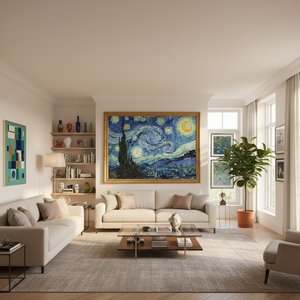
Top 10 Masterpieces for Your Living Room: Iconic Paintings & Art Decor Ideas |
Transform your living room with iconic art! Explore our guide to the Top 10 most famous paintings – from Van Gogh's Starry Night to Mona Lisa. Discover artist stories, techniques & find museum-quality reproductions for timeless decor. Explore the full collection on

Capturing Forever: How Live-Painted Wedding Art Creates Unforgettable Keepsakes for Your Guests
Discover how live-painted wedding art elevates luxury celebrations. Learn to integrate bespoke fine art into your event design to create timeless, hand-painted heirlooms that captivate guests and transform fleeting moments into lasting masterpieces.

Katsushika Hokusai: 25 Remek-dela Japanskog Umetnika za Vaš Dom | OriginalUniqueArt
Uronite u svet Katsushike Hokusaija! Otkrijte 25 remek-dela japanskog umetnika, uključujući čuveni 'Veliki talas'. Ukiyo-e štampe, pejzaži i istorija iza svakog dela. Pronađite inspiraciju za dekor enterijera i kupite reprodukcije slika vrhunskog kvaliteta na OriginalUniqueArt.com.
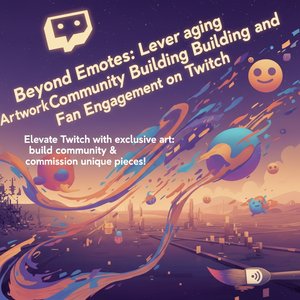
Iznad Emotikona: Iskorišćavanje Ekskluzivne Umetnosti za Izgradnju Zajednice i Angažovanje Fanova na Twitchu
Podignite svoj Twitch kanal na viši nivo! Saveti stručnjaka za angažovanje publike kroz ekskluzivnu umetnost, pronalaženje talenata i izgradnju prepoznatljivog brenda. Kvalitetni dizajn garantovan.