
 Pregledaj u prostoru
 Pošalji
 Podeli
 Detalji o delu
 Vodič
Vodič

 Preuzmi
 Slični predmeti
 Rendgenski snimak
 Automatska prezentacija
 Q&A
Q&A Statistika
The Annunciation and Two Saints

- 184.0 x 210.0 cm


 Pročitaj više
Giclee štampa / Umetnički otisak
Giclée štampa ili print na platnu muzejskog kvaliteta uz brzu izradu i raznovrsne opcije završne obrade. ( Kupite ručno oslikano delo Pređi na digitalnu sliku)




P118B дин10

P118H дин10

P118W дин10

P438Z дин10

P508JH дин12

P508YH дин12

P805H дин10

P805Z дин10

P919BZ дин10

P919G дин10

P919XJ дин10

P959ZH дин10

P968JZ дин12

W106C дин8

W218G дин10

W218JH дин8

W218Y дин10

W307PJ дин10

W316G дин10

W316PJ дин8

W316Y дин10

W398PJ дин8

W4111J дин10

W500HY дин15

W500JH дин15

W692G дин12

W849H дин8

W940BG дин15

W953PJ дин8




Izaberite jednu od naših unapred definisanih veličina koje odgovaraju originalnim proporcijama umetničkog dela.

Unesite željenu širinu i visinu kako bi se štampa uklopila u vaš ram ili zid. Štampu je moguće samo iseći, ali nikada povećati iznad dimenzija originalne slike, stoga format sa drugačijim proporcijama uzrokuje gubitak dela slike. Pre početka štampe, poslaćemo vam digitalni prikaz radi potvrde. Slika prikazana na ovoj stranici ne predstavlja stvarni isrez — to pokazuje samo digitalni prikaz.
Dostava širom sveta () za 2 nedelje umesto uobičajenih 4/5 nedelja. (2 новембар)

Besplatna ekspresna dostava širom sveta

Visokokvalitetno laneno platno

Potpuno osiguranje transporta

Garancija povraćaja carine i uvoznih dažbina

Garancija vernosti boja

Politika povraćaja u roku od 100 dana (samo u slučaju nedostataka)

Garancija povrata 100% novca

Popust na više proizvoda
 Opcija sa staklom dostupna je samo za dimenzije manje od 110 cm

The Annunciation and Two Saints
Giclee štampa / Umetnički otisak
Dimenzije reprodukcije
-


Ukupna cena
дин 8334
The Annunciation and Two Saints: A Gothic Masterpiece of Siena
Within the hallowed halls of the Galleria degli Uffizi in Florence resides “The Annunciation and Two Saints,” a painting that transcends mere religious depiction, blossoming into a profound meditation on grace, divine communication, and the burgeoning beauty of the International Gothic style. Attributed primarily to Lippo Memmi, yet undeniably shaped by his brother-in-law Simone Martini’s influence, this tempera-on-wood artwork from 1333 offers a captivating glimpse into the artistic heart of Siena during a pivotal moment in European art history.
The scene unfolds with an almost startling immediacy. The Archangel Gabriel, rendered with exquisite detail and a subtle dynamism, appears before the Virgin Mary, his gesture conveying both urgency and reverence. His wings are spread wide, capturing a fleeting moment of celestial arrival, while his face reflects a solemnity tempered by compassion. Mary’s reaction is equally compelling – a mixture of surprise, apprehension, and acceptance, subtly conveyed through her posture and the delicate curve of her hand.
Beyond the central figures, the painting is rich with symbolic detail. The two flanking saints, Saint Margaret and Saint Ansanus, are presented in circular medallions, their presence adding layers of devotional significance to the composition. The use of lapis lazuli – a notoriously expensive pigment imported from distant lands – within these medallions speaks volumes about the commission’s prestige and the collective wealth invested in this sacred artwork. The meticulous application of gold leaf, lavishly adorning the throne, the drapery, and the halos, further emphasizes the painting's opulence and its connection to divine splendor.
A Symphony of Line and Color: Artistic Technique
Lippo Memmi’s mastery is evident in the painting’s remarkably refined linear quality. The artist skillfully employs a technique reminiscent of illuminated manuscripts from the French court, characterized by elongated figures, intricate detailing, and a sense of ethereal beauty. This “northern European” style, as art historians often describe it, stands apart from the more robust and voluminous forms prevalent in Florentine painting at the time. The meticulous rendering of textures – the velvet folds of Mary’s robe, the polished marble floor, the delicate feathers of the angel’s wings – demonstrates Memmi's exceptional technical skill.
The color palette is equally sophisticated, dominated by rich blues and golds that evoke a sense of sacred light. The use of lapis lazuli, alongside other precious pigments, creates an atmosphere of otherworldly radiance. Notice how the artist subtly employs chiaroscuro – the interplay of light and shadow – to sculpt the figures and create depth within the composition. This masterful manipulation of color and light not only enhances the painting’s visual appeal but also contributes to its emotional impact.
Historical Context: Siena's Artistic Renaissance
“The Annunciation and Two Saints” is deeply rooted in the artistic and religious landscape of Siena during the 14th century. It was created as part of a larger cycle of altarpieces commissioned to honor the city’s patron saints, reflecting Siena’s civic pride and its commitment to religious devotion. This commission coincided with a period of remarkable artistic flourishing in Siena, marked by the emergence of talented artists like Memmi and Martini.
The painting's style—a harmonious blend of Byzantine influences, French manuscript illumination, and emerging Gothic trends—reflects the cosmopolitan nature of Sienese art at the time. It’s a testament to the city’s role as a major center for artistic production and exchange. The work was intended to be displayed in the chapel of Saint Ansanus within Siena Cathedral, serving as a focal point for worship and a symbol of the city's faith.
Symbolism and Emotional Resonance
Beyond its technical brilliance and historical significance, “The Annunciation and Two Saints” resonates with profound symbolic meaning. The scene itself—the announcement of Jesus’ birth—is one of the most iconic narratives in Christian art. However, Memmi elevates this familiar story through his masterful depiction of human emotion and spiritual grace.
Mary's reaction – a mixture of surprise, humility, and acceptance – speaks to the profound mystery of faith. The angel’s gesture embodies divine communication and the promise of salvation. The painting invites viewers to contemplate not only the miraculous event depicted but also the deeper themes of hope, love, and redemption. It is a work that continues to inspire awe and reverence centuries after its creation.
OriginalUniqueArt offers meticulously crafted, hand-painted oil reproduction reproductions of this extraordinary masterpiece, allowing art enthusiasts to bring the beauty and spiritual depth of “The Annunciation and Two Saints” into their homes or studios. Experience the artistry firsthand – a timeless testament to the genius of Lippo Memmi and Simone Martini.
Pitanja i odgovori
Kada je nastalo delo „The Annunciation and Two Saints”, autor Липо Меми?
„The Annunciation and Two Saints“ potiče iz 1333. Ovaj datum smešta delo u okviru karijere umetnika Липо Меми i same ere.
Kakvu atmosferu donosi „The Annunciation and Two Saints”, autor Липо Меми u enterijer?
Sa svojim Elegant raspoloženjem, delo "The Annunciation and Two Saints" je idealno za Living Room.
Kolikih je dimenzija originalnog dela "The Annunciation and Two Saints"?
Dimenzije originalnog dela „The Annunciation and Two Saints”, autor Липо Меми su 184 x 210 cm.
Biografija umetnika
Мајстор грације и побожности из Сијене
Липо Меми, рођен око 1291. године у срцу Сијене, представља кључну фигуру у прелазу од византијских традиција средњовековног сликарства ка раскошној елеганцији међународне готике. Иако се често говори о његовом славном брату по жени и ментору, Симону Мартинију, најновија научна истраживања све више признају Мемијев посебан уметнички глас и значајан допринос сијенској уметности 14. века. Његов рани живот био је прожет уметношћу; као син Мема ди Филипуција, самог сликара, Липо је вероватно добио прву обуку у радионици свог оца, стекавши основне вештине које су касније усавршене под Мартинијевим вођством. Ова породична и професионална веза била је од кључне важности, обликујући не само његову технику, већ и његову уметничку сензибилност. Блиски однос је неговао сараднички дух који се види у неким од њихових најпознатијих дела, али је Меми на крају кренуо путем обележеним јединственом комбинацијом наслеђене традиције и личне иновације.Прихватање међународне готике
Мемијева уметност је дубоко укорењена у естетским принципима међународне готике која је цветала широм Европе током његовог живота. Овај покрет је дао предност елеганцији, финим детаљима и декоративном приступу сликарству – одступак од строжих стилова ранијих периода. Међутим, Меми ниједноставно усвојио ове нове трендове; он их је синтетизовао са трајним утицајем византијске уметности, која је остала снажна у Сијени. Његове фигуре често задржавају одређену формалност и фронталност подсећајућу на византијске иконе, али су прожете новом грациозношћу и емоционалном дубином. Карактеристична особина његове технике је прецизно рендерисање тканина, украшених сложеним шарама, и карактеристична употреба лима са жлебовима за ореолима украшених сјајним златом – детаљи који показују и техничку вештину и цењење луксузне орнаментике. Био је и мајстор минијатуриста, користећи технику сграфита да постигне деликатне ефекте у својим мањим радовима, демонстрирајући изузетну пажњу на детаље и прочишћену уметничку сензибилност.Сарадње и наруџбине
Током каријере, Меми је прихватио бројне значајне поруџбине које сведоче о његовој растућој репутацији. Можда најпознатија од њих је *Благовести са Светом Маргаретом и Светим Ансанусом* (1333), створена у сарадњи са Симоном Мартинијем за Галерију Уфици. Ово ремек-дело пример је међународне готике, показујући њихову комбиновану мајсторску вештину линије, композиције и боје. Поред ове сарадње, Меми је добио независне поруџбине које су му дозволиле да даље развије свој индивидуални стил. *Девица Марија Милосрдна*, позната и као “Мадона деи Ракомандати”, наручена за катедралу у Орвиету, демонстрира његову способност стварања дубоко побожних слика које одговарају савременој публици. *Мадона дела Фебре*, посебно цењена икона, добила је папску крунисање 1631. године и сада се налази у базилици Светог Петра у Риму – сведочанство њеног трајног духовног значаја и чудног угледа. Поред тога, фреске које му се приписују (раније приписане Барни) у Колегијалној цркви Сан Ђимињано представљају значајан корпус рада који открива његове наративне вештине и уметничку визију.Од Авињона до трајног наслеђа
Мемијева каријера је прошла кроз интригантан преокрет када је пратио Симона Мартинија на папски двор у Авињону током средине 14. века. Ово раздобље га је изложило новим покровитељима, уметничким утицајима и ширем европском контексту. Док је био у Авињону, наставио је да усавршава свој стил и проширује свој репертоар. По повратку у Сијену остао је активан до смрти 1356. године, настављајући да производи радове који су одражавали како традиције сијенског сликарства тако и иновације међународне готике. Временом се Мемијев стил развио, карактеришући га мекшим квалитетима и мирним духом у поређењу са ранијим мајсторима Дучента. Сада је препознат као најзначајнији следбеник Симона Мартинија, играјући кључну улогу у обликовању сијенске уметности током периода значајних уметничких промена. Његов допринос развоју и ширењу међународне готике остаје неоспоран, а његов утицај се протезао на касније генерације уметника, посебно оне који су радили у Сијени након разарања Црне смрти. Недавна научна истраживања прешла су границу гледања на њега само као Мартинијевог следбеника, славећи његове јединствене доприносе и учвршћујући његово место значајног уметника за себе.Поновна процена уметничке вредности
Много година је Липо Меми био у сенци бриљантности Симона Мартинија. Ипак, савремени историчари уметности све више признају суптилност и софистицираност његовог рада. Његове слике поседују тиху достојанственост и емоционални одзив који их разликује. Деликатно моделирање лица, грациозно драперије и луминозна употреба боја доприносе атмосфери мирне лепоте. Мемијева способност да споји византијску формалност са готичком елеганцијом створила је карактеристичан стил који је утицао на уметнике деценијама након његове смрти. Његово наслеђе није само имитација или наставак, већ промишљеног прилагођавања и уметничке иновације – сведочанство о његовој вештини, визији и трајном доприносу богатом гобелену историје италијанске уметности.
Липо Меми
1291 - 1356 , Италија
Osnovne informacije
- Artistic Movement Or Style: Internacionalna gotika
- Artists Or Movements Influenced By This Artist: ['Sijenski umetnici']
- Artists Who Influenced This Artist: ['Simone Martini']
- Date Of Birth: oko 1291.
- Date Of Death: 1356.
- Full Name: Lippo Memmi
- Nationality: Italijan
- Notable Artworks (List Of Titles):
- Annunciation...
- Virgin of Mercy
- La Madonna della Febbre
- Place Of Birth (City And Country): Sijena, Italija
Povezani članci
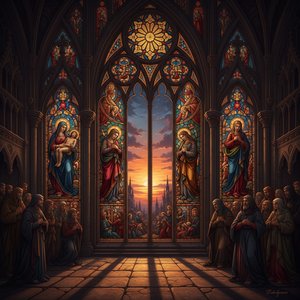
The Radiant Dusk of Medieval Vision: Exploring Late Gothic Art's Synthesis of Faith, Form & Emotionality (c. 1300-1500)
Explore the exquisite beauty & spiritual depth of Late Gothic art (c. 1300-1500). Discover key artists, symbolism, and its lasting influence on the Renaissance. Expert insights at OriginalUniqueArt.

Beyond Borders: The Spiritual & Stylistic Innovations of International Gothic Art
Explore the exquisite beauty & spiritual depth of International Gothic art. Discover key artists like Simone Martini & Pol de Limbourg, its origins, symbolism, and lasting influence on European painting. Expert insights at OriginalUniqueArt.

Simone Martini: Innovation, Spirituality & Courtly Refinement in Sienese Painting
Explore the captivating world of Simone Martini, a pivotal figure in Sienese painting & the International Gothic style. Discover his innovative techniques, spiritual depth, and lasting influence on early Renaissance art.

The Shadow of Faith: Exploring Gothic Art's Spiritual Intensity & Architectural Innovation
Explore the spiritual intensity & architectural innovation of Gothic art! Discover the symbolism behind cathedrals, stained glass & master artists like Giotto and Monet. A deep dive into medieval history & artistic expression.
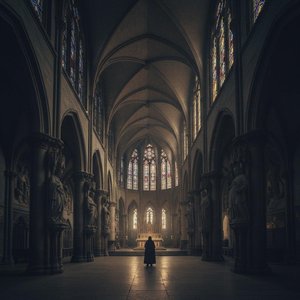
Gothic Art Unveiled: The Dark Beauty and Drama of a Timeless Era
Embark on a journey through the dramatic era of Gothic art. Discover the profound beauty of illuminated manuscripts, sacred gold leaf masterpieces, and the transition to naturalism in this expert-led exploration of medieval artistry and historical grandeur.